

If you’ve spent any time sourcing Polysorbate 80 at scale, you already know the problem. Prices are wildly inconsistent, spec sheets are vague, and a surprising number of the “manufacturers” you contact are actually trading companies repackaging someone else’s product. It’s exhausting – and expensive when you get it wrong.
This guide cuts through that. What drives PS-80 pricing, how to tell a legitimate Polysorbate 80 manufacturer from a middleman, and how to get bulk food grade material that actually meets your specs without a six-week email chain. Whether you’re buying for a food company, a pharma operation, or a personal care brand, the sourcing process matters as much as the product itself.
Elchemy connects international buyers to verified chemical suppliers across 25+ countries and is worth knowing about if you’re navigating this globally. We’ll get into that specifically later. But first, the basics.
What Is Polysorbate 80?
Polysorbate 80 – also called Tween 80, PS-80, or E433 – is a synthetic nonionic surfactant made by reacting sorbitol with ethylene oxide and then esterifying with oleic acid. The result is a molecule with both water-loving and oil-loving ends. That dual nature is what makes it so useful as an emulsifier. It keeps oil and water phases from separating, which sounds simple until you realize how many products depend on exactly that.
Its HLB value sits around 15. In practice, that makes it ideal for oil-in-water emulsions specifically – where you need the oil phase dispersed through a water base rather than floating on top. If you’re comparing emulsifiers and wondering whether PS-80 is the right call, that number is your starting point.
One thing that trips up buyers coming to this for the first time: not all Polysorbate 80 is the same product. Food grade, pharma grade, and cosmetic grade are manufactured to different purity specifications with different documentation requirements. Using food grade material in a pharmaceutical application isn’t just a quality concern – it can be a regulatory violation depending on your target market. Know your grade before you start requesting quotes.
Industries That Run on Polysorbate 80

The buyer profile for PS-80 is genuinely wide. That breadth is part of why global demand stays consistent.
Food and beverage production. Ice cream manufacturers use it to control ice crystal formation and get that smooth mouthfeel. Baked goods use it for volume, crumb structure, and shelf stability. You’ll also find it in whipped toppings, non-dairy creamers, and some condiment formulations. The FDA classifies it as GRAS at concentrations up to 0.1% in most food applications, and it holds EU approval as E433.
Pharmaceuticals. This is the most scrutinized use case. PS-80 functions as a solubilizer and stabilizer in injectable drugs and certain vaccines. Any Polysorbate 80 supplier going into pharma has to provide batch-level CoA documentation, GMP certification, and compliance with USP, EP, or JP pharmacopeial standards. No shortcuts, no substitutions.
Personal care and cosmetics. If you source ingredients for personal care products at any volume, PS-80 is practically unavoidable. It appears in moisturizers, serums, shampoos, and sunscreens. It’s particularly useful for dispersing fragrance and essential oils in water-based systems without cloudiness or separation. Formulators also appreciate that it’s stable across a wide pH range and compatible with most other ingredients.
Veterinary and agricultural applications. Less commonly discussed but real. PS-80 shows up in animal vaccines and certain agricultural emulsion sprays, where the same oil-in-water stabilization properties apply.
The overlap across industries keeps Polysorbate 80 wholesale price competitive globally. This isn’t a niche chemical with one dominant buyer type – it’s a workhorse ingredient with consistent demand, which actually works in your favor when negotiating with suppliers.
Polysorbate 80 Price Guide: What You’re Actually Paying
Pricing is where most sourcing conversations get frustrating fast. And honestly, for good reason – the range is enormous, and suppliers aren’t always transparent about what’s driving it.
Realistic Polysorbate 80 price per kg for bulk orders falls between $1.50 and $6.00, depending on grade and origin. That’s not an error. Pharma-grade material from a GMP-certified European facility and food grade from a Chinese manufacturer with FCC compliance are very different products with very different cost structures.
Here’s a breakdown by region:
| Region | Price Range (per kg) | Grade Options | Typical Lead Time |
| China | $1.50 – $2.80 | Food, Cosmetic, Pharma | 3-6 weeks |
| India | $1.80 – $3.20 | Food, Cosmetic | 4-7 weeks |
| Europe | $3.00 – $5.50 | Pharma (EP/GMP), Food | 2-4 weeks |
| USA (domestic) | $3.50 – $6.00 | All grades (USP/NF) | 1-3 weeks |
| UAE / Gulf | $2.00 – $3.80 | Food, Cosmetic | 2-4 weeks |
A few things that move the Polysorbate 80 price meaningfully outside of geography:
Order volume is the biggest lever. At 50kg, you’re getting distributor margins, not manufacturer pricing. Once you cross 500kg, the math shifts significantly. Full IBC or tanker orders above 1,000kg can drop unit price another 15-25% compared to drum-level purchases.
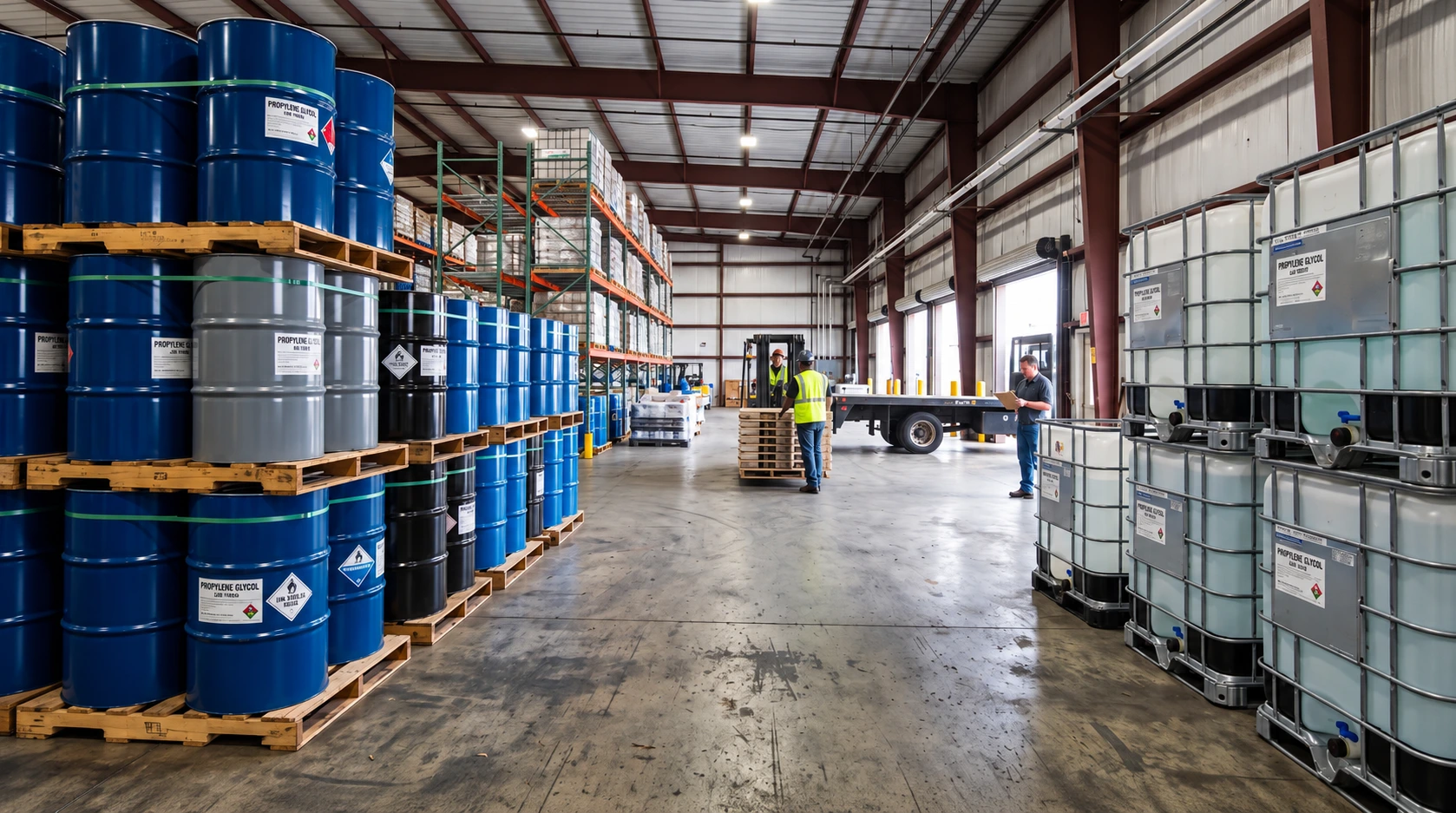
Freight is a real cost that surprises people when the invoice arrives. PS-80 is a liquid at room temperature – amber-colored, viscous, ships in 200L drums or IBCs. That’s heavy. Freight from China or India to the US or UK can add $0.30-$0.80/kg to your landed cost depending on destination and shipping terms. Always calculate landed price, not just the ex-works quote, before deciding which supplier actually wins on cost.
Pharma-grade premiums exist for a reason. You’re not just paying for cleaner material. You’re paying for the quality management system, the batch documentation, and the regulatory exposure the Polysorbate 80 manufacturer takes on by supplying into a controlled application. If your end use requires it, don’t try to save money by substituting food grade and hoping it passes.
How to Evaluate a Polysorbate 80 Manufacturer
This is the part most sourcing guides skim past, and it’s arguably the most valuable section here. The challenge is that the market is fragmented, and not everyone calling themselves a manufacturer actually is one. Some are distributors, some are trading companies, some are regional repackagers. None of that is automatically a dealbreaker – but you should know exactly what you’re buying from and why.
Start with certifications. For food applications, look for FCC compliance. For pharma, USP/NF or EP documentation is non-negotiable. ISO 9001 is a baseline quality signal; GMP certification matters for any pharmaceutical supplier.
Request the CoA immediately. A Certificate of Analysis for the specific lot you’re buying – not a generic spec sheet – is standard practice among serious suppliers. If a supplier hesitates to provide this before payment, or can only offer a generic document without lot-specific data, that’s a clear signal.
Ask for a sample. Any legitimate Polysorbate 80 supplier will accommodate a reasonable sample request from a serious prospective buyer. Small quantity, proper labeling, CoA attached. Those who can’t or won’t make this work are telling you something.
Test documentation capability. If you’re importing into the US, UK, or UAE, you need origin documentation, an SDS, and potentially application-specific registration. Ask whether the supplier has shipped to your target market before. Experienced bulk Polysorbate 80 manufacturers and exporters will have templates ready and a process for it. Those who haven’t done it before will cost you time and real money at customs.
Read the first response carefully. This sounds obvious, but a supplier’s first email tells you a lot about how they operate. Vague answers, copy-pasted spec sheets, and inability to address grade-specific questions are patterns that don’t improve once you’re mid-order.
How Elchemy Helps With Polysorbate 80 Sourcing
Elchemy is a chemical distribution and custom manufacturing platform operating across 25+ countries. For international buyers working through a Polysorbate 80 sourcing guide for the first time – or the fifteenth – it solves several pain points that come up consistently.
Here’s what’s actually useful:
Verified supplier network. Suppliers on the platform have already cleared quality and documentation checks. You’re not cold-contacting manufacturers and hoping for a decent response – you’re starting with sources that have been validated against real standards.
Grade-specific matching. Whether you need a food grade Polysorbate 80 supplier for a production line or pharma-grade material with full GMP documentation, the platform matches you to appropriate options rather than sending generic leads that waste everyone’s time.
International logistics coordination. Importing from China or India into the US, UK, or UAE involves customs classification, freight coordination, and compliance documentation. Elchemy handles that complexity rather than leaving you to figure it out shipment by shipment.
Real pricing transparency. Actual quotes based on your specific grade, quantity, packaging format, and destination. Not a price range from a brochure.
Custom manufacturing access. If you need a specific purity specification, non-standard packaging, or a blended product, the platform’s manufacturing connections can work with that.
For buyers who want to buy Polysorbate in volume and need it done right – verified documentation, proper logistics, no surprises at customs – Elchemy cuts out a significant amount of the vetting legwork.
→ Book a consultation with the Elchemy team to get verified quotes for your bulk Polysorbate 80 order.
Common Mistakes That Cost Buyers Real Money
Most bulk PS-80 sourcing mistakes fall into a few predictable patterns.
Chasing the lowest quote without checking the grade. A $1.65/kg offer with no CoA, no grade designation, and no documentation support is not a deal. If your product fails internal QC or gets rejected at customs, you’ve lost far more than the savings on unit price. This is the most avoidable mistake and also the most common.
Underestimating lead time on a first international order. Some buyers see a competitive quote from a Polysorbate 80 manufacturer in China or India and expect delivery in two to three weeks. It doesn’t work that way. Production time, export documentation, freight, and customs clearance all add up. Plan for six to eight weeks on a first order and negotiate accordingly. Building time pressure into a new supplier relationship is a good way to end up with rushed quality checks.
Ignoring shelf life and storage conditions on arrival. PS-80 has a typical shelf life of two years under proper storage – sealed containers, ambient temperature, away from heat and direct light. But if a shipment sat in a warm warehouse during a customs delay, that affects remaining usable life. Always confirm the packing date and verify storage conditions on arrival before accepting a large batch.
One thing that doesn’t get said enough: inspect the documentation on receipt, not after you’ve already processed the material. If something is wrong with the CoA or there’s a discrepancy in lot numbers, you want to catch it before the product is in your process.
Polysorbate 80 vs. Other Emulsifiers
Worth a brief comparison, because some buyers come to PS-80 sourcing mid-formulation, still weighing options.
Compared to Polysorbate 20 (Tween 20), PS-80 has a longer oleic acid chain and handles heavier oil phases better. Polysorbate 20 is preferred for lighter, more aqueous formulations in personal care. If you’re working with essential oils or carrier oils, PS-80 is usually the stronger fit.
Against lecithin, PS-80 wins on consistency and batch-to-batch predictability. Lecithin’s performance varies based on source and processing method. PS-80 is synthetic and standardized – which matters when your batches need to be identical at scale.
Against Span 80 (Sorbitan monooleate), the comparison is more technical. Span 80 is lipophilic and produces water-in-oil emulsions. PS-80 does the opposite. They’re actually sometimes used together in a combined system to hit a target HLB value for a specific formulation.
So no, PS-80 isn’t always the answer. But for oil-in-water emulsification at commercial scale across food, pharma, and personal care, it’s a hard ingredient to argue against.
Frequently Asked Questions
What purity should food grade Polysorbate 80 meet?
Food grade PS-80 should comply with FCC (Food Chemicals Codex) specifications, which require minimum 95% purity with defined limits on acid value, saponification value, and heavy metals. For EU-destined products, E433 additive specifications also apply. Always request a lot-specific CoA confirming the applicable standard before accepting delivery.
How do I find a reliable Polysorbate 80 manufacturer in the USA?
Start with FDA-registered facilities producing to USP/NF standards. Domestic US suppliers cost more but offer shorter lead times and cleaner regulatory alignment for FDA-regulated products. Platforms like Elchemy can connect you to verified options without requiring you to cold-contact manufacturers individually.
What does Polysorbate 80 cost at wholesale quantities in the USA, UK, or UAE?
In the US, food grade PS-80 at 500kg typically runs $3.50 to $5.50/kg. UK pricing is roughly comparable given European sourcing costs. UAE buyers importing from Asia generally see $2.00 to $3.50/kg for food grade material. Freight, import duties, and clearance fees vary significantly by destination – always calculate landed cost.
Can I get a sample before committing to a large order?
Yes, and you should insist on it. Any legitimate Polysorbate 80 supplier will provide a small sample (1-5kg) to a serious prospective buyer. If a supplier refuses or makes the process unreasonably difficult, treat that as a real warning sign. Test in your actual formulation and process before placing a full bulk order.
What documentation should I expect from a legitimate supplier?
Minimum: Certificate of Analysis (CoA), Safety Data Sheet (SDS), and origin certificate. For pharma applications, expect GMP certificates and batch-specific testing reports. Depending on your end market, Halal or Kosher certification may also be required. Confirm what you need upfront and verify you can receive it before signing anything.
Is Polysorbate 80 safe in food and personal care products?
Yes, within regulated concentration limits. The FDA classifies it as GRAS for food applications, and it holds EU approval as E433. EFSA has reviewed its safety profile. In personal care, it’s broadly considered safe at functional use levels. Grade and purity of the sourced material still matter – always use the appropriately certified grade for your application.
Conclusion
Key Takeaways:
Polysorbate 80 price per kg ranges from $1.50 to $6.00 depending on grade, origin, and order volume – know which grade your application requires before comparing quotes
Not every supplier is actually a manufacturer – verify certifications, request lot-specific CoA documentation, and confirm sample availability before committing to any bulk purchase
Landed cost (including freight, duties, and realistic lead time) matters as much as unit price when comparing Polysorbate 80 distributors globally
Finding a reliable Polysorbate 80 manufacturer doesn’t have to mean months of chasing unverified leads with inconsistent documentation. If you’re ready to move on a bulk purchase and need it handled properly – right grade, right paperwork, right logistics – Elchemy gives you access to a vetted global supplier network without starting from scratch. Share your specifications and let the sourcing process work the way it actually should.