Products
Our Technology
Sustainability & Compliance

Home/Products/Sorbitol

Sorbitol
HDPE Drums

ELHUME – SBO70

Sorbitol

ELHUMETM – SBO70

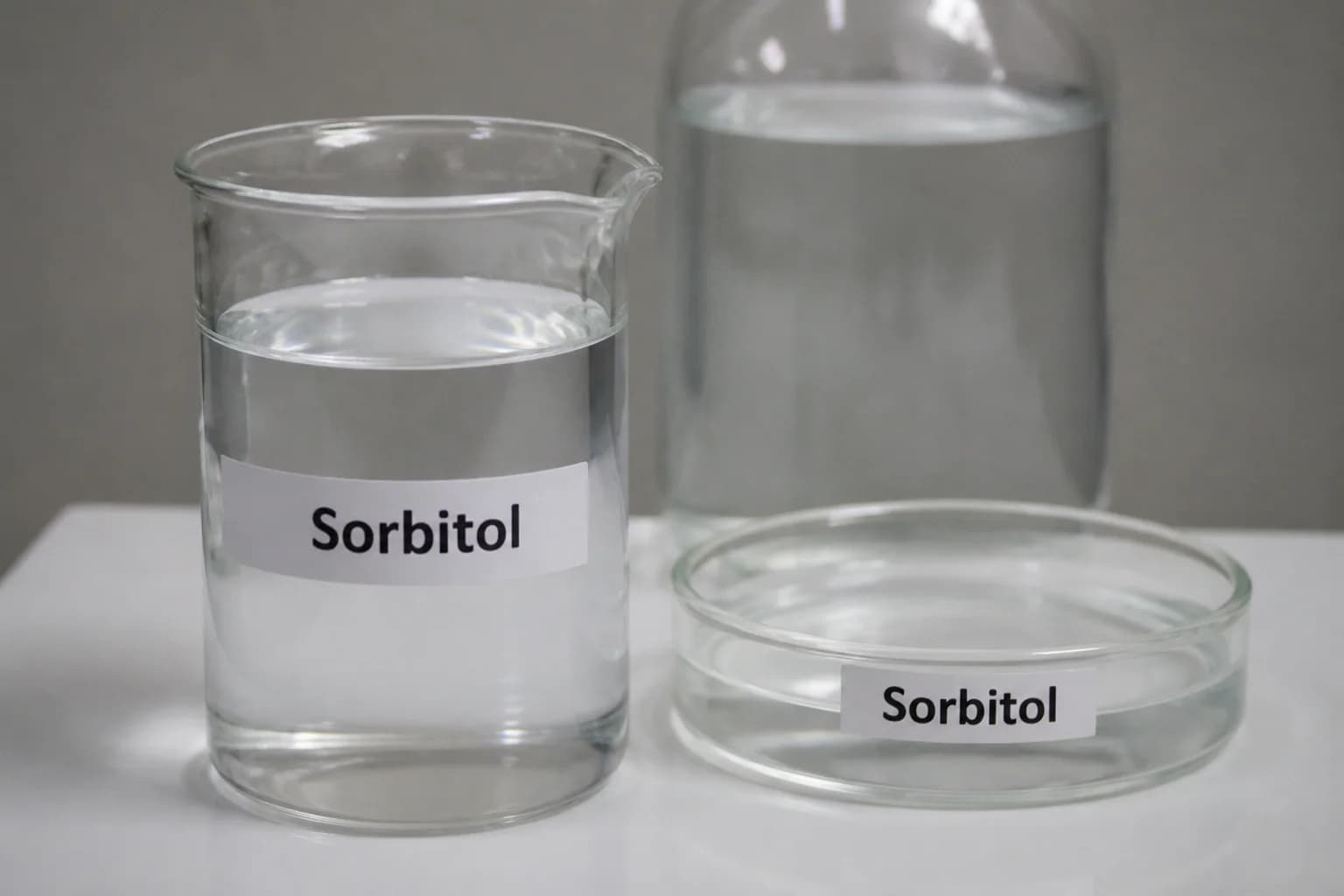
Elchemy supplies ELHUME™-SOR sorbitol in bulk to food, pharmaceutical, personal care, and industrial manufacturers across 40+ countries. Sorbitol is a sugar alcohol valued for its mild sweetness, moisture-binding ability, and low glycemic profile, making it a staple ingredient in sugar-free gums, toothpaste, pharmaceutical syrups, and humectant-based personal care products. The product is available in both liquid form (typically 70% aqueous solution) and crystalline powder, with food, pharmaceutical, and industrial grades to match your application. Other concentrations and customer-specific specifications can be supplied based on procurement requirements. Domestic stock is also held at our US warehouses for faster fulfillment to US destinations.

Get Pricing for This Product

Need pricing? Request a quote for this product and we'll get back to you shortly.

Speed Up Your Sample Testing Process

Express Delivery in 24–48 Hours

CAS Number

50-70-4

HS Code

2905.44.00

Molecular Formula

C₆H₁₄O₆

INCI Name

Sorbitol

Home/Products/Sorbitol

Sorbitol

ELHUMETM – SBO70

Elchemy supplies ELHUME™-SOR sorbitol in bulk to food, pharmaceutical, personal care, and industrial manufacturers across 40+ countries. Sorbitol is a sugar alcohol valued for its mild sweetness, moisture-binding ability, and low glycemic profile, making it a staple ingredient in

CAS Number

50-70-4

INCI Name

Sorbitol

HS Code

2905.44.00

Molecular Formula

C₆H₁₄O₆

Get Pricing for This Product

Need pricing? Request a quote for this product and we'll get back to you shortly.

Speed Up Your Sample Testing Process

We deliver domestic samples within 24 - 48 hours, helping you evaluate products and move to procurement without delays.

Sorbitol
HDPE Drums

ELHUME – SBO70

Product Specification

OdorOdorless
Density1.49 at 59 °F
AppearanceWhite powder
Refractive Index1.3330 at 20 °C
Molecular Weight (G/Mol)182.17
Ph (If Aqueous Solution)7
Density Or Specific Gravity1.49 at 59 °F

Physical Properties

PropertySpecification
OdorOdorless
Density1.49 at 59 °F
AppearanceWhite powder
Refractive Index1.3330 at 20 °C
Molecular Weight (G/Mol)182.17
Ph (If Aqueous Solution)7
Density Or Specific Gravity1.49 at 59 °F

Chemical Properties

PropertySpecification
Pka13.6 at 17.5 °C

Thermal Properties

PropertySpecification
Flash Point542 °F
Boiling Point295 °C at 3.5 mm Hg
Melting Point230 °F

Processing Methods & Reference Formulations

A. Cosmetic cream

Add Sorbitol to the water phase and to ensure complete dissolution. It acts as a humectant, so mix well to enhance moisture retention and maintain a smooth cream texture.

Key IngredientsIndicative Dosage (% w/w)
Water (Purified)75.00%
Glycerin7.50%
Sorbitol2.50%
Cetostearyl Alcohol2.00%
Stearic Acid1.75%
Lanolin2.00%
Glyceryl Monostearate3.00%
Triethanolamine0.80%
Propylene Glycol5.00%
Methyl Paraben0.18%
Propyl Paraben0.02%

B. Hair shampoo

Add Sorbitol to the heated water phase to ensure full dissolution. It functions as a humectant and conditioning agent, helping to retain moisture and improve shampoo feel.

Key IngredientsIndicative Dosage (% w/w)
Deionized Water70%
Sorbitol10%
Sodium Laureth Sulfate10%
Cocamidopropyl Betaine5%
Glycerin3%
Citric Acid, Preservative, Fragrance

C. Facial Cleansers

Add Sorbitol to facial cleanser formulations during the water phase to boost hydration and improve skin feel.

Key IngredientsIndicative Dosage (% w/w)
Deionized Water50%
Glycerin15%
Propylene Glycol15%
Polysorbate 2015%
PEG-150 (Polyethylene Glycol 6000)2%
Sucrose Cocoate0.7%
Sorbitol0.7%
Sodium Stearoyl Lactylate0.5%
Sodium Citrate0.5%

D. Lip balm

In lip balm formulations, incorporate Sorbitol during the mixing phase to act as a humectant and improve moisture retention.

Key IngredientsIndicative Dosage (% w/w)
Beeswax25%
Shea Butter20%
Coconut Oil15%
Sweet Almond Oil10%
Sorbitol10%
Vitamin E1%
Tocopherol (Vitamin E)0.5%
Deionized Water30-40%
Fragrance, Preservative

Dosing Guidelines

A. Dosing by Application

ProductsAuthorized dosage %
Skin Creams, Gels, Lotions5-10%
Hair products1-5%

About Sorbitol

Sorbitol is one of the most widely used polyols in modern manufacturing, valued for a combination of properties that few other sweeteners can match. It delivers about 60% of the sweetness of sucrose with roughly 40% fewer calories, does not contribute to tooth decay, and binds moisture exceptionally well, which is why it appears in everything from sugar-free chewing gum to baby toothpaste to diabetic dessert lines.


The product occurs naturally in fruits like apples, pears, peaches, and prunes, but commercial production relies on catalytic hydrogenation of glucose at industrial scale. This route delivers the consistent purity, color, and concentration that food and pharmaceutical formulators require.


Sorbitol (CAS 50-70-4) is FDA GRAS-listed for food use and recognized by major pharmacopeias for pharmaceutical excipient use. Procurement teams placing bulk orders track the sorbitol price closely since it sits among the higher-volume ingredient cost lines in confectionery, oral care, and pharma syrup manufacturing.


Manufacturing Process of Sorbitol

Sorbitol is produced through catalytic hydrogenation of glucose. Glucose syrup is reacted with hydrogen under pressure in the presence of a metal catalyst, typically Raney nickel, which converts the aldehyde group of glucose into the hydroxyl group of sorbitol.


The crude sorbitol is then purified through filtration, ion exchange, and concentration to remove residual catalyst, color bodies, and impurities. The finished product is held at the target commercial concentration (70% for liquid grade) or further crystallized for powdered form.


Every shipment Elchemy supplies is tested for sorbitol content, reducing sugars, and microbial parameters before dispatch, with a Certificate of Analysis travelling alongside each order.


Sorbitol Price: Bulk Pricing for Industrial Buyers

If you're looking for current sorbitol pricing for bulk procurement, Elchemy provides quotes based on your specific requirements. Fill out the quote request form with the required details, such as volume, grade (food, pharma, or industrial), form (liquid or powder), destination, and any other relevant information about your procurement, and our team will revert with a detailed offer within 24 to 48 hours.


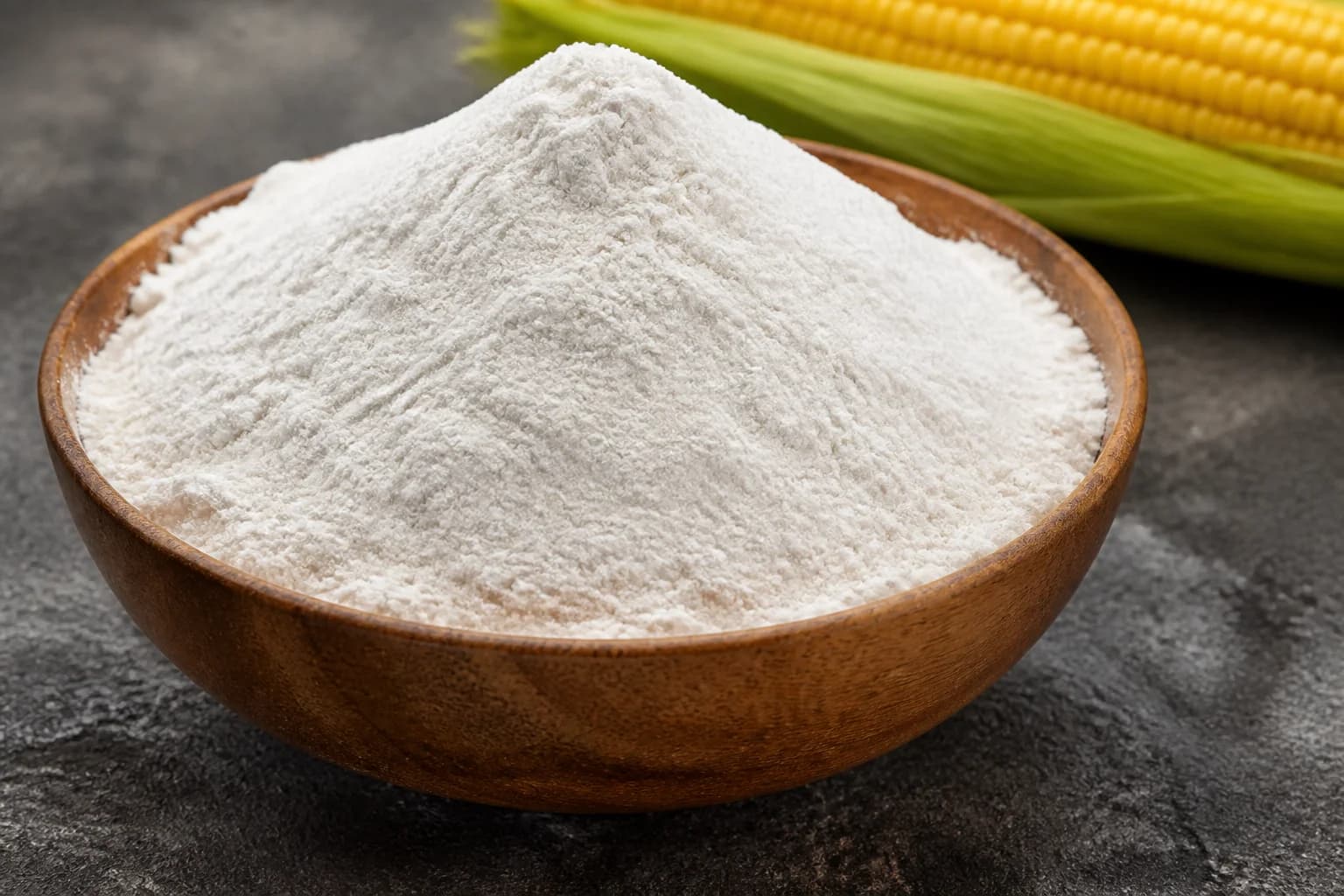
Sorbitol pricing reflects a stack of variables: glucose and corn starch feedstock costs, energy inputs from the hydrogenation step, grade and form (liquid 70% vs crystalline), certifications required, and logistics.


For a longer view of where the market is heading, procurement teams often follow the sorbitol price trend in trade publications and industry indices, which captures how feedstock, energy, and regional demand are shifting quarter-over-quarter.


The sorbitol 70 price is the most commonly referenced commercial benchmark since 70% aqueous solution is the dominant globally traded form, though the actual rate depends on volume, destination, and contract structure.


For comparison-shopping across suppliers, buyers often normalize to the sorbitol 70 price per kg of dry substance, which makes like-for-like comparison cleaner than nominal solution rates that can vary slightly in active content.


Some references list the broader sorbitol 70 solution price that bundles solution-specific factors like packaging (drum, IBC, or tanker) and active matter into a single comparison number.


Regional reporting also matters. International procurement teams comparing sourcing options occasionally check the sorbitol liquid price in India alongside other origin-country benchmarks, since India has emerged as a meaningful production hub for sorbitol alongside China, Indonesia, and the US. These regional references are useful as relative indicators rather than fixed rates.


For an exact rate, none of these references replace a direct quote. The actual sorbitol cost for any specific buyer depends on grade, form, volume, certifications, and contract terms, all of which the quote process captures.


Packaging & Logistics

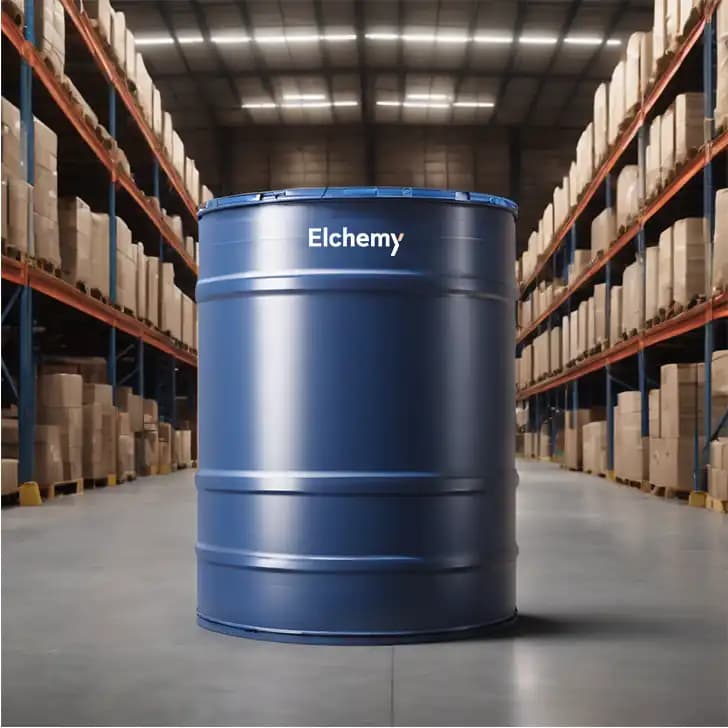
Sorbitol liquid ships in HDPE drums for standard orders, with IBC totes (1,000 L) and bulk tankers available for larger commercial volumes. Crystalline sorbitol is supplied in 25 kg (55 lb) PP/PE bags or 1 MT FIBC jumbo bags, based on buyer requirements.


For US-bound orders, domestic stock from our US warehouses supports faster fulfillment. If sourcing is required from India or other origin countries, transit times typically run 24 to 28 days to the US East Coast and 18 to 22 days to the West Coast. Elchemy offers FOB, CIF US port, and DDP terms, depending on how your procurement team prefers to handle landed cost and customs.


Store sorbitol in tightly sealed containers in a cool, dry, well-ventilated area, away from direct sunlight and extreme temperatures. The 70% solution can crystallize at low temperatures, so storage above 15 °C (59 °F) is recommended for liquid grade. Standard dispatch follows agreed contract terms.


Safety & Handling

Sorbitol is one of the most benign industrial ingredients in common commercial use. It is non-toxic, non-hazardous, and not classified as a dangerous good for transport. The product is widely used in food, pharmaceutical, and personal care applications consumed or applied directly to the body.


Standard handling practices apply: use clean equipment to avoid contamination, store in sealed containers to prevent moisture pickup (for crystalline form) or crystallization (for 70% solution at low temperatures), and follow good manufacturing practices appropriate to the end application.


For oral consumption applications, sorbitol can have a laxative effect when consumed in large quantities, which is why finished food products containing significant amounts carry standard regulatory advisory labelling depending on the market. This is a finished-product labelling consideration, not a raw material handling concern.


The full GHS-aligned SDS is available alongside material orders for reference.


Why Choose Elchemy as a Trusted Sorbitol Supplier?

Elchemy makes sorbitol procurement straightforward for food, pharma, personal care, and industrial buyers. That means high-grade material across food (FDA GRAS), pharmaceutical (USP/EP), and industrial applications, available in both liquid 70% and crystalline powder forms, with a Certificate of Analysis for every batch.


For US buyers, domestic stock from our US warehouses cuts lead time when timelines are tight. Sorbitol is TSCA-listed and ships with full regulatory documentation. Halal, Kosher, vegan, and non-GMO compliant grades are available on request for buyers serving specific market segments. Flexible Incoterms (FOB, CIF, or DDP) give your procurement team room to structure the deal the way it works best.


Elchemy ships into 40+ countries with samples available for qualification before any bulk order, and pricing based on volume, grade, form, certifications, destination, and contract terms.

Catalytic hydrogenation of D-glucose, using a nickel catalyst under pressure and heat. Yield recovery is typically high, around 92–96%.

Catalytic hydrogenation of D-glucose, using a nickel catalyst under pressure and heat. Yield recovery is typically high, around 92–96%. Raw Materials: D-Glucose, Hydrogen gas, Nickel catalyst Overall Formula: C6H12O6 (Glucose) + H2 --> C6H14O6 (Sorbital)

About Sorbitol

Sorbitol is one of the most widely used polyols in modern manufacturing, valued for a combination of properties that few other sweeteners can match. It delivers about 60% of the sweetness of sucrose with roughly 40% fewer calories, does not contribute to tooth decay, and binds moisture exceptionally well, which is why it appears in everything from sugar-free chewing gum to baby toothpaste to diabetic dessert lines.


The product occurs naturally in fruits like apples, pears, peaches, and prunes, but commercial production relies on catalytic hydrogenation of glucose at industrial scale. This route delivers the consistent purity, color, and concentration that food and pharmaceutical formulators require.


Sorbitol (CAS 50-70-4) is FDA GRAS-listed for food use and recognized by major pharmacopeias for pharmaceutical excipient use. Procurement teams placing bulk orders track the sorbitol price closely since it sits among the higher-volume ingredient cost lines in confectionery, oral care, and pharma syrup manufacturing.


Manufacturing Process of Sorbitol

Sorbitol is produced through catalytic hydrogenation of glucose. Glucose syrup is reacted with hydrogen under pressure in the presence of a metal catalyst, typically Raney nickel, which converts the aldehyde group of glucose into the hydroxyl group of sorbitol.


The crude sorbitol is then purified through filtration, ion exchange, and concentration to remove residual catalyst, color bodies, and impurities. The finished product is held at the target commercial concentration (70% for liquid grade) or further crystallized for powdered form.


Every shipment Elchemy supplies is tested for sorbitol content, reducing sugars, and microbial parameters before dispatch, with a Certificate of Analysis travelling alongside each order.


Sorbitol Price: Bulk Pricing for Industrial Buyers

If you're looking for current sorbitol pricing for bulk procurement, Elchemy provides quotes based on your specific requirements. Fill out the quote request form with the required details, such as volume, grade (food, pharma, or industrial), form (liquid or powder), destination, and any other relevant information about your procurement, and our team will revert with a detailed offer within 24 to 48 hours.


Sorbitol pricing reflects a stack of variables: glucose and corn starch feedstock costs, energy inputs from the hydrogenation step, grade and form (liquid 70% vs crystalline), certifications required, and logistics.


For a longer view of where the market is heading, procurement teams often follow the sorbitol price trend in trade publications and industry indices, which captures how feedstock, energy, and regional demand are shifting quarter-over-quarter.


The sorbitol 70 price is the most commonly referenced commercial benchmark since 70% aqueous solution is the dominant globally traded form, though the actual rate depends on volume, destination, and contract structure.


For comparison-shopping across suppliers, buyers often normalize to the sorbitol 70 price per kg of dry substance, which makes like-for-like comparison cleaner than nominal solution rates that can vary slightly in active content.


Some references list the broader sorbitol 70 solution price that bundles solution-specific factors like packaging (drum, IBC, or tanker) and active matter into a single comparison number.


Regional reporting also matters. International procurement teams comparing sourcing options occasionally check the sorbitol liquid price in India alongside other origin-country benchmarks, since India has emerged as a meaningful production hub for sorbitol alongside China, Indonesia, and the US. These regional references are useful as relative indicators rather than fixed rates.


For an exact rate, none of these references replace a direct quote. The actual sorbitol cost for any specific buyer depends on grade, form, volume, certifications, and contract terms, all of which the quote process captures.


Packaging & Logistics

Sorbitol liquid ships in HDPE drums for standard orders, with IBC totes (1,000 L) and bulk tankers available for larger commercial volumes. Crystalline sorbitol is supplied in 25 kg (55 lb) PP/PE bags or 1 MT FIBC jumbo bags, based on buyer requirements.


For US-bound orders, domestic stock from our US warehouses supports faster fulfillment. If sourcing is required from India or other origin countries, transit times typically run 24 to 28 days to the US East Coast and 18 to 22 days to the West Coast. Elchemy offers FOB, CIF US port, and DDP terms, depending on how your procurement team prefers to handle landed cost and customs.


Store sorbitol in tightly sealed containers in a cool, dry, well-ventilated area, away from direct sunlight and extreme temperatures. The 70% solution can crystallize at low temperatures, so storage above 15 °C (59 °F) is recommended for liquid grade. Standard dispatch follows agreed contract terms.


Safety & Handling

Sorbitol is one of the most benign industrial ingredients in common commercial use. It is non-toxic, non-hazardous, and not classified as a dangerous good for transport. The product is widely used in food, pharmaceutical, and personal care applications consumed or applied directly to the body.


Standard handling practices apply: use clean equipment to avoid contamination, store in sealed containers to prevent moisture pickup (for crystalline form) or crystallization (for 70% solution at low temperatures), and follow good manufacturing practices appropriate to the end application.


For oral consumption applications, sorbitol can have a laxative effect when consumed in large quantities, which is why finished food products containing significant amounts carry standard regulatory advisory labelling depending on the market. This is a finished-product labelling consideration, not a raw material handling concern.


The full GHS-aligned SDS is available alongside material orders for reference.


Why Choose Elchemy as a Trusted Sorbitol Supplier?

Elchemy makes sorbitol procurement straightforward for food, pharma, personal care, and industrial buyers. That means high-grade material across food (FDA GRAS), pharmaceutical (USP/EP), and industrial applications, available in both liquid 70% and crystalline powder forms, with a Certificate of Analysis for every batch.


For US buyers, domestic stock from our US warehouses cuts lead time when timelines are tight. Sorbitol is TSCA-listed and ships with full regulatory documentation. Halal, Kosher, vegan, and non-GMO compliant grades are available on request for buyers serving specific market segments. Flexible Incoterms (FOB, CIF, or DDP) give your procurement team room to structure the deal the way it works best.


Elchemy ships into 40+ countries with samples available for qualification before any bulk order, and pricing based on volume, grade, form, certifications, destination, and contract terms.

Catalytic hydrogenation of D-glucose, using a nickel catalyst under pressure and heat. Yield recovery is typically high, around 92–96%.

Catalytic hydrogenation of D-glucose, using a nickel catalyst under pressure and heat. Yield recovery is typically high, around 92–96%. Raw Materials: D-Glucose, Hydrogen gas, Nickel catalyst Overall Formula: C6H12O6 (Glucose) + H2 --> C6H14O6 (Sorbital)

Regulatory Compliance

RegionMax Allowed LevelNotesCertification Body
United States-No explicit legal maximum. The Cosmetic Ingredient Review (CIR) panel considers sorbitol safe as used in cosmetics.FDA
European Union-No explicit legal maximum, allowed as per general EU Cosmetics RegulationSCCS (Scientific Committee on Consumer Safety)
India-No BIS-specific limit-
Japan-No specific limit-
ASEAN-No maximum in ASEAN Cosmetic Directive.-
Australia-No statutory maximum-
China-No statutory maximum-
Korea, Republic of-No statutory maximum-

FAQs - Sorbitol

Can sorbitol be used in cooking and baking?
Sorbitol can be used in cooking and baking to add sweetness without the calories of sugar. It is heat-stable and retains its sweetening properties at high temperatures. However, excessive use may affect the texture of baked goods, and adjustments to recipes may be necessary.
Is sorbitol the same as other sugar alcohols like xylitol and erythritol?
While sorbitol belongs to the sugar alcohol family, it is chemically distinct from other sugar alcohols like xylitol and erythritol. Each sugar alcohol has unique properties, tastes, and uses. Individuals with specific dietary concerns should be aware of these differences when choosing sugar substitutes.
Is sorbitol natural or artificial?
Sorbitol can be both. It occurs naturally in fruits but is also commercially produced from glucose for various applications.
Is sorbitol safe for diabetics?
Sorbitol has a low glycemic index, making it suitable for some diabetics. However, excessive intake may affect blood sugar levels.
What are the health effects of sorbitol?
Sorbitol can cause gastrointestinal discomfort like diarrhea and bloating, especially in large amounts or for sensitive individuals.

Related Products

Maltodextrin

Maltodextrin

Maltodextrin is a hygroscopic, spray-dried white powder that is produced from starch through partial hydrolysis. Due to flexible properties like moderate or neutral taste, binding properties, solubility, etc. It has a wide range of applications in the food and pharmaceutical industries.

View Details
Sorbitan Monostearate

Sorbitan Monostearate

Sorbitan Monostearate is a non-ionic surfactant and emulsifier commonly used in food, cosmetics, and pharmaceuticals. It facilitates the blending of oil and water, enhancing texture and stability in products like creams, lotions, and baked goods. Known for its versatility, it is also used in industrial applications to improve product consistency.

View Details
D-Limonene

D-Limonene

D-Limonene is a naturally occurring hydrocarbon found in the oils of citrus fruits. It is widely used as a flavor and fragrance additive in food, cosmetics, and cleaning products. Known for its pleasant citrus scent, D-Limonene is also utilized as a solvent in industrial applications and as a biodegradable alternative to petroleum-based solvents.

View Details
Nerolin Yara Yara

Nerolin Yara Yara

Nerolin Yara Yara is a synthetic fragrance compound known for its sweet, floral aroma reminiscent of orange blossoms. It is widely used in the fragrance industry to impart a long-lasting scent to perfumes, soaps, and cosmetics. Its stability and compatibility with other fragrance ingredients make it a popular choice among perfumers.

View Details
Multi Enzyme

Multi Enzyme

Multi Enzyme is a blend of enzymes designed to enhance biochemical reactions in various industries, including food processing, textiles, and detergents. It is used to catalyze specific reactions, improving efficiency and product quality. Multi Enzyme formulations are tailored to meet the needs of specific applications, providing targeted action and optimal performance.

View Details

Related Products

Maltodextrin

Maltodextrin

Maltodextrin is a hygroscopic, spray-dried white powder that is produced from starch through partial hydrolysis. Due to flexible properties like moderate or neutral taste, binding properties, solubility, etc. It has a wide range of applications in the food and pharmaceutical industries.

View Details
Sorbitan Monostearate

Sorbitan Monostearate

Sorbitan Monostearate is a non-ionic surfactant and emulsifier commonly used in food, cosmetics, and pharmaceuticals. It facilitates the blending of oil and water, enhancing texture and stability in products like creams, lotions, and baked goods. Known for its versatility, it is also used in industrial applications to improve product consistency.

View Details
D-Limonene

D-Limonene

D-Limonene is a naturally occurring hydrocarbon found in the oils of citrus fruits. It is widely used as a flavor and fragrance additive in food, cosmetics, and cleaning products. Known for its pleasant citrus scent, D-Limonene is also utilized as a solvent in industrial applications and as a biodegradable alternative to petroleum-based solvents.

View Details
Nerolin Yara Yara

Nerolin Yara Yara

Nerolin Yara Yara is a synthetic fragrance compound known for its sweet, floral aroma reminiscent of orange blossoms. It is widely used in the fragrance industry to impart a long-lasting scent to perfumes, soaps, and cosmetics. Its stability and compatibility with other fragrance ingredients make it a popular choice among perfumers.

View Details

Streamline
your chemical
procurement

Get fast responses from real experts

Phone