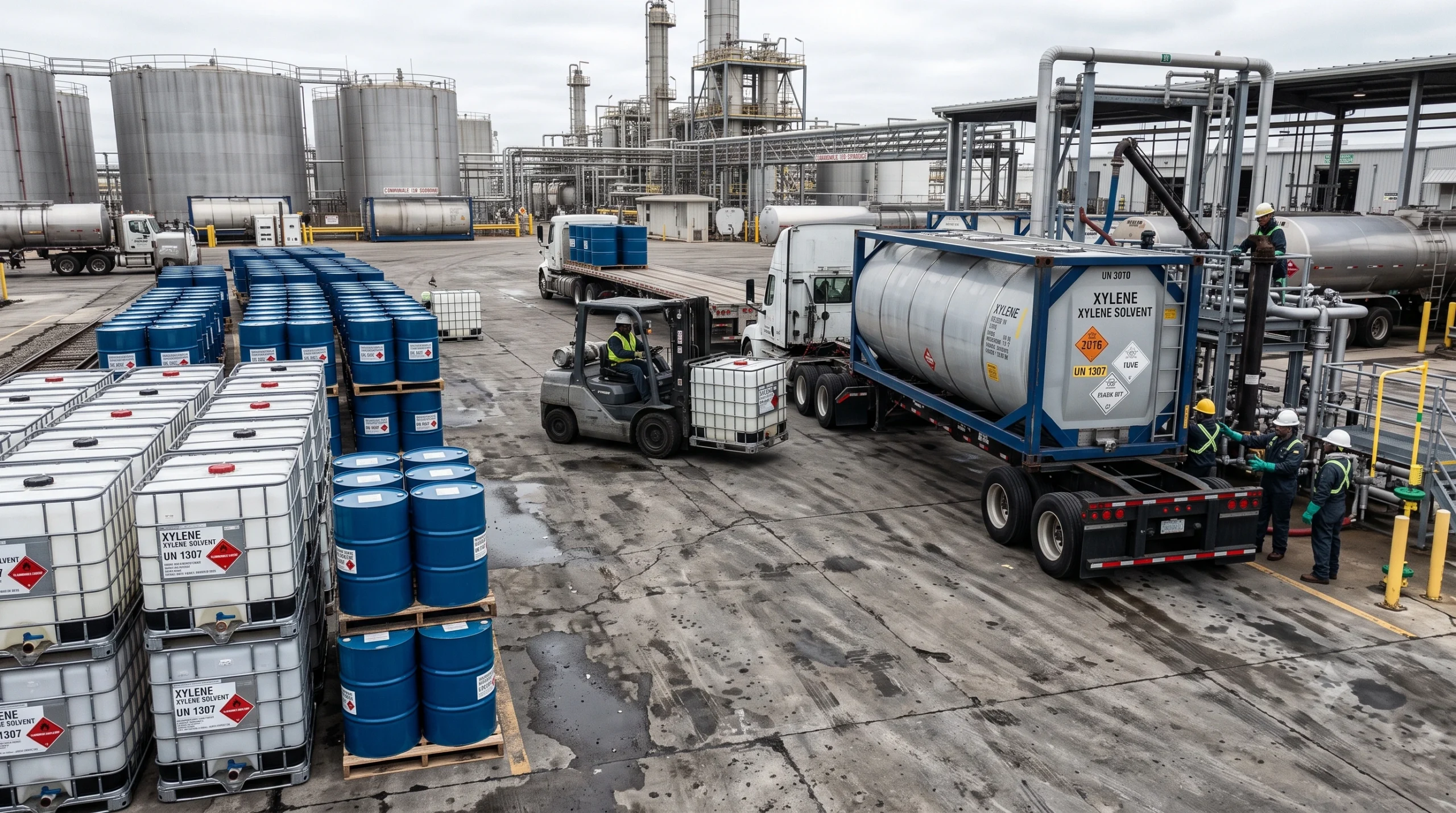


At a Glance
- Price: A bulk xylene quote depends on material specification, quantity, delivery location, freight, packaging, timing, and commercial terms. It is not simply a posted per-gallon number.
- Product identity: Confirm whether the requirement is for mixed xylene or a defined xylene product before requesting a quote.
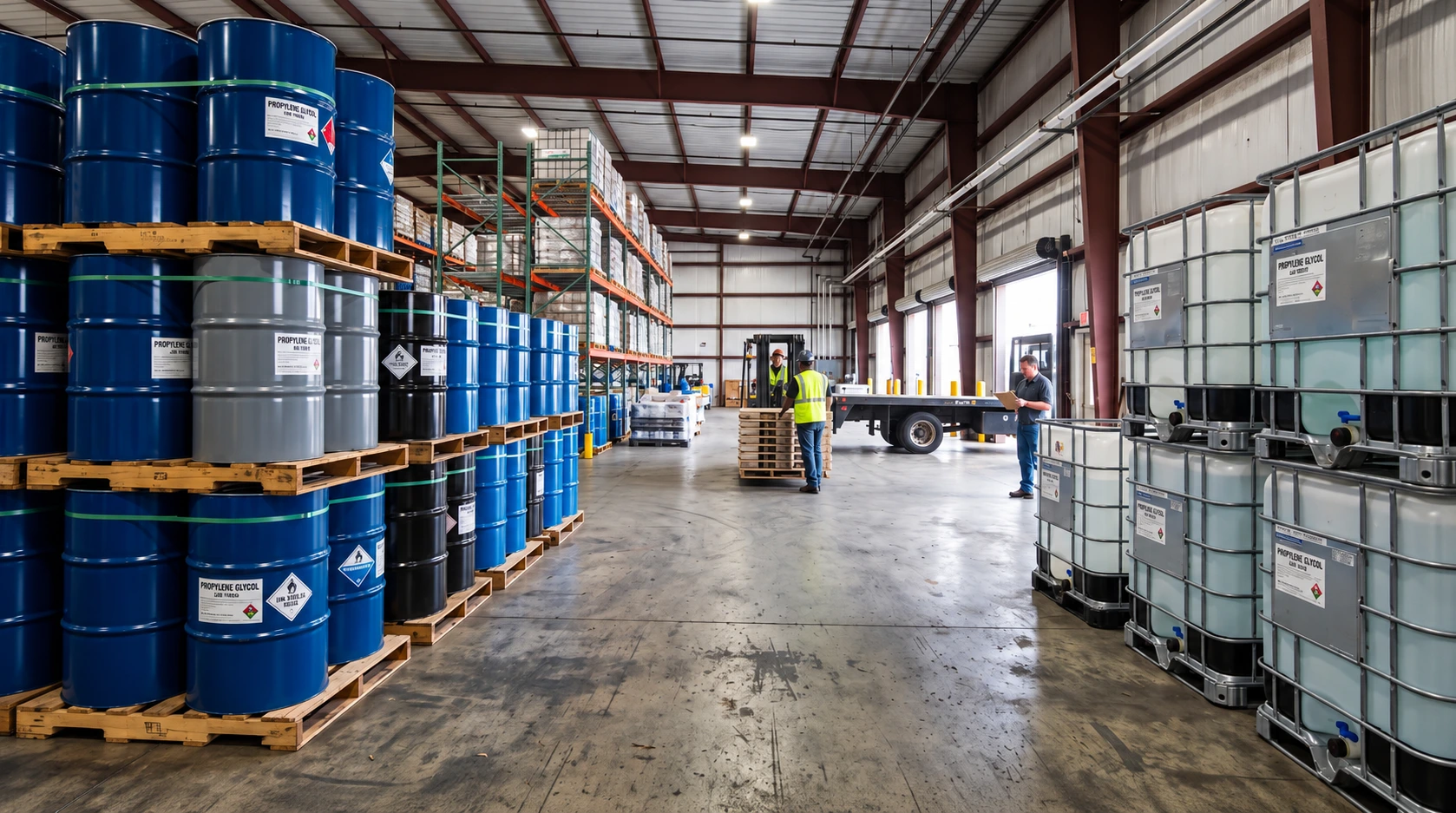
- Drums: May suit lower-volume, multi-site, pilot, or usage-flexibility needs, subject to supplier and site approval.
- IBCs: May be considered where intermediate-volume delivery and on-site liquid handling align with the buyer’s approved system.
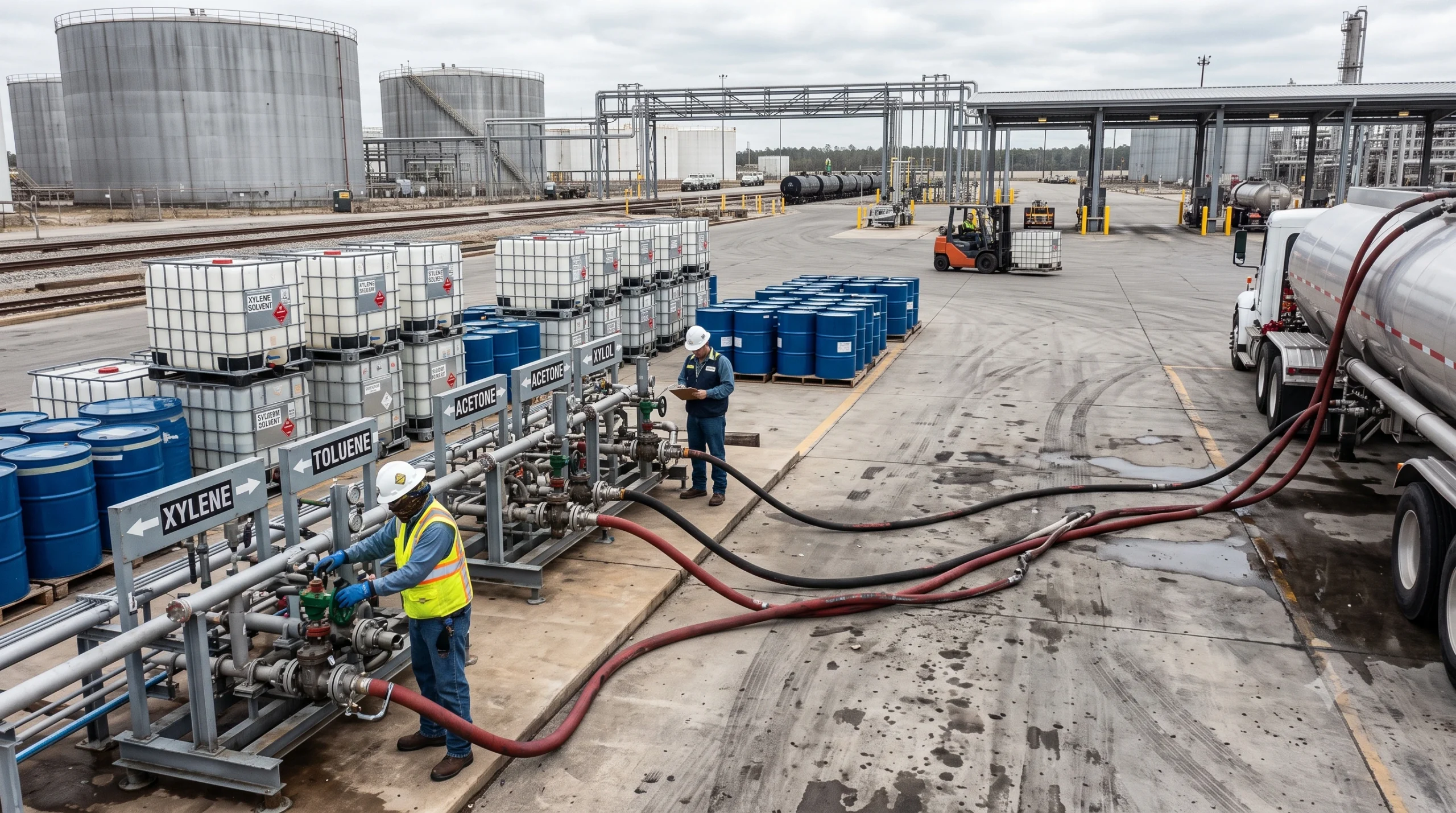
- Tankers: May be evaluated for larger recurring demand where unloading capability, receiving infrastructure, and transport requirements are approved.
- Next step: Submit the application, specification, annual volume, delivery-format preference, and US destination so the supplier can assess fit.
What you’ll learn
This guide explains how to request a decision-ready bulk xylene quote, compare drums, IBCs, and tanker delivery at a planning level, and verify product and documentation requirements before purchase.
Introduction
“Bulk xylene” is a useful starting phrase, but it is not a complete purchase requirement. A supplier needs to know which xylene product is required, how it will be used, the volume and delivery location, the preferred delivery format, and the documents needed for technical and site approval.
The right decision combines material identification, intended application, receiving capability, and delivered-cost requirements. A public xylene price per gallon does not establish what a particular buyer will pay because it may exclude the specification, freight, packaging, destination, and commercial terms that determine a usable industrial quote.
What should a US buyer provide for an accurate bulk xylene quote?
A US buyer should provide the product identity or approved specification, intended application, annual and per-delivery volume, destination ZIP code or state, document requirements, and desired delivery window. If the buyer has a preferred format, such as drums, IBCs, or a bulk-delivery route, that should also be stated.
The supplier must then confirm whether the proposed material, packaging, delivery route, and documentation can support the request. Packaging and delivered-price suitability should never be assumed from a generic product listing.
A complete request includes:
- Required xylene product or specification
- Intended application and internal acceptance criteria
- Annual demand and expected delivery cadence
- Preferred delivery format, if known
- Delivery ZIP code, state, and receiving constraints
- Required SDS, COA, specification, or customer documents
- Desired delivery timing and commercial terms
This information converts a broad price enquiry into a sourcing-ready request. It also gives procurement a consistent basis for comparing suppliers.
Define the xylene requirement before comparing suppliers
Xylene is often used as a broad commercial term, while technical and procurement requirements may be more specific. Product identification must be resolved before price, packaging, or delivery format is compared.
Xylene, mixed xylene, and individual isomers
Xylene and xylol are commonly used terms for aromatic solvent materials. However, a buyer may need mixed xylene or a defined isomer such as o-xylene, m-xylene, or p-xylene. These materials should not be treated as interchangeable without an approved specification and technical review.
Mixed xylene is a commercial material category, while individual isomers may be required for different chemical-intermediate or process needs. The buyer should use its approved specification, incumbent-product information, or customer requirement to define the material before an RFQ is issued.
Review Xylene product quote requirements and Xy mix product information for relevant product-entry points. These pages support supplier discussions but do not replace confirmation of the buyer’s exact product requirement.
For buyers still choosing among solvent families, see compare industrial solvent options [Xylene vs Toluene vs Acetone vs Xylol: Solvent Comparison for Paint, Coatings & Industrial Cleaning].
Application and quality requirements to confirm
The intended use affects the sourcing conversation. Paints, coatings, adhesives, sealants, cleaning, printing, rubber, leather, and chemical-intermediate processes may each require different product, quality, and document reviews.
Before requesting a quote, confirm the internal specification or benchmark material, the required COA parameters, customer approvals, and any formulation or process restrictions. Do not assume that a material suitable for one solvent use is approved for another.
Where an adjacent-solvent evaluation is needed, acetone sourcing requirement details can support product discovery. It should not be read as evidence that acetone and xylene are interchangeable.
What determines bulk xylene price in the USA?
There is no universal bulk xylene price that applies across industrial purchases. Search results may show retail listings, marketplace offers, generic package prices, or non-US product pages. None of these establishes a comparable delivered industrial price.
The commercial quote depends on the product type and specification, quantity, purchase cadence, package or delivery format, origin, destination, freight, timing, requested documents, payment terms, and other commercial conditions. A quote is useful only when those inputs are stated clearly.
Do not compare supplier prices until the product specification and delivered basis are aligned. A lower material price can become a higher total purchase cost if the offer excludes freight, appropriate packaging, documents, destination handling, or a required delivery term.
How to compare xylene quotes fairly
Use a consistent worksheet for every technically eligible offer. A blank or unclear field should be treated as a qualification gap, not as a match to another supplier’s quote.
| Quote-comparison factor | Supplier quote A | Supplier quote B | Buyer verification |
|---|---|---|---|
| Product identity and specification | |||
| Quantity basis | |||
| Packaging or delivery format | |||
| Delivered location | |||
| Freight basis | |||
| Documentation included | |||
| Timing assumption | |||
| Payment and commercial terms |
The final comparison should focus on total delivered cost for technically equivalent material. It should not use a generic per-gallon figure as the sole decision criterion.
Drums vs IBCs vs tankers: select the right delivery format
The right delivery format depends on demand profile, receiving capability, storage capacity, internal handling, empty-container process, and supplier confirmation. A buyer should evaluate these factors with operations and EHS before assuming a particular packaging route is available or appropriate.
Drums
Drums may be considered when the buyer needs lower-volume purchasing, flexibility across locations, or an option that fits the site’s existing handling setup. They may also be relevant where inventory is used in smaller batches or where bulk unloading infrastructure is not part of the approved process.
However, drums also create questions about warehouse footprint, manual or mechanical handling, empty-container management, and per-delivery cost. The supplier and receiving site should confirm the product, packaging route, documents, and practical suitability before approval.
IBCs
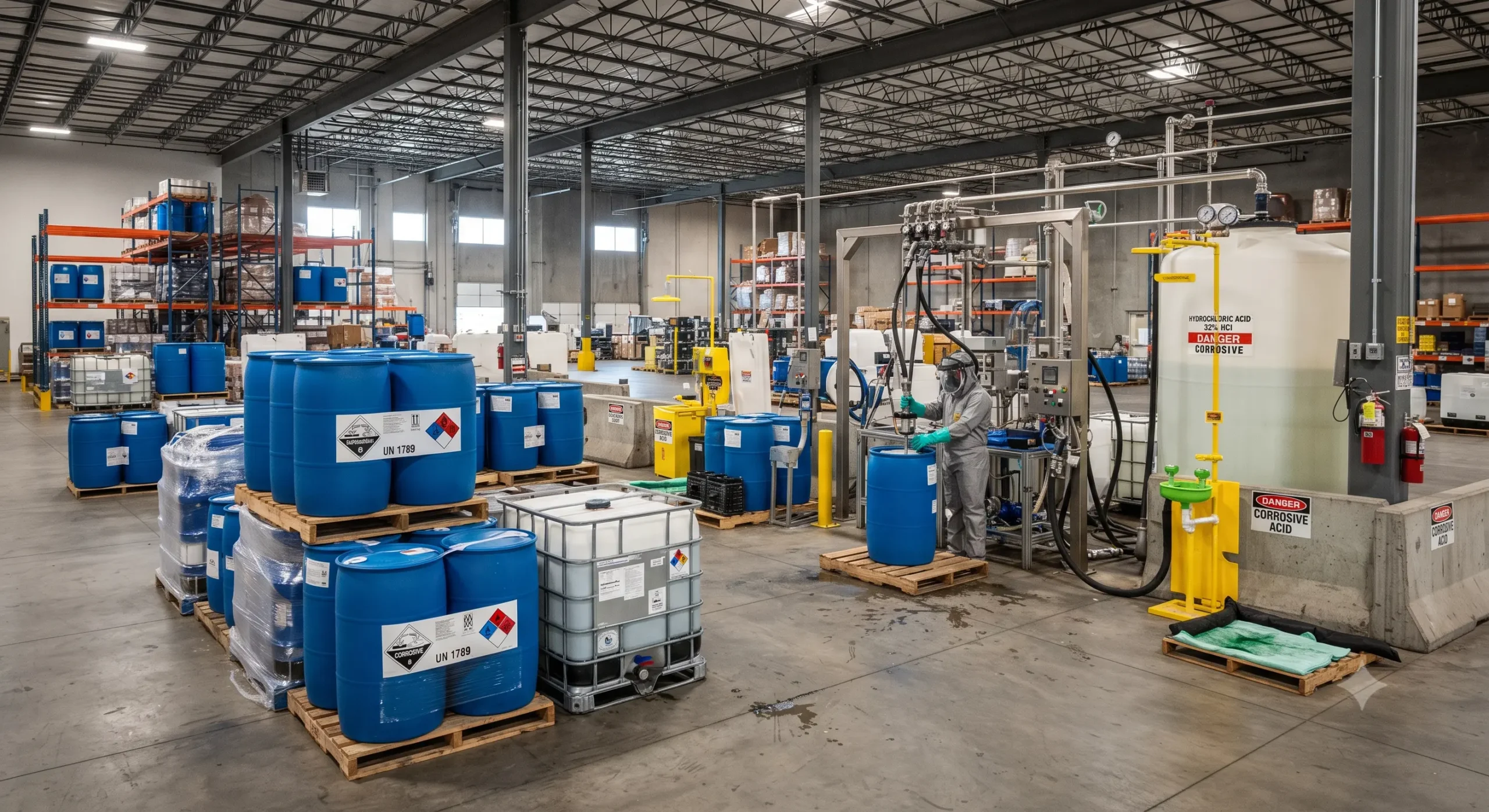
IBCs may be evaluated for intermediate-volume demand where the buyer has approved dispensing, containment, storage, and handling arrangements. This route may offer a different operating profile from drums or tanker delivery, but it still requires a site-specific decision.
The buyer should assess storage footprint, dispensing controls, return or disposal process, receiving access, and the consistency of the planned delivery cadence. Do not assume that an IBC route is available from every supplier or appropriate for every xylene requirement.
Tanker delivery
Tanker delivery may be evaluated when demand is recurring and high enough to justify a bulk-delivery conversation. The receiving site must have approved storage, unloading, scheduling, transport access, inventory planning, and EHS controls before this route is considered.
A tanker route should not be selected merely because it appears to lower the quoted unit price. The buyer must confirm the complete delivered-cost basis, receiving readiness, delivery schedule, and supplier capability for the exact product and destination.
Packaging-selection matrix
Use this matrix to structure the internal discussion. It identifies what must be verified rather than prescribing a delivery route.
| Buyer condition | Drums | IBCs | Tanker delivery | Site or supplier confirmation |
| Per-delivery demand | Assess volume fit | Assess volume fit | Assess recurring volume fit | Approved shipment basis |
| Storage capacity | Warehouse space required | Dedicated footprint required | Bulk-storage review needed | Site capacity and controls |
| Dispensing or unloading setup | Site-handling review | Dispensing review | Unloading review | Equipment and EHS readiness |
| Delivery frequency | Flexible scheduling review | Cadence review | Scheduled bulk review | Supplier capability |
| Empty-container process | Container-management review | Return or disposal review | Not applicable in same way | Site process |
| Delivered-cost evaluation | Compare full quote | Compare full quote | Compare full quote | Equivalent commercial scope |
Specifications and documents to request before purchasing xylene
Documents should be requested before commercial approval, not after an order is placed. The exact package depends on the product, destination, customer requirements, and end use.
At a minimum, buyers should identify whether they need a current SDS, product specification sheet, COA format, batch or lot traceability, producer or origin details, transport documents, and customer-specific quality or compliance questionnaires. The supplier should confirm which records can be provided for the proposed material and route.
A COA requirement should be connected to the buyer’s actual specification. Do not request a generic certificate without first establishing which product attributes the process or customer requires.
EHS and transport review: a procurement checkpoint, not an afterthought
Xylene is a flammable liquid. NIOSH describes xylene as colourless and flammable and advises employers to use chemical labels and accompanying SDSs as part of workplace hazard management. NIOSH xylene safety overview provides high-level US occupational-safety context.
This article does not provide storage, transport, PPE, exposure-control, or emergency-response procedures. Buyers should review the supplier’s current SDS, site policies, carrier requirements, and applicable regulations with qualified EHS and operations personnel.
OSHA’s Hazard Communication Standard requires manufacturers and importers to prepare hazard information through labels and SDSs, while employers must make that information available to exposed workers. OSHA hazard communication standard is a useful starting point for reviewing those responsibilities.
Bulk xylene buyer checklist
A complete buyer checklist reduces the risk of comparing the wrong material or accepting an incomplete quote. Use it before an RFQ is issued and again before commercial approval.
- Confirm the product identity and intended application.
- Gather the internal specification or incumbent-product details.
- Define annual demand and preferred delivery cadence.
- Assess delivery-format options with operations and EHS.
- Confirm delivery ZIP code, receiving hours, and site access.
- List required documents and quality approvals.
- Request quotes on the same delivered basis.
- Review the quote, specification, and documents before purchase approval.
Request a bulk xylene quote from Elchemy
A useful enquiry states the product or specification, intended application, annual and per-delivery volume, delivery-format preference, ZIP code or state, timing, and document requirements. This information lets the supplier determine whether the proposed route fits the buyer’s actual need.
For wider category context, browse industrial chemical intermediates and review North America chemical supply support. To start a commercial discussion, request a bulk xylene quote with your product, volume, packaging, and delivery requirements.
FAQs
1. What information affects the price of bulk xylene?
Bulk xylene pricing depends on the exact material, specification, quantity, delivery format, freight, destination, timing, documents, and commercial terms. A retail listing or generic price per gallon does not establish the cost of a delivered industrial quote. Compare only offers with equivalent product and delivery scope.
2. Is xylene the same as xylol?
Xylene and xylol are commonly used terms for closely related aromatic solvent materials. However, the commercial request still needs a defined product identity. Confirm whether the requirement is mixed xylene or a particular isomer before comparing supplier offers or approving a specification.
3. Should I buy xylene in drums, IBCs, or by tanker?
The right option depends on volume, delivery cadence, storage space, handling equipment, unloading capability, empty-container process, and site approval. Drums, IBCs, and tanker delivery should be evaluated as planning options. Supplier availability and suitability must be confirmed for the exact product and destination.
4. What is mixed xylene?
Mixed xylene is a commercial xylene material that may contain a blend of xylene isomers and other components depending on its specification. It should not be assumed to meet the same requirement as a defined individual isomer. Confirm the current supplier specification and COA requirements before approval.
5. What documents should I request from a xylene supplier?
Request the current SDS, specification sheet, representative COA format, traceability information, and any documents required by your customer, quality system, destination, or receiving site. Confirm the documentation package during the RFQ stage so it matches the proposed product and delivery route.
6. Can I compare xylene quotes using price per gallon alone?
No. Price per gallon does not show whether quotes have the same product specification, quantity, delivery term, freight basis, packaging, destination, document package, or timing. Compare total delivered cost only after the technical and commercial basis is aligned.
7. Is xylene flammable?
Yes. NIOSH identifies xylene as a flammable liquid. The operational response must be determined by the current product SDS, site EHS programme, transport requirements, and applicable regulations. This guide does not replace site-specific storage, handling, or emergency procedures.
Conclusion
Bulk xylene procurement works best when the buyer treats the request as a combined product, logistics, documentation, and delivered-cost decision. Confirm whether the need is for mixed xylene or a defined product, then document the application, quality requirements, expected volume, destination, and delivery-format considerations. Compare drums, IBCs, and tanker delivery only after operations and EHS have reviewed receiving capability and supplier suitability. Finally, request equivalent quotes with the same product and delivery basis, rather than relying on a generic price per gallon. For a commercial assessment, request a bulk xylene quote with your requirements.