

At a Glance
- Cetyl alcohol is a fatty alcohol emollient that softens skin and stabilizes oil-water emulsions
- Xanthan gum is a bacterial-fermented polysaccharide that thickens water-based formulations
- Cetyl alcohol used at 1-6% provides rich, creamy texture to lotions and creams
- Xanthan gum at 0.2-0.5% creates gel-like consistency without greasy feel
- Cetyl alcohol melts at 49°C, blending into oil phase during formulation
- Xanthan gum disperses in water or glycerin at room temperature
- Many formulations use both together—cetyl alcohol for emollient properties, xanthan for stability
- Over 3% cetyl alcohol can cause “soaping” while high xanthan creates sticky, slimy texture
Look at any moisturizer ingredient list and you’ll probably spot both cetyl alcohol and xanthan gum. These two ingredients appear together so often that people assume they do the same thing. They don’t. While both thicken formulations, they work through completely different mechanisms and serve distinct purposes. Understanding when to use each one—or both together—makes the difference between a product that feels amazing and one that sits unused on the shelf.
The confusion makes sense because cosmetic chemistry isn’t intuitive. An ingredient called “alcohol” that actually moisturizes? A food additive that stabilizes face cream? Neither behaves the way its name suggests. Learning what cetyl alcohol and xanthan gum actually do helps explain why formulators rely on them so heavily and why they complement each other so well in finished products.
Understanding Cetyl Alcohol and Xanthan Gum
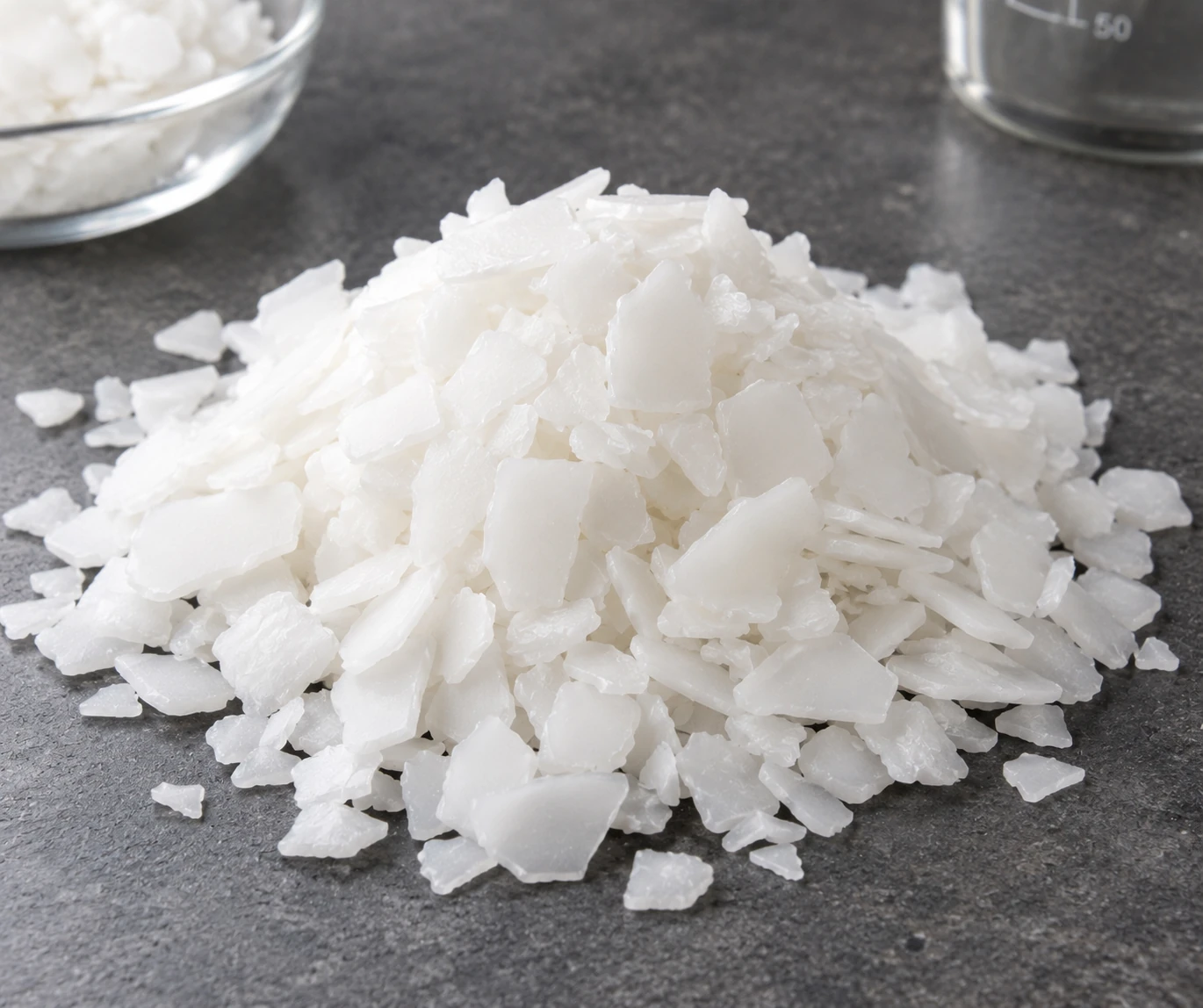
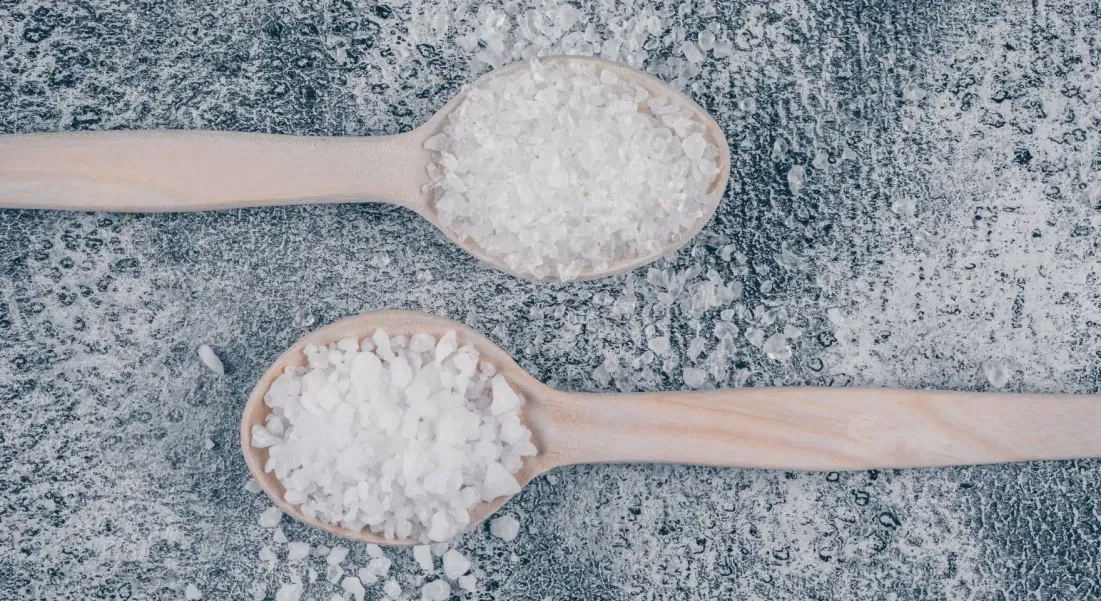
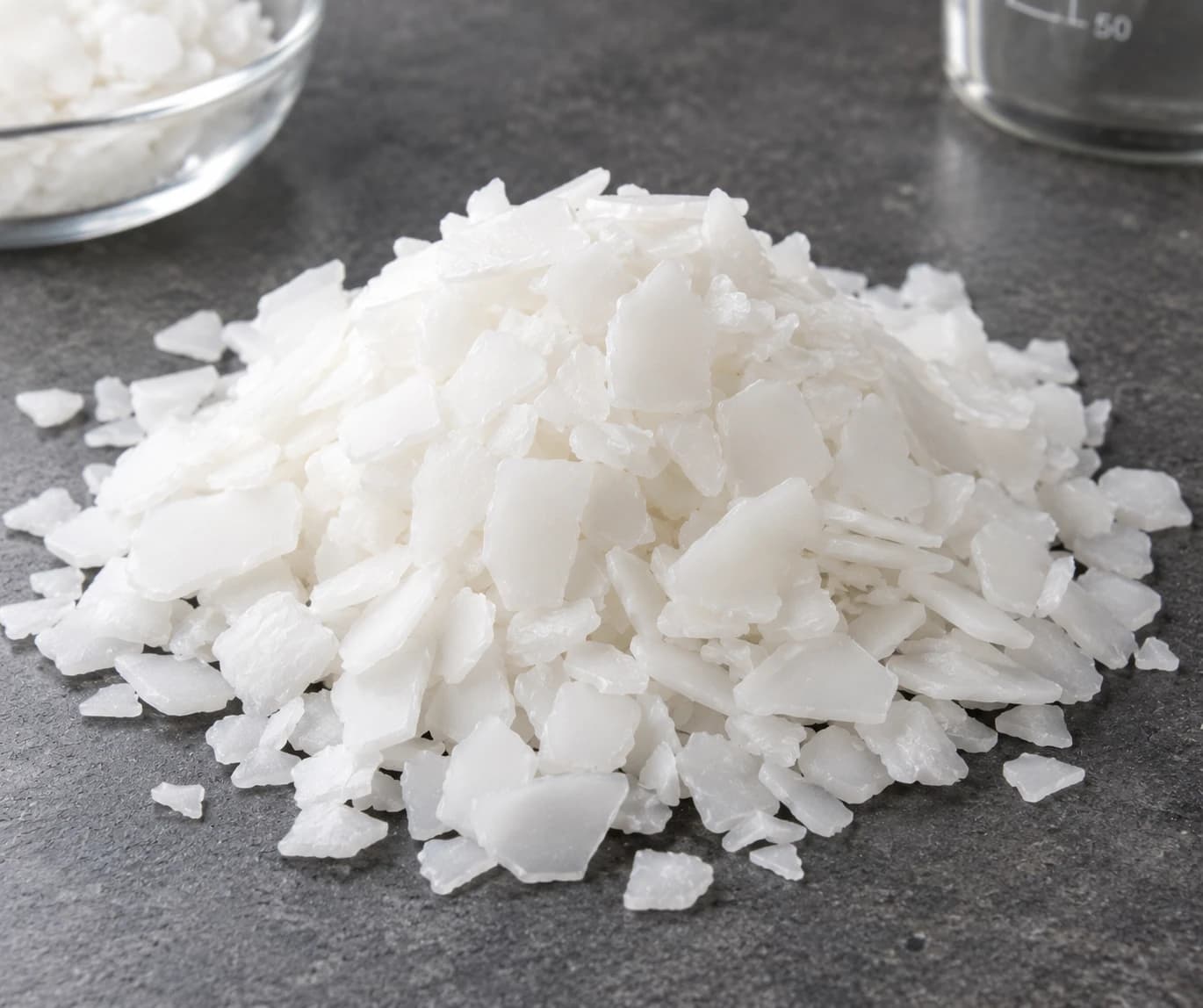
Cetyl alcohol (also called palmityl alcohol or 1-hexadecanol) is a fatty alcohol with 16 carbon atoms in its chain. Despite “alcohol” in its name, it bears zero resemblance to drying alcohols like ethanol or isopropyl alcohol. This waxy white solid melts at 49.3°C and functions primarily as an emollient—softening and smoothing skin while helping oil and water ingredients stay mixed in creams and lotions.
The compound originates from natural sources like coconut or palm oil through hydrogenation of palmitic acid. Its amphiphilic structure—one end loves water while the other loves oil—makes it valuable for stabilizing emulsions. When melted into the oil phase of a cream, cetyl alcohol positions itself at oil-water boundaries, preventing separation while contributing rich, silky texture.
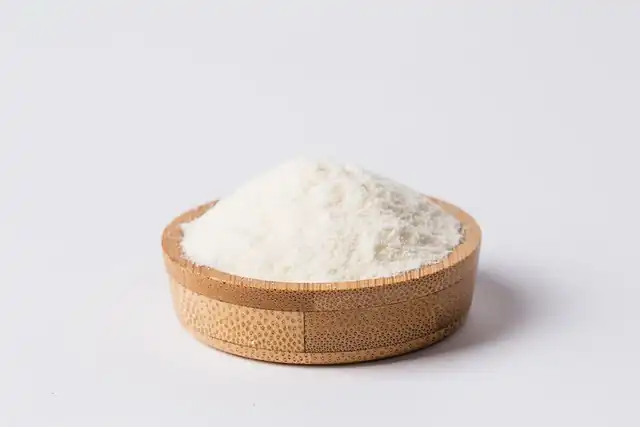
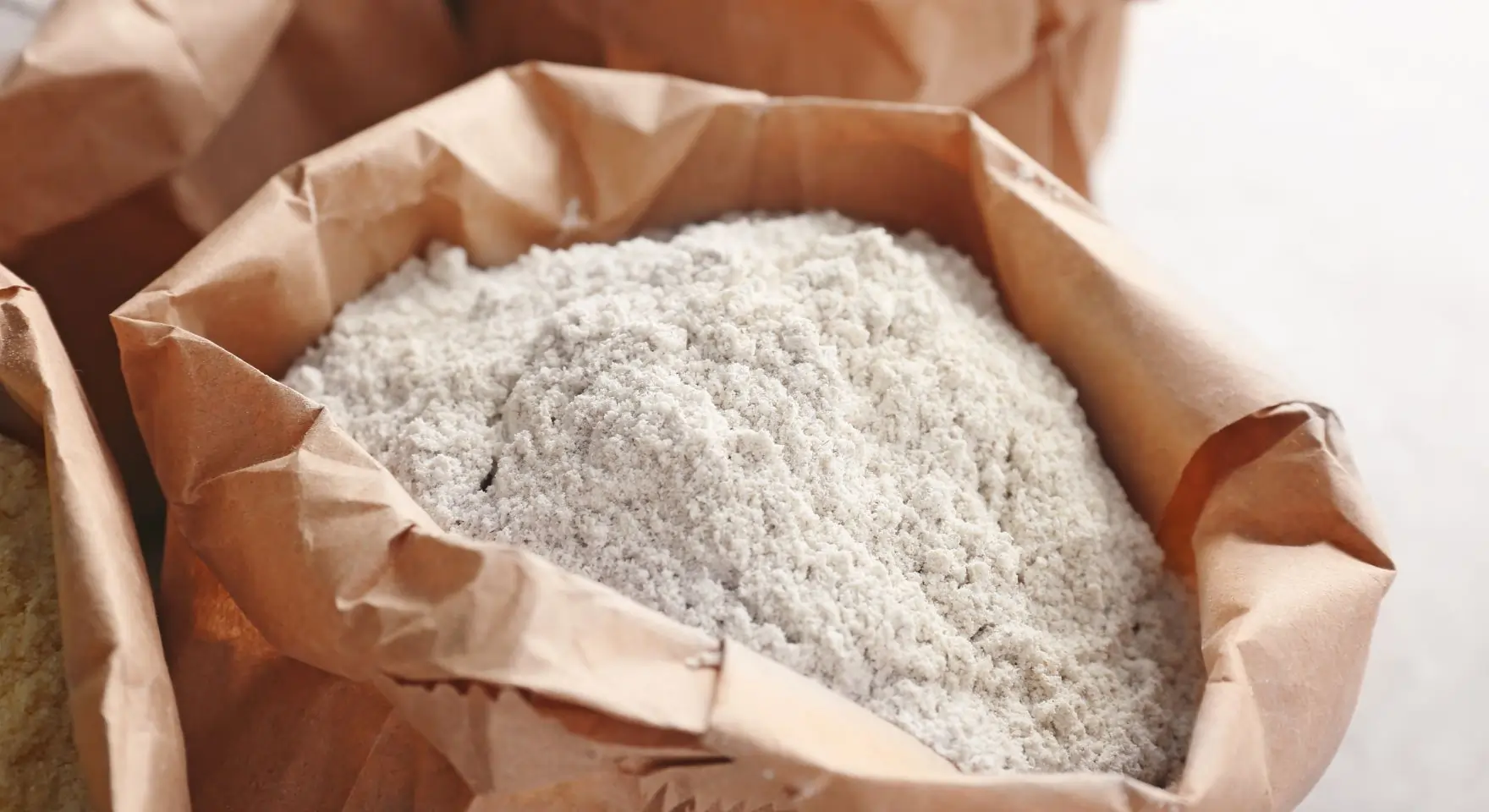
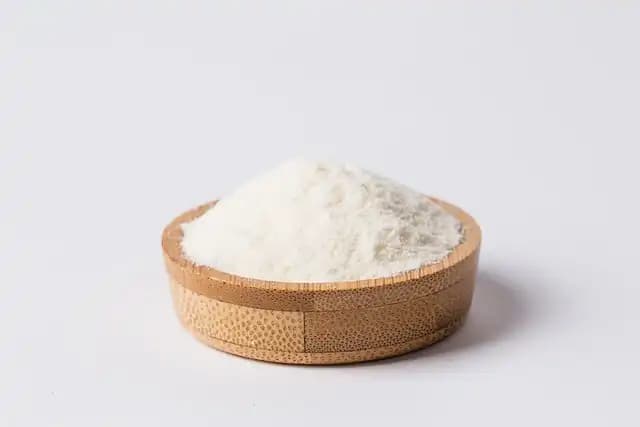
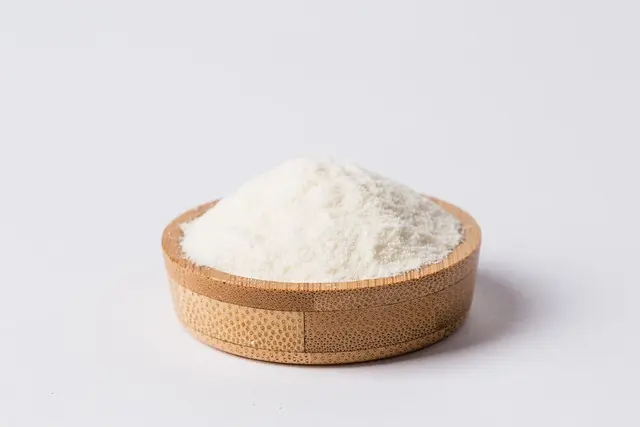
Xanthan gum is a completely different animal—literally produced by bacteria. This polysaccharide forms when Xanthomonas campestris bacteria ferment simple sugars. The resulting powder swells dramatically in water, creating viscous solutions at remarkably low concentrations. Just 0.3% xanthan gum can transform thin liquid into spreadable gel.
What makes xanthan gum special is its pseudoplastic behavior—it thins when stressed (shear thinning) but thickens again when stress stops. Spread it on your skin and it flows smoothly. Stop rubbing and it holds its shape. This property makes xanthan ideal for lotions that need to pour from bottles yet stay where applied without running.
Cetyl Alcohol vs Xanthan Gum – Key Differences
Comparing these ingredients side by side reveals why formulators choose one over the other for specific functions, or combine both to leverage their complementary strengths.
| Property | Cetyl Alcohol | Xanthan Gum |
| Chemical Type | Fatty alcohol (lipid) | Polysaccharide (carbohydrate) |
| Origin | Coconut/palm oil hydrogenation | Bacterial fermentation |
| Physical Form | White waxy solid | Fine powder |
| Solubility | Oil-soluble | Water-soluble |
| Processing | Heated and melted (oil phase) | Dispersed cold (water phase) |
| Primary Function | Emollient, emulsion stabilizer | Thickener, suspension agent |
| Skin Feel | Soft, smooth, slightly waxy | Can feel sticky if overused |
| Typical Use Level | 1-6% | 0.2-0.5% |
| Texture Contribution | Creamy, rich body | Gel-like viscosity |
Chemical Structure and Origin
Cetyl alcohol’s 16-carbon straight chain with a hydroxyl group at one end classifies it as a long-chain fatty alcohol. This structure makes it behave like oils and waxes—melting when heated, blending with other lipids, and providing emollient properties to skin. The hydroxyl group provides just enough water-affinity to help stabilize oil-water interfaces without making cetyl alcohol water-soluble.
Natural sourcing appeals to clean beauty brands. Cetyl alcohol derived from coconut or sustainable palm sources meets natural and organic certification requirements. Some manufacturers produce it synthetically from petroleum, but the plant-derived versions dominate cosmetic applications where natural claims matter.
Xanthan gum’s complex branched-chain polysaccharide structure contains glucose, mannose, and glucuronic acid units. The backbone resembles cellulose but with trisaccharide side chains that prevent molecules from packing tightly together. This open structure explains xanthan’s ability to hold massive amounts of water—the hydrated molecules create a network that immobilizes liquid.
Fermentation produces xanthan gum use corn, soy, or wheat sugars as feedstock for Xanthomonas bacteria. The process involves aerobic fermentation, recovery through isopropyl alcohol precipitation, drying, and milling to consistent particle size. Different grades provide varying levels of viscosity, transparency, and ease of dispersion.
Primary Functions in Formulations
Cetyl alcohol serves multiple roles depending on formulation context. As an emollient, it softens and conditions skin by filling microscopic cracks and smoothing rough texture. This leaves skin feeling silky rather than greasy—a key distinction from oils that sit on the surface. Hair care products use cetyl alcohol for similar smoothing effects on hair shafts.
The stabilizing function matters just as much. In oil-in-water emulsions (lotions and creams), cetyl alcohol molecules orient at droplet surfaces with lipophilic tails toward oil and hydrophilic heads toward water. This arrangement reduces interfacial tension and forms protective barriers preventing oil droplets from merging back together. The result is stable emulsions that don’t separate during storage.
Viscosity building represents cetyl alcohol’s third major function. Adding 2-5% cetyl alcohol noticeably thickens creams and lotions, creating body and substance. However, exceeding 3% risks “soaping”—formation of soap-like consistency when fatty alcohols combine with alkaline ingredients. Formulators balance concentration against desired thickness and potential soaping.
Xanthan gum focuses primarily on thickening and suspending. Its water-phase thickening complements emulsifier systems by preventing water and oil phases from separating through different mechanisms. While emulsifiers work at interfaces, xanthan immobilizes the water phase itself, reducing droplet movement and coalescence. This dual approach creates more stable emulsions than either ingredient alone.
The suspension capability proves valuable for products containing pigments, glitter, or active ingredient particles. Xanthan gum keeps these suspended uniformly rather than settling to container bottoms. The shear-thinning property means products dispense easily despite high viscosity when undisturbed.
When to Use Each Ingredient
Choosing between cetyl alcohol and xanthan gum—or using both—depends on formulation goals, product format, and desired sensory properties.
Use cetyl alcohol when you need:
- Rich, creamy body in lotions and creams with oil phases
- Emollient properties to soften skin and improve feel
- Stability in emulsions containing significant oil content
- Thick body butters or heavy creams for very dry skin
- Hair conditioners requiring smoothing and detangling
- Formulations where waxy texture is acceptable or desired
Use xanthan gum when formulating:
- Water-based gels without oil phases
- Light lotions where greasiness must be avoided
- Serums requiring thickening without emollient properties
- Natural formulations where plant-derived thickeners are preferred
- Products needing particle suspension (scrubs, glitter gels)
- Formulations where shear-thinning flow behavior benefits application
Cetyl Alcohol Applications
Face and body creams represent cetyl alcohol’s primary application. At 2-4% concentration combined with emulsifying wax, it creates those rich moisturizers that feel substantial and luxurious. The emollient properties complement occlusives and humectants, creating multi-functional moisture systems that address dry skin through several mechanisms simultaneously.
Hair conditioners rely heavily on cetyl alcohol for detangling and smoothing. When applied to wet hair, it coats hair shafts reducing friction between strands. This makes combing easier while adding shine and manageability. Concentrations of 1-3% work well in rinse-off conditioners, while leave-in products use lower amounts to avoid buildup.
Cleansing balms and makeup removers use cetyl alcohol to create solid-to-oil textures. The waxy solid melts at skin temperature, transforming into oil that dissolves makeup and sunscreen. This texture transformation feels luxurious while effectively removing stubborn products. Concentrations of 5-10% combined with oils and emulsifiers create ideal cleansing balm consistency.
Xanthan Gum Applications
Water-based gels showcase xanthan gum’s thickening without adding oils. Aloe vera gels, hyaluronic acid serums, and water-based facial gels all use xanthan at 0.2-0.5% to create spreadable consistency. The clear, slightly tacky gel absorbs into skin without leaving greasy residue—perfect for oily skin types or hot weather formulations.
Shampoos and body washes incorporate xanthan gum to increase viscosity and improve suspended particle stability. Most use 0.2-0.3% combined with salt thickening to achieve desired flow properties. The pseudoplastic behavior means products flow during dispensing but don’t run off hands or hair too quickly during application.
Natural and organic formulations favor xanthan gum because it’s biodegradable, plant-derived (bacteria use plant sugars), and accepted by most organic certifiers. Combined with other natural gums like guar or sclerotium, it creates effective thickening systems without synthetic polymers. Concentrations of 0.3% xanthan blended with 0.3% sclerotium gum provide better feel than either alone.
Using Both Together
Many successful formulations combine cetyl alcohol and xanthan gum to leverage their complementary properties. Cetyl alcohol works in the oil phase providing emollient properties and emulsion stabilization. Xanthan gum thickens the water phase and enhances overall stability. Together they create superior textures and performance compared to using either alone.
Typical combination formulas might include 2-4% cetyl alcohol in the oil phase with 0.2-0.3% xanthan gum in the water phase. This pairing creates stable, creamy lotions with rich texture that still absorb well without excessive greasiness. The cetyl alcohol provides richness while xanthan prevents separation and adds elegant flow properties.
One formulation example shows 788.5g water, 30g glycerin, 2g xanthan gum, 100g oils, 5g cetyl alcohol, plus emulsifiers and preservatives producing 1kg finished cream. The 5g cetyl alcohol (0.5%) provides structure and emollient properties while 2g xanthan gum (0.2%) thickens the water phase and enhances stability. This ratio creates light yet moisturizing texture suitable for daily use.
Processing matters when combining both ingredients. Cetyl alcohol must be melted into the oil phase at 70-75°C. Xanthan gum disperses best when first mixed with glycerin to form a slurry, then incorporated into water. The phases combine at elevated temperature with high-shear mixing to create stable emulsions that cool to final consistency.
Some cautions apply when using both. Cationic emulsifiers like BTMS may interact poorly with anionic xanthan gum. In these cases, substitute non-ionic guar gum or use specially modified xanthan grades compatible with cationic systems. Always check ingredient compatibility before combining different ingredient classes.
Concentration balance requires attention. Too much cetyl alcohol (over 5%) creates waxy feel. Excessive xanthan (over 0.5%) produces sticky, slimy texture. Finding the sweet spot where both ingredients enhance rather than overwhelm formulation takes testing and adjustment based on other formula components.
Conclusion
Cetyl alcohol and xanthan gum solve different formulation challenges through distinct mechanisms. Cetyl alcohol brings emollient softness, emulsion stability, and rich body to oil-containing products. Xanthan gum thickens water phases, suspends particles, and provides elegant flow without greasiness. Neither replaces the other—they complement each other when formulation requirements demand both emollient properties and water-phase thickening.
Understanding these differences helps formulators choose appropriate ingredients for specific product goals. Light summer lotions might skip cetyl alcohol entirely, relying on minimal xanthan for body. Rich winter creams emphasize cetyl alcohol with just traces of xanthan for stability enhancement. The key is matching ingredient selection to product positioning and performance targets.
Both ingredients have earned their place in cosmetic formulation through decades of proven performance, excellent safety profiles, and versatility across product types. As clean beauty and natural formulations grow in importance, both cetyl alcohol (plant-derived) and xanthan gum (fermentation-produced) meet the standards consumers and certifiers demand while delivering the functionality formulators require.
For manufacturers requiring cetyl alcohol, xanthan gum, or other specialty cosmetic ingredients with complete quality documentation, Elchemy’s technology-driven platform connects buyers with verified suppliers across global markets. Founded by IIT Bombay engineer Hardik Seth and IIT Delhi engineer Shobhit Jain, Elchemy provides transparent access to cosmetic-grade materials, technical specifications, and reliable supply chains supporting formulation development from concept through commercial production.