

The ingredient label on your favorite lotion reads “cetyl alcohol” and you wonder if you should be concerned. After all, alcohol dries out skin, right? This common misconception causes unnecessary worry about one of the cosmetics industry’s most useful and skin-friendly ingredients. Understanding is cetyl alcohol an emulsifier—and what else it does in formulations—reveals why this fatty alcohol appears in thousands of personal care products worldwide.
Cetyl alcohol belongs to a completely different chemical family than the drying alcohols found in hand sanitizers or rubbing alcohol. Derived from vegetable oils like coconut or palm, this waxy substance performs multiple functions in cosmetics, with emulsification being just one of its valuable properties. The confusion between drying alcohols and fatty alcohols like cetyl alcohol has persisted for years, but the chemistry tells a clear story about safety and function.
Is Cetyl Alcohol an Emulsifier?
The straightforward answer is yes, but with important qualifications. Cetyl alcohol functions as a co-emulsifier or emulsion stabilizer rather than a primary emulsifying agent. It assists in creating stable emulsions by helping prevent oil and water phases from separating, but it typically requires a true emulsifier working alongside it to create the initial emulsion.
In cosmetic chemistry, emulsifiers contain both hydrophilic (water-loving) and lipophilic (oil-loving) portions that position themselves at the oil-water interface, creating stable mixtures. Cetyl alcohol, with its long hydrocarbon chain and single hydroxyl group, possesses some of this dual nature but not strongly enough to emulsify effectively on its own.
How cetyl alcohol supports emulsification:
- Thickens the aqueous phase, slowing droplet movement
- Stabilizes existing emulsions created by primary emulsifiers
- Forms a protective layer around oil droplets
- Increases viscosity, mechanically preventing separation
- Works synergistically with emulsifiers like emulsifying wax or BTMS
Think of cetyl alcohol as the supporting actor rather than the star. A formulation using only cetyl alcohol without a primary emulsifier would likely separate. But add cetyl alcohol to a formula containing emulsifying wax, and the combination creates remarkably stable, luxurious creams and lotions.
The Chemistry Behind Cetyl Alcohol
Cetyl alcohol, also known as 1-hexadecanol or palmityl alcohol, consists of a 16-carbon chain with a single hydroxyl (-OH) group at one end. This structure classifies it as a fatty alcohol—a category completely different from the simple alcohols like ethanol that evaporate quickly and dry skin.
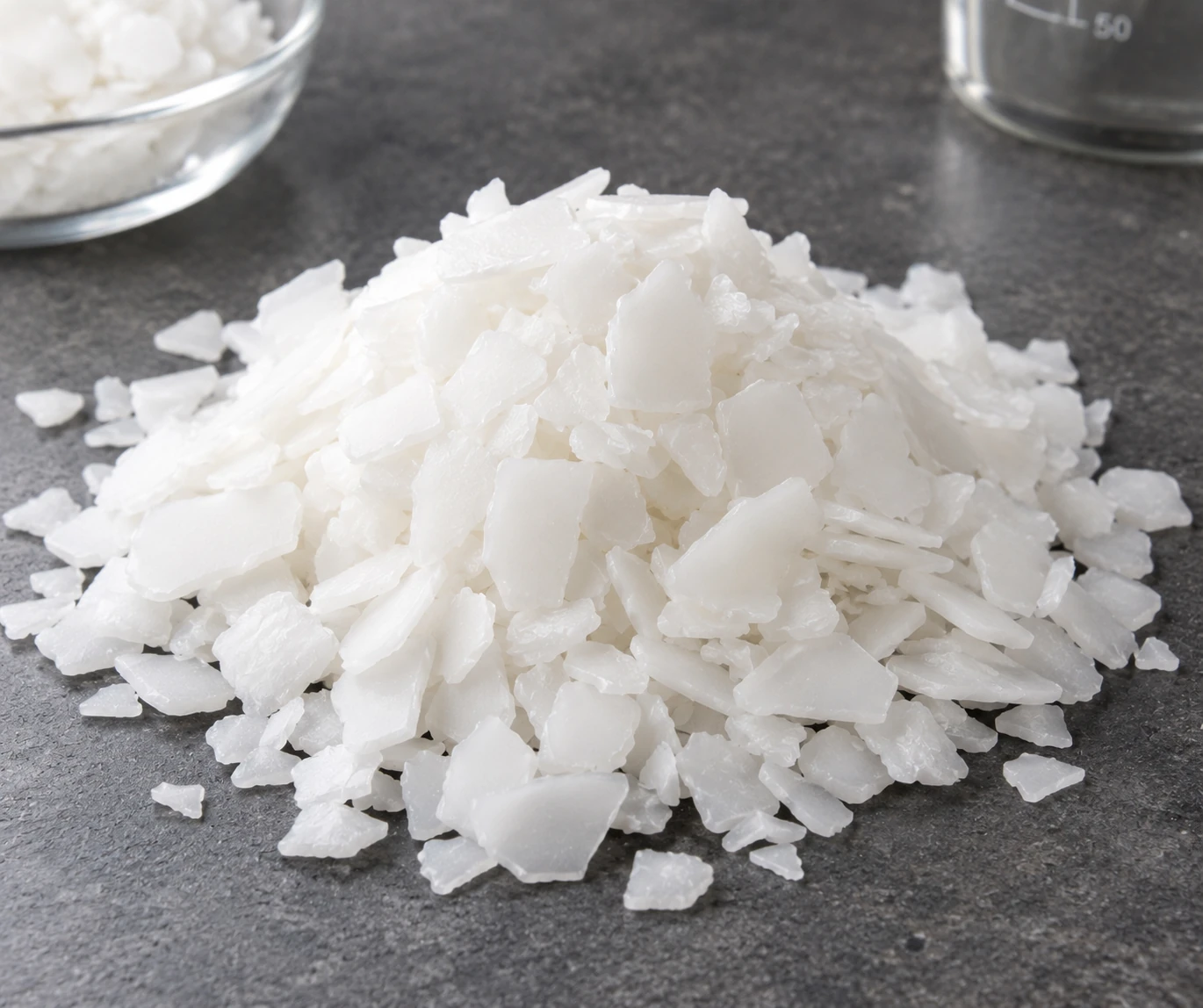
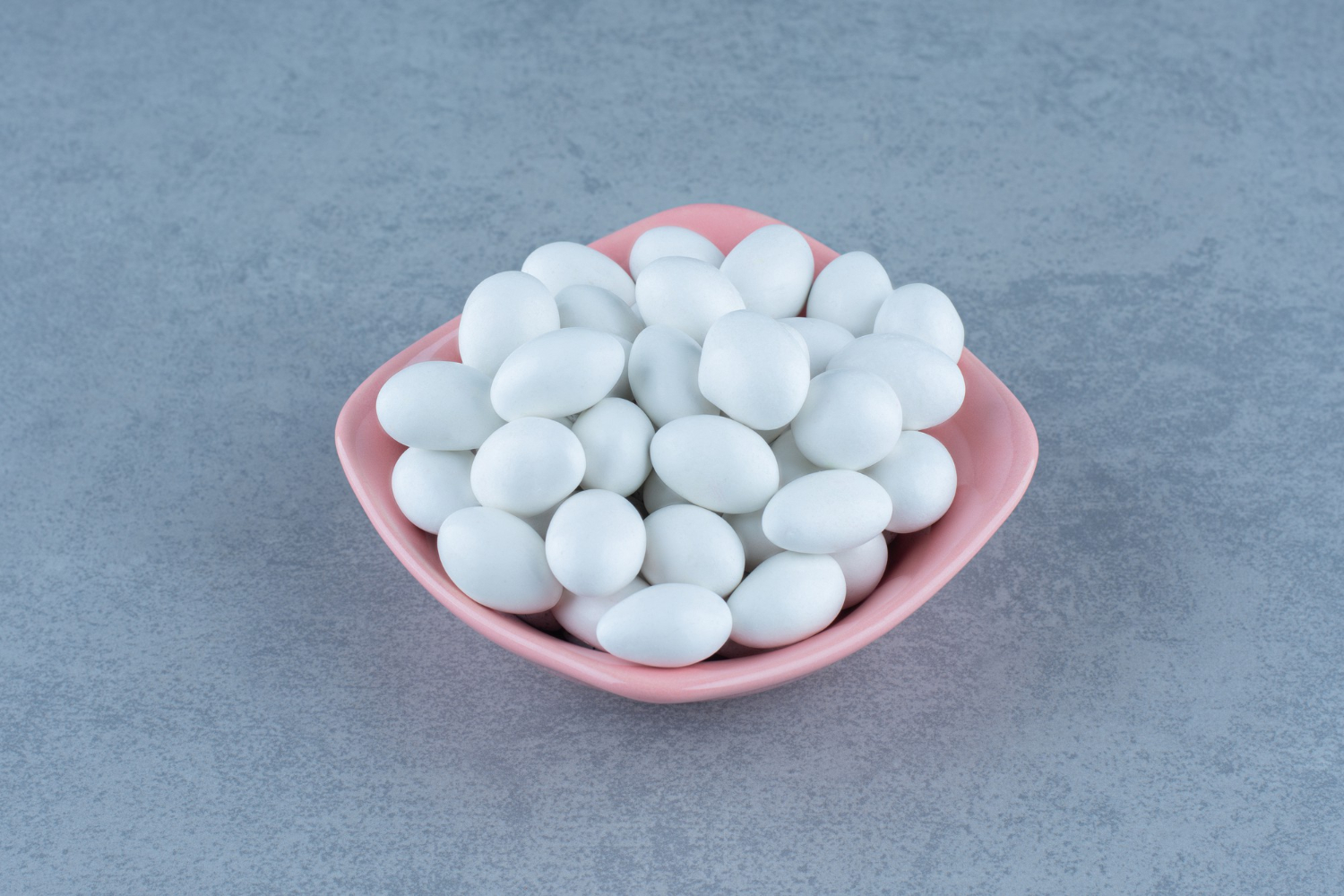
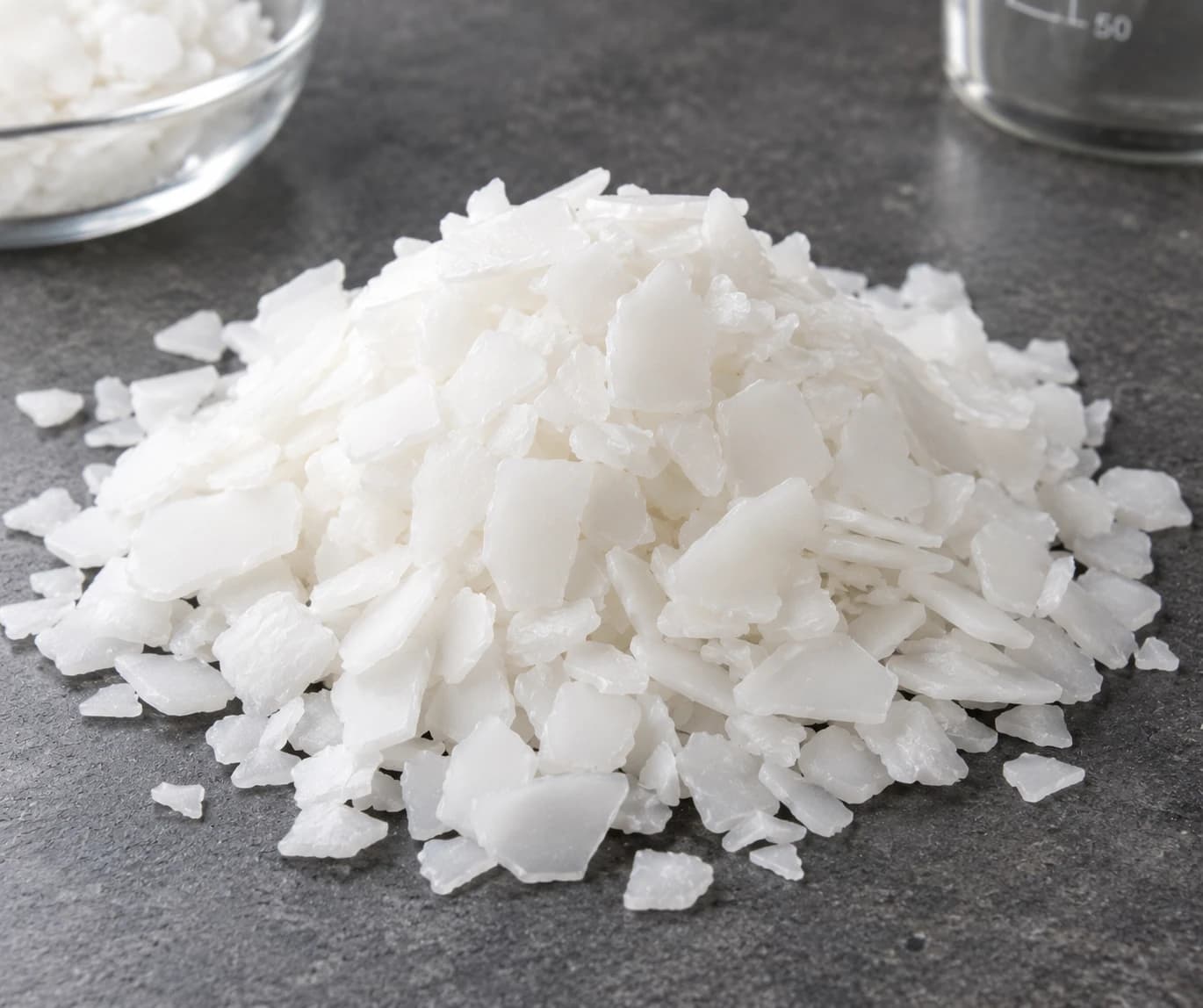
The compound appears as white flakes or pellets at room temperature, with a waxy texture. It melts at approximately 49-54°C (120-129°F), a property that proves useful in many formulations. This melting point sits well above body temperature, allowing products containing cetyl alcohol to maintain their structure during use.
Key physical properties:
| Property | Value |
| Molecular formula | C₁₆H₃₄O |
| Molecular weight | 242.44 g/mol |
| Melting point | 49-54°C (120-129°F) |
| Appearance | White flakes or pellets |
| Solubility | Insoluble in water, soluble in alcohol and oils |
| HLB value | ~15.5 (weak emulsifier) |
| Origin | Vegetable oils (palm, coconut) |
Production Methods
Modern cetyl alcohol production comes from plant-based sources rather than its historical origin in whale oil. Manufacturers hydrogenate palm or coconut oil fatty acids, then fractionally distill the resulting alcohols to isolate cetyl alcohol from other fatty alcohols like stearyl alcohol.
The sustainability of palm-derived cetyl alcohol has become increasingly important. Responsible suppliers source from RSPO-certified sustainable palm oil to ensure production doesn’t contribute to deforestation or habitat destruction. This ethical sourcing matters to brands creating “clean” or “sustainable” beauty products.
Multifunctional Benefits in Personal Care Products
Cetyl alcohol’s versatility explains its popularity across virtually every category of personal care products. Beyond its co-emulsifying role, it delivers multiple benefits that improve both product performance and user experience.
Primary functions:
Emollient properties: Cetyl alcohol absorbs into the epidermis where it lubricates and softens skin. It forms a protective barrier that reduces water loss, helping maintain skin hydration. Unlike occlusive ingredients that sit on skin’s surface, cetyl alcohol penetrates slightly, delivering conditioning benefits without heavy greasiness.
Viscosity enhancement: Even at concentrations as low as 1-2%, cetyl alcohol noticeably thickens formulations. This thickening creates the rich, creamy texture consumers expect from lotions and creams. Higher concentrations (5-10%) produce very thick products like hair masks or heavy body butters.
Foam boosting: In shampoos and cleansing products, cetyl alcohol enhances foam production and stability. The foam feels richer and creamier compared to formulations without it, improving the sensory experience during use.
Opacifying agent: Cetyl alcohol turns clear formulas into opaque, white products that consumers often perceive as more luxurious and moisturizing. This visual improvement affects purchasing decisions even though it doesn’t change actual performance.
Texture improvement: The ingredient creates that characteristic “velvety” feel in lotions and creams. It reduces tackiness in anhydrous (water-free) products and prevents the heavy, greasy sensation some oils create.
Cetyl Alcohol Emulsifier in Different Product Types
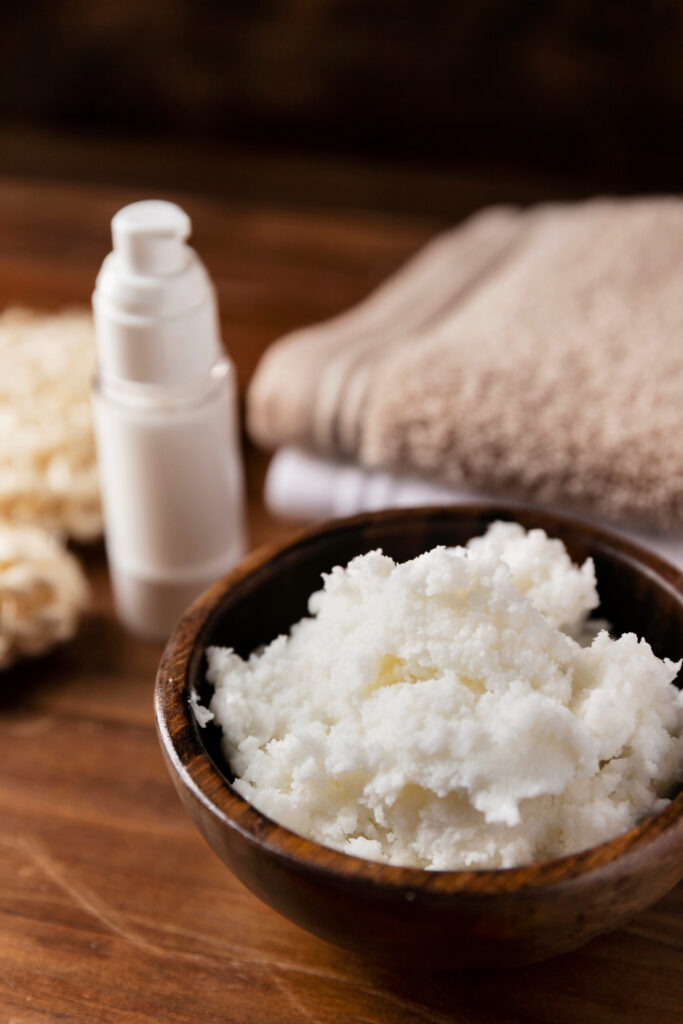
Lotions and Creams
Body lotions typically incorporate 1-5% cetyl alcohol combined with primary emulsifiers like emulsifying wax. This combination creates stable oil-in-water emulsions that spread easily and absorb well. Face creams often use 2-4% to achieve richer textures suitable for nighttime moisturizing.
The ingredient must be added to the heated oil phase of formulations. As it melts around 54°C, it incorporates into the oil phase before combining with the water phase. This heating step is non-negotiable—adding cetyl alcohol to cool formulations results in graininess and poor texture.
Shampoos and Conditioners
Hair care products use cetyl alcohol at 1-6% concentrations. In shampoos, it adds viscosity and improves foam quality without weighing hair down. Conditioners benefit from its ability to smooth hair cuticles, making hair easier to comb and reducing static.
Conditioning shampoo bars gaining popularity in zero-waste beauty frequently contain cetyl alcohol at 2-5%. It provides the slip and conditioning that makes these bars functional alternatives to liquid products.
Makeup Formulations
Foundations, lipsticks, and other makeup products incorporate 0.5-10% cetyl alcohol depending on desired consistency. In lipsticks, it helps color adhere to skin and prevents the product from melting at body temperature. Its emollient properties also prevent lips from drying during wear.
Safety Profile and Skin Compatibility
Extensive safety testing over nearly three decades confirms cetyl alcohol’s safety for cosmetic use. The Cosmetic Ingredient Review expert panel first assessed fatty alcohols in the 1980s and reaffirmed the safety conclusion in 2005 after reviewing new data.
Key safety findings:
- Non-irritating at concentrations up to 8.4% in most users
- Suitable for dry and sensitive skin types
- Helps maintain skin’s moisture barrier
- Rare allergic reactions (small percentage of population)
- Generally well-tolerated even in leave-on products
The FDA classifies cetyl alcohol as safe for both cosmetic and food applications. In foods, it appears primarily in decorative elements like colored lettering on candies or chewing gum.
For individuals with sensitive skin: Patch testing remains advisable, especially for those with known contact allergies to cosmetic ingredients. Apply a small amount of any new product containing cetyl alcohol to the inner forearm and wait 24 hours to check for adverse reactions.
Formulation Guidelines
Successful incorporation of cetyl alcohol requires attention to processing parameters and usage rates.
Usage levels by product type:
| Product Category | Typical Range | Purpose |
| Light lotions | 1-3% | Stabilization, light thickening |
| Rich creams | 3-5% | Thickening, emollient properties |
| Body butters | 5-10% | Structure, non-greasy feel |
| Shampoos | 1-3% | Viscosity, foam enhancement |
| Conditioners | 3-6% | Slip, detangling, smoothing |
| Hair masks | 5-8% | Heavy conditioning |
| Makeup products | 0.5-10% | Variable based on product type |
Processing tips:
- Heat to 60-70°C until fully melted
- Add to oil phase of emulsions
- Ensure complete dissolution to avoid graininess
- Combine with primary emulsifiers for best results
- Use agitation if working with large batches
- Allow proper cooling and emulsion formation
Sourcing Quality Cetyl Alcohol
For cosmetic formulators and personal care brands, sourcing high-quality cetyl alcohol with appropriate certifications ensures both product performance and ethical production standards. Quality variations between suppliers can affect final product texture, stability, and consumer satisfaction. For companies developing cosmetic formulations requiring cetyl alcohol or other specialty ingredients,
Elchemy’s technology-driven platform connects beauty brands with verified suppliers meeting cosmetic-grade specifications globally. Our network includes manufacturers providing sustainably-sourced, RSPO-certified materials with complete documentation supporting clean beauty and natural product claims.
Conclusion
Is cetyl alcohol an emulsifier? Yes, but more accurately, it’s a co-emulsifier that works best alongside primary emulsifying agents. Its true value lies in multifunctionality, simultaneously thickening, conditioning, stabilizing, and improving the sensory experience of personal care products. Despite its name suggesting similarity to drying alcohols, this fatty alcohol delivers moisturizing benefits that make it suitable even for sensitive skin.
Understanding how cetyl alcohol emulsifier functions in formulations helps both product developers create better cosmetics and consumers make informed choices about ingredients in their personal care products.