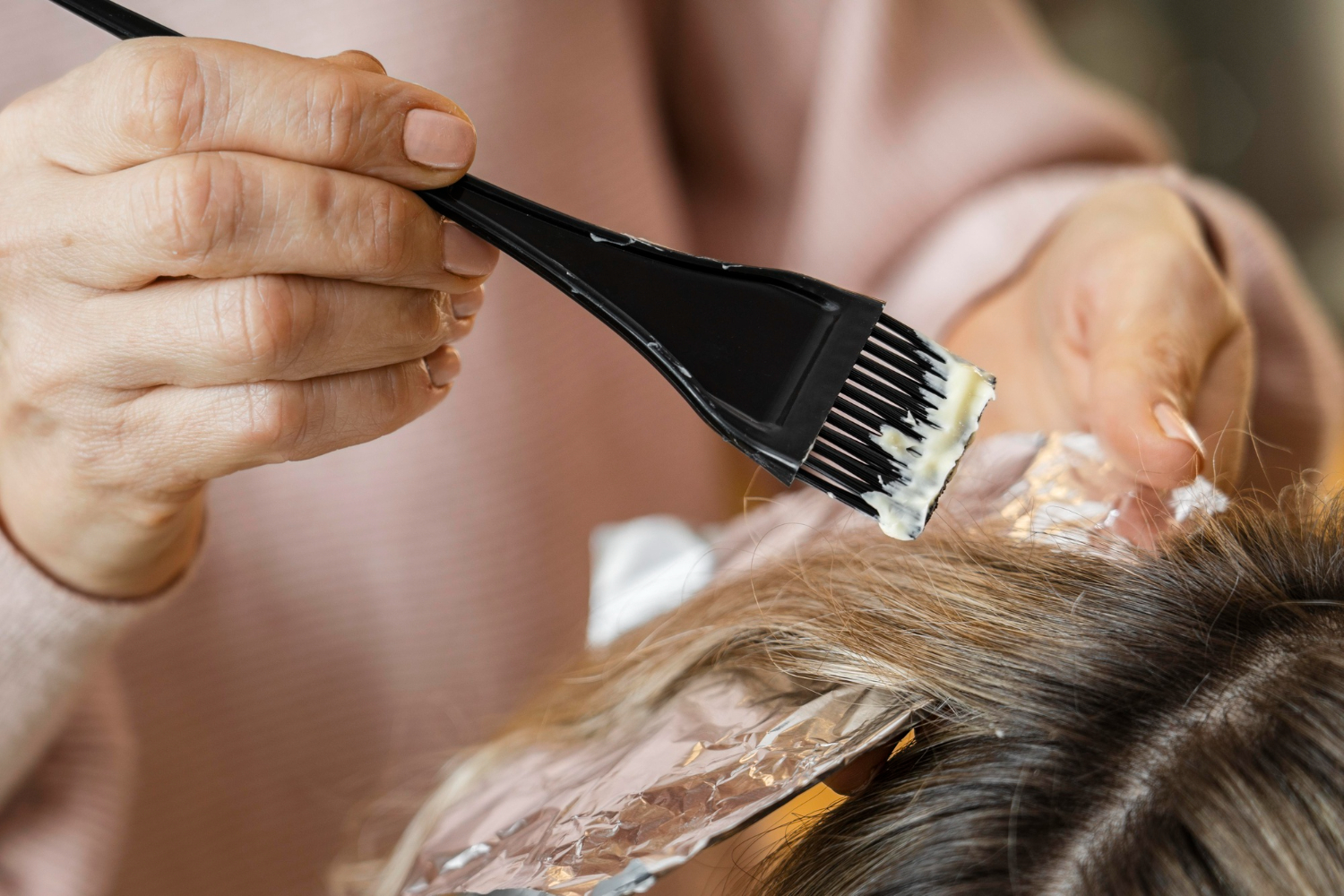


At a Glance
- Hydrogen peroxide breaks down melanin pigments through oxidation, permanently lightening hair color
- Professional salon products contain 6-12% hydrogen peroxide while home kits typically contain 3-6%
- The chemical works by penetrating the hair shaft and releasing oxygen molecules that break down color pigments
- Alkaline conditions (ammonia or monoethanolamine) activate hydrogen peroxide for more effective bleaching
- Persulfate salts are added as boosters to accelerate the bleaching process
- The oxidative process causes structural damage to hair, including protein degradation and cuticle disruption
- Different developer volumes (10-40) determine the degree of lightening achieved
- Hair transitions through stages from dark to brown, red, orange, yellow, and finally pale yellow during bleaching
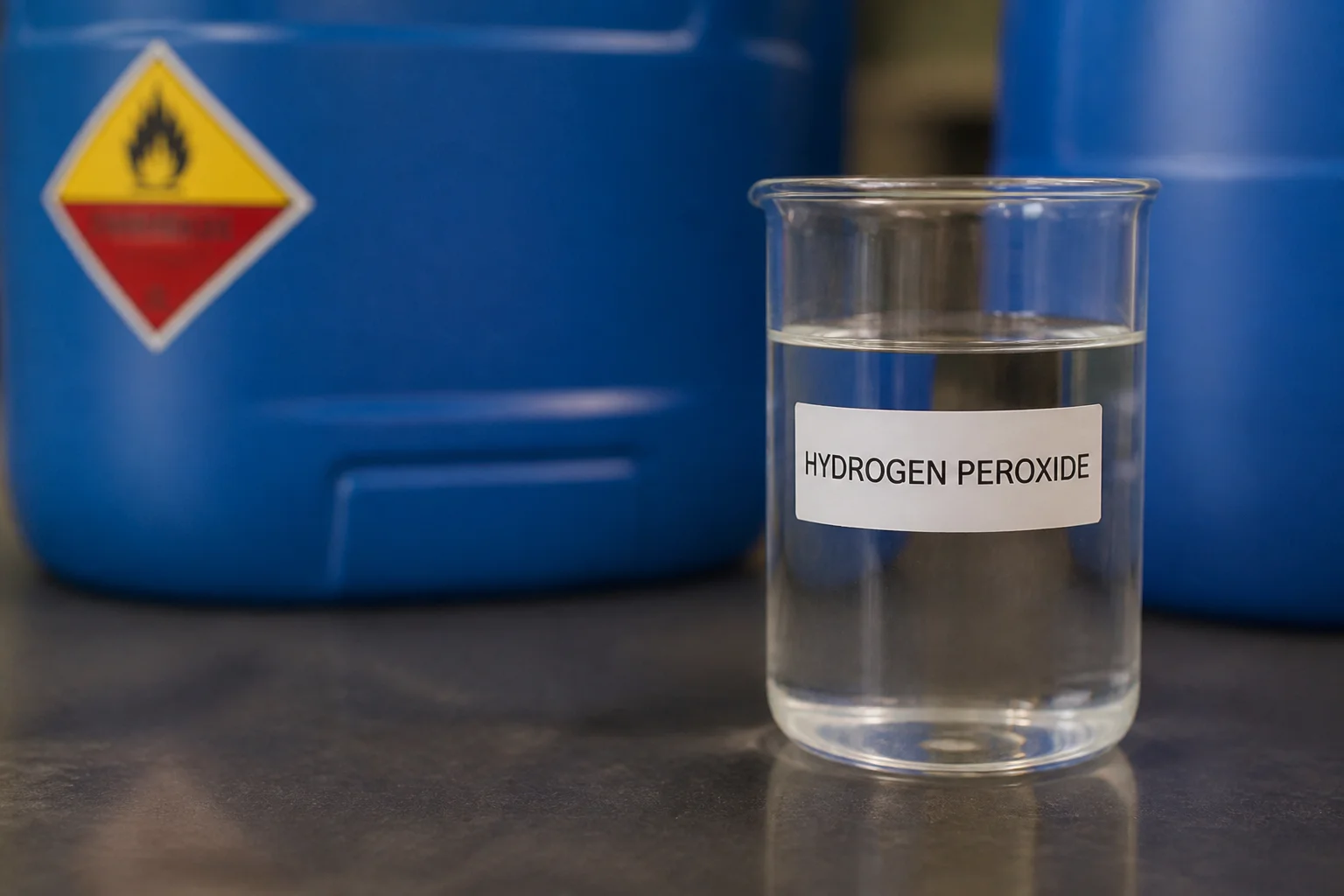
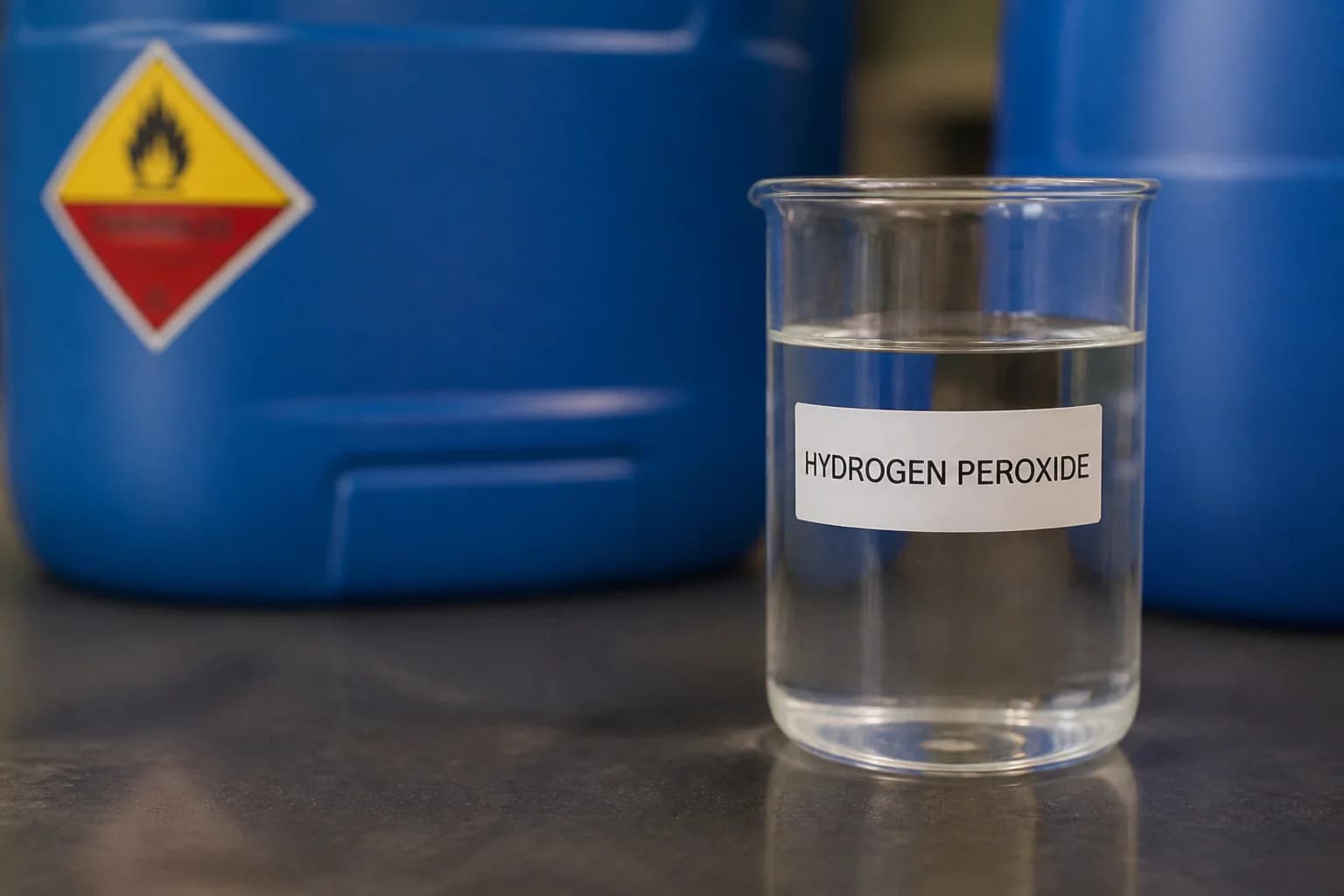
Every year, millions of people walk into salons or purchase at-home kits to lighten their hair. Behind nearly every blonde transformation, platinum highlight, or dramatic color change sits one essential chemical compound: hydrogen peroxide. This clear liquid has dominated hair bleaching formulations for decades, remaining the industry standard despite ongoing research into alternative bleaching agents.
Gray coverage, white blonde, bright red or jet black tones, but also bright highlights in dark hair are best created with chemical dyes containing different concentrations of hydrogen peroxide. The cosmetic industry’s dependence on this chemical reflects both its effectiveness and the lack of equally viable alternatives. Understanding why hydrogen peroxide as bleach for hair remains indispensable requires examining its chemical properties, mechanisms of action, and practical advantages over competing technologies.
The Chemistry Behind Hydrogen Peroxide Hair Bleaching
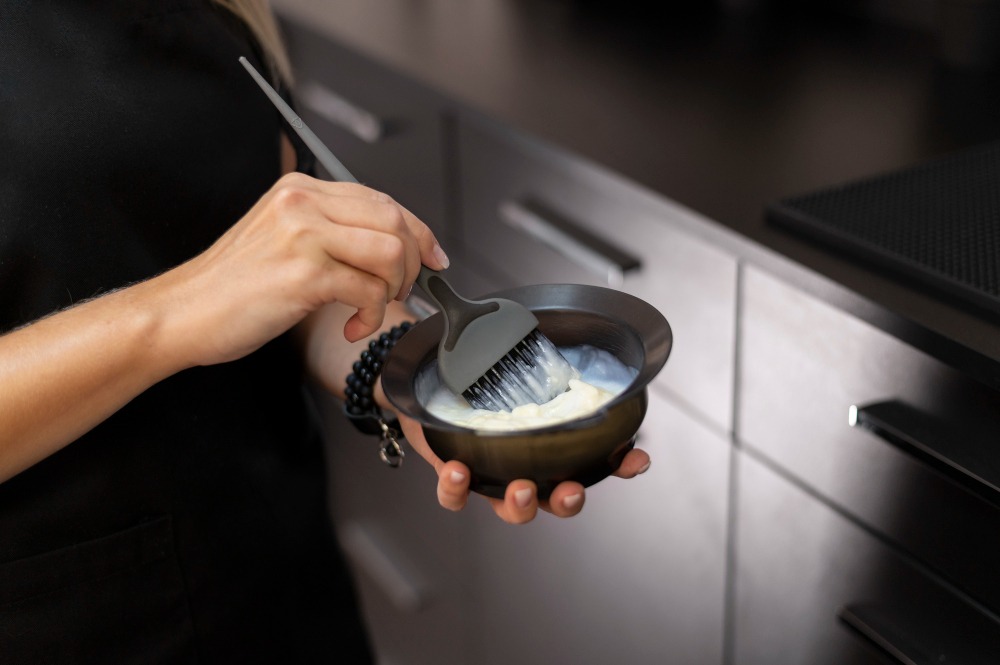
When applied to the hair, hydrogen peroxide breaks down into water and oxygen, releasing oxygen molecules that penetrate the hair shaft. This decomposition represents the foundation of its bleaching action. The released oxygen creates highly reactive species that attack the chemical bonds in melanin, the pigment responsible for natural hair color.
Cosmetic hair bleaching relies on destructive oxidation of melanin pigments, usually as a result of treatment by hydrogen peroxide under alkaline conditions (ammonia or monoethanolamine). The alkaline environment serves multiple purposes beyond simply raising pH. It helps open the hair cuticle layers, allowing deeper penetration of the bleaching agents.
Three Critical Steps in Hair Bleaching
Conceptually there are at least three distinct steps that need to take place for the bleaching of melanin within the hair to occur: 1) Diffusion of oxidants/base into the hair to access the melanosomes, 2) Rupture of the melanosomal membrane and the solubilisation of the released melanin nanoparticles and 3) Action of the oxidant/oxidants on the melanin pigments.
This multi-stage process explains why hair bleaching requires time. Simply coating hair with hydrogen peroxide produces minimal lightening. The chemical must penetrate through protective cuticle layers, break open melanin-containing structures, and then oxidatively degrade the pigments themselves.
The Oxidation Mechanism:
| Stage | Chemical Action | Visual Result |
| Initial contact | Hydrogen peroxide releases oxygen radicals | No immediate color change |
| Cuticle penetration | Alkaline conditions open cuticle layers | Hair swells slightly |
| Melanin degradation | Oxygen attacks melanin chromophores | Progressive lightening begins |
| Color stages | Continued oxidation breaks down remaining pigments | Brown → red → orange → yellow → pale yellow |
Both hydroxyl radical and perhydroxyl anion contribute to melanin bleaching, with hydroxyl radicals pre-oxidising melanin facilitating reaction with perhydroxyl anion. These reactive oxygen species work synergistically, producing faster and more complete bleaching than either species alone.
Why Hydrogen Peroxide Dominates Professional Formulations
The cosmetic industry could theoretically use various oxidizing agents for hair bleaching. Sodium hypochlorite (household bleach), persulfates alone, or other oxidizers might lighten hair. Yet hydrogen peroxide remains the overwhelmingly preferred choice for specific technical and practical reasons.
Key Advantages:
- Controlled reactivity: Hydrogen peroxide’s oxidizing power can be modulated through concentration and pH adjustment
- Predictable results: Decades of formulation experience allow precise color predictions
- Compatibility with dyes: Works seamlessly with permanent color molecules added after bleaching
- Relatively safe profile: Less caustic than alternatives like sodium hypochlorite
- Regulatory acceptance: Approved worldwide for cosmetic use within specified concentration limits
- Cost-effectiveness: Commercially produced at scale with competitive pricing
In hair coloring, the bleaching properties of hydrogen peroxide are used to lighten the hair, which is achieved by oxidative breakdown of the brown-black melanins (the main human hair pigments). This selective targeting of melanin pigments while leaving other hair components relatively intact makes hydrogen peroxide uniquely suited for cosmetic bleaching.
Concentration Levels: Professional vs. Consumer Products
Home-use products that contain hydrogen peroxide, such as hair colorants, typically contain low concentrations of around 3% and professional (salon) products tend to contain higher levels – up to a maximum of 12%. This concentration difference reflects both safety considerations and the skill required for proper application.
Products for bleaching one’s hair at home usually contain a 6% solution of hydrogen peroxide, while products for use in a hair salon can contain up to 9. Professional colorists receive training in assessing hair condition, selecting appropriate concentrations, and monitoring the bleaching process to prevent excessive damage.
Developer Volumes Explained
The volumes typically range from 10 to 40, with ten being the least aggressive and 40 being the most potent. The “volume” measurement refers to the amount of oxygen gas released when hydrogen peroxide decomposes. A 20-volume developer releases 20 volumes of oxygen gas for every volume of liquid.
Developer Selection Guide:
- 10 Volume (3%): Deposits color without significant lightening, used for toning or darkening
- 20 Volume (6%): Moderate lift of 1-2 shades, standard for grey coverage and mild lightening
- 30 Volume (9%): Lifts 2-3 shades, used for more dramatic color changes
- 40 Volume (12%): Maximum lift of 3-4 shades, highest damage risk, professional use only
The choice of dosage depends on the desired effect, with a higher volume meaning more oxygen is released, which intensifies the lightening action. However, higher volumes also increase the risk of hair damage, scalp irritation, and chemical burns if applied incorrectly.
The Role of Persulfate Boosters
Hydrogen peroxide alone produces gradual bleaching over extended timeframes. To accelerate the process and achieve lighter results, professional bleaching formulations add persulfate salts.
Persulfates are also strong oxidizing agents that are used in the cosmetics industry as hair bleach boosters. These compounds generate sulfate radicals that enhance the oxidative degradation of melanin when combined with hydrogen peroxide.
Cosmetic hair bleaching is a popular procedure applied all over the world to lighten hair for aesthetic purposes, based on the oxidation of melanin pigments upon treatment with hydrogen peroxide and persulfate salts under alkaline conditions (ammonia or monoethanolamine)
The synergy between hydrogen peroxide and persulfates allows faster processing times, particularly important in salon settings where clients expect results within 30-45 minutes rather than hours. When melanin is oxidized, oxygen gas is released creating the foaming or bubbling often observed during bleaching applications.
Structural Damage: The Trade-Off for Color Change
The effectiveness of hydrogen peroxide as bleach for hair comes with consequences. The oxidation process doesn’t discriminate perfectly between melanin and structural hair proteins.
Peroxide chemical treatments quickly access the cortex, causing untargeted oxidative damage across the fibre in addition to the desired loss of melanin. Research using transmission electron microscopy reveals extensive damage to both cuticle layers and cortical structures in bleached hair.
Protein Degradation Patterns
Protein oxidation in bleached fibres was principally in cortical intermediate filaments – the most abundant hair proteins – and targeted the sulphur-containing amino acids, particularly the conversion of cystine disulphide bonds to cysteic acid. These disulfide bonds provide hair with strength and elasticity. Their oxidative conversion weakens the hair structure.
Leached proteins were not limited to the cuticle, but also included cortical intermediate filaments and matrix keratin-associated proteins. As bleaching severity increases, more protein leaches from the hair shaft, leading to porosity, reduced tensile strength, and increased fragility.
Common Damage Manifestations:
- Increased porosity and moisture loss
- Reduced tensile strength and elasticity
- Split ends and breakage
- Rough, raised cuticle layers
- Loss of natural shine and smoothness
- Increased susceptibility to further damage
While oxidative dyes are more permanent than other dyes, this also means they cause oxidative stress for your hair, with this stress aging your hair and potentially causing hair loss. The accumulated damage from repeated bleaching treatments can become irreversible, requiring hair to be cut off and regrown.
Safety Considerations in Professional vs. Home Use
Hair bleaching products can damage hair and cause severe burns to the scalp when applied incorrectly or left on too long. Proper application technique and timing become critical for avoiding injury while achieving desired results.
Scalp Protection Protocols
Professional colorists implement multiple safety measures that home users often overlook. These include:
- Applying petroleum jelly or protective cream along the hairline and ears
- Sectioning hair methodically to ensure even coverage without scalp contact
- Monitoring processing time based on hair condition and desired lift
- Performing strand tests to predict color outcomes and timing
- Using toners to neutralize unwanted undertones after bleaching
Hydrogen peroxide can be harsh on the scalp, especially if administered for an extended period, at a high concentration, or directly to inflamed skin. Symptoms of scalp irritation include burning sensations, redness, itching, peeling, and in severe cases, chemical burns requiring medical treatment.
A survey of burn care services in the UK found that 75% did not use hydrogen peroxide for treating burn infections, mainly due to concerns about its effectiveness and potential side effects. This medical perspective on hydrogen peroxide’s tissue effects underscores the importance of proper cosmetic application techniques.
Formulation Components Beyond Hydrogen Peroxide
Commercial bleaching products contain more than just hydrogen peroxide. Professional formulations include multiple components that improve performance, safety, and user experience.
Typical Bleach Formulation Components:
| Ingredient Category | Purpose | Examples |
| Primary oxidant | Melanin degradation | Hydrogen peroxide (3-12%) |
| Oxidant booster | Accelerate bleaching | Ammonium, potassium, or sodium persulfate |
| Alkaline agent | Raise pH, open cuticles | Ammonia, monoethanolamine |
| Thickeners | Improve consistency | Cellulose derivatives, polymers |
| Stabilizers | Prevent premature decomposition | Phosphates, phenacetin |
| Conditioning agents | Reduce damage | Proteins, oils, moisturizers |
| Buffering agents | Control pH | Phosphate buffers |
The peroxide, usually 20 volume, bleaches hair most effectively in an alkaline medium, with ammonia being the most effective reagent for activating the peroxide. However, ammonia’s strong odor and potential for irritation have led to development of alternative alkaline agents like monoethanolamine (MEA) in “ammonia-free” formulations.
Recent Innovations: Plex Technologies
In addition to the desired lightening results, hair bleaching is known to cause damage to the hair shaft over repeated treatments, and this has led to a recent increase in popularity of “plex” technologies. These additives claim to protect hair structure during the bleaching process.
The most prominent example involves diamino compounds that supposedly create crosslinks in hair proteins, maintaining strength despite oxidative stress. 1,13-diamino-4,7,10-trioxatridecane is a molecule manufactured by the chemical industry for epoxy applications, which is, nowadays, prominently featured in the patent literature as a hair repair agent.
However, research reveals complications with these technologies. The diamine contained in the commercialized product degrades by approximately 17% over the same time, equivalent to 0.031 g, considering 2 g of Olaplex (1.875 mL recommended for full head service) containing 0.183 g of diamine. The reactive environment of bleach formulations causes these protective agents to undergo unexpected chemical transformations.
Global Market and Regulatory Landscape
Hydrogen peroxide is used in products intended for hair lightening and bleaching across virtually all markets worldwide. Regulatory frameworks vary by region but generally permit hydrogen peroxide in cosmetic products within specified concentration limits.
European regulations under the Cosmetics Regulation allow hydrogen peroxide up to 12% in hair treatment products. The United States FDA regulates hydrogen peroxide as a color additive, permitting its use in hair dyes and bleaching formulations. Asian markets follow similar guidelines with specific concentration and labeling requirements.
Key Regulatory Requirements:
- Maximum concentration limits (typically 12% for leave-on applications)
- Mandatory warning labels about potential skin and eye irritation
- Instructions for proper dilution and application timing
- Recommendations for protective equipment (gloves, applicators)
- Batch testing requirements for commercial products
- Stability testing to ensure controlled hydrogen peroxide decomposition rates
Alternative Bleaching Approaches
While hydrogen peroxide dominates current formulations, research continues into alternative or complementary bleaching technologies.
Natural Lightening Agents: Lemon juice, chamomile tea, honey, cinnamon, and salt naturally lighten hair when exposed to sunlight. However, these methods produce subtle, gradual effects incompatible with commercial salon services requiring predictable, dramatic results within limited timeframes.
Enzyme-Based Systems: Some research explores melanin-degrading enzymes as gentler alternatives. These biological catalysts could theoretically target melanin more selectively, reducing damage to structural proteins. However, enzyme stability, activity control, and cost currently prevent commercial adoption.
Advanced Oxidation Catalysts: TAML oxidant activators offer an environmentally friendly alternative for chlorine-based bleaching in industrial applications. Similar catalytic systems might eventually enhance hydrogen peroxide efficiency in cosmetic formulations, allowing lower concentrations while maintaining effectiveness.
Chemical Sourcing for Professional Products
For companies manufacturing hair bleaching products or salons requiring bulk supplies of stabilized hydrogen peroxide, sourcing reliable chemical suppliers who understand cosmetic-grade specifications is essential. Elchemy connects cosmetic manufacturers and professional hair care companies with qualified suppliers of hydrogen peroxide, persulfate boosters, and specialty ingredients meeting cosmetic industry standards. Whether formulating new bleaching products or sourcing materials for salon operations, we help identify suppliers providing proper stabilization, appropriate concentrations, and full documentation for regulatory compliance across different markets.
Conclusion
Hydrogen peroxide’s dominance in hair bleaching reflects a combination of effective chemistry, decades of formulation refinement, regulatory acceptance, and lack of equally viable alternatives. The compound’s ability to penetrate hair structure, selectively oxidize melanin pigments, and produce predictable color results makes it indispensable for both professional colorists and consumer products.
The trade-off between effective bleaching and structural damage remains an ongoing challenge. Modern formulations attempt to minimize harm through protective additives, optimized pH ranges, and improved application techniques. However, the fundamental chemistry of oxidative bleaching means some degree of protein damage is unavoidable when dramatically lightening hair.
As research continues into alternative bleaching technologies and hair protection systems, hydrogen peroxide will likely remain the industry standard for the foreseeable future. Its established track record, technical versatility, and economic accessibility ensure continued reliance by the global cosmetic industry on this simple yet powerful chemical compound for hair color transformation.