

At a Glance
- Bleach (sodium hypochlorite) is more effective as a disinfectant and works faster than hydrogen peroxide
- Hydrogen peroxide breaks down into water and oxygen, while bleach produces chlorinated byproducts
- Household hydrogen peroxide (3%) is safer around children and pets than bleach
- Bleach requires proper ventilation due to respiratory irritation from fumes
- Hydrogen peroxide works better on porous surfaces like grout, while bleach excels on non-porous surfaces
- Never mix bleach with ammonia, acids, or other cleaners due to toxic gas formation
- Hydrogen peroxide loses potency when exposed to light and heat; bleach degrades over months
- Both chemicals are toxic at high concentrations but safe when used properly at household strengths
Every day, millions of households must decide between hydrogen peroxide and bleach when reaching under the sink for a disinfectant. Both products claim to sanitize surfaces, eliminate stains, and eradicate bacteria. However, they operate in essentially different ways, have different safety profiles, and are appropriate for various cleaning scenarios.
It’s important to comprehend the true distinctions between hydrogen peroxide and bleach for reasons other than cleaning efficiency. The decision has an impact on the environment, your family’s safety, the health of your pets, and even the longevity of your home’s surfaces. What science and real-world experience have to say about these two everyday household chemicals is examined in this guide.
What Makes These Chemicals Different?
Although hydrogen peroxide is one kind of bleach, it is not the active component of every bleach product. Many people are confused by this distinction. The word “bleach” describes any chemical that uses oxidation to disinfect or remove color. Sodium hypochlorite (NaClO) is an example of a chlorine-based bleach; hydrogen peroxide (H2O2) and sodium percarbonate are examples of a peroxide-based bleach.
When most people refer to “bleach,” they mean sodium hypochlorite-containing chlorine bleach. Because sodium hypochlorite, also known as bleach, has a strong oxidizing power and breaks down the molecular structure of pigments and cellular organisms, it is a more effective cleaner and disinfectant. Bleach’s powerful antimicrobial properties are explained by this aggressive oxidation, which also causes surface and fabric damage.
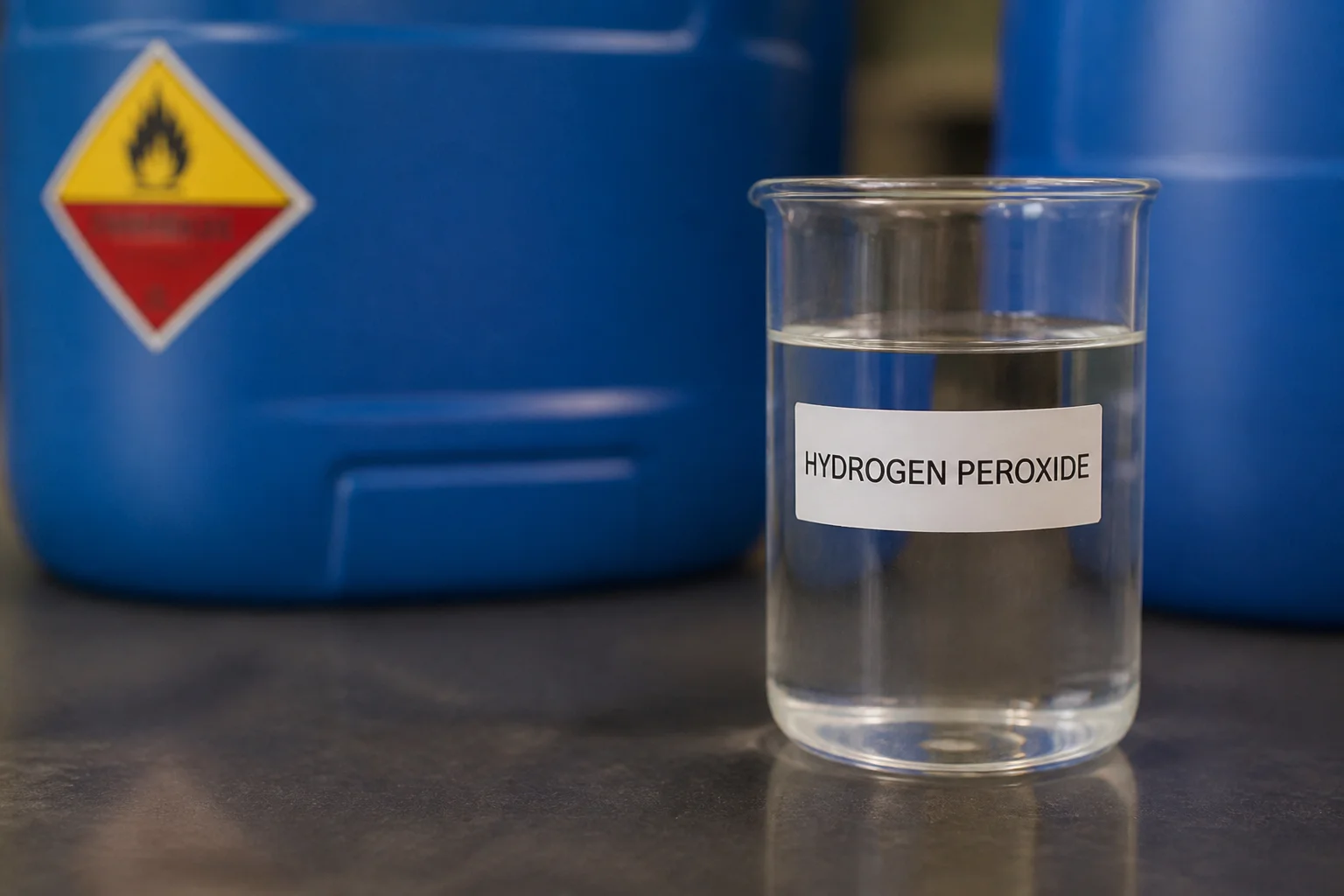
Hydrogen peroxide operates differently. The molecule contains an extra oxygen atom compared to water (H2O2 versus H2O). The extra oxygen atom in the hydrogen peroxide molecule makes it reactive, releasing lots of energy, but this also makes it unstable. When hydrogen peroxide contacts organic materials, it releases oxygen radicals that break down bacterial cell walls and destroy pathogens.
Chemical Comparison:
| Property | Chlorine Bleach | Hydrogen Peroxide |
|---|---|---|
| Active ingredient | Sodium hypochlorite | Hydrogen peroxide |
| Chemical formula | NaClO | H2O2 |
| Mechanism | Chlorine oxidation | Oxygen radical release |
| Breakdown products | Chlorinated compounds, salt | Water and oxygen |
| Stability | Moderate (degrades over months) | Low (degrades with light/heat) |
| pH | Highly alkaline (11-13) | Slightly acidic (4-5) |
Hydrogen Peroxide vs Bleach Disinfectant: Which Kills Germs Better?
When comparing hydrogen peroxide vs bleach disinfectant effectiveness, bleach prolongs its disinfecting effects by leaving behind residual chlorine on surfaces. Bleach has a major advantage for continuous protection because of this residual effect. Chlorine molecules continue to kill any microorganisms that land on a surface for minutes to hours after you wipe it with diluted bleach.
Hydrogen peroxide is a potent disinfectant, but it quickly becomes ineffective in the presence of light and high temperatures. Once applied, the molecule degrades quickly, limiting its long-term protection. Nevertheless, surfaces return to a non-toxic state more quickly as a result of this quick breakdown.
Both chemicals receive approval from regulatory agencies for disinfection. Both hydrogen peroxide and bleach products are listed by regulators for use against a wide range of viruses, bacteria, and fungi, when used at the right dilution and contact time listed on the product label. The key phrase is “right dilution and contact time.” Many people spray and immediately wipe, not allowing sufficient contact time for either disinfectant to work properly.
Contact Time Requirements
When evaluating hydrogen peroxide vs bleach disinfectant performance, bleach typically requires 5-10 minutes of contact time for effective disinfection on hard surfaces. Hydrogen peroxide needs 10-15 minutes at 3% concentration. This waiting period is when the chemical actually kills microorganisms. Wiping too soon means you remove the disinfectant before it completes the job.
Bleach does not contain any surfactants (detergents)—such as Sodium Laureth Sulphate (SLES) and can not achieve disinfection on a dirty surface. This limitation matters more than most people realize. If you apply bleach to a countertop covered in food residue or grease, the bleach contacts the dirt rather than the microorganisms underneath. Accelerated Hydrogen Peroxide is an excellent cleaner, as it’s able to remove dirt and debris, allowing you to clean and disinfect in one easy step.
Safety Profiles: Toxicity and Risks
The safety comparison of hydrogen peroxide and bleach depends heavily on concentration and exposure route. If ingested, solutions of hydrogen peroxide up to concentrations of 9% are generally nontoxic; however, even a 3% solution is mildly irritating to mucosal tissue and may cause vomiting and diarrhea. Most household hydrogen peroxide is 3%, making accidental exposure relatively low-risk.
Ingestion of industrial-strength solutions (10% or higher) causes systemic toxicity and has been associated with fatalities. The industrial concentrations used in manufacturing, hair bleaching, and commercial cleaning present serious hazards. Toxicity in children is less likely to cause significant mortality or morbidity than in adults as it is often lower concentration solutions, often accidental, and more likely to be a less dangerous mode of exposure.
Bleach carries different risks. Most household bleaches are 3-5% sodium hypochlorite, so they only cause nasal irritation, vomiting, and diarrhea, but large quantities of concentrated hypochlorite can cause esophageal stricture and burns to the stomach, esophagus, and mouth. The corrosive nature of bleach means tissue damage can occur even at household concentrations if exposure is prolonged.
Respiratory Concerns
Bleach should be used in ventilated spaces as it can trigger asthma and impact the respiratory system, whereas hydrogen peroxide is non-toxic and non-irritating, making it safer to use in any area. The chlorine gas released by bleach irritates airways, causes coughing, and can trigger asthma attacks in sensitive individuals. Strong bleach odor indicates you’re inhaling these irritating compounds.
Hydrogen peroxide breaks down rapidly in water and released to the atmosphere will react very rapidly with other compounds found in air. The lack of persistent fumes makes hydrogen peroxide better suited for enclosed spaces, small bathrooms, or areas with poor ventilation.
Risks to Children and Pets
The ingredients that make disinfectants effective make them toxic for companion animals: alcohol (such as isopropyl alcohol), bleach, hydrogen peroxide, chemical compounds that contain the word “phenol”. Both hydrogen peroxide and bleach pose risks, but the severity differs.
Common signs in animals exposed to chlorine-based bleach include hypersalivation, vomiting, lethargy and inappetence, with oral and tongue ulceration occurring in some cases. Dogs and cats walking across freshly bleached floors can absorb chemicals through their paws or ingest bleach by licking their feet.
Household cleaners typically contain 3-5% hydrogen peroxide, and at this concentration, ingestion may cause mild gastrointestinal irritation, vomiting, and gastrointestinal erosions, but only rarely. The lower toxicity of household-strength hydrogen peroxide makes accidental pet exposure less dangerous, though still requiring veterinary attention if significant amounts are consumed.
Small amounts of things can really hurt pets, so people must be extra vigilant when using cleaning products. The recommendation applies to both chemicals: keep pets away until surfaces are completely dry, store products securely, and rinse food contact surfaces thoroughly after disinfection.
Environmental Impact and Breakdown

Unlike liquid chlorine based bleach products, hydrogen peroxide forms no harmful by-products of disinfection, with hydrogen peroxide simply degrading into water and oxygen making it one of the most eco-compatible and biodegradable disinfectants available. This clean breakdown gives hydrogen peroxide a clear environmental advantage.
Bleach creates chlorinated organic compounds when it contacts organic matter in wastewater. Some of these byproducts persist in the environment and can harm aquatic organisms. When bleach enters septic systems, it can kill beneficial bacteria needed for waste breakdown. Oxygen bleach is less harmful to the environment and can be exposed to plants or your septic tank without doing damage.
The stability difference matters for storage and shelf life. Hydrogen peroxide is light and heat sensitive, which is why you see it in amber bottles, and once opened, air and light make it lose strength faster. A bottle of hydrogen peroxide loses effectiveness within months of opening. Bleach is more stable in a sealed, cool container but still degrades over months, especially in heat or sunlight.
Best Uses for Each Chemical
If you’re sensitive to smells or have kids and pets, peroxide can be a calmer daily cleaner and disinfectant, but bleach steps in when speed and broad-spectrum kill matter more than smell or surface wear. This practical assessment captures the decision-making process for most households choosing between hydrogen peroxide and bleach.
Hydrogen Peroxide Works Best For:
Disinfecting kitchen counters, cutting boards, and bathroom fixtures by applying 3% hydrogen peroxide solution and letting it sit for at least 10 minutes before wiping clean. The gentler chemistry makes it suitable for frequent use on food preparation surfaces.
Mold on grout lines, unfinished wood, and drywall paper, because hydrogen peroxide foams on contact and can penetrate deeper into semi-porous surfaces with lower risk of bleaching color out of some materials. The penetrating action helps reach mold roots below the surface.
Laundry whitening by adding one cup of hydrogen peroxide to a load of white or color-safe laundry to remove stains and brighten fabrics, with gentler action making it suitable for more delicate fabrics.
Bleach Works Best For:
Disinfecting non-porous surfaces like countertops, sinks, and bathroom fixtures by diluting bleach with water (typically 1 cup of bleach per gallon of water) and applying for 5-10 minutes before rinsing thoroughly. The rapid kill time makes bleach ideal for heavily contaminated surfaces.
Whitening laundry by adding 1/2 cup of bleach to a load of white laundry to remove stains and brighten fabrics, though only on bleach-safe fabrics to avoid damage.
Cleaning mold and mildew on hard, non-porous surfaces where the strong oxidizing power removes visible discoloration and kills mold spores. However, bleach only kills surface mold and doesn’t prevent regrowth if moisture problems persist.
Critical Safety Warning: Never Mix These Chemicals
Never mix bleach with hydrogen peroxide, ammonia, acids, alcohols, or vinegar (acetic acid), as mixing can produce toxic gases like chloramines or chlorine gas. This warning appears on every bleach bottle, yet accidental mixing still causes hundreds of poisonings annually.
If chlorine bleach comes into contact with ammonia or products that contain acid, chlorine gas can be formed and released, which can be highly toxic and presents many risks to humans and animals. Chlorine gas exposure causes immediate respiratory distress, coughing, chest pain, and eye irritation. High concentrations can be fatal.
Do not mix peroxide with bleach or other oxidizers. Combining hydrogen peroxide and bleach creates oxygen gas rapidly, potentially causing containers to burst. The mixture also reduces the effectiveness of both chemicals.
If you smell a harsh, sharp odor after mixing cleaning products, stop and get fresh air. This warning applies to any unexpected chemical smell when cleaning. Even products you don’t think contain ammonia (like some glass cleaners and drain openers) can react dangerously with bleach.
Practical Application Guidelines
Using Hydrogen Peroxide:
- Store in original amber bottles away from light and heat
- Replace every 6 months after opening for maximum effectiveness
- Allow 10-15 minutes of contact time for disinfection
- Safe for most colored fabrics and painted surfaces (spot test first)
- Rinse food contact surfaces after use
- Use 3% concentration for household cleaning
Using Bleach:
- Dilute according to product instructions (typically 1:10 or 1:100 for disinfection)
- Ensure adequate ventilation by opening windows or using fans
- Wear gloves to protect skin from irritation
- Never use on metals like stainless steel or aluminum (causes corrosion)
- Avoid on colored fabrics unless labeled bleach-safe
- Allow 5-10 minutes of contact time before rinsing
A simple rule: if you’re using any strong oxidizer, wear PPE (gloves at a minimum), open a window or run a fan, and keep kids and pets away until the surface is dry.
Material Compatibility Considerations
These disinfectants are incompatible with some metals, with hydrogen peroxide cleaners not working effectively on surfaces made of zinc, brass, copper, or silver, while chlorine bleach isn’t compatible with stainless steel and aluminum. The corrosive properties of both hydrogen peroxide and bleach can damage or discolor sensitive materials.
Bleach can corrode metals like steel, aluminum, and copper, tarnish finishes, and degrade elastomers like rubber seals and some plastics, with long contact or repeated use speeding up damage. This explains why bleach shouldn’t be used on stainless steel appliances, faucets, or in washing machines with metal components.
Hydrogen peroxide is gentler on most surfaces but still requires caution. If bleach is not neutralized after it’s applied to a surface, it may cause damage, with fabric potentially fading or deteriorating and wood lightening in color or breaking down. The same principle applies to hydrogen peroxide at higher concentrations.
Making the Right Choice Between Hydrogen Peroxide and Bleach
Bleach is the more effective option for whiter laundry, tackling mold and hard kitchen countertops, or cleaning dirty bathrooms, whereas hydrogen peroxide is safer around common areas where children and pets might be, whitening delicate fabrics.
The decision framework for choosing between hydrogen peroxide vs bleach disinfectant should consider:
- Urgency: Bleach works faster for immediate disinfection needs
- Safety sensitivity: Hydrogen peroxide is safer around vulnerable populations
- Surface type: Match the chemical to material compatibility
- Environmental concerns: Hydrogen peroxide breaks down cleaner
- Frequency: Hydrogen peroxide suits regular maintenance cleaning
- Contamination level: Bleach handles heavy contamination better
Neither chemical is inherently “better” than the other. They serve different purposes and excel in different situations. Many households benefit from keeping both hydrogen peroxide and bleach on hand, using each where it performs best.
Chemical Sourcing for Commercial Applications
For businesses requiring hydrogen peroxide or bleach solutions for commercial cleaning, industrial disinfection, or manufacturing processes, sourcing reliable chemical suppliers who provide proper documentation and quality assurance is essential. Elchemy connects commercial facilities with verified suppliers of hydrogen peroxide, sodium hypochlorite, and related cleaning chemicals. Whether you need bulk quantities for industrial use or formulated products for commercial cleaning operations, we help source materials including foundational ingredients like Linear Alkylbenzene Sulfonic Acid (LABSA) meeting safety specifications with full documentation for regulatory compliance and worker safety programs.
Conclusion
Both hydrogen peroxide and bleach serve important roles as household and commercial disinfectants. When comparing hydrogen peroxide vs bleach disinfectant effectiveness, bleach offers superior killing power and faster action, making it the go-to choice for heavy-duty disinfection and dealing with serious contamination. Hydrogen peroxide provides a safer, more environmentally friendly option for routine cleaning, particularly in homes with children, pets, or individuals sensitive to harsh chemicals.
Understanding their differences, respecting their risks, and using each appropriately ensures effective disinfection while minimizing safety hazards. Neither replaces proper cleaning technique: removing visible dirt before disinfecting, allowing adequate contact time, and following product instructions remain essential regardless of which chemical you choose between hydrogen peroxide and bleach.