

At a Glance
- Phosphoric acid appears primarily in dark colas (Coke, Pepsi, Dr. Pepper) while citrus sodas use citric acid instead
- Studies link daily cola consumption to 4% lower bone density and doubled fracture risk in some populations
- Kidney disease patients face particular risk as phosphoric acid raises phosphorus levels their kidneys can’t process
- Soft drinks without phosphoric acid include root beer, ginger ale, Sprite, 7UP, Mountain Dew, and specialty brands
- Citric acid alternatives provide tartness without the mineral absorption interference phosphoric acid causes
- Natural soda brands use tartaric acid from grapes or malic acid from apples as phosphoric acid substitutes
- Americans drink over 38 gallons of soda annually per capita, making ingredient choices significant for cumulative health impact
A teenager in Texas breaks her wrist playing volleyball. Her doctor asks about her diet and discovers she drinks three cans of cola daily. The conversation shifts from athletics to bone health and one ingredient that might be contributing to weakened bones: phosphoric acid.
This scenario happens more often than you’d think. Research linking phosphoric acid in dark sodas to bone density loss, kidney issues, and mineral depletion has consumers reading labels more carefully. The result is a growing market for soda without phosphoric acid as Americans prioritize long-term health over traditional cola flavors.
The shift isn’t just about health paranoia. Studies from major research institutions show real concerns about phosphoric acid consumption, especially for people drinking multiple sodas daily. Understanding what phosphoric acid does and which alternatives exist helps you make informed beverage choices.
What Phosphoric Acid Does in Soda
Phosphoric acid serves multiple purposes in cola formulations. It provides the sharp, tangy bite that distinguishes colas from other sodas. The acid balances extreme sweetness, preventing that syrupy taste that would otherwise dominate.
Beyond flavor, phosphoric acid acts as a preservative. It inhibits mold and bacteria growth in sugary solutions. The acidic environment (pH 2.5-3) prevents microorganisms from thriving, extending shelf life without additional preservatives.
The acid also enhances carbonation perception. It works with carbon dioxide to create that distinctive cola “bite.” While citric acid can provide similar functions, formulators stick with phosphoric acid because it delivers the authentic cola taste consumers expect.
A typical can of cola contains 50-60 mg of phosphoric acid. That doesn’t sound like much until you multiply by three cans daily, 365 days yearly. The cumulative exposure adds up.
Health Concerns Driving the Switch
Bone Density and Fracture Risk
Research tracking thousands of people found that those drinking three or more soft drinks daily had 4% lower bone density compared to non-drinkers. The mechanism involves calcium-phosphorus balance in the body.
Excessive phosphoric acid intake disrupts the calcium to phosphorus ratio, potentially resulting in decreased bone density and even osteoporosis. Your body needs both minerals in proper balance. Too much phosphorus from added acids triggers hormonal responses that pull calcium from bones.
The Framingham Osteoporosis Study found particularly strong associations in women. Daily cola intake was linked to lower bone mineral density in the hip among women, though studies on whether phosphorus itself is the real issue remain inconclusive. Adolescent girls showed even more pronounced effects, with increased fracture rates correlating to high cola consumption.
Kidney Health Complications
In one study comparing healthy people to those with kidney disease, drinking two or more regular or diet colas daily was linked to doubled chronic kidney disease risk. The kidneys filter excess phosphorus from blood. When you consume phosphoric acid regularly, you’re increasing their workload.
People with existing kidney disease face serious complications. Those with chronic kidney disease cannot adequately remove phosphorus and are at higher risk of developing hyperphosphatemia, which may result in elevated parathyroid hormone secretion and progressive kidney function deterioration.
Phosphorus from food additives like phosphoric acid is absorbed at rates exceeding 90%, compared to just 40-60% from natural food sources. This high absorption rate means the phosphoric acid in sodas hits your system harder than phosphorus from chicken or beans.
Mineral Absorption Interference
Phosphorus overload can impair the body’s ability to properly use essential nutrients like iron, magnesium, and zinc. Phosphoric acid can bind with these minerals in your digestive tract, reducing their availability for absorption.
Calcium levels can drop if you consume too much phosphorus, and research has linked daily cola consumption to hypocalcemia (low blood calcium). This creates a cascade effect where multiple nutrient systems become compromised simultaneously.
Health Impact Comparison
| Health Factor | Phosphoric Acid Sodas | Citric Acid Sodas | Concern Level |
| Bone Density | Linked to 4% reduction with daily use | No documented bone effects | High for dark colas |
| Kidney Function | Doubled CKD risk at 2+ daily | No documented kidney effects | High for kidney patients |
| Calcium Absorption | Interferes with absorption | Minimal interference | Moderate |
| Dental Erosion | High (pH 2.5) | High (pH 2.8-3.2) | Similar for both |
| Mineral Balance | Disrupts Ca:P ratio | Minimal disruption | Moderate |
Which Sodas Don’t Contain Phosphoric Acid
Clear Citrus Sodas
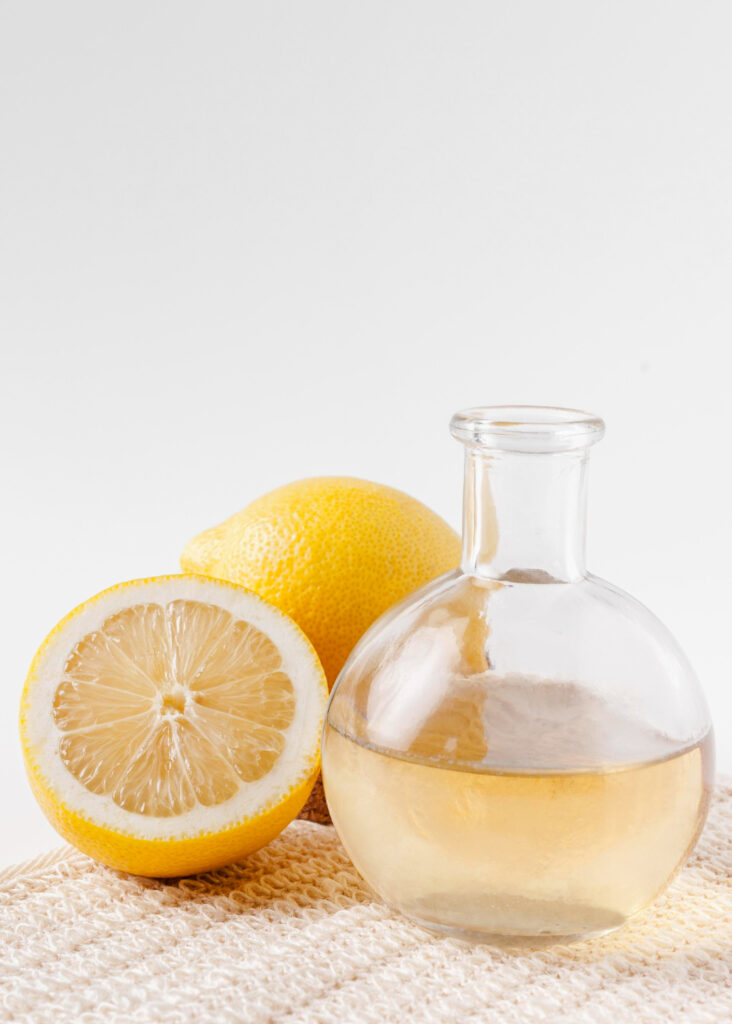
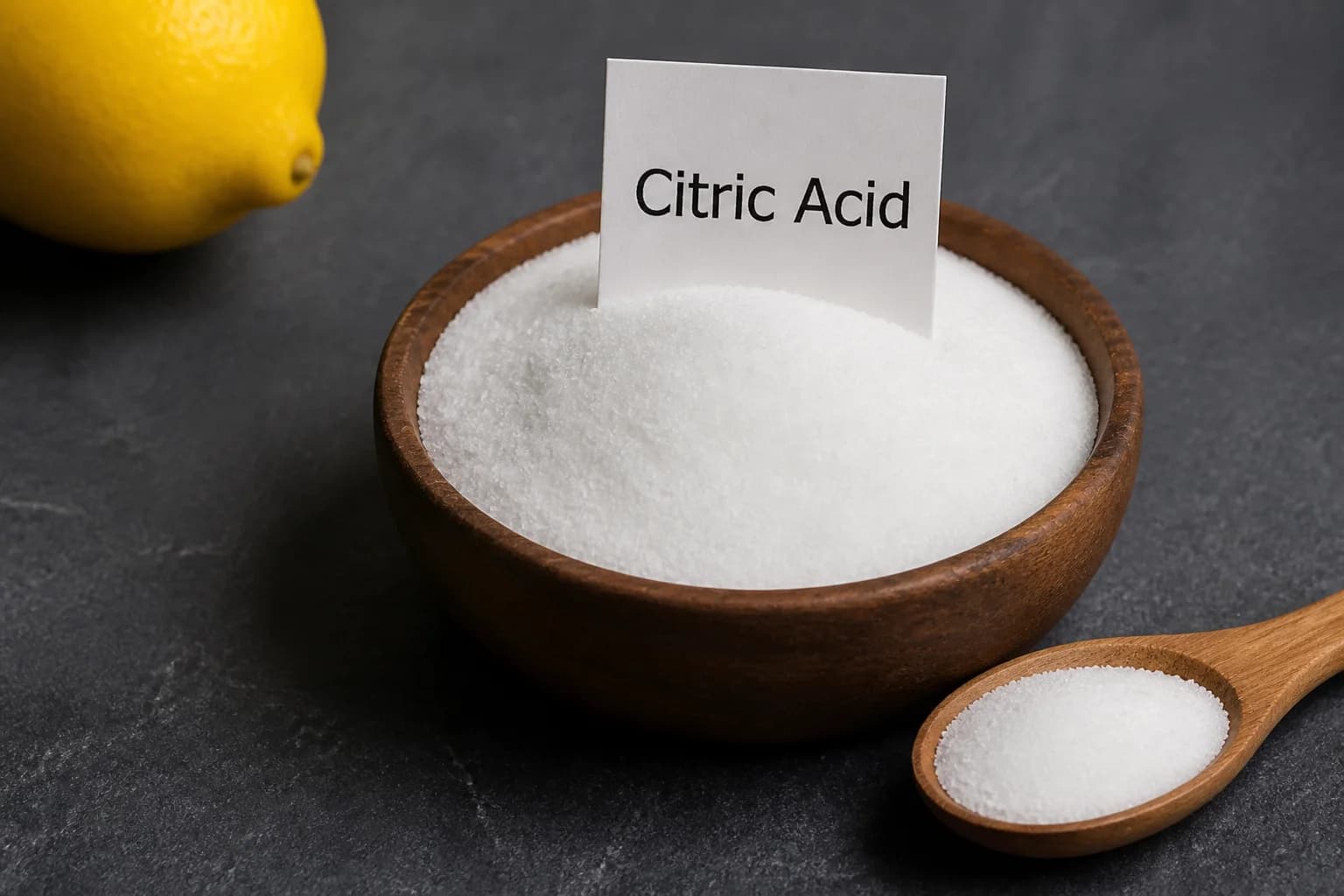
Citric acid is mostly used in citrus-flavored sodas like Sprite, Crush, and Mountain Dew, while phosphoric acid is added to darker sodas like colas. These drinks get their tartness from citric acid derived from citrus fruits or corn fermentation.
Sprite, 7UP, Sierra Mist, and similar lemon-lime sodas use citric acid exclusively. Mountain Dew and other citrus-flavored varieties follow the same pattern. The citric acid provides bright, sharp flavor without the mineral balance concerns.
Root Beer and Ginger Ale
Root beer surprisingly has the least acidity of all soft drink options, likely because it doesn’t contain citric or phosphoric acids and is often non-carbonated. Traditional root beer gets flavor from sassafras, vanilla, and other botanicals rather than acids.
Ginger ale typically uses citric acid in small amounts but far less than colas. Some brands minimize acidity altogether, relying on ginger extract and natural flavors for taste.
Natural and Specialty Brands
The clean label movement has spawned numerous soft drinks without phosphoric acid. These brands target health-conscious consumers specifically avoiding mainstream cola ingredients.
Whole Foods 365 brand cola uses citric acid and tartaric acid instead of phosphoric acid. Tartaric acid comes from grapes and provides different flavor notes without the phosphorus load.
Zevia creates cola taste using natural flavors, stevia, and citric acid. No phosphoric acid, no artificial sweeteners, no sugar. The trade-off is flavor that doesn’t exactly match traditional cola.
San Pellegrino sodas use real fruit juice and citric acid. They’re positioned as premium beverages with cleaner ingredient profiles.
Sparkling Water
Plain carbonated water contains carbonic acid from carbon dioxide reacting with water, but it’s unlikely to damage teeth since it doesn’t contain sugar or other acid additives. The carbonic acid is much weaker than phosphoric or citric acids.
Brands like LaCroix, Spindrift, and Nixie create flavored sparkling waters without any added acids beyond carbonation. The minimal acidity (pH 4-5 versus pH 2.5 for cola) reduces dental concerns significantly.
Soft Drinks Without Phosphoric Acid Options
| Beverage Type | Acid Used | pH Range | Brands |
| Lemon-Lime Sodas | Citric acid | 2.8-3.2 | Sprite, 7UP, Sierra Mist |
| Root Beer | Minimal or none | 4.0-5.0 | A&W, Mug, IBC, Barq’s |
| Ginger Ale | Citric acid (minimal) | 3.0-4.0 | Canada Dry, Schweppes, Seagram’s |
| Natural Colas | Citric/tartaric acids | 3.0-3.5 | Zevia, Whole Foods 365 |
| Sparkling Water | Carbonic acid only | 4.0-5.0 | LaCroix, Spindrift, Topo Chico |
| Citrus Sodas | Citric acid | 2.9-3.3 | Mountain Dew, Crush, Fanta |
The Chemistry Behind the Difference
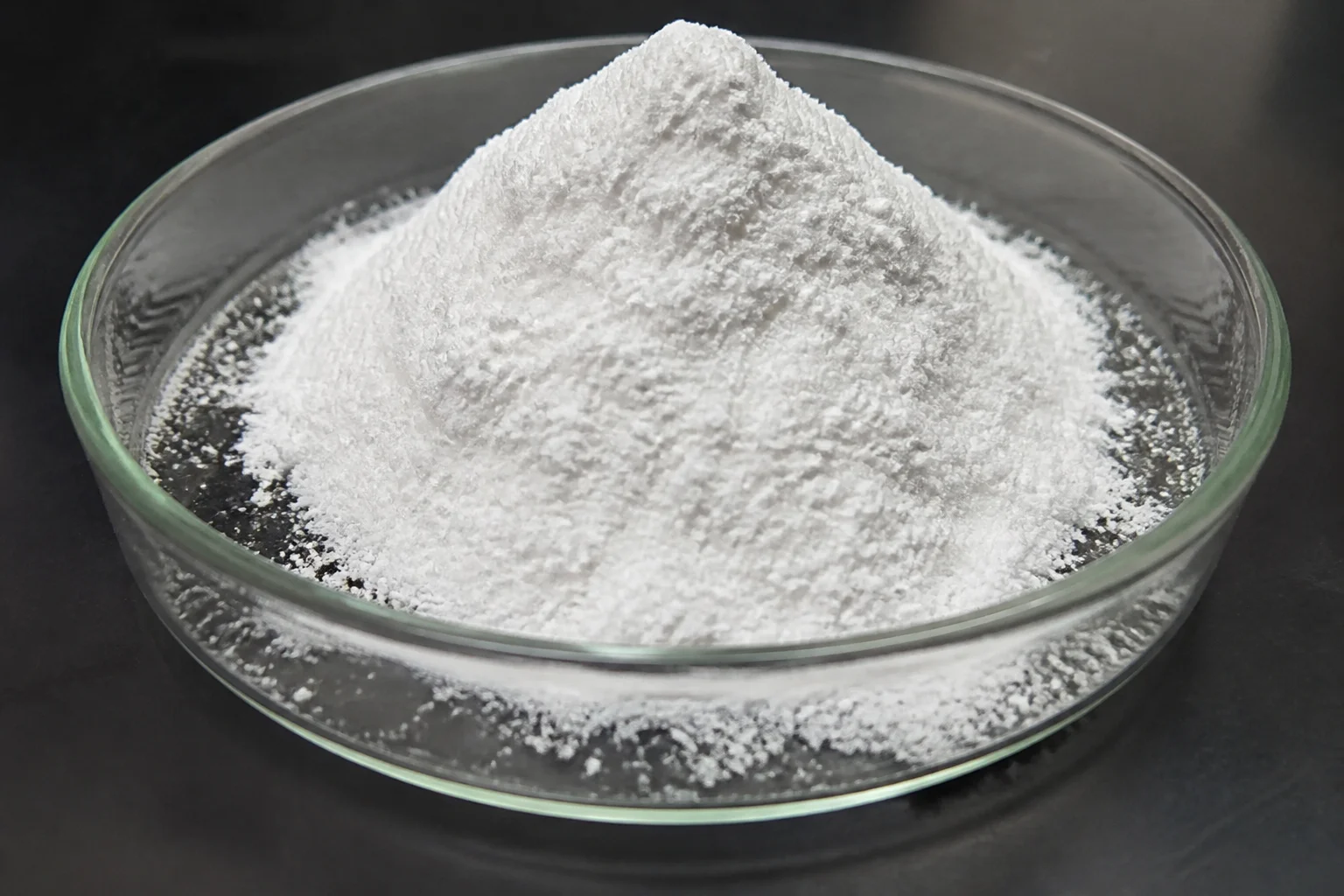
Phosphoric acid (H₃PO₄) contains phosphorus, obviously. When you consume it, your body metabolizes it into phosphate ions. These phosphates affect your mineral balance in ways citric acid doesn’t.
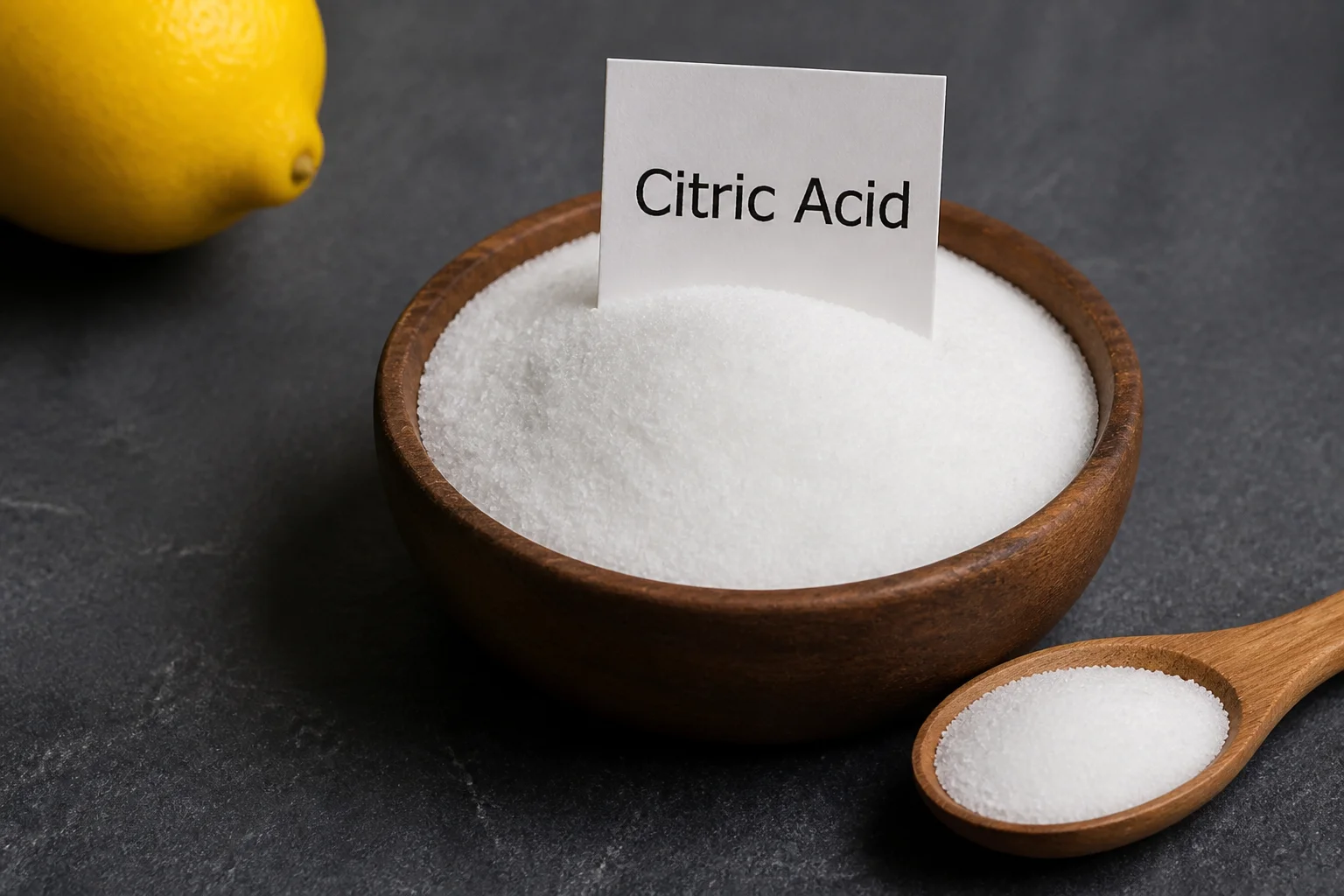
Citric acid (C₆H₈O₇) contains carbon, hydrogen, and oxygen but no phosphorus. Your body metabolizes citric acid through the Krebs cycle, the same energy production pathway that handles citric acid from oranges or lemons. It doesn’t disrupt phosphorus-calcium balance.
Both acids provide tartness through hydrogen ion donation. Both lower pH to prevent bacterial growth. The functional similarity means formulators can substitute one for the other, though flavor profiles differ.
Phosphoric acid gives cola beverages their deep, tangy bite that citric or malic acids often lack, resulting in phosphate-free colas tasting noticeably different, brighter and more citrusy, but less bold and balanced. That’s why major cola brands resist reformulation despite health concerns.
Consumer Trends and Market Response
Americans are reading ingredient labels more carefully. Google searches for “phosphoric acid” increased 65% from 2020-2024. Nutritionists, doctors, and health influencers increasingly mention phosphoric acid as a problematic ingredient.
Natural food stores report strong sales growth in alternative sodas. Zevia sales exceeded $200 million in 2023, growing 15% annually. Health food store soda categories now include “phosphoric acid-free” as a selling point.
Major brands notice the trend but move slowly. Reformulating Coca-Cola or Pepsi risks alienating consumers who prefer traditional taste. Instead, these companies expand portfolios with alternatives. Coke owns Sprite, Fresca, and Honest Tea. Pepsi owns Sierra Mist and Bubly. These phosphoric acid-free options capture health-conscious consumers without reformulating flagship products.
Making the Switch: Practical Considerations
Taste Expectations
If you’re switching from regular cola to alternatives, expect different flavors. Root beer offers sweetness without cola bite. Ginger ale provides spice notes. Citrus sodas lean bright and tangy.
Natural colas attempt to replicate traditional taste but don’t match exactly. Most people adjust within a few weeks as taste preferences adapt.
Caffeine Content
Many people drink cola for caffeine, not just flavor. Traditional Coke contains 34 mg caffeine per 12 oz. Pepsi has 38 mg. If you’re switching to caffeine-free alternatives, plan for that adjustment.
Mountain Dew contains 54 mg per 12 oz with citric acid instead of phosphoric acid. It’s a higher-caffeine option without the phosphorus concerns.
Sugar Content
Switching from phosphoric acid sodas doesn’t automatically make drinks healthier. Sugar content matters tremendously for metabolic health. A 12 oz Sprite contains 38g sugar, similar to Coke’s 39g. You’ve eliminated phosphoric acid but not the sugar problem.
Diet versions using artificial sweeteners avoid sugar but introduce different concerns. Weigh your priorities when choosing alternatives.
Special Considerations for High-Risk Groups
Kidney Disease Patients
Patients with chronic kidney disease are advised to reduce intake of processed foods such as soda and choose foods with naturally occurring, protein-bound phosphorus instead. Even citric acid sodas contain enough phosphorus to concern nephrologists.
Water, unsweetened tea, and coffee become better choices. If carbonation is desired, plain sparkling water provides fizz without added phosphorus.
Children and Adolescents
Bone mass accumulation during childhood and adolescence determines lifelong bone health. High phosphoric acid intake during these critical years may compromise peak bone mass.
Studies have shown a correlation between phosphoric acid in soft drinks and low bone density plus fractures in adolescent girls. Parents concerned about bone development should particularly avoid daily cola consumption in kids.
Postmenopausal Women
Osteoporosis risk increases dramatically after menopause. Women already losing bone density should avoid anything that might accelerate the process. Switching to soft drinks without phosphoric acid represents one modifiable risk factor.
Cost and Availability Considerations
Traditional colas cost $1.50-2.50 per six-pack at most grocery stores. Natural alternatives run $4-7 per six-pack. Premium sparkling waters cost $3-5 per six-pack.
The price premium reflects smaller production scales and natural ingredient sourcing. As demand grows, economies of scale should narrow the gap.
Availability varies by region. Urban areas with Whole Foods, Sprouts, or Trader Joe’s offer extensive alternatives. Rural areas may have limited options beyond Sprite and root beer.
Online ordering through Amazon or Thrive Market provides access anywhere but adds shipping costs that negate savings from bulk purchases.
Environmental and Production Differences

Phosphoric acid production involves mining phosphate rock, mostly from Florida, North Africa, and China. The environmental impact includes mining disruption, processing energy use, and waste management.
Citric acid production primarily uses fermentation of sugars by Aspergillus niger mold. This biological process requires less energy and creates less toxic waste than phosphoric acid production.
Natural cola alternatives using plant extracts and organic acids often emphasize sustainable sourcing. The environmental appeal attracts consumers motivated by both health and ecological concerns.
The Bottom Line on Phosphoric Acid in Beverages
After 25 years in chemical manufacturing and formulation, I’ve watched ingredient trends shift dramatically. Phosphoric acid faces growing scrutiny that won’t disappear. The research showing bone density effects and kidney concerns continues accumulating.
Does this mean you’ll die if you drink a Coke? Of course not. But daily consumption of multiple phosphoric acid sodas represents unnecessary health risks when alternatives exist.
Switching to soda without phosphoric acid eliminates one dietary risk factor. Combined with other healthy choices, it contributes to better long-term outcomes. The soft drinks without phosphoric acid available today taste good enough that most people adapt quickly.
Your bones build in childhood, maintain through middle age, and decline after 50. Protecting bone health throughout life means avoiding factors that accelerate loss. Phosphoric acid sodas represent one such factor you control completely.
Whether you choose citrus sodas, root beer, natural alternatives, or sparkling water, you’re making a choice that reduces phosphorus load on kidneys and bones. The taste difference exists but matters less than health benefits for most people making the switch.
The market continues expanding options. More brands recognize consumer demand for cleaner formulations. Expect continued growth in phosphoric acid-free alternatives as manufacturers respond to health-conscious Americans voting with their wallets.
For businesses formulating beverages or seeking quality acidulants for food products, Elchemy connects you with reliable chemical suppliers offering citric acid, tartaric acid, malic acid, and natural flavor extracts that create appealing beverages without phosphoric acid’s health concerns.