

The global erythritol market crossed $320 million in 2023, and it’s not slowing down. Walk into any food or beverage brand’s formulation meeting right now and erythritol will come up – keto snacks, zero-sugar RTDs, protein bars, chewable supplements. The demand is genuinely real. Finding a reliable erythritol supplier to meet it, though? That part is harder than it looks.
The challenge isn’t that suppliers don’t exist. They do, in volume. The problem is separating the legitimate ones from distributors with no quality control infrastructure, missing documentation, and pricing that only makes sense until you factor in freight and re-testing. Get this wrong and you’re not just paying more. You’re looking at rejected batches, regulatory headaches at customs, or a product launch that slips by six weeks.
This guide gives you a straight look at erythritol sweetener uses across industries, what a manufacturer should be able to prove before you commit, realistic pricing benchmarks, and how companies like Elchemy are helping buyers across 25+ countries source smarter.
What Is Erythritol and Why Your Source Matters

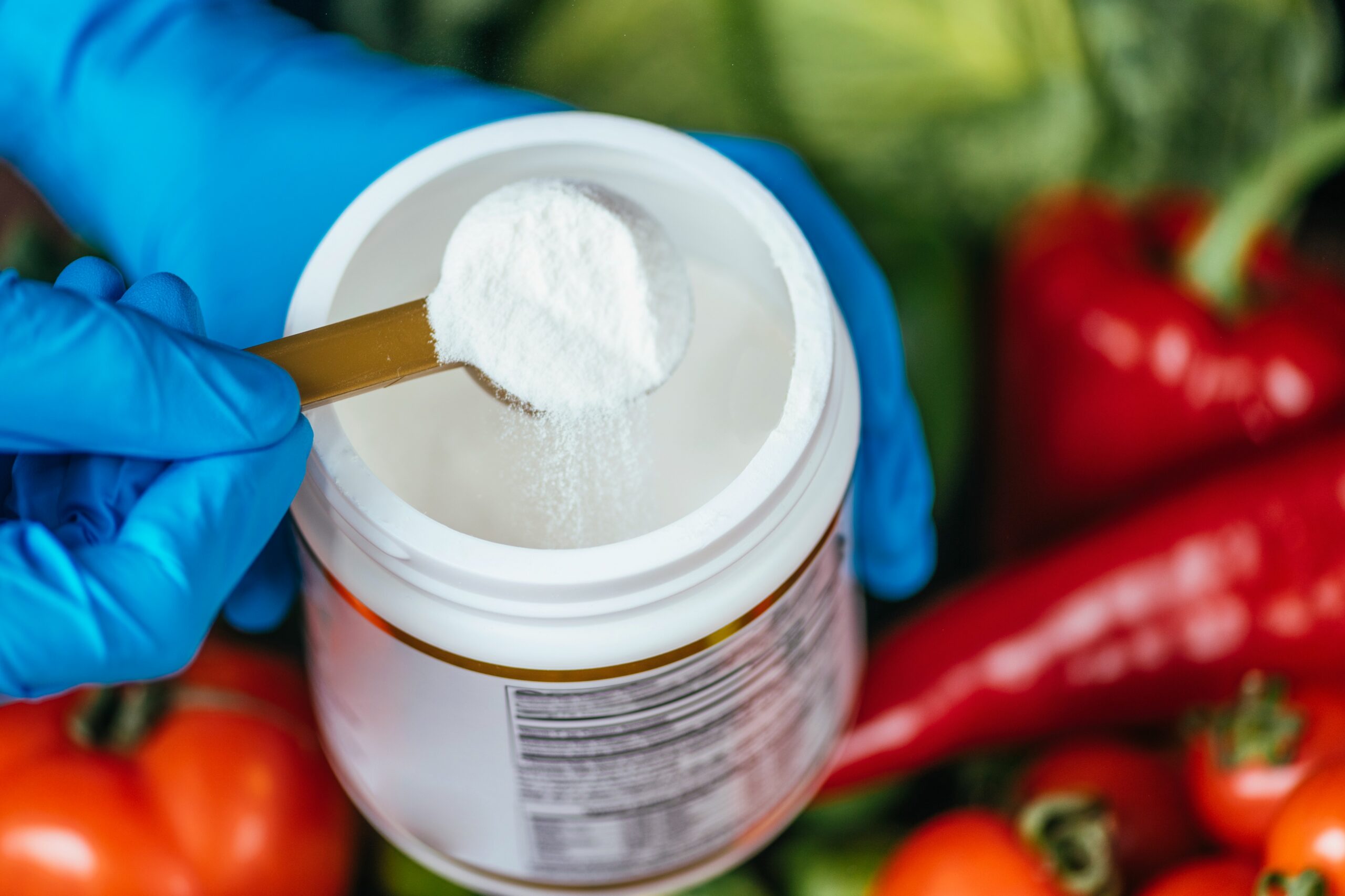
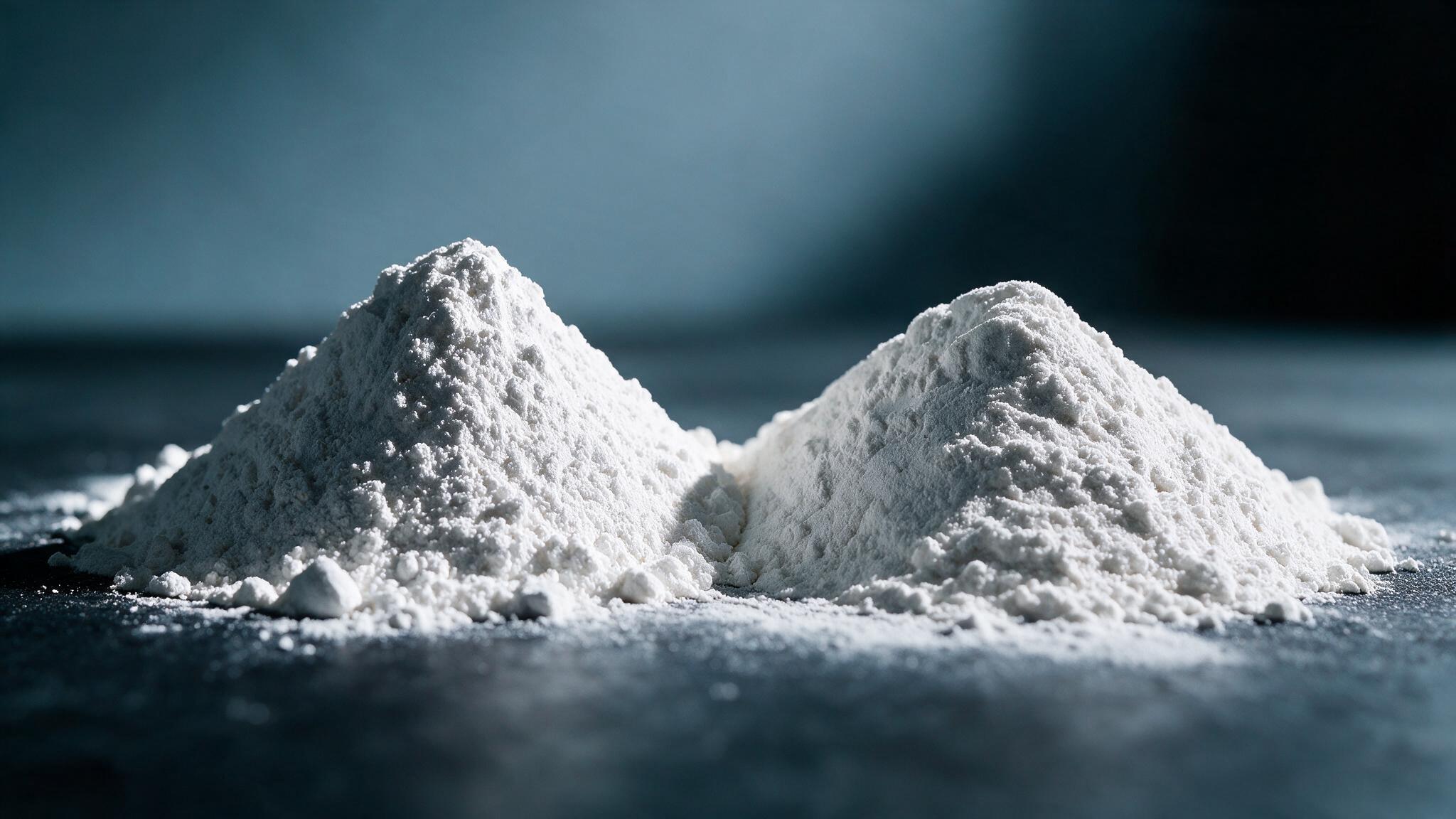
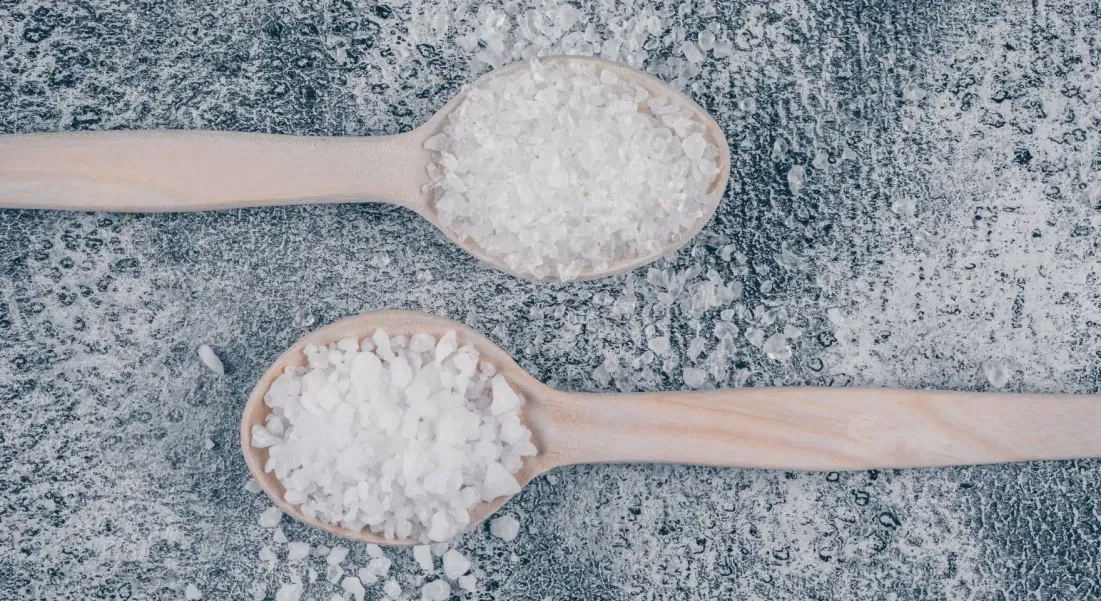
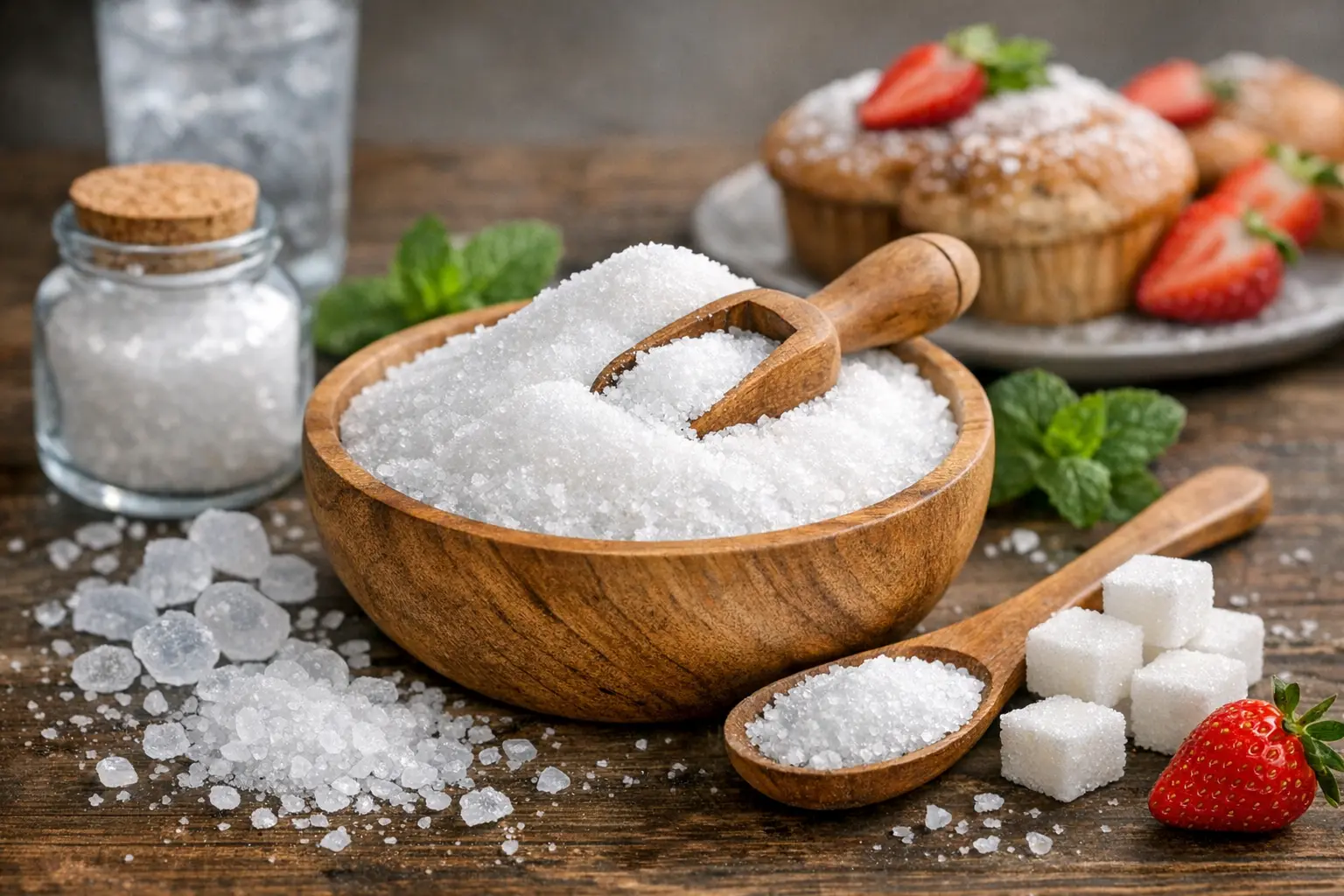
Erythritol is a sugar alcohol produced commercially through fermentation of glucose using specific yeast strains. It occurs naturally in small amounts in fruits and fermented foods. The end product is a white crystalline powder with roughly 70% of sugar’s sweetness, a glycemic index of zero, and a caloric value so close to nothing it’s effectively negligible at 0.2 kcal/g compared to sucrose’s 4 kcal/g.
That profile drives the demand. It doesn’t spike blood glucose. It doesn’t ferment in the mouth, so it’s tooth-friendly. And unlike most sugar alcohols, it has excellent oral tolerance – no laxative effect at typical doses – which matters enormously for brands worried about “may cause digestive discomfort” label disclosures.
Here’s the part that matters for sourcing: not all erythritol performs the same. The feedstock source (corn, cassava, wheat glucose), the fermentation strain, the filtration process, the crystal size distribution – all of it shapes how the final product behaves in your formulation. Off-flavors, high moisture content, uneven crystal structure – these problems won’t show up in a basic purity test but they will absolutely show up in your finished product.
Choosing a credible food grade erythritol manufacturer from the start is cheaper than reformulating six months into development.
Erythritol Sweetener Uses: Food, Beverage, and Industrial Applications
The range of erythritol sweetener uses is broader than most buyers initially expect. This isn’t a single-category ingredient.
Food and Confectionery
This is where the majority of volume goes globally. Baked goods, chocolate, hard candies, chewing gum, ice cream, protein bars. Erythritol is thermally stable up to around 160°C, which makes it practical in baking applications where other sweeteners would decompose or create texture problems.
Worth flagging honestly: erythritol produces a cooling sensation at higher usage rates. For most applications, that’s neutral. For a dark chocolate bar trying to feel indulgent, that cooling effect can read as almost mentholated if you push the concentration too high. Most formulators manage this by keeping erythritol as a partial replacement or blending it with other sweeteners. Just something to know before your first production run.
Beverages
RTD coffee, flavored sparkling water, sports and hydration drinks, functional beverages. The zero calorie sweetener angle is the primary draw, but erythritol also rounds out stevia’s bitter aftertaste – which is exactly why you see the two combined so often in clean-label beverage formulations. Solubility is decent at room temperature (~37g per 100mL), which works across most beverage applications without issue.
Pharmaceuticals and Nutraceuticals
Tablet coatings, cough drops, throat lozenges, chewable vitamins. The oral tolerance advantage over other polyols is significant here. Maltitol and sorbitol both carry documented GI concerns at realistic dose levels. Erythritol largely avoids that, which makes “no digestive discomfort” a legitimate differentiator in supplement marketing.
Personal Care
Toothpaste, mouthwash, breath-freshening products. Niche for now, but growing fast in the oral biome product category. The anti-caries property of erythritol is well-documented, and ingredient-conscious oral care brands are taking notice.
Each of these applications carries different technical requirements. An industrial erythritol supplier serving beverage brands cares about solubility and flavor clarity. A pharma buyer needs USP documentation and tighter microbial limits. Knowing your actual end use before you start talking to manufacturers saves everyone time and avoids a lot of back-and-forth.
How to Evaluate an Erythritol Manufacturer
This is where most sourcing mistakes happen. Price takes over the conversation early, the cheapest option wins, and three months later you’re chasing a supplier about a batch that failed moisture specs or a Certificate of Analysis that somehow doesn’t match what arrived on the pallet.
Here’s what to actually check:
Certifications That Matter
For food applications: ISO 9001 at minimum, FSSC 22000 or HACCP certification preferred. For EU or US distribution, the product should conform to EFSA or FDA standards. Organic-positioned products require certification from an accredited body – this narrows the available manufacturers considerably and moves the price up accordingly.
Documentation Response Time
A legitimate erythritol manufacturer responds to documentation requests fast. Certificate of Analysis, Safety Data Sheet, full specification sheets – these should be on hand immediately, not something they need two weeks to “prepare.” Slow or vague responses to documentation requests are a real signal, not a minor inconvenience.
Minimum Order Quantities
MOQs range from 100kg at some specialty distributors to 20+ metric tons for direct Chinese manufacturers. Know your actual volume requirements before starting conversations or you’ll waste time on both sides.
Lead Times vs. Your Inventory Position
From a China-based manufacturer, budget 4-6 weeks including freight. From a regional distributor in North America or Europe, typically 1-2 weeks. That speed premium is real. So is the inventory risk of betting everything on the longer timeline when your launch date is firm.
Samples First. Always.
Non-negotiable. Request samples before anything else. Any credible erythritol wholesale supplier will provide them without hesitation. If they push back, or require a purchase order as a precondition, find someone else. You need to test the product in your actual formulation before committing to volume – full stop.
Erythritol Price Per KG: What the Market Looks Like Right Now
The erythritol price varies more than buyers expect when they first start researching. Grade, origin country, certifications, and order volume all affect what you’ll actually pay. Here’s an honest benchmark based on 2024 market conditions:
| Grade | Typical MOQ | Approx. Price Per KG | Lead Time |
| Standard Food Grade (China-origin) | 1 metric ton | $2.50 – $3.50 | 4-6 weeks |
| Food Grade (EU / US Distributor) | 500 kg | $4.00 – $6.00 | 1-2 weeks |
| Certified Organic Food Grade | 500 kg | $6.00 – $9.00 | 4-8 weeks |
| USP / Pharmaceutical Grade | 100 kg | $7.00 – $12.00 | 6-10 weeks |
| Bulk Wholesale (10+ metric tons) | 10 metric tons | $2.00 – $2.80 | 4-6 weeks |
These are approximations. Currency fluctuations, freight cost swings, and seasonal supply pressure can shift these meaningfully – always get live quotes from at least three sources before anchoring on a number.
The gap between standard Chinese-origin food grade and certified organic from a verified supplier can reach $5-6/kg. At five metric tons, that’s a $25,000-$30,000 difference per order. Hard to ignore. But that math changes fast if a cheaper supplier delivers a batch with 0.4% moisture when you specified 0.2%. Rework, re-testing, production delays – those costs add up quickly and make the “savings” look embarrassing in hindsight.
For most mid-size buyers, the 2-5 metric ton range hits the right balance. Meaningful volume pricing without over-committing inventory capital. The erythritol price per kg typically drops again meaningfully around 10MT, so if your usage supports it, that’s the next threshold worth targeting.
How Elchemy Helps With Erythritol Sourcing
Traditional ingredient sourcing is slow and opaque by design. You send an inquiry. You wait days for a response. You negotiate without any real price transparency. And you still have no certainty about what’s arriving until it does.
Elchemy was built specifically to fix that model.
Elchemy operates as a technology-driven chemical distribution and custom manufacturing platform serving buyers across more than 25 countries. For erythritol sourcing specifically, here’s what that means in practice:
Verified Manufacturer Network
Every supplier on the platform goes through a verification process. Documentation – CoAs, spec sheets, certifications – is in order before you start the conversation. You’re not cold-emailing a manufacturer in a different time zone hoping someone responds within the week.
Transparent Bulk Pricing
You can buy erythritol in bulk directly through the platform, with pricing that reflects your actual order volume. No “call for pricing” friction. No opaque negotiation process where you’re guessing whether you’re getting a fair rate.
Custom Manufacturing
If your application requires specific crystal size distribution, a blended sweetener formulation, or a pharmaceutical-grade spec that goes beyond standard food grade, Elchemy’s custom manufacturing capability covers that. Particularly useful for nutraceutical and pharma buyers whose requirements go beyond off-the-shelf products.
Multi-Market Compliance Support
Regulatory documentation requirements vary significantly by destination market. Elchemy manages compliance across multiple markets simultaneously – which matters if you’re shipping to the EU, UAE, and Southeast Asia through the same supply chain.
End-to-End Logistics Coordination
From verified manufacturers to your warehouse, logistics is coordinated through the platform. Fewer intermediaries, fewer handoffs, fewer things that go wrong between origin and delivery.
If you want a long-term erythritol sourcing partner rather than a one-off transaction, the infrastructure here makes a real operational difference – especially as your volumes grow.
Looking for a reliable bulk erythritol supplier for food and beverage applications? Request bulk pricing and technical specifications from Elchemy. Book a demo at Elchemy
Where to Buy Erythritol: Comparing Your Sourcing Options

Knowing where to buy erythritol depends on your volume, timeline, and how much sourcing infrastructure you have internally. Here’s an honest breakdown of the main paths:
Direct from a Chinese Manufacturer
The lowest-cost option. Major players include Baolingbao Biology Co. (Shandong), Shandong Sanyuan Biotechnology, and Jungbunzlauer. Pricing is competitive, but you take on the full sourcing burden yourself – factory audits, third-party testing, import logistics, regulatory compliance documentation. Works well for experienced procurement teams with the bandwidth to manage the complexity.
Regional Distributor (US or EU)
Faster lead times, local accountability, and often smaller MOQs. You pay a margin for all of that, and it’s usually worth it for smaller buyers or those who need inventory flexibility. A good regional distributor also handles destination-market compliance, which takes a meaningful task off your plate.
B2B Marketplaces
Alibaba and Made-in-China are fine for supplier discovery and sample sourcing. Genuinely risky for large-scale purchasing without independent quality verification. The marketplace platform doesn’t guarantee anything about product quality, and disputes with overseas suppliers on these companies are notoriously slow and unsatisfying. Use them to find candidates, not to finalize procurement.
Specialty Chemical and Ingredient companies
This is where Elchemy fits in. The value is combining direct-source pricing with the accountability infrastructure – verified suppliers, compliance documentation, logistics coordination – that raw marketplace purchasing doesn’t offer. The best chemical manufacturing and distribution supplier relationships work because obligations and documentation are clear on both sides from the start.
If you need to buy erythritol online and want a verifiable, auditable supply chain, a specialty platform is the smarter route, even if the absolute price floor is marginally higher than going fully direct.
Erythritol Specifications: What to Ask Before You Commit
Before finalizing any supplier relationship, get written answers on these parameters. A reputable manufacturer will have all of this documented and ready.
| Parameter | Typical Food Grade Specification |
| Purity | ≥ 99.5% |
| Moisture Content | ≤ 0.2% |
| Ash Content | ≤ 0.1% |
| Appearance | White crystalline powder |
| Sweetness vs. Sucrose | ~60-70% |
| Glycemic Index | 0 |
| Caloric Value | ~0.2 kcal/g |
| Solubility at 25°C | ~37 g/100 mL |
| Heavy Metals | Per USP/EP limits |
| Microbial Limits | Per applicable pharmacopeia |
Beyond the numbers, ask specifically about crystal size distribution (relevant for tableting and beverage clarity), feedstock source and country of origin (affects Non-GMO and organic certification paths), available certifications (Kosher, Halal, Organic), and shelf life under your actual storage conditions. Most products are stable for 24-36 months in sealed, cool, dry storage, but confirm this explicitly.
One thing that trips up buyers consistently: a product can meet every figure in the table above and still have noticeable off-flavors if fermentation quality wasn’t tightly controlled. Sensory evaluation during the sampling phase is as important as the lab analysis. Don’t skip it.
Frequently Asked Questions
What should I look for when choosing an erythritol supplier?
Start with certifications – ISO 9001 and FSSC 22000 for food applications, USP compliance for pharmaceutical use. Check how quickly they respond to documentation requests. A reliable supplier has CoAs and spec sheets ready immediately. Request samples before any volume commitment, and ask specifically about crystal size, feedstock origin, and available certifications. Price is the last factor to evaluate, not the first.
Where can I buy erythritol in bulk?
Direct from Chinese manufacturers (Baolingbao, Sanyuan Biotechnology) for the lowest per-kg cost, but with higher sourcing overhead. Through regional distributors in the US or EU for faster delivery and local accountability. Or through verified companies like Elchemy, which offer bulk pricing alongside compliance support and logistics coordination. The right path depends on your volume and internal sourcing capacity.
What is the typical erythritol price per kg for bulk orders?
Standard food grade erythritol from Chinese-origin manufacturers runs roughly $2.50-$3.50/kg at 1+ metric ton quantities. EU or US distributed product typically comes in at $4.00-$6.00/kg with faster lead times. Certified organic grades range from $6.00-$9.00/kg. Pharmaceutical-grade USP product can reach $12/kg depending on quantity and documentation requirements. These reflect 2024 market conditions and shift with freight costs and raw material availability.
Is erythritol quality consistent across manufacturers?
No, and this is where buyers get surprised. Feedstock source, fermentation strain, and processing standards all affect the final product. Two products that technically meet the same purity specification can still perform differently in flavor, moisture behavior, and texture. Always run samples in your actual formulation before placing a production order.
What certifications should a food grade erythritol manufacturer have?
At minimum, ISO 9001 and HACCP or FSSC 22000. For EU or US market access, EFSA or FDA conformance documentation. For organic positioning, certification from a recognized accrediting body. For pharmaceutical applications, USP compliance. Depending on your retail or distribution channel, you may also need Kosher, Halal, or Non-GMO certifications – confirm which apply to your specific market before shortlisting suppliers.
Can erythritol be used in pharmaceutical products?
Yes, but it needs to meet a higher standard than standard food grade. Pharmaceutical-grade erythritol carries USP documentation, tighter microbial specifications, and stricter process validation requirements. Not all food grade manufacturers produce pharmaceutical-grade products under the same conditions, so this needs to be confirmed explicitly if pharmaceutical application is part of your use case.
Conclusion
Sourcing erythritol at scale is straightforward once you know what to look for. Certifications before price. Samples before commitment. Total landed cost, not just the per-kg number. And a supplier who treats documentation as a standard part of the process, not a favor they’re doing you.
The erythritol market is competitive enough that quality options exist at every price point. But that same competition means plenty of low-quality options are happy to take your order and let you discover the problems later.
Erythritol price per kg ranges from roughly $2.00 for high-volume bulk wholesale to $12+ for pharmaceutical-grade product – always get three live quotes before anchoring on any number
Food grade specification minimums include purity ≥99.5% and moisture ≤0.2%, with full certification documentation available on request from any legitimate manufacturer
Your sourcing route (direct manufacturer, regional distributor, specialty platform) should match your volume, compliance requirements, and internal sourcing bandwidth – not just your price target
Sensory testing during sampling is non-negotiable; a spec sheet doesn’t tell you how a product behaves in your actual formulation
If you’re ready to move from research to procurement, Elchemy is worth a serious look. Verified suppliers, transparent bulk pricing, multi-market compliance support, custom manufacturing options – all through a single sourcing partner trusted by buyers across 25+ countries. Request bulk pricing and technical specifications from Elchemy today.