
Stevia
ELFABTM – Stevia

Get Pricing for This Product
Need pricing? Request a quote for this product and we'll get back to you shortly.
 Free Samples Available
Speed Up Your Sample Testing Process
We deliver domestic samples within 24 - 48 hours, helping you evaluate product without delays.
Stevia is a natural, zero-calorie sweetener extracted from the leaves of the Stevia rebaudiana plant, supplied as a white crystalline powder of purified steviol glycosides. It functions as a natural…
CAS Number
91722-21-3
HS Code
29389090
INCI Name
Stevia
Molecular Formula
C38H60O18
Stevia
ELFABTM – Stevia
Stevia is a natural, zero-calorie sweetener extracted from the leaves of the Stevia rebaudiana plant, supplied as a white crystalline powder of purified steviol glycosides. It functions as a natural high-intensity sweetener, sugar replacer across food & beverage, nutraceuticals,…
CAS Number
91722-21-3
INCI Name
Stevia
HS Code
29389090
Molecular Formula
C38H60O18
Get Pricing for This Product
Need pricing? Request a quote for this product and we'll get back to you shortly.
Free Samples AvailableSpeed Up Your Sample Testing Process
We deliver domestic samples within 24 - 48 hours, helping you evaluate product without delays.
 By

Specialty chemicals, delivered right
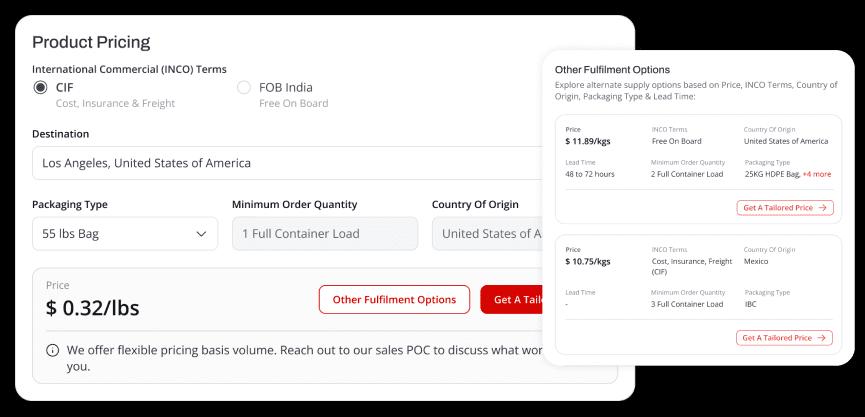
Access live, grade-specific pricing for every chemical, so your teams talks with data, not intuition on Elixir.
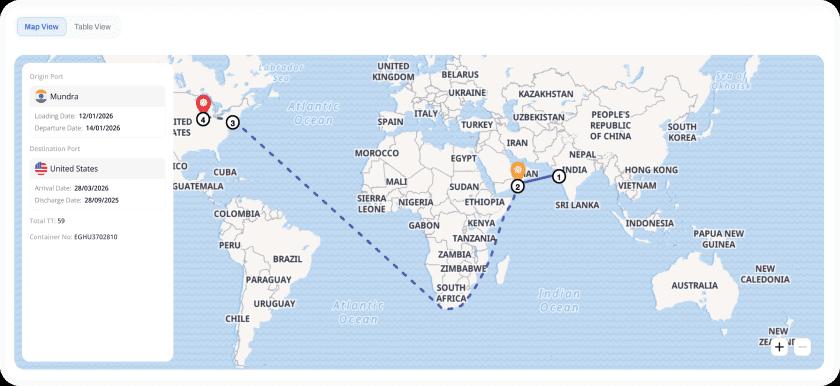
Compare fulfilment options across grades, INCO terms, origins, and lead times: all in one platform.

Live, transparent pricing
Real-time quotes across 12,000+ specialty chemicals.
Product Specification
Physical Properties
| Property | Specification |
|---|---|
| Appearance | White to off-white powder |
| Odor | Some extracts may have undesirable licorice aromas. |
| Molecular Formula | C38H60O18 |
| Density / Specific Gravity | 1.0 g/cm³ |
| Ph (Aqueous Solution) | Approximately 6.0 - 8.0 |
| Assay / Purity | Food & Pharmaceutical Grade: ≥95% steviol glycosides |
Chemical Properties
| Property | Specification |
|---|---|
| Incompatibilities | Oxidizing agents, strong acids. |
| Hazardous Reactions / Decomposition Products | With heat, the product burns/oxidizes to form carbon, carbon monoxide, and/or carbon dioxide, and smoke. |
Thermal Properties
| Property | Specification |
|---|---|
| Melting Point | 196-198°C |
| Boiling Point | Decomposes before boiling |
| Decomposition Temperature | Thermally stable up to 200°C. |
| Thermal Stability | Stevia is heat-stable, allowing it to retain sweetness during high-temperature processes like baking and pasteurization. |
Processing Methods & Reference Formulations
A. Low-Calorie Orange Nectar (50% Juice)
A sugar-free orange nectar formulation.
| Key Ingredients | Indicative Dosage (% w/w) |
|---|---|
| Orange juice concentrate (60 Brix) | 9.52% |
| Processed water | 90.48% |
| Citric acid | 0.58% |
| Stevia | 0.05% |
B. Sugar-Free Chewing Gum
A formulation for a sugar-free chewing gum.
| Key Ingredients | Indicative Dosage (% w/w) |
|---|---|
| Gum base | - |
| Sorbitol | - |
| Maltitol | - |
| Glycerin | - |
| Natural flavors | - |
| Stevia | 0.7% - 5.5% |
| Lecithin | - |
| Carnauba wax | - |
Dosing Guidelines
A. Dosing by Application
| Application | Recommended / Max Dosage |
|---|---|
| Sugar-free water-based flavored drinks | 160 - 700 mg/kg |
| Sugar-free dairy-based drinks | 500 - 700 mg/kg |
| Sugar-free fruit juice-based drinks | 300 - 700 mg/l |
| Sugar-free desserts (water, dairy, fruit, egg, cereal, or fat-based) | 350 - 1000 mg/kg |
| Breakfast cereals | 600 - 1000 mg/kg |
| Sugar-free edible ices | 500 - 800 mg/kg |
| Sugar-free canned or bottled fruit | 350 - 1000 mg/kg |
| Energy-reduced jams, jellies, marmalades | 500 - 2000 mg/kg |
| Sugar-free confectionery | 1000 - 3000 mg/kg |
| Sugar-free chewing gum | 700 - 5500 mg/kg |
| Fine bakery wares | 500 - 2000 mg/kg |
| Sauces and mustards | 300 - 500 mg/kg |
| Solid dietary supplements | 300 - 2000 mg/kg |
| Liquid dietary supplements | 300 - 600 mg/kg |
| Pharmaceutical preparations | 1000 - 5000 mg/kg |
| Acceptable Daily Intake (ADI) | 4 mg/kg of body weight (expressed as steviol equivalents) |
About Stevia
Stevia is a natural, zero-calorie, plant-derived sweetener made from the purified steviol glycosides of the Stevia rebaudiana leaf. Between roughly 200 and 350 times sweeter than sugar, it is the leading natural high-intensity sweetener, used to reduce or replace sugar in beverages, dairy, confectionery, tabletop sweeteners, nutraceuticals and pharmaceuticals, with no calories and no glycaemic impact. Its key selling points are being natural, zero-calorie and non-glycaemic, the combination driving clean-label sugar reduction. Grades are defined by their steviol glycoside profile: high-purity rebaudioside A (Reb A 97%/98%) gives the cleanest, most sugar-like taste, while stevioside and total-steviol-glycoside grades are more economical. Industrial buyers sourcing Stevia in bulk also track stevia pricing closely, since it feeds directly into their downstream costs - which is why working with an established stevia supplier and distributor like Elchemy matters.
Manufacturing Process of Stevia
Stevia sweetener is produced by extracting the steviol glycosides from dried stevia leaves with water, then purifying the extract through filtration, resin adsorption, ion exchange and crystallisation to isolate and concentrate the desired glycosides (chiefly rebaudioside A). The purified glycosides are spray-dried to a white powder. The glycoside profile - particularly the Reb A percentage - is the master quality and taste parameter. Newer bioconversion/fermentation routes also produce specific high-purity glycosides. As a quality-focused stevia manufacturer and sourcing partner, Elchemy tests every shipment for total steviol glycoside content, rebaudioside A percentage, moisture and heavy metals before dispatch, with a Certificate of Analysis travelling alongside each order.
Stevia Price & Bulk stevia: Bulk Pricing Guide
If you are comparing bulk stevia for bulk procurement, Elchemy provides quotes based on your exact requirements. Share your volume, grade, destination and packaging on the quote form and our team reverts with a detailed offer within 24 to 48 hours. Pricing is quoted rather than published because the cost is driven by the stevia leaf crop and extraction/purification cost, not a fixed list. This is why a live quote from a stevia supplier is always more accurate than any headline figure. Beyond that, several factors shape the final stevia price: grade, committed volume, origin country, packaging format, freight, Incoterm (FOB, CIF or DDP) and import duty (HTS 2938.90 for US-bound shipments). For an approximate read on where the market sits, procurement teams often reference stevia leaf and steviol glycoside price benchmarks. Trade publications also report the stevia price per kg as a unit-level benchmark, useful for spotting short-term regional shifts. At bulk procurement scale, the stevia price per ton (or per MT) is the most relevant commercial unit, since contracts are negotiated at that level. For an exact rate, none of these replaces a direct quote. Your final price depends on contract structure, destination, volume and timing - so a quote from our team is always the most accurate number for your procurement.
Packaging & Logistics for Bulk Stevia
Stevia ships in standard export packaging - bags, drums, IBCs or bulk as the material requires - with both metric and imperial weights, supplied to your specification. A typical 20' container holds a full commercial load depending on packaging. For US, UK and UAE buyers, Elchemy arranges compliant freight and customs documentation, offering EXW, FOB, CIF and DDP terms. Transit times and stock position are confirmed at quotation, and samples are dispatched within 24 to 48 hours. Store per the conditions on the TDS. As a global stevia distributor, Elchemy ships to 40+ countries with the documentation each destination market requires.
Why Choose Elchemy as a Trusted Stevia Supplier
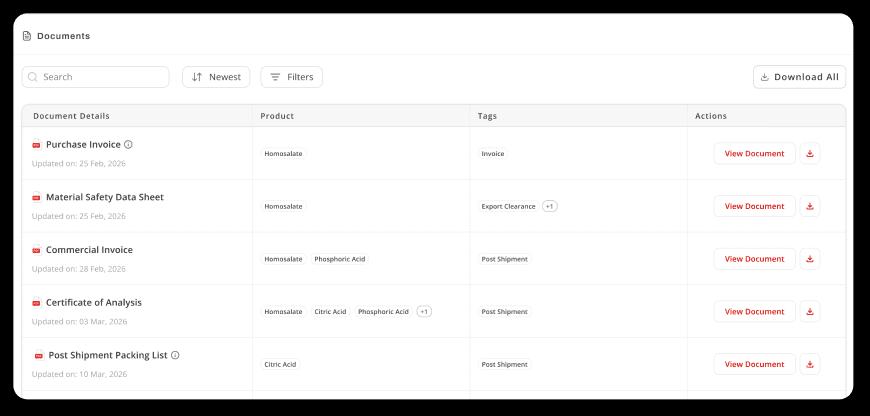
Elchemy makes sourcing Stevia straightforward for industrial buyers. Every order ships with a Certificate of Analysis, TDS and GHS-aligned SDS as standard, across the grades listed above. Because we source across multiple origins, we quote the best landed cost for your destination rather than a single stevia manufacturer's list price. Partner plants operate to recognised quality standards (ISO 9001, plus food/pharma certifications where relevant), with Halal and Kosher documentation on request. From the USA and UK to the UAE and beyond, Elchemy serves as a single stevia supplier, manufacturer and distributor relationship - with samples before bulk and pricing tailored to your volume and contract terms.
Safety & Handling
Not classified as hazardous under GHS and not DOT-regulated. Handle as a food powder with basic dust control. High-purity steviol glycosides (≥95%) are recognised as safe by the FDA, EFSA and JECFA, with an established acceptable daily intake, and are non-caloric, non-glycaemic and tooth-friendly. The main sensory consideration is a liquorice-like or bitter aftertaste at higher doses, more pronounced in lower-Reb-A grades - addressed by using high-Reb-A grades and sweetener blends. Note that only purified steviol glycosides are approved as sweeteners; crude whole-leaf and unrefined extracts are not. The powder is a nuisance dust only. The full 16-section GHS-aligned SDS is available alongside every Stevia order.
- Natural Sweetener: Derived from the Stevia plant, offering a natural alternative to artificial sweeteners.
- Function: Sweetener, Flavor Enhancer
- Calorie-Free: Provides sweetness without adding calories, ideal for weight management and diabetic-friendly products.
- Features: Zero-calorie, natural plant origin, high sweetness intensity (200-400x sugar), heat stable.
- High Sweetness Intensity: 200-300 times sweeter than sugar, allowing for reduced usage and cost savings.
- Benefits: Does not raise blood glucose or insulin levels, making it suitable for diabetics. Aids in weight management by reducing caloric intake. Non-cariogenic (does not cause tooth decay).
- Heat Stable: Suitable for cooking and baking applications, maintaining sweetness under high temperatures.
- Flavor Enhancer: Improves taste profiles by masking bitterness and enhancing overall flavor.
Regulatory Compliance
| Region | Max Allowed Level | Notes | Certification Body |
|---|---|---|---|
| United States | - | High-purity (≥95%) steviol glycosides are Generally Recognized As Safe (GRAS) for use as a general-purpose sweetener in foods and beverages, excluding meat and poultry. Whole leaf and crude stevia extracts are not permitted as food additives but can be sold as "dietary supplements". | FDA GRAS Notification |
| European Union | 30% | Approved as a food additive (E960). Only high-purity (≥95%) steviol glycosides are permitted. Raw or crude stevia leaves are not approved. Labels must list "steviol glycosides" or "E960". | EFSA Approval, REACH (if applicable) |
| Canada | 4% | Purified stevia extract (minimum 95% steviol glycosides) is regulated as a food additive and approved for use in various food categories, including tabletop sweeteners and nutritional supplement bars. | Health Canada Approval |
| India | - | Steviol glycoside is approved as a non-caloric sweetener for use in various food categories. | FSSAI Approval |
| Japan | - | Stevia extracts have been widely used as a food and beverage sweetener for many years. | MHLW compliance |
| Australia | - | Steviol glycosides are an approved food additive (code number 960). | FSANZ Approval |
| China | - | Approved as a food additive (sweetener). The national standard (GB 1886.355-2022) applies to steviol glycosides extracted from Stevia leaves. | NHC Approval |
| Republic of Korea | - | Approved for use in foods. | MFDS compliance |
| ASEAN | - | Approved for use in many ASEAN countries including Malaysia. | Local FDA/Regulatory Body Approval |
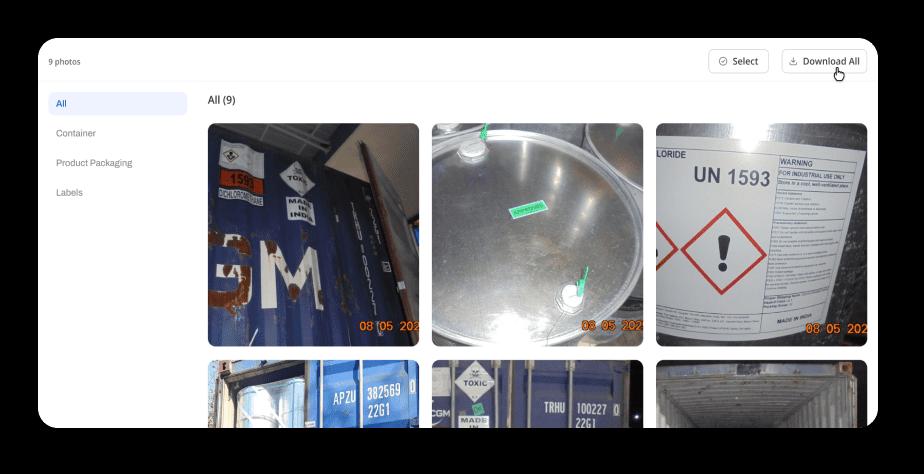
Know Exactly What You’re Getting
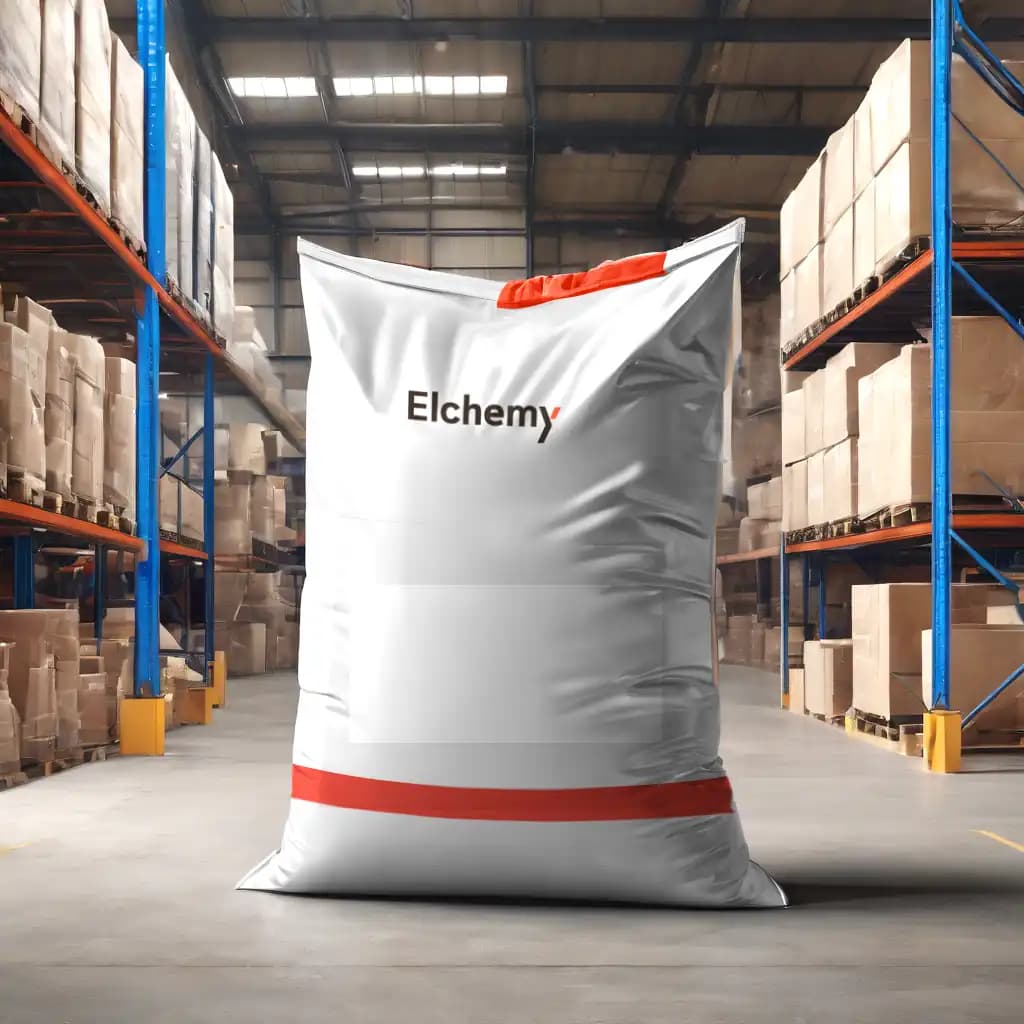
We share stuffing photos for your order, so you see how it’s packed before it leaves.
 Batch-labelled drums and bags
- Lashed and secured for sea transit
- Inspected before sealing
FAQs - Stevia
Related Products
Related Products

Streamline
Your Chemical
Procurement
Get fast responses from real experts