

At a Glance
- What it is: What is poly aluminium chloride (PAC)? It is a pre-hydrolyzed, polymeric aluminium coagulant used to remove turbidity, suspended solids, and organic contaminants from water.
- Performance: PAC typically delivers 88–99% turbidity removal and 50–90% color removal; studies from Indian water authorities suggest roughly 1 kg of PAC can replace 3–4 kg of alum.
- Market size: Estimated at roughly USD 1.5–2.2 billion globally in 2026, with water treatment accounting for the large majority of demand.
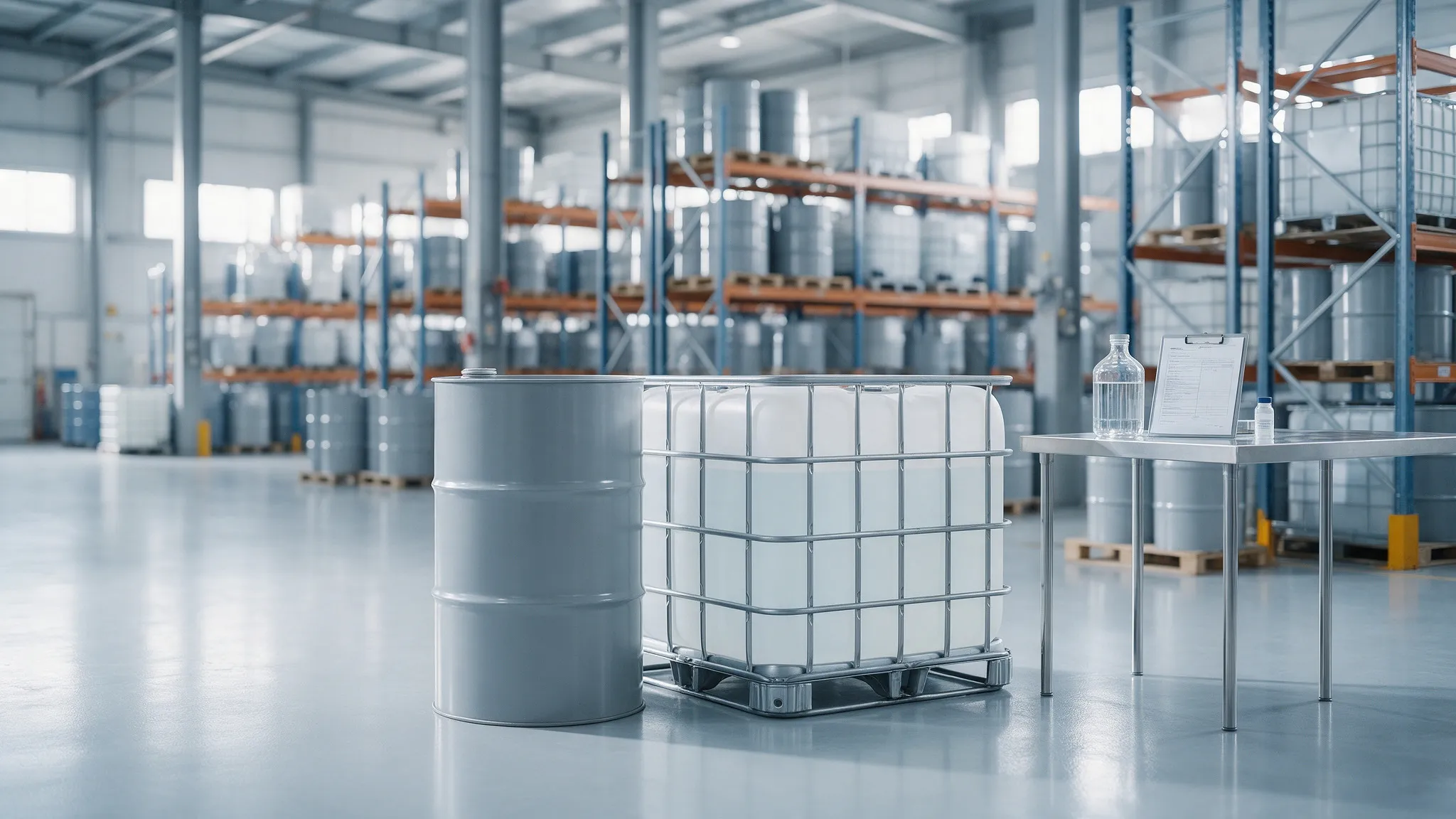
- Forms: Available as liquid or powder (spray-dried, granular, or drum-dried), chosen based on plant infrastructure and storage capacity.
- Grades: Vary by basicity (low, medium, high) and application (drinking water, industrial, wastewater). Matching the right grade to your water source is the biggest lever on treatment performance.
What you’ll learn: what PAC is, its formula and structure, what basicity means, the different grades and forms available, how PAC works in treatment, its uses across industries, and how to choose the right grade.
Introduction
If you’re trying to understand what Poly Aluminium Chloride (PAC) actually is, and why it’s one of the most widely specified coagulants in water treatment, this guide covers the fundamentals. Water treatment chemicals are under more scrutiny than ever as regulations tighten, and PAC sits at the center of that shift.
The global Polyaluminum Chloride (PAC) market reached a valuation of approximately USD 1.5–2.2 billion in 2026. Market analysts forecast steady annual growth throughout the next decade, propelled by increasing water scarcity, stricter drinking water standards, and the rising demand for industrial wastewater treatment.
Industries ranging from municipal water and wastewater management to paper and textile manufacturing rely on PAC for efficient treatment processes. This guide outlines the chemical composition, structure, and basicity of PAC, details the available product grades, and provides actionable insights for optimizing its use across various industrial applications. If you’re already evaluating suppliers, go straight to Elchemy’s poly aluminium chloride supplier page for specifications and a quote.
What Is Poly Aluminium Chloride? An Overview
Manufacturers synthesize Poly Aluminium Chloride (PAC) as an inorganic polymeric coagulant by partially neutralizing and polymerizing aluminium chloride before it reaches the treatment plant. As a pre-hydrolyzed coagulant, PAC differs from conventional alternatives: its active aluminium species arrive at the point of application already structured into large, positively charged polymer chains.
Because those species are already formed, PAC reacts almost immediately once dosed, neutralizing the negative surface charge on suspended particles and pulling them into larger, faster-settling flocs.
Industries increasingly choose PAC over conventional coagulants like alum for a few reasons:
- Wider effective pH range, reducing the need for pH correction chemicals
- Lower dosage for the same clarification outcome
- Significantly less sludge per treatment cycle
- Lower residual aluminium left in treated water
These translate into lower chemical and sludge disposal costs, and more consistent plant performance, which is why PAC has steadily displaced alum across large parts of the municipal and industrial water treatment market.
Poly Aluminium Chloride Formula and Chemical Composition
Chemical Formula of PAC
On Elchemy’s own specification sheet, PAC’s molecular formula is listed as:
Aln(OH)mCl(3n-m)
You’ll also see it written in the literature as [Al₂(OH)ₙCl₆₋ₙ]ₘ, where “n” is the degree of hydrolysis (basicity) and “m” the degree of polymerization. PAC carries CAS number 1327-41-9 and HS code 28.27.32.
Why there’s no single fixed molecular formula: PAC isn’t one exact compound, it’s a family of related aluminium hydroxychloride polymers. Manufacturers adjust hydrolysis and polymerization degree to hit different basicity and purity targets, so the ratio shifts from grade to grade and supplier to supplier. Treat any PAC formula as a general template, and check the actual supplier specification sheet for the exact ratio.
Main Chemical Components
- Aluminium content: the active coagulating element, expressed as % Al₂O₃
- Hydroxyl groups (OH⁻): determine basicity and charge density
- Chloride ions (Cl⁻): balance the aluminium-hydroxide complex
- Polymerized aluminium species: larger chains that drive coagulating strength
Physical Properties
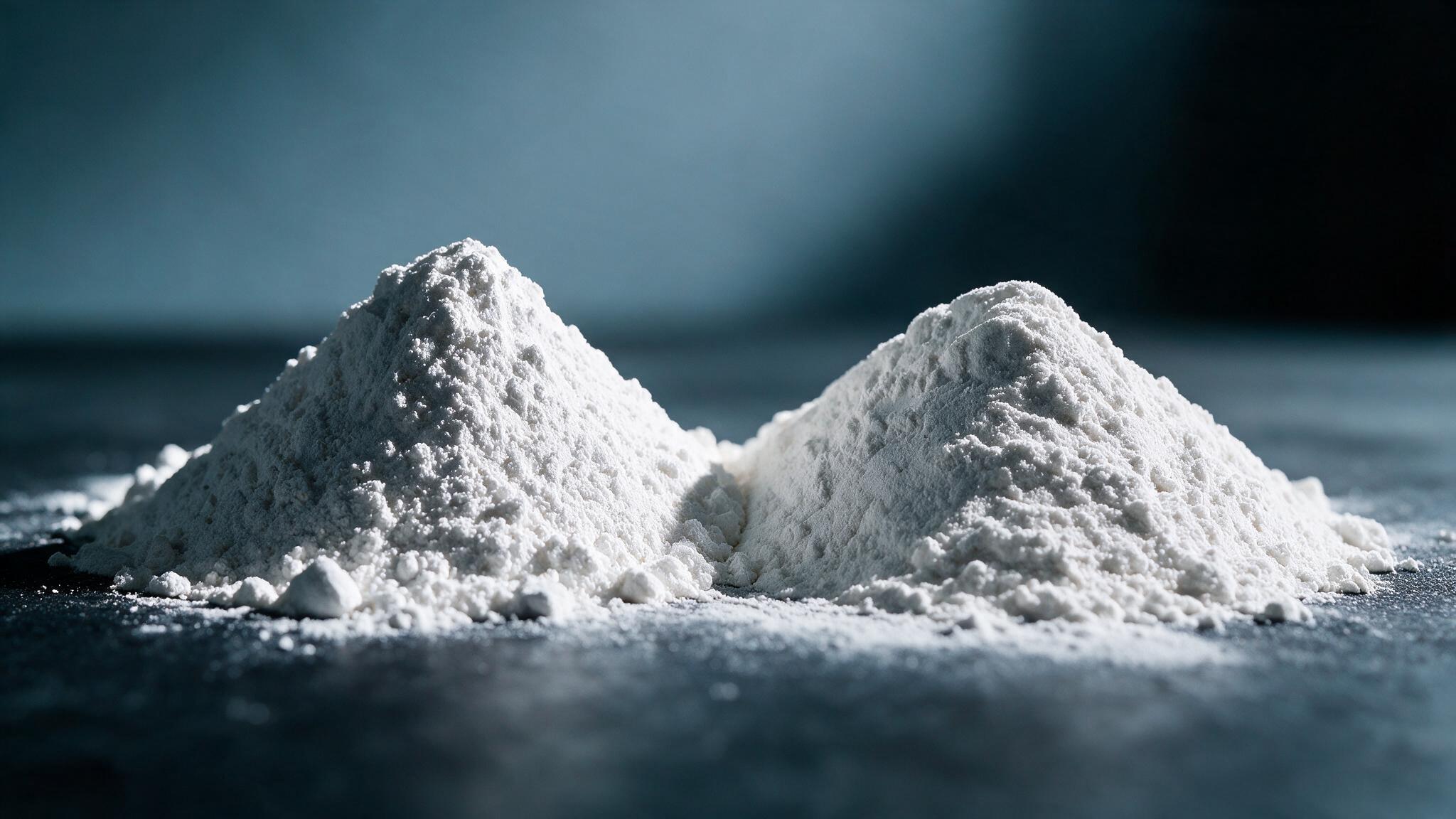
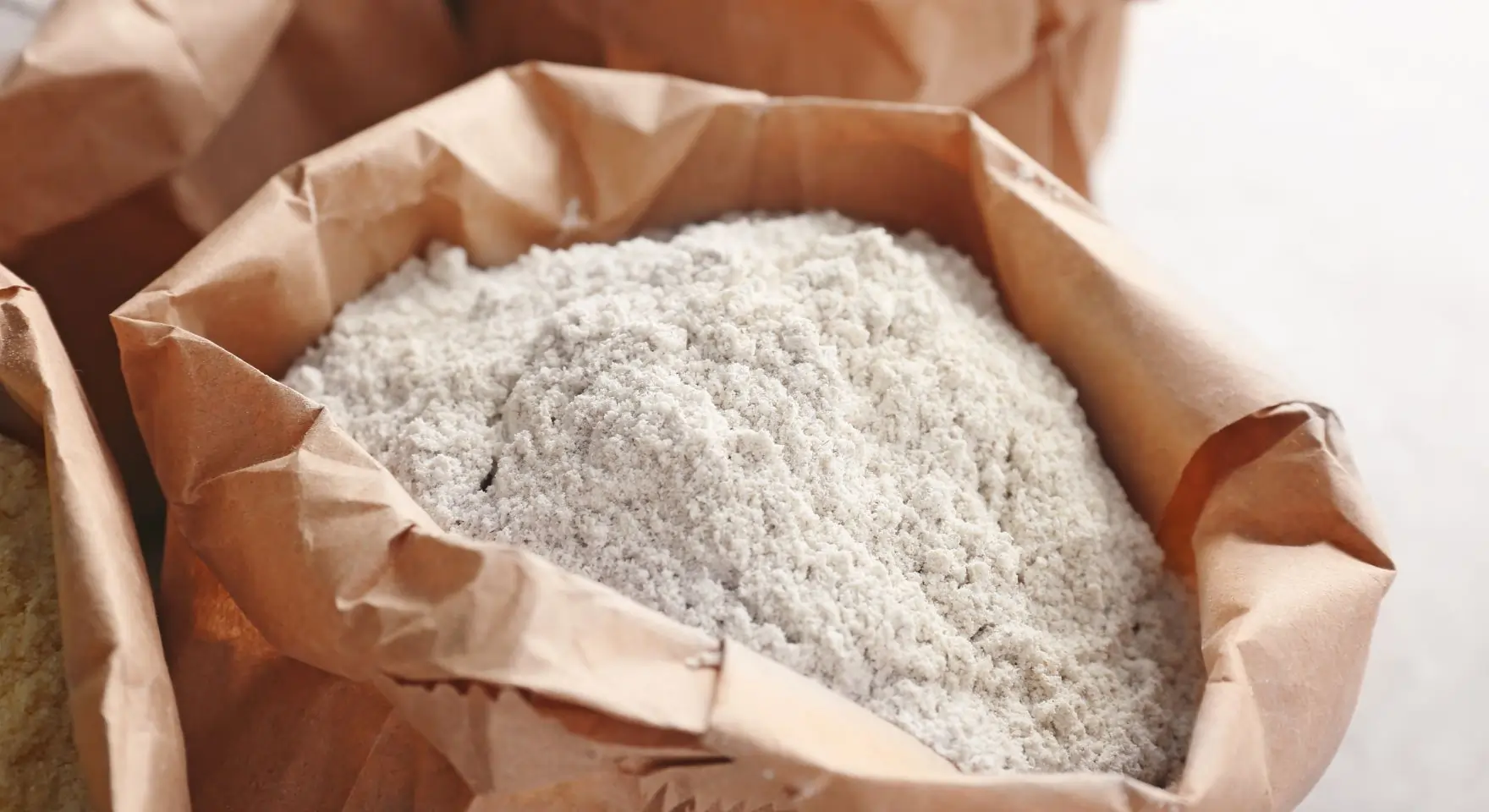
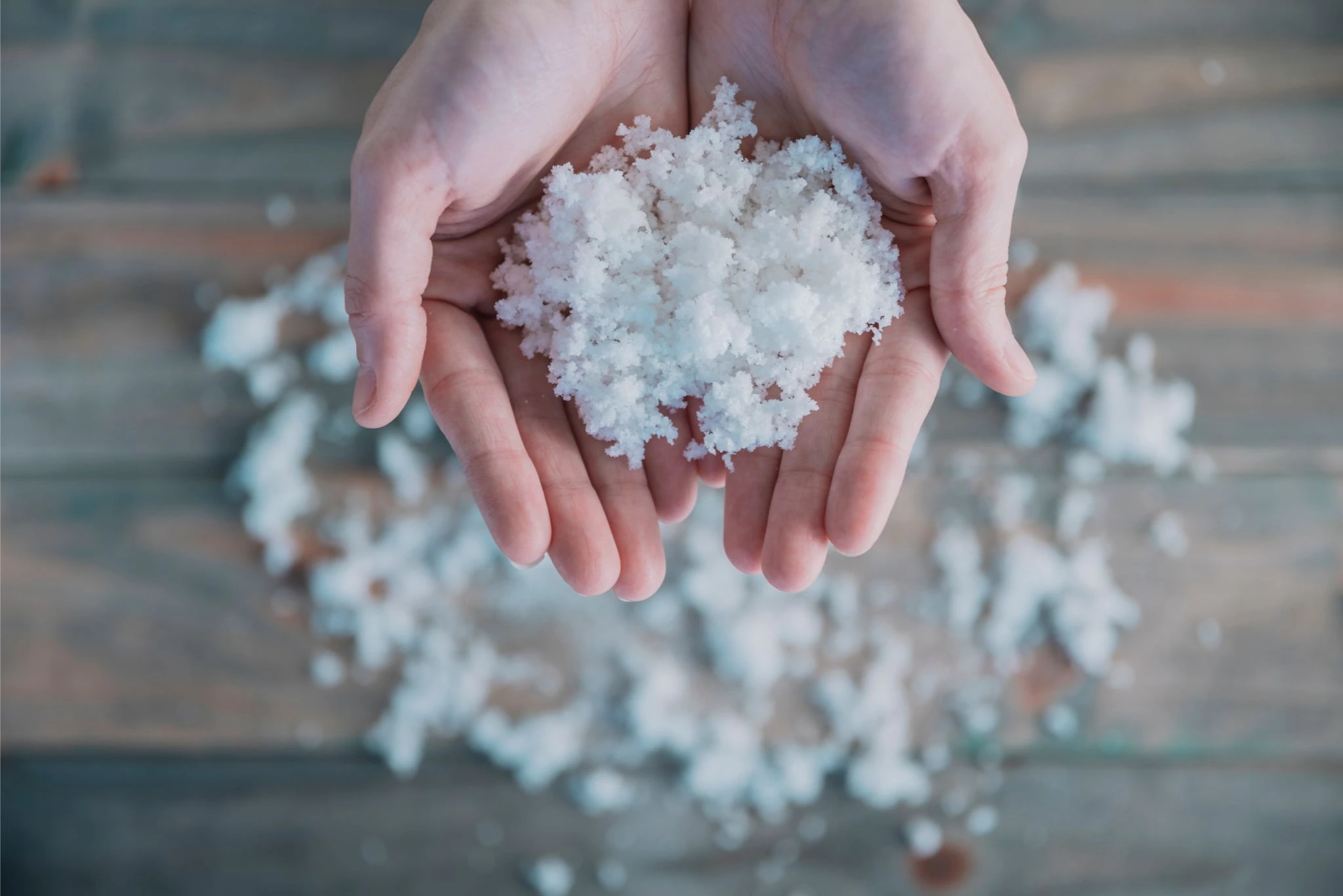
PAC ships as either a white to light yellow powder or granule in solid form, or a light yellow to brown liquid in solution, depending on purity and manufacturing process. Both forms are highly water-soluble and largely odorless. A 1% aqueous solution typically runs pH 3.5–5.0, and standard grades carry an assay purity of ≥30% Al₂O₃. Effective use range is roughly pH 5–9, one reason PAC performs consistently across varied raw water conditions.
Poly Aluminium Chloride Structure Explained
How PAC Is Structured
PAC’s molecular structure consists of long polymeric chains derived from hydrolyzed aluminium complexes. Furthermore, during the manufacturing process, aluminium ions bond with hydroxide ions to create larger, multi-charged polymers. Consequently, these structures carry a strong positive charge, which is the fundamental property that enables PAC to function effectively as a coagulant.
Why the Structure Matters
- Better coagulation: the strong positive charge neutralizes negatively charged particles more effectively than simple aluminium salts
- Faster floc formation: pre-formed polymer chains mean flocs develop faster
- Reduced sludge generation: fewer byproducts form, cutting handling and disposal costs
What Is Basicity in Poly Aluminium Chloride?
Definition of Basicity
Basicity refers to the ratio of hydroxide (OH) to aluminium (Al) in the PAC molecule, expressed as the OH/Al ratio as a percentage. It describes how far the hydrolysis reaction progressed during manufacturing, and it’s one of the first specs to check when comparing products.
Why Basicity Is Important
Basicity directly affects:
- Coagulation efficiency: higher basicity means stronger charge neutralization
- Water quality outcomes: different basicity levels suit different raw water
- Chemical dosage: higher basicity often allows lower dosing rates
- Storage stability: basicity affects how the product holds up over shelf life
Common Basicity Grades
- Low basicity: used where a lower degree of polymerization is preferred
- Medium basicity: the most widely used tier, suited to general water and wastewater treatment
- High basicity: often preferred for drinking water and applications needing stronger, faster coagulation
Different Grades of Poly Aluminium Chloride
Drinking Water Grade
Must meet strict purity requirements and heavy metal limits, since treated water is for human consumption. This grade is tested against relevant regulatory standards. Always request documentation confirming compliance before use in potable water systems.
Industrial Grade
Used in industrial water treatment and manufacturing where drinking-water-level purity isn’t required, but coagulation performance and cost efficiency still matter.
Wastewater Treatment Grade
Formulated to handle high contaminant loads, well suited to municipal sewage and industrial effluent streams. It’s generally the most cost-effective option where influent water carries a heavy organic or suspended-solids load.
Liquid vs Powder PAC
| Aspect | Liquid PAC | Powder PAC |
| Handling | Ready to dose, easier to automate | Requires dissolving before dosing |
| Storage | Needs larger storage tanks | More compact storage, longer shelf life |
| Transport | Higher shipping weight/cost | Lighter, more cost-effective to transport |
| Typical use | Larger plants with liquid dosing infrastructure | Smaller plants or remote/decentralized sites |
Liquid PAC currently holds the largest share of the market by form, largely on ease of handling and dosing at scale, but powder and granular variants remain preferred for smaller facilities and remote sites.
Water Treatment Performance: What Is Poly Aluminium Chloride (PAC) Mechanism?
PAC’s job is to trigger coagulation, the first stage of a sequence that continues into the flocculation process, where neutralized particles clump into larger, settleable flocs.
Step-by-Step Coagulation Process
- Chemical addition: PAC is dosed into raw water during rapid mixing
- Charge neutralization: positively charged polymers neutralize negatively charged particles
- Floc formation: neutralized particles clump into visible flocs
- Sedimentation: flocs settle under gravity in a clarifier or settling tank
- Filtration: remaining fine particles are removed through sand or media filtration
Why PAC Performs Better Than Traditional Coagulants
- Faster settling, reducing clarifier retention time
- Lower dosage for the same outcome
- Wider pH range of effective operation
- Better turbidity removal, particularly in cold water where alum often underperforms
Typical Dosing Ranges by Application
Actual dosage depends on raw water quality and grade, but as a reference point:
| Application | Typical Dosage |
| Drinking / domestic water treatment | 2.5–25 ppm |
| Industrial water treatment | 2.5–25 ppm |
| Municipal wastewater treatment | 15–50 ppm |
| Papermaking (packaging/board) | 1.5–4.0 kg per ton of dry fiber |
| Dyeing wastewater treatment | 100–300 ppm |
| Leather wastewater treatment | 100–300 ppm |
| Food processing wastewater | 50–150 ppm |
| Swimming pool circulation (liquid PAC) | 0.1 ml/m³ of circulation flow |
For the full methodology behind these numbers, including jar testing and optimum pH, see how to calculate PAC dosing.
Poly Aluminium Chloride Uses Across Industries
Water treatment accounts for the large majority of global PAC demand, but its use extends well beyond municipal plants. PAC drives the coagulation stage, one of several water treatment methods in a full treatment train:
- Municipal Drinking Water Treatment: clarifying raw water from rivers, lakes, and reservoirs
- Wastewater Treatment Plants: treating municipal sewage before discharge or reuse
- Industrial Effluent Treatment: removing contaminants from process wastewater
- Paper Industry: improving pulp retention and effluent clarification
- Textile Industry: removing dyes and color from wastewater
- Food Processing: treating high-organic-load wastewater
- Mining Industry: clarifying process water and tailings streams
- Oil & Gas Operations: treating produced water and process effluent
- Swimming Pools: maintaining clarity by removing fine particles
Poly Aluminium Chloride for Drinking Water
Is PAC Safe for Drinking Water?
PAC is widely approved for drinking water treatment when the correct drinking water grade is used. Source from a supplier that can provide certified quality documentation, since not all grades suit potable applications.
Benefits in Drinking Water Treatment
- Better clarity: stronger turbidity removal than many conventional coagulants
- Lower residual aluminium: reduces the risk of carryover into finished water
- Improved filtration: larger, denser flocs are easier to filter downstream
Important Considerations
Get the correct dosage right, and confirm your grade carries the right certification: Elchemy’s drinking water grade PAC is certified under NSF/ANSI/CAN 60 (US, Canada), IS 15573:2018 with BIS ISI Mark (India), and registered under REACH (EU). Carry out regular water testing to confirm compliance with local standards.
Poly Aluminium Chloride in Wastewater Treatment
Types of Wastewater Treated
- Municipal sewage
- Industrial wastewater
- Chemical manufacturing effluent
- Textile wastewater
- Food processing wastewater
Benefits
- COD reduction: lowers chemical oxygen demand in effluent
- TSS reduction: effectively removes total suspended solids
- Color removal: particularly valuable in textile and dye-heavy wastewater
- Improved sludge settling: denser flocs settle faster, easing downstream handling
Advantages of Poly Aluminium Chloride
- Works across a wide pH range
- Requires lower dosage than many conventional coagulants
- Produces less sludge
- Faster floc formation
- Better turbidity removal
- Cost-effective operation
- Easy storage and handling
- Suitable across multiple industries
Limitations and Challenges
- Dosage optimization required: over- or under-dosing reduces effectiveness
- Correct grade selection matters: the wrong basicity or grade limits results
- Storage conditions: extreme temperature or moisture affects stability
- Compatibility with different water chemistries: jar testing is recommended before full-scale dosing
PAC vs Alum: A Quick Comparison
PAC and alum remain the two most commonly compared coagulants in water treatment. For a deeper breakdown, see our full PAC vs alum comparison. Here’s the short version:
| Feature | PAC | Alum |
| Coagulation Efficiency | Higher, pre-hydrolyzed polymer structure | Lower, hydrolyzes after dosing |
| Dosage | Lower dosage typically required | Higher dosage typically required |
| Sludge Production | Less sludge generated | More sludge generated |
| Working pH Range | Wider effective pH range | Narrower, more pH-sensitive |
| Settling Speed | Faster floc settling | Slower floc settling |
| Cost Efficiency | Higher unit price, but lower dosage often offsets it | Lower unit price, but higher dosage/sludge costs |
| Drinking Water Suitability | Suitable with certified drinking water grade | Widely used, long track record |
How to Choose the Right PAC Grade
Grade selection and cost go hand in hand. Our PAC price and grades guide breaks down cost per kg, common grades like PAC 30/31, and typical MOQs. Here’s what to evaluate:
- Match to your water source: surface water, groundwater, and wastewater respond differently
- Assess contaminant level: higher loads may need higher-basicity products
- Confirm your industry’s requirements: drinking water, industrial, and wastewater call for different grades
- Check basicity: match the OH/Al ratio to your treatment goals
- Compare aluminium concentration: higher concentration can mean lower dosing volumes
- Decide liquid vs powder: based on your storage and dosing infrastructure
- Confirm regulatory compliance: especially critical for drinking water applications
- Vet supplier reliability: consistent quality and supply protect operations
Storage and Handling Best Practices
Before storing or handling PAC on-site, it’s worth checking is PAC hazardous for full MSDS details and PPE requirements. In general:
- Storage temperature: stable at normal conditions, but can become unstable if stored long-term above 40°C
- Moisture protection: powder PAC should be kept sealed and moisture-free
- Shelf life: use within the recommended timeframe
- Safe handling: use appropriate PPE; PAC solutions are corrosive to metals and can cause eye damage
- Incompatibilities: avoid contact with bases, chlorides, sulphites, hypochlorites, and long-term contact with aluminum, zinc, or carbon steel
- Mixing recommendations: follow recommended dilution ratios for consistent dosing
FAQS
1. What is poly aluminium chloride (PAC)?
Poly aluminium chloride (PAC) is an inorganic aluminium-based coagulant used mainly in water and wastewater treatment. With the general formula [Al2(OH)nCl6-n]m and CAS 1327-41-9, it neutralises the charge on suspended particles so they clump into flocs that settle and filter out, producing clearer, cleaner water.
2. What is the chemical formula of poly aluminium chloride?
Poly aluminium chloride does not have a single fixed formula because it is a polymerised mixture. It is generally written as [Al2(OH)nCl6-n]m, where n ranges from 1 to 5 and m is up to 10. Its CAS number is 1327-41-9, and grades differ by basicity and Al2O3 content.
3. What is poly aluminium chloride used for?
Primarily, PAC serves as a coagulant in drinking-water and wastewater treatment systems to eliminate turbidity, suspended solids, organic matter, and phosphorus. Beyond its primary role in water treatment, this chemical serves as a retention aid in paper manufacturing. Furthermore, it is utilized in textile effluent treatment and functions as a key precursor for various aluminium-based products.
4. Is poly aluminium chloride hazardous or toxic?
In normal water-treatment use PAC is considered low-hazard, but it is mildly acidic and corrosive in concentrated form, so it can irritate skin and eyes. Handlers should use gloves and goggles and store it in plastic or stainless-steel containers. Always follow the product SDS for specific handling guidance.
4. What is the optimum pH for poly aluminium chloride?
PAC works across a broad pH range of roughly 5 to 9, which is wider than aluminium sulphate. For most drinking-water and municipal applications a working pH of about 6.5 to 7.5 gives efficient floc formation. A jar test on the actual water determines the exact optimum.
5. How do you calculate poly aluminium chloride dosing?
PAC dosing is determined by jar testing against the raw water’s turbidity, then scaling up. As a rough guide, water at 100–500 mg/L turbidity may need around 11–20 kg of PAC per 1,000 tonnes. Actual dose depends on grade, basicity, pH and temperature, so confirm with a trial.
6. Poly aluminium chloride vs alum which is better?
Compared with alum (aluminium sulphate), PAC hydrolyses faster, forms flocs more quickly, works over a wider pH range and leaves lower residual aluminium and less sludge. It also typically reduces total treatment cost by around 10–30%. Alum remains cheaper per kilogram, so the best choice depends on water quality and budget.
7. Is poly aluminium chloride the same as aluminium chlorohydrate?
They are closely related but not identical. Aluminium chlorohydrate (ACH) is a very high-basicity form within the polyaluminium chloride family. Standard PAC used in water treatment usually has lower basicity, while ACH’s higher basicity makes it suitable for antiperspirants as well as high-performance coagulation.
8. Does PAC come as liquid or powder?
Both. Liquid PAC (typically 10–11% Al2O3) is ready to dose and convenient for large plants, while powder/solid PAC (around 28–30% Al2O3) is spray-dried, cheaper to ship and easy to store. Powder is dissolved before use. Choice depends on plant size, storage and freight considerations.
9. What is the basicity of poly aluminium chloride?
Basicity is the ratio of hydroxyl groups to aluminium in PAC, usually expressed as a percentage. Higher basicity means more polymerisation, faster floc formation, lower residual aluminium and better performance, while lower-basicity grades are cheaper. Water-treatment PAC commonly ranges from roughly 40% to over 70% basicity.
Conclusion
Poly Aluminium Chloride has become a default coagulant across drinking water, wastewater, and industrial treatment. Its pre-hydrolyzed polymer structure delivers faster coagulation with lower dosing and less sludge than many conventional alternatives. Choosing the right grade comes down to understanding your water source and contaminant profile, and working with a supplier who can back that up with documentation and consistent supply.
Ready to source? Explore Elchemy’s poly aluminium chloride supplier page for full specifications and to request a quote for your application.