

At a Glance
- Poly aluminium chloride price typically runs $0.35–$0.90/kg for liquid PAC and $0.80–$2.50/kg for powder, depending on basicity and volume.
- PAC 30 and PAC 31 refer to basicity grade, not concentration alone. Higher basicity costs more per kg but often doses lower.
- Liquid vs powder PAC is largely a freight decision. Liquid is cheaper to produce, powder is cheaper to ship long distances.
- China PAC manufacturers usually undercut on base price by 20–35%, but freight, MOQ, and testing lead time close some of that gap.
- MOQs range from 1 MT for trial liquid drums to 20+ MT for container-load powder shipments.
- The lowest price per kg is rarely the lowest-cost option once dose rate and basicity are factored in.
What you’ll learn: how PAC pricing breaks down by grade and form, what drives cost per kg, and how to vet a manufacturer before a bulk order.
Why PAC Pricing Is Harder to Pin Down Than It Looks
Ask five poly aluminium chloride suppliers for a quote and you’ll get five different numbers, and not because anyone is lying to you. Poly aluminium chloride price depends on basicity, aluminium oxide (Al₂O₃) content, form, packaging, and origin, all stacked together. A buyer comparing quotes on price alone, without normalizing for these variables, usually loses money doing it.
The market backdrop matters too. The global poly aluminium chloride market was valued at roughly USD 1.6–1.8 billion in 2025, projected to reach around USD 3 billion by 2035 according to Mordor Intelligence, pulling in more manufacturers, more grades, and more noise for a buyer trying to get a straight answer on cost.
This guide covers what drives PAC price per kg, the difference between PAC 30 and PAC 31, liquid vs powder economics, and what to check before a bulk order. See PAC uses and grades for the full breakdown before you get to pricing below.
What Is Poly Aluminium Chloride, and What Do the Grade Numbers Mean?
Poly aluminium chloride (PAC) is an inorganic coagulant used to remove suspended solids, turbidity, and organic matter from water. It works faster than alum, performs across a wider pH range, and generates less sludge.
The numbers attached to product names, like PAC 30 or PAC 31, reference basicity, the ratio of hydroxyl (OH) groups to aluminium in the molecule:
- Low basicity (0–17%): mainly papermaking and select industrial uses.
- Medium basicity (17–50%): the workhorse range for water treatment, often labeled PAC 28–31. Holds the largest share of global demand because it balances coagulation strength with pH stability across variable raw water.
- High basicity (above 50%): faster floc formation, better against microplastics and refractory organics, for tougher water chemistry.
Higher basicity generally costs more per kg but doses lower. A plant switching from a 28% to a 30–31% basicity grade may pay more per kilogram and still come out ahead on total treatment cost, because less product is needed per liter treated. Unit price and cost-per-application are not the same number, and only one should drive the purchasing decision.
Poly Aluminium Chloride Price Per Kg: What the Numbers Look Like
Treat these as reference ranges, not quotes, since basicity, Al₂O₃ content, and delivery terms shift the final number.
| Grade / Form | Al₂O₃ Content | Price Range (USD/kg) | Typical MOQ |
|---|---|---|---|
| Liquid PAC (medium basicity) | ~10% | $0.35 – $0.60 | 1 MT |
| Liquid PAC (high basicity) | 10–12% | $0.55 – $0.90 | 1 MT |
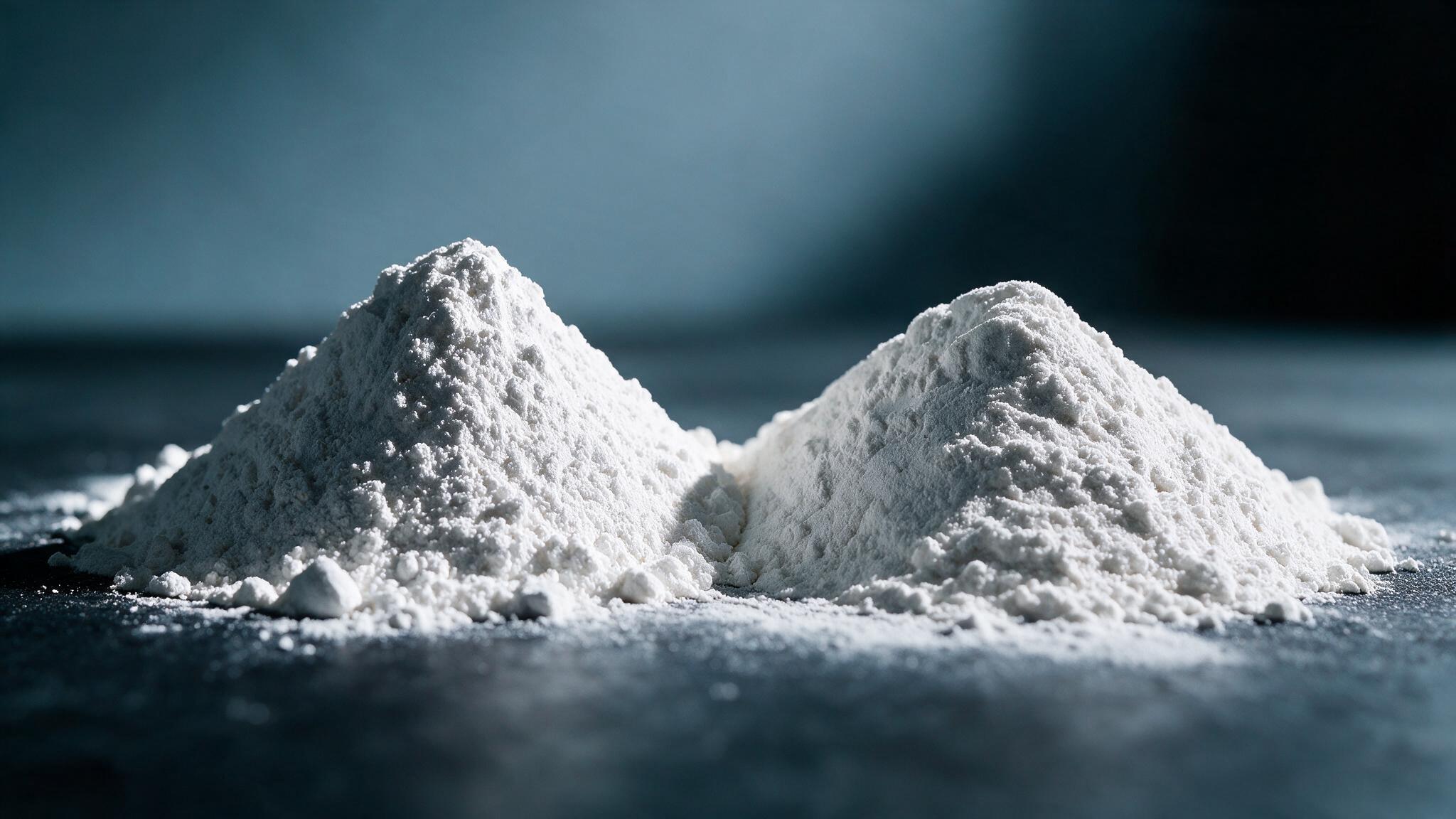
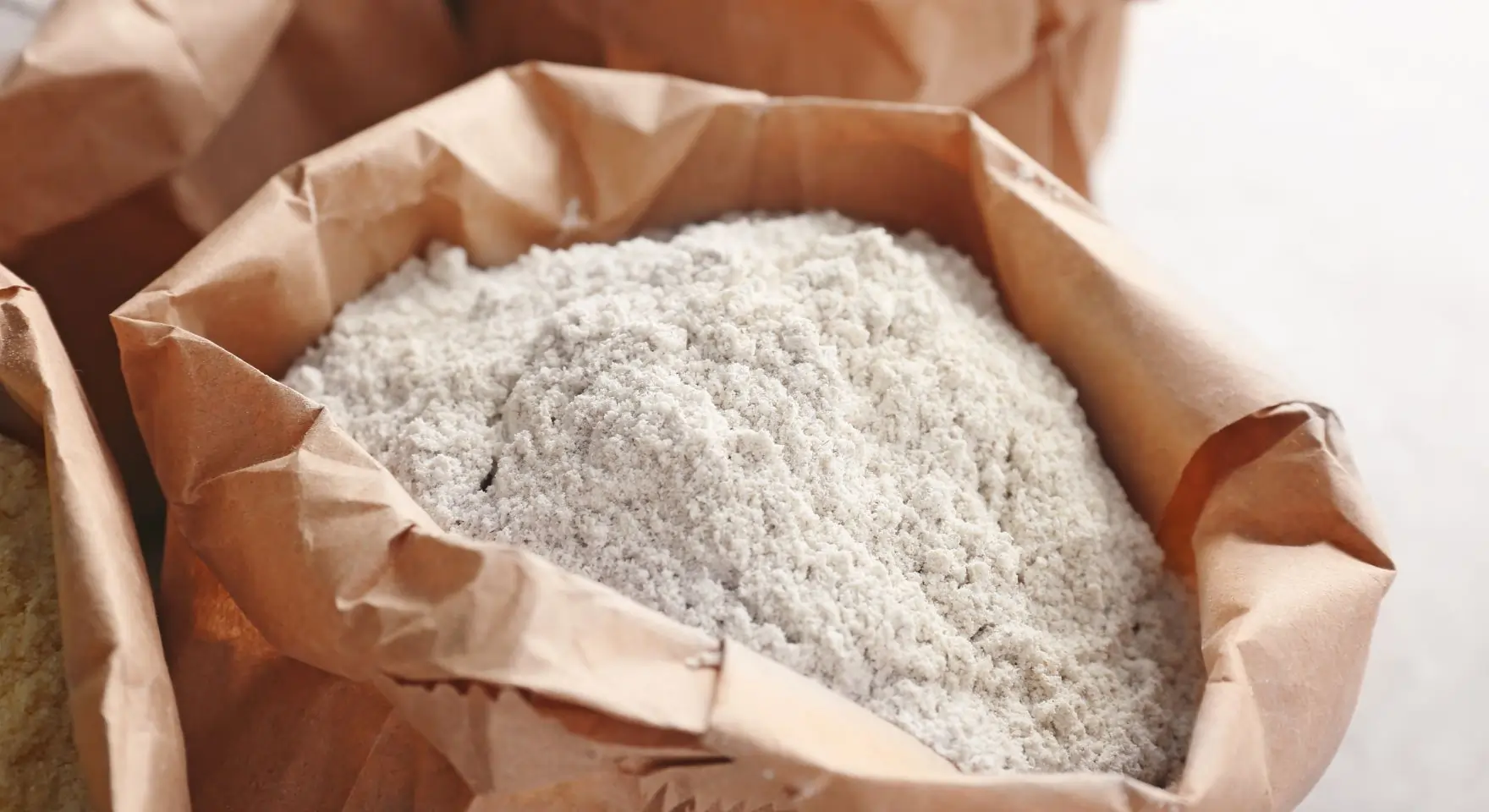
| Powder PAC 28–30 | 28–30% | $0.80 – $1.40 | 1 MT |
| Powder PAC 30/31 (high purity) | 30–31% | $1.20 – $2.00 | 1–5 MT |
| Food/drinking water grade powder | 30%+ | $1.50 – $2.50 | 1–5 MT |
→ Get a Quote on Poly Aluminium Chloride Price
A few variables move these numbers most: basicity and Al₂O₃ content (tighter specs cost more), form (liquid is ~60–70% water by weight, so powder cuts freight cost per unit of active ingredient), order volume and delivery terms (the gap between 1 MT and a 20 MT container load is often 15–30%, and FOB/CIF/DDP terms shift landed cost by hundreds of dollars per tonne), origin (Chinese manufacturers typically undercut Western and Indian suppliers by 20–35% on base price, though 4–6 weeks of sea freight and quality-verification effort narrow that gap), and certification (NSF/ANSI/CAN 60 for US drinking water, REACH for EU imports, and food-grade documentation all add cost where required).
Liquid vs Powder PAC: Which One Actually Costs Less?
| Factor | Liquid PAC | Powder PAC |
|---|---|---|
| Price per kg | Lower | Higher |
| Active content | ~10% Al₂O₃ | 28–31% Al₂O₃ |
| Freight cost per unit of active ingredient | Higher (ships water weight) | Lower |
| Handling | Ready to dose | Needs dissolving/mixing |
| Shelf life | 3–6 months | 1–2 years |
| Best fit | Local supply, bulk tank storage | Long-distance shipping, seasonal use |
Liquid wins on price per kg and ease of dosing, which is why it dominates by volume where local manufacturing exists. Powder wins once distance enters the equation, since you’re not shipping water. For a buyer importing PAC across a few thousand kilometers, powder often comes out cheaper on a landed basis despite the higher sticker price. Request a Sample of both forms if your logistics aren’t already set for one or the other, since a jar test shows dosing performance but not landed cost.
Related coagulant pricing: many treatment trains pair PAC with a polymer flocculant. If you’re sourcing both, our polyacrylamide price guide covers pricing and grade selection for that side of the dose.
What to Check Before You Commit to a Manufacturer
Ask for a technical data sheet with real numbers: Al₂O₃ content, basicity, pH, insoluble matter, and heavy metal content, not a summarized bullet point. Check certification scope, not just the logo. NSF/ANSI/CAN 60 certification applies at the product and grade level, not the company as a whole, and PAC falls within the scope of chemicals requiring this certification for drinking water treatment use, per NSF, so confirm the certificate names your exact grade. Request COAs on recent batches to verify batch-to-batch consistency, and confirm MOQ flexibility for trial runs before a full container order.
How to Buy in Bulk Without Overpaying
- Fix your spec first: basicity, Al₂O₃ percentage, form, and certifications, before requesting quotes.
- Get quotes from at least three sources, mixing manufacturers with distributors.
- Normalize every quote to cost-per-treated-liter, not just cost per kg.
- Negotiate delivery terms and quality-failure clauses, not just unit price.
- Run a trial order of 1–2 MT before a recurring contract.
Choose liquid for local supply and bulk tank storage; powder for long-distance shipping or seasonal use; high-basicity PAC 30/31 for tough raw water where dose-rate savings offset the higher unit price; medium basicity (28–30) as the default for stable water chemistry.
How Elchemy Helps With PAC Sourcing
Elchemy is a global chemical distribution platform connecting industrial buyers with verified poly aluminium chloride manufacturers across multiple origins, including China and India. That means grade-matched quotes (PAC 28 through PAC 31, liquid or powder), documentation support for NSF/REACH-regulated markets, and bulk purchase coordination that skips weeks of cold-emailing factories directly.
Review current specifications and Request a Quote on the poly aluminium chloride price page, with samples available for buyers still validating fit.
Conclusion
Poly aluminium chloride price isn’t one number. It’s a function of basicity, form, origin, and certification, and buyers who compare on raw price per kg alone often overpay in dose rate or freight. Run a trial batch, normalize pricing to cost-per-treated-liter, and confirm certification scope before locking in a bulk contract.
Ready for a grade-matched quote? Get a quote from Elchemy’s verified PAC supplier network.