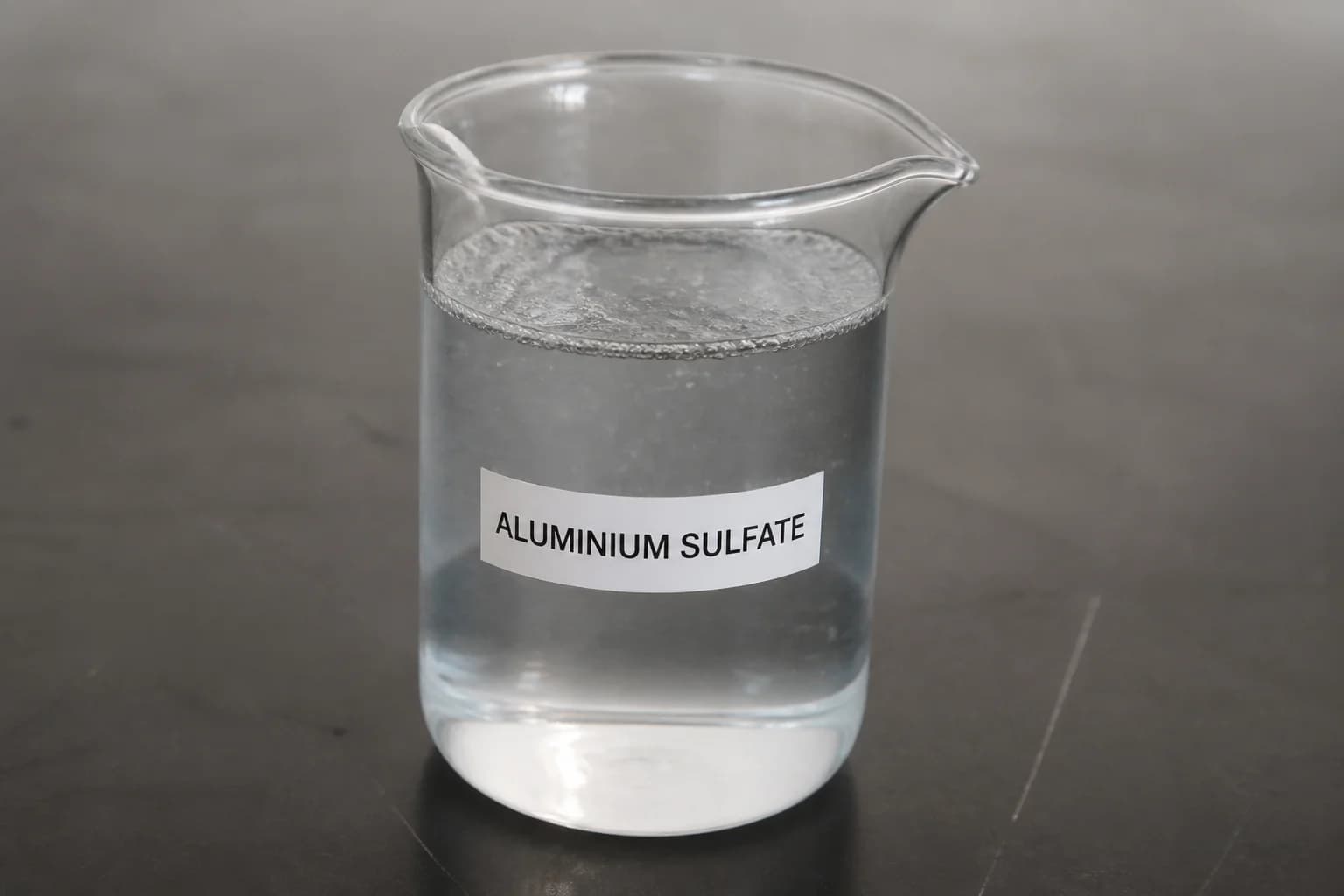
Aluminium Sulfate

Get Pricing for This Product
Need pricing? Request a quote for this product and we'll get back to you shortly.
 Free Samples Available
Speed Up Your Sample Testing Process
We deliver domestic samples within 24 - 48 hours, helping you evaluate product without delays.
Aluminium Sulfate (alum) is a coagulant and flocculant salt supplied as a white to off-white powder, kibbled granules, or a clear liquid solution. It functions as a coagulant, flocculant, sizing…
CAS Number
10043-01-3
HS Code
28332210
INCI Name
-
Molecular Formula
Al2(SO4)3
Aluminium Sulfate
Aluminium Sulfate (alum) is a coagulant and flocculant salt supplied as a white to off-white powder, kibbled granules, or a clear liquid solution. It functions as a coagulant, flocculant, sizing agent, mordant and pH/phosphate-control agent across water and wastewater treatment,…
CAS Number
10043-01-3
INCI Name
-
HS Code
28332210
Molecular Formula
Al2(SO4)3
Get Pricing for This Product
Need pricing? Request a quote for this product and we'll get back to you shortly.
Free Samples AvailableSpeed Up Your Sample Testing Process
We deliver domestic samples within 24 - 48 hours, helping you evaluate product without delays.
 By

Specialty chemicals, delivered right
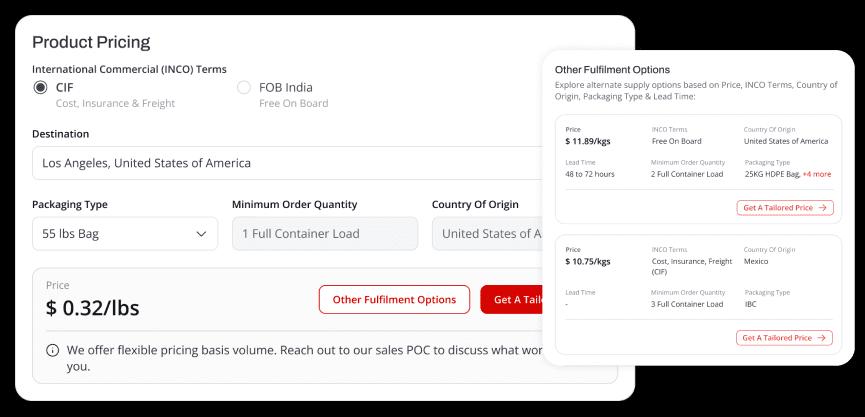
Access live, grade-specific pricing for every chemical, so your teams talks with data, not intuition on Elixir.
Compare fulfilment options across grades, INCO terms, origins, and lead times: all in one platform.

Live, transparent pricing
Real-time quotes across 12,000+ specialty chemicals.
About Aluminium Sulfate
Aluminium sulfate, widely known as alum, is one of the most established coagulants in water and wastewater treatment. Supplied as powder, kibbled granules or a liquid solution, it neutralises the charge on suspended colloidal particles so they aggregate into settleable flocs - clarifying drinking water and treating effluent. It is also the classic papermaker's alum for rosin sizing and pH control, and a mordant in dyeing.
Elchemy is a trusted aluminium sulfate supplier, manufacturer and distributor, serving buyers in the USA, UK, UAE and 40+ countries across the water treatment & mining sector. It is offered as liquid aluminium sulfate (≈8% Al₂O₃, ready to dose) and solid powder or kibbled forms (17% Al₂O₃, cheaper to ship), in ferric (standard) and low-iron non-ferric grades - the latter preferred for potable water and paper where iron staining must be avoided.
Where a higher-basicity coagulant is needed to depress pH less, buyers often compare alum with polyaluminium chloride (PAC) and aluminium chlorohydrate. Industrial buyers sourcing in bulk also track aluminium sulfate pricing closely, since it feeds directly into downstream treatment costs - which is why working with an established supplier and distributor like Elchemy matters.
Grades Available
- Non-Ferric (low-iron) Powder - ≥17% Al₂O₃ with iron held to ≤0.01%, supplied as powder or kibbled. Preferred for potable water and paper, where iron staining must be avoided.
- Ferric (standard) Powder - 16–17% Al₂O₃ with iron up to 0.35%, supplied as powder or granular. The general-purpose grade for industrial and wastewater duty.
- Liquid Alum - a clear solution at roughly 48% w/w, giving 8.0–8.4% Al₂O₃. Ready to dose, which suits larger plants with bulk storage.
- Kibbled / Granular - ≥17% Al₂O₃ as granules or lump. Easy to handle and dissolved on site.
Manufacturing Process of Aluminium Sulfate
Aluminium sulfate is produced by reacting a source of aluminium hydroxide, derived from bauxite or alumina, with sulphuric acid. The reaction is controlled to the target Al₂O₃ content and iron level. For non-ferric grades, low-iron alumina or hydroxide feedstock is used to keep water-soluble iron minimal.
The product is then either sold as a liquid solution at around 8% Al₂O₃, or evaporated and solidified into powder, kibbled granules, flakes or slabs at 17% Al₂O₃.
Every batch Elchemy supplies is tested for Al₂O₃, iron, water-insoluble matter and free acidity, with a Certificate of Analysis travelling alongside each order.
Aluminium Sulfate Price: Bulk Pricing for Buyers
If you're looking for current aluminium sulfate pricing for bulk procurement, Elchemy provides quotes based on your requirements. Share your grade, volume, packaging and destination on the request-a-quote form and our team will revert with a detailed offer within 24 to 48 hours.
Pricing works on a quote basis rather than a published rate because the aluminium sulfate price moves with the cost of aluminium hydroxide and sulphuric acid feedstock, the grade (non-ferric or ferric, liquid or powder), order volume, packaging, Incoterm choice (FOB, CIF or DDP) and destination.
For an approximate read on the market, buyers reference the aluminium sulfate price per kg as a unit benchmark, while at bulk scale the price per ton is the more relevant commercial unit, since contracts are typically committed at that level.
For an exact rate, none of these references replace a direct quote. The real number depends on grade, committed volume, destination and timing of dispatch.
Packaging & Logistics
Powder and kibbled aluminium sulfate ship in 25 kg and 50 kg PP/PE bags or 1 MT FIBC jumbo bags. Liquid alum ships in IBC totes, drums or road tankers, supplied as per buyer requirements. A typical 20' container holds about 25 MT of solid material.
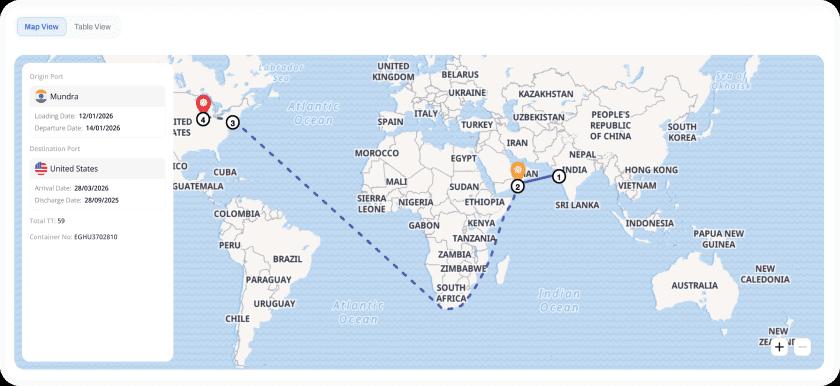
For US-bound orders, domestic stock supports faster fulfilment. Where material is sourced from India or other origin countries, transit typically runs 24–28 days to the US East Coast and 18–22 days to the West Coast. Elchemy offers FOB, CIF and DDP terms depending on how your procurement team prefers to handle landed cost and customs.
Aluminium sulfate is hygroscopic, so solid grades should be stored sealed in a cool, dry, well-ventilated area away from moisture and strong bases. Liquid alum should be stored in compatible FRP, HDPE or rubber-lined tanks and protected from freezing.
Why Choose Elchemy as a Trusted Aluminium Sulfate Supplier?
Elchemy makes aluminium sulfate procurement straightforward - non-ferric, ferric, liquid and kibbled grades from audited manufacturers, with a Certificate of Analysis on every batch and tailored grades available through custom manufacturing.
- Multiple grades from one partner - non-ferric, ferric, liquid alum and kibbled or granular, matched to your application
- Full documentation as standard - COA, TDS and GHS-compliant SDS with every order; NSF/ANSI 60, Halal, Kosher and origin declarations on request
- Samples in 24–48 hours - qualify material before any bulk commitment
- 40+ countries served - a global base that keeps pricing competitive, with US domestic stock for faster fulfilment
- Application support - grade selection for potable water, wastewater, paper, gardening, pool and pond use
Safety & Handling
Aluminium sulfate is an acidic salt and a mild irritant. Dust or solution can irritate the eyes, skin and respiratory tract on contact. Handlers should wear chemical-resistant gloves and safety goggles, add a dust mask where dust is generated, and work in a ventilated area.
In case of contact, flush the affected area with plenty of water and seek medical attention if irritation persists. Store away from strong bases and from metals such as mild steel and aluminium, which it corrodes when wet. The full 16-section GHS-aligned SDS is available alongside material orders.
Production Technique and Raw Materials
Manufactured by reacting aluminium hydroxide, sourced from bauxite or alumina, with sulphuric acid, then concentrating to a liquid or solidifying to powder and kibbled forms. Key raw materials are aluminium hydroxide and sulphuric acid; low-iron feedstock is used for non-ferric grades.
Tentative Side Effects
Direct contact with the dust or concentrated solution may cause mild skin, eye or respiratory irritation. In water and soil applications used at recommended doses it is considered safe. Over-dosing in soil can lower pH excessively or raise aluminium levels, so rates should follow a soil or jar test.
- Proven coagulant and flocculant - binds colloidal solids into settleable flocs for clear water
- Multiple forms - liquid alum ready to dose, powder and kibbled economical to ship
- Non-ferric option - low-iron grade for potable water and paper, avoiding iron staining
- Fast dissolving - readily soluble for quick make-down and dosing
- Phosphate control - precipitates phosphate in wastewater and lake or pond restoration
- Documented quality - COA, TDS and SDS supplied with every order
FAQs - Aluminium Sulfate
Related Products

Related Products

Streamline
Your Chemical
Procurement
Get fast responses from real experts