

Pick up any protein bar, diet soda, or sugar-free yogurt today. Flip it over and read the label. Chances are you will see one of three names: sucralose, aspartame, or stevia.
These sweeteners are in thousands of products. And people have very strong feelings about all of them. Some say aspartame causes cancer. Others call sucralose “basically bleach.” And stevia gets treated like nature’s gift to anyone trying to cut sugar.
So which one is actually fine? Which one should you avoid? And is any of this based on real science or just internet panic?
Let’s go through each one. We will be straight about what the research actually shows, including the parts nobody likes to admit are messy.
Why We Have These Things at All?
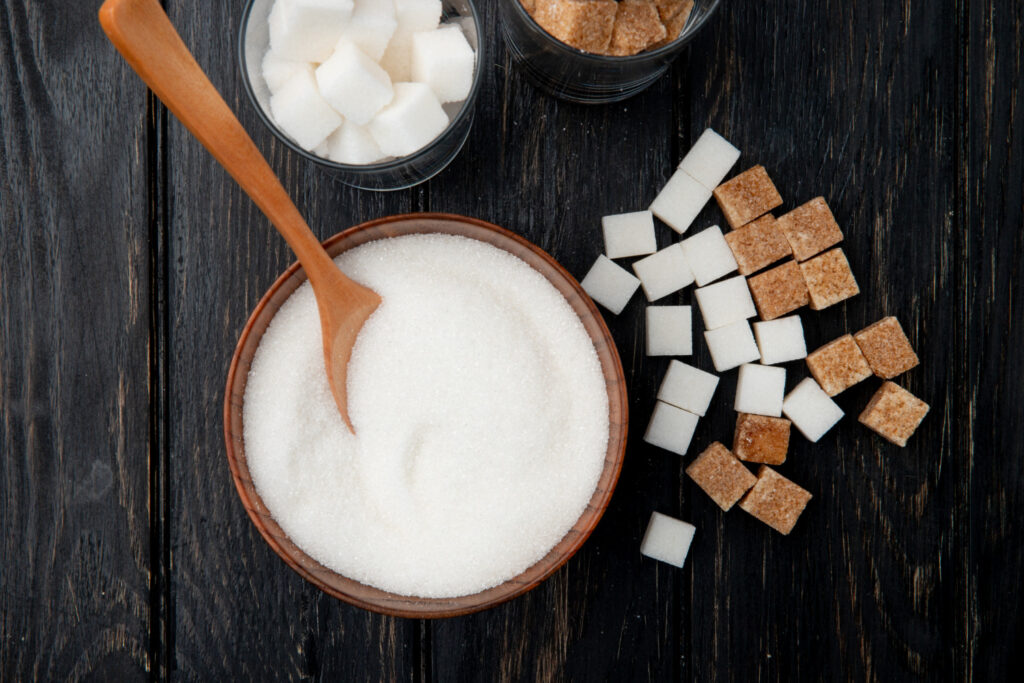
Sugar is a real problem. Not a little bit of sugar in your morning coffee. The amount of sugar people actually consume every day in sodas, snacks, sauces, cereals, and everything in between. Too much of it drives weight gain, raises blood sugar, and increases the risk of type 2 diabetes.
So food companies went looking for something that tastes sweet without doing that damage. The three they landed on most often are:
- Sucralose (Splenda on the label)
- Aspartame (Equal, NutraSweet)
- Stevia (Truvia, PureVia, and others)
All three taste sweet. That is where the similarities largely end.
What Each One Is?
Sucralose
Regular sugar gets chemically modified. Three of its hydrogen-oxygen groups get replaced with chlorine atoms. That one change makes it about 600 times sweeter than sugar. It also means your body cannot break it down, so no calories enter the picture.
Sold as Splenda. Handles heat well, so you can bake with it. That is a big reason manufacturers love it.
Aspartame
Two amino acids, aspartic acid and phenylalanine, get joined together. Amino acids are things your body already handles every day from regular food. When you eat aspartame, it splits back into those parts in your gut and gets absorbed normally.
About 200 times sweeter than sugar. Technically has calories, around 4 per gram, same as protein. But the quantities used in food are so tiny the calories are basically irrelevant.
Heat breaks it down and destroys its sweetness. This is why you never see aspartame in baked goods.
Stevia
This one is different from the other two. It comes from a plant. The Stevia rebaudiana shrub has been used in South America for over 1,500 years. The sweet compounds in the leaves are called steviol glycosides.
In the U.S., the FDA has cleared purified forms of these glycosides as safe. Raw stevia leaves and crude extracts are not approved for use as food sweeteners, though. What you actually buy in the store is the refined extract.
About 200 to 400 times sweeter than sugar. Zero calories. It travels through your small intestine untouched because your digestive enzymes cannot break it apart. Bacteria in your colon eventually convert it into a compound called steviol, which your liver then processes and your body excretes.
Quick Numbers Side by Side
| Sucralose | Aspartame | Stevia | |
| Where it comes from | Modified sugar | Synthetic amino acids | Plant extract |
| Sweetness vs sugar | ~600x | ~200x | 200 to 400x |
| Calories | None | Near zero | None |
| Works in baking | Yes | No | Mostly yes |
| FDA approved | Yes | Yes | Yes (purified forms) |
| Daily safe limit (ADI) | 5 mg/kg body weight | 50 mg/kg (FDA) / 40 mg/kg (WHO) | Not set |
Sucralose: Fine for Most People, With Some Caveats
The FDA approved it in 1998 after reviewing more than 110 studies. Approved in over 80 countries. For a healthy adult who uses it in moderation, there is no current evidence it will harm you.
That said, the research over the last few years has added some wrinkles.
The insulin sensitivity findings
A 2025 review pulled together 16 human studies on sucralose and insulin. About half found either increased insulin response or reduced insulin sensitivity in participants. A separate 30-day trial found a 20.3% decrease in insulin sensitivity in healthy lean adults taking sucralose at 30% of the ADI. These are not fringe studies. They are published in peer-reviewed journals.
The WHO also issued a formal advisory in 2023 raising concerns about non-nutritive sweeteners including sucralose.
Baking with sucralose
Research from 2020 confirmed that heating sucralose to high temperatures can produce potentially toxic chlorinated byproducts. If you are mixing it in cold water, this does not apply. If you bake with sucralose-sweetened protein powder regularly, it is worth knowing.
The chlorine argument
People online say sucralose is dangerous because it contains chlorine. This is not really accurate. The chlorine atoms are tightly bonded to the molecule and do not behave like free chlorine. Table salt contains chlorine too. What matters is the chemical structure, not just the element. Still, sucralose is an organochlorine compound, and a 2025 environmental review noted it is highly persistent in water systems. That is more of an environmental issue than a direct human health one, but it is fair to mention.
Who should think twice about sucralose:
- People with pre-diabetes or insulin resistance
- Anyone who uses multiple sucralose products throughout the day
- People who already have gut issues or IBS
- Pregnant or nursing women (some research has detected sucralose in breast milk)
Aspartame: The Most Controversial One Right Now
In July 2023, the WHO’s cancer research agency IARC classified aspartame as “possibly carcinogenic to humans,” Group 2B. That sent people into a panic. Here is what that actually means.
The IARC does hazard identification. Its job is to flag anything where there is even a signal worth investigating. Group 2B means limited evidence, not convincing evidence. It is the third out of four levels of concern.
Other things in Group 2B:
- Aloe vera whole leaf extract
- Pickled Asian vegetables
- Very hot beverages above 65°C
- Aspartame
The FDA reviewed the same studies and disagreed with IARC’s conclusion. Their scientists found significant problems with the research IARC relied on. The FDA continues to consider aspartame safe within its ADI of 50 mg/kg of body weight per day. To hit that limit, a 70 kg adult would need to drink around 9 to 14 cans of diet soda every single day.
At the same time, JECFA, the WHO’s separate food safety expert committee, reviewed aspartame alongside IARC and did not change the ADI. They found no convincing evidence of harm at normal dietary levels.
So where does that leave things? The cancer question is not fully settled. The evidence so far is weak and disputed. But the fact that the WHO’s cancer agency put aspartame in any category in 2023 means this story is not over.
The one hard rule: People with phenylketonuria (PKU) must avoid aspartame entirely. PKU is a rare genetic condition where the body cannot process phenylalanine, one of aspartame‘s breakdown products. A buildup of it is toxic to the brain. Every product with aspartame carries a warning label for this reason.
Other things to know about aspartame:
- Does not work for baking because heat destroys it
- Some long-term observational studies have linked high consumption to metabolic and cardiovascular issues, though these cannot prove cause and effect
- More research is actively being conducted following the 2023 classification
Stevia: The Cleanest Track Record of the Three
No cancer classification. No dramatic insulin findings. A plant that people have been consuming for centuries before food scientists ever got involved. Of the three, stevia has the fewest red flags.
The honest downsides
Stevia does interact with gut bacteria in the colon. Some research has found microbiome changes, though the data here is not as alarming as what has emerged around sucralose. A few animal studies have shown effects on HbA1c levels in healthy animals, but the conditions in these studies do not reflect normal human dietary patterns.
The biggest practical issue for most people is taste. Stevia has a noticeable aftertaste. Some people describe it as bitter or faintly like licorice. It works beautifully in some foods and tastes strange in others. This is not a health concern, just a real-world limitation that keeps some people from sticking with it.
A small number of people experience digestive discomfort with stevia, like bloating or gas. It is not common but worth knowing.
Head to Head: Safety, Taste, and Practical Use
Safety snapshot
| Concern | Sucralose | Aspartame | Stevia |
| Cancer concern | None established | Group 2B (limited evidence) | None |
| Gut microbiome effects | Documented in human trials | Some evidence | Milder evidence |
| Blood sugar effects | Mixed results | Mixed results | Mostly beneficial |
| Safe if you have PKU | Yes | No | Yes |
| WHO advisory issued | Yes (2023) | Yes (IARC 2023) | No |
Where each one works best
| Situation | Best pick |
| Baking and cooking | Sucralose |
| Managing blood sugar | Stevia |
| Avoiding cancer controversy | Sucralose or stevia |
| Avoiding microbiome concerns | Stevia |
| Neutral closest-to-sugar taste | Sucralose |
| Have PKU | Sucralose or stevia |
| Avoiding all synthetic sweeteners | Stevia |
What This Means Day to Day?
None of these three are going to destroy you at normal amounts. Millions of people use them every day. The acceptable daily intake limits are set very conservatively and most people stay well below them.
But saying something is safe at normal doses is not the same as saying it does nothing. These sweeteners interact with your body. Sucralose affects gut bacteria. Aspartame picked up a cancer classification that, however limited, comes from the WHO’s own cancer research agency. Stevia changes gut bacteria too, just with a softer set of findings so far.
The WHO specifically said in 2023 that people should not rely on non-sugar sweeteners as a long-term weight management strategy. The long-term health effects are just not clear enough yet for that kind of recommendation.
A few things worth keeping in mind:
- One protein powder scoop with sucralose a day is a very small total exposure. Probably not something to stress over.
- Using sucralose-sweetened pre-workout, protein powder, creatine, and diet drinks every day is a different story. Total daily load matters.
- If you have metabolic concerns or gut issues, stevia is the more defensible choice right now.
- If you have PKU, avoid aspartame. Full stop.
- If you cannot stand stevia’s aftertaste, sucralose is a reasonable alternative with eyes open to the emerging research.
So Which One Wins?
Stevia. Based on the current evidence, it has the cleanest safety profile of the three. It comes from a plant, has real blood sugar benefits backed by clinical studies, and does not carry the cancer classification that follows aspartame or the gut disruption data piling up around sucralose.
Sucralose is a reasonable second choice, especially for baking and for people who find stevia’s taste difficult. The concerns around it are real but still developing, and at one serving a day from a single product, the exposure is modest.
Aspartame is the one most people are reconsidering after 2023. The cancer evidence is weak and disputed, but the fact that it exists at all gives people reason to choose one of the other two if they have the option.
None of them are poison. But none of them are completely free either. Knowing the difference helps you make a call that actually fits your situation.