 100K+ lb Sold | 6 Months
Sucralose
ELAROMATM – SCL G1
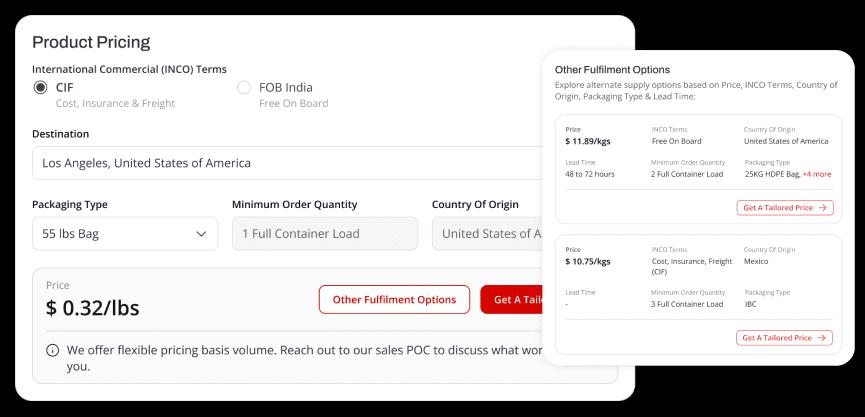
Live Prices for Sucralose
View live pricing & request bulk enquiry for this product on Elixir.
 Free Samples Available
Speed Up Your Sample Testing Process
We deliver domestic samples within 24 - 48 hours, helping you evaluate product without delays.
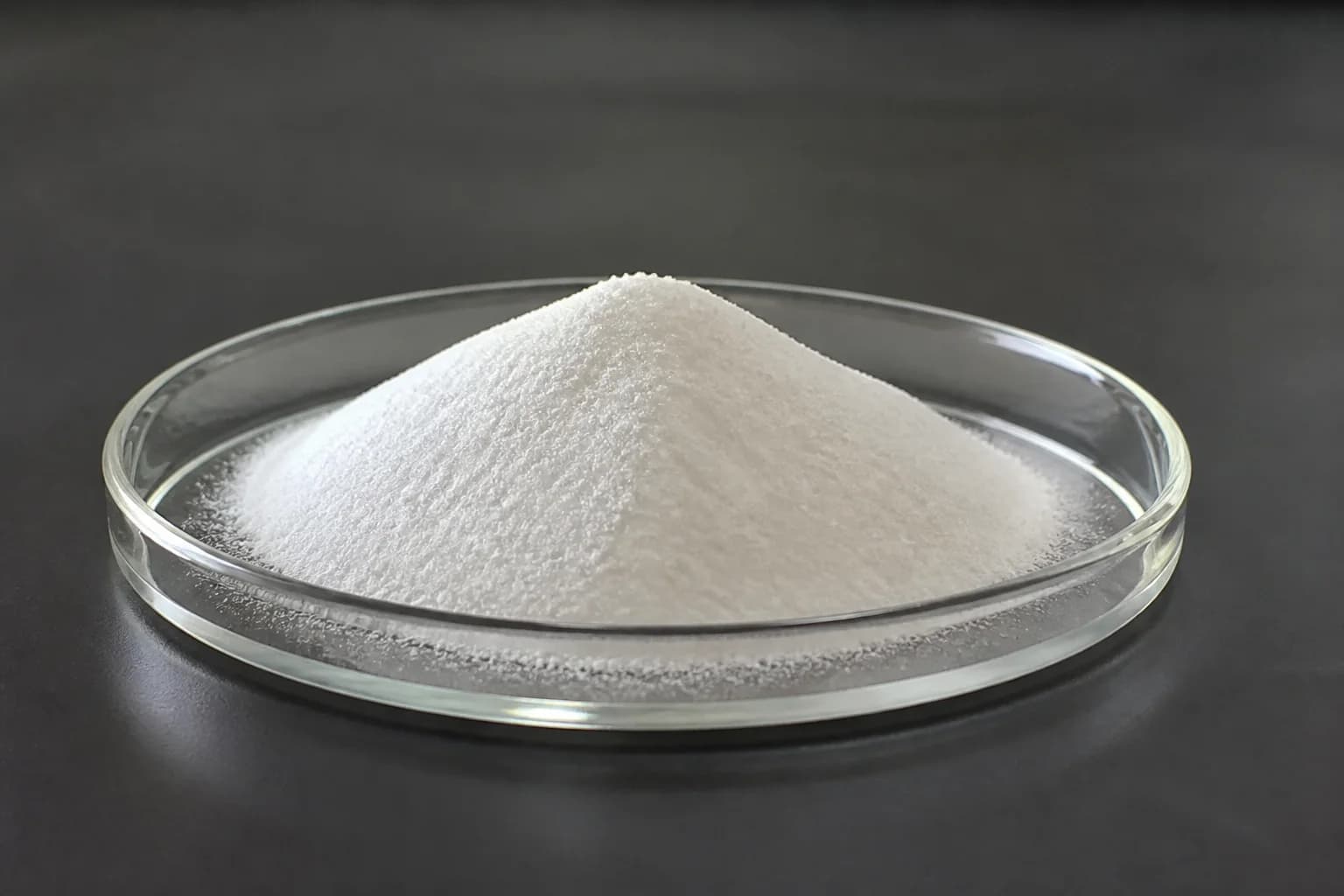
Sucralose is a no-calorie artificial sweetener that is about 320 to 1,000 times as sweet as sucrose (table sugar), two times as sweet as saccharin, and three times as sweet as aspartame. It is often…
CAS Number
56038-13-2
HS Code
2932.19.50
INCI Name
Sucralose
Molecular Formula
C12H19Cl3O8
100K+ lb Sold | 6 MonthsSucralose
ELAROMATM – SCL G1
Sucralose is a no-calorie artificial sweetener that is about 320 to 1,000 times as sweet as sucrose (table sugar), two times as sweet as saccharin, and three times as sweet as aspartame. It is often used as a sugar substitute in various food and beverage products. Sucralose is…
CAS Number
56038-13-2
INCI Name
Sucralose
HS Code
2932.19.50
Molecular Formula
C12H19Cl3O8
Live Prices for Sucralose
View live pricing & request bulk enquiry for this product on Elixir.
Free Samples AvailableSpeed Up Your Sample Testing Process
We deliver domestic samples within 24 - 48 hours, helping you evaluate product without delays.
 By
By
Specialty chemicals, delivered right
Access live, grade-specific pricing for every chemical, so your teams talks with data, not intuition on Elixir.
Compare fulfilment options across grades, INCO terms, origins, and lead times: all in one platform.

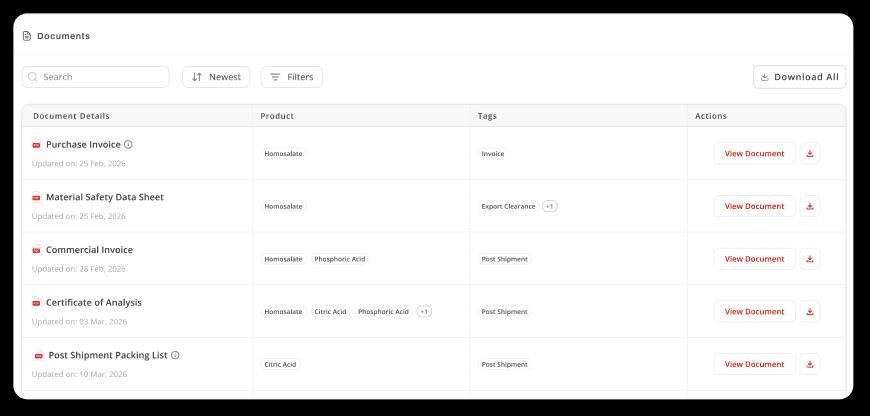
Live, transparent pricing
Real-time quotes across 12,000+ specialty chemicals.
Product Specification
Physical Properties
| Property | Specification |
|---|---|
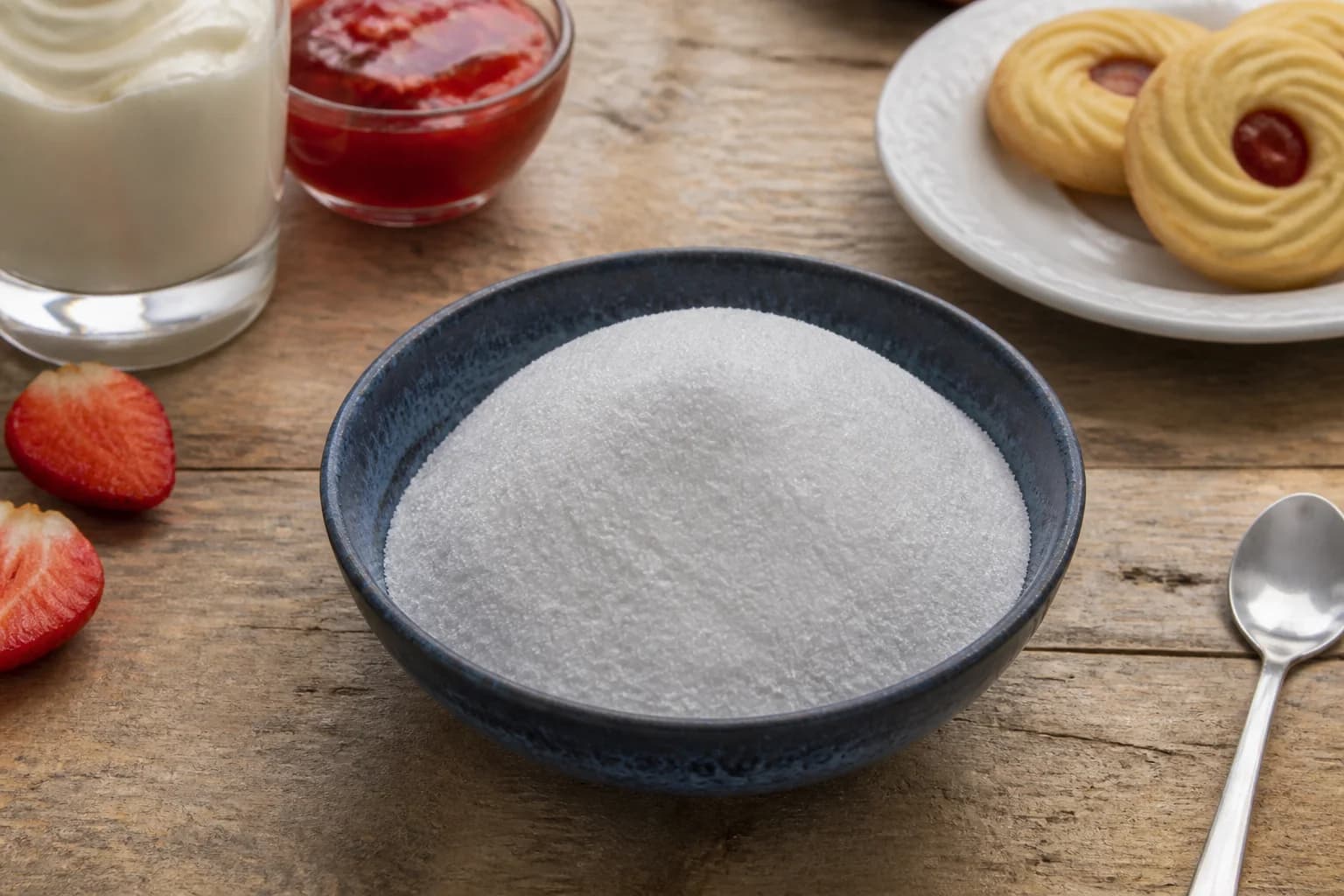
| Appearance | White or almost white crystalline powder |
| Odor | Odorless |
| Molecular Weight | 397.63 g/mol |
| Molecular Formula | C12H19Cl3O8 |
| Density | 1.69 g/cm³ |
| Viscosity | Newtonian viscosity characteristics in aqueous solution |
| Refractive Index | 1.604 |
| Ph (10% Aqueous Solution) | 5.0–7.0 |
| Assay / Purity | 98.0%–102.0% (anhydrous basis) |
Chemical Properties
| Property | Specification |
|---|---|
| Pka | 12.52 ± 0.70 |
| Incompatibilities | Powerful reducing or oxidizing agents, strong alkalies. |
Thermal Properties
| Property | Specification |
|---|---|
| Melting Point | 125 °C (decomposes) |
| Boiling Point | 669.4 °C |
| Flash Point | 358.7 °C |
| Autoignition Temperature | 390 °C (for dust) |
Dosing Guidelines
A. Dosing by Application
| Application | Recommended / Max Dosage |
|---|---|
| Beverages (Soft Drinks, Juices, etc.) | GMP |
| Baked Goods and Mixes | GMP |
| Dairy Products (Yogurt, Ice Cream) | GMP |
| Confections and Frostings | GMP |
| Jams and Jellies | GMP |
| Tabletop Sweeteners | GMP |
| Processed Fruits | GMP |
| Nutritional and Dietary Supplements | GMP |
About Sucralose
- Highly Soluble: Easily dissolves in water, making it ideal for beverages and liquid formulations.
- Function: Non-nutritive sweetener, Sugar substitute
- Long Shelf Life: Does not degrade over time, ensuring stable sweetness during storage.
- High-Intensity Sweetness: Approximately 600 times sweeter than sucrose (sugar).
- pH Stability: Maintains its sweetness across a wide range of acidic and alkaline conditions.
- Zero Calorie: Not metabolized by the body for energy.
- High Sweetness Intensity: Approximately 600 times sweeter than regular sugar, requiring only small amounts.
- Heat Stable: Retains sweetness at high temperatures, making it suitable for baking and cooking.
- High Stability: Stable over a broad pH range and has a long shelf life.
- Clean Taste: Generally does not have a bitter aftertaste common to some other artificial sweeteners.
- Non-Cariogenic: Does not promote tooth decay.
- Blood Sugar Management: Does not raise blood sugar or insulin levels, making it suitable for individuals with diabetes.
- Weight Management: Can help reduce overall calorie and sugar intake.
- Versatility: Its stability allows for use in a wide variety of products, including beverages, baked goods, dairy products, and pharmaceuticals.
About Sucralose
- Highly Soluble: Easily dissolves in water, making it ideal for beverages and liquid formulations.
- Function: Non-nutritive sweetener, Sugar substitute
- Long Shelf Life: Does not degrade over time, ensuring stable sweetness during storage.
- High-Intensity Sweetness: Approximately 600 times sweeter than sucrose (sugar).
- pH Stability: Maintains its sweetness across a wide range of acidic and alkaline conditions.
- Zero Calorie: Not metabolized by the body for energy.
- High Sweetness Intensity: Approximately 600 times sweeter than regular sugar, requiring only small amounts.
- Heat Stable: Retains sweetness at high temperatures, making it suitable for baking and cooking.
- High Stability: Stable over a broad pH range and has a long shelf life.
- Clean Taste: Generally does not have a bitter aftertaste common to some other artificial sweeteners.
- Non-Cariogenic: Does not promote tooth decay.
- Blood Sugar Management: Does not raise blood sugar or insulin levels, making it suitable for individuals with diabetes.
- Weight Management: Can help reduce overall calorie and sugar intake.
- Versatility: Its stability allows for use in a wide variety of products, including beverages, baked goods, dairy products, and pharmaceuticals.
Regulatory Compliance
| Region | Max Allowed Level | Notes | Certification Body |
|---|---|---|---|
| United States | - | Approved as a general-purpose sweetener and food additive. Classified as Generally Recognized as Safe (GRAS). | FDA approval for food additives. |
| European Union | - | Approved as food additive E955. The European Food Safety Authority (EFSA) confirmed an Acceptable Daily Intake (ADI) of 15 mg/kg body weight per day and considers current uses safe. EFSA could not confirm the safety for new proposed uses involving prolonged high temperatures due to uncertainties about the formation of chlorinated compounds. | Compliance with Regulation (EC) No 1333/2008 and Regulation (EU) No 231/2012 (purity criteria). |
| Canada | 0.08% | Approved as a permitted sweetener. Health Canada has reviewed sucralose and found it safe for its permitted uses. | Health Canada approval under the Food and Drug Regulations. |
| India | - | Approved as an artificial sweetener. Regulated under the Food Safety and Standards (Food Products Standards and Food Additives) Regulations. | FSSAI approval. |
| Japan | - | Approved as a food additive. Regulated under Japan's Specifications and Standards for Food Additives. | Ministry of Health, Labour and Welfare (MHLW) approval. |
| Australia | 2% | Approved as a food additive (code number 955). Regulated under Schedule 15 of the Australia New Zealand Food Standards Code. | Food Standards Australia New Zealand (FSANZ) approval. |
| China | - | Approved as a food additive. Regulated under the National Food Safety Standard GB 2760, "Standard for Uses of Food Additives". | National Health Commission (NHC) approval. |
| Republic of Korea | - | South Korea | - |
| ASEAN | - | Not specifically regulated at the ASEAN level; subject to national regulations of member states. | National food safety agency approvals (e.g., FDA Thailand, BPOM Indonesia). |
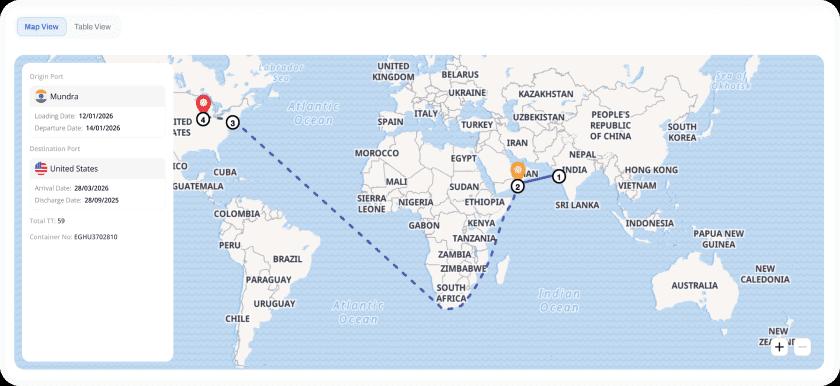
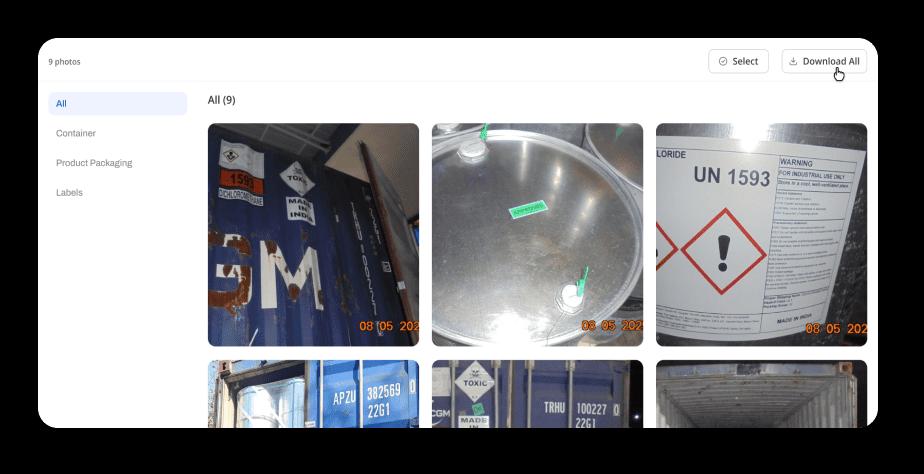
We Have Shipped This Product Before
Stuffing photos of this product from past shipments, from bag marking to the sealed container.
FAQs - Sucralose
Related Products
Related Products

Streamline
Your Chemical
Procurement
Get fast responses from real experts