

At a Glance
- both stevia and monk fruit are plant-based, zero-calorie sweeteners with no impact on blood sugar
- stevia comes from a South American plant leaf, monk fruit from a small melon native to southern China
- stevia is 200 to 300x sweeter than sugar, monk fruit is 150 to 250x sweeter
- both are FDA GRAS approved, monk fruit still only partially approved in the EU as of 2024
- stevia has more human research behind it, monk fruit has a cleaner side effect profile
- main real-world difference is taste: stevia has a bitter aftertaste for many people, monk fruit generally doesn’t
- monk fruit costs more and is harder to find, stevia is widely available and cheaper
- neither raises blood sugar, both are fine for diabetics, keto, and people cutting calories
The zero-calorie sweetener space used to be dominated by artificial options like aspartame and sucralose. Then stevia came along and changed things, then monk fruit followed. Now if you walk into any health food store or scroll through supplement ingredient lists, you’re seeing both everywhere. Stevia vs monk fruit sweetener is genuinely one of the more common questions people have about what they’re putting in their coffee, their protein powders, their diet sodas.
The short answer is that they’re more similar than different. But there are real distinctions worth knowing, especially if taste or health specifics matter to you.
Stevia vs Monk Fruit Sweetener: What They Actually Are
These are two completely different plants with similar end results.
Stevia comes from the leaves of Stevia rebaudiana, a plant native to Paraguay and Brazil. People there have been chewing the leaves for sweetness for centuries. The sweet compounds in the leaves are called steviol glycosides, mainly stevioside and rebaudioside A (Reb A). These glycosides are what gets extracted, purified, and sold commercially. The FDA has approved high-purity stevia extracts as GRAS but has not approved raw stevia leaf or crude extracts for use in food. So what’s in your packet at a cafe is a refined extract, not ground-up leaves.
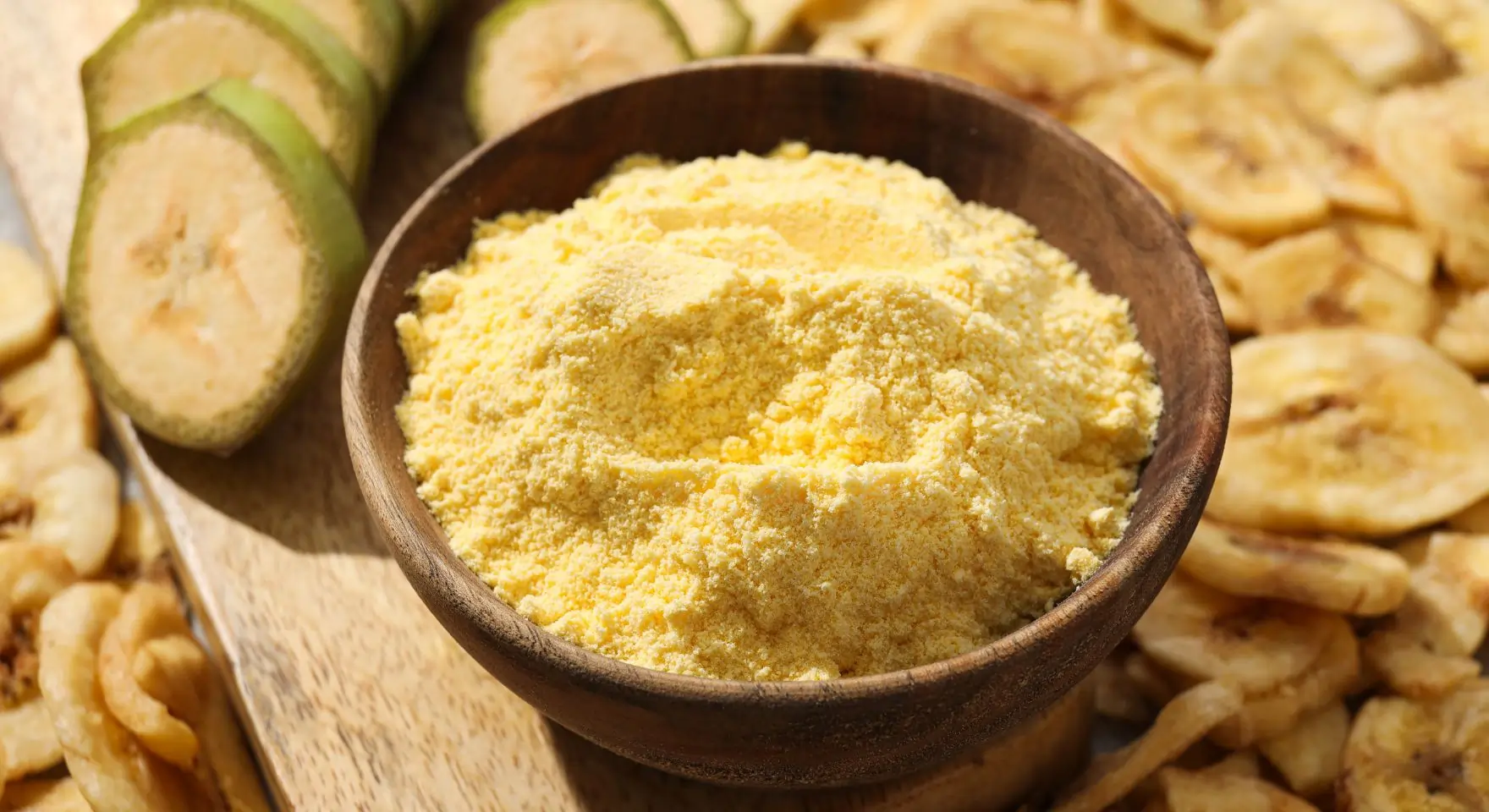
Monk fruit (also called luo han guo) is a small round melon that grows in the mountainous regions of southern China. Buddhist monks were cultivating it as far back as the 13th century, hence the name. The sweetness comes from compounds called mogrosides, particularly mogroside V. The fruit itself spoils fast and tastes unpleasant raw but when the seeds and skin are removed, the pulp is crushed, the juice extracted and dried, what you get is an intensely sweet powder. FDA approved it as GRAS. In the EU as of late 2024, only one specific aqueous extract has been formally authorised, and highly purified mogroside forms are still under review.
| Stevia | Monk Fruit | |
| Source plant | Stevia rebaudiana (South America) | Siraitia grosvenorii (Southern China) |
| Active compounds | Steviol glycosides (Reb A, stevioside) | Mogrosides (mainly mogroside V) |
| Sweetness vs sugar | 200 to 300x | 150 to 250x |
| Calories | Zero | Zero |
| Glycemic index | Zero | Zero |
| FDA status | GRAS (purified extract) | GRAS |
| EU status | Approved | Partially approved as of Oct 2024 |
| Relative cost | Lower, widely available | Higher, less accessible |
| Aftertaste | Bitter or licorice-like for many | Milder, cleaner for most |
How Both Work in the Body
Neither stevia nor monk fruit gets digested the way regular sugar does. Both pass through the upper GI tract largely intact without triggering insulin or raising blood glucose. That’s the core reason both are so popular for diabetics and people on low-carb or keto diets.
Stevia’s steviol glycosides reach the large intestine where gut bacteria break them down into steviol, which is then absorbed, processed in the liver, and excreted in urine. A 2024 study in Nutrients tracked healthy adults taking stevia for 12 weeks and found no significant change in gut microbiome composition, which was reassuring given earlier concerns. Some research has found that stevia may actually support a slight reduction in post-meal blood glucose compared to sugar and some artificial sweeteners, which is a modest bonus.
Monk fruit’s mogrosides don’t undergo glycolysis at all. They’re not metabolized into glucose or energy, which is why mogroside V specifically triggers no insulin response and no change in blood glucose even at higher doses. A 2024 double-blind crossover RCT comparing monk fruit extract against sucrose found monk fruit produced no significant effects on blood glucose or insulin sensitivity in healthy adults. A 2024 study by Wu et al. also found monk fruit extract supplementation led to a 25% reduction in inflammatory cytokines compared to placebo, suggesting some anti-inflammatory activity beyond just sweetness.
Is Monk Fruit Better Than Stevia for Health?
This is the real question most people are trying to answer, and the honest answer is: it depends on what matters to you.
Where monk fruit looks better:
Mogrosides are antioxidants. Real ones. They neutralize free radicals, reduce oxidative stress markers, and have shown anti-inflammatory effects in both animal models and some human trials. In rat studies, mogroside V improved blood glucose, increased glycogen synthesis, and helped with insulin resistance in type 2 diabetes models. Human clinical data is still limited, but a 2025 PRISMA-guided systematic review of randomized controlled trials concluded that monk fruit extract shows meaningful metabolic benefits and is metabolically neutral in healthy populations. No reported side effects in any consistent studies. No gut complaints documented in research, no hormonal concerns raised.
Is monk fruit better than stevia on the gut side? Possibly. Some users report bloating, nausea, and gas with stevia, particularly stevia products blended with sugar alcohols like erythritol or inulin. Stevia-only products at lower doses tend to be fine, but many commercial stevia products include these fillers to improve texture and bulk, and that’s where the GI complaints usually originate. Research hasn’t definitively pinned this on stevia itself, but it’s worth knowing if you’re sensitive.
Where stevia holds its ground:
Stevia has a much longer human research history. Decades of clinical data at this point, across multiple populations, covering blood pressure, gut health, blood sugar, and safety in pregnancy. Some studies suggest stevia may actively support a mild reduction in systolic blood pressure. The global stevia market in 2023 was valued at over $513 million and growing at 11.9% CAGR through 2030, partly because the science backing it has continued to accumulate.
Stevia also has more variety in how it’s formulated. Different steviol glycosides have different taste profiles. Reb M, a less common glycoside, has a much cleaner taste than Reb A and is showing up more in premium products specifically to address the aftertaste issue. If you’ve tried stevia once years ago and hated it, it’s worth trying a Reb M product before writing it off entirely.
Where they’re basically equal:
- Zero calories, zero glycemic impact, safe for diabetics: both, no real difference
- Heat stability for cooking and baking: both hold up well
- Safe for children in moderation: both, though neither is recommended for children under 2
- Dental health: neither causes tooth decay, both are non-cariogenic
- Keto and low carb compatibility: both are ideal
The Taste Problem, and Why It Matters More Than People Admit
Let’s be real. Most people aren’t choosing between stevia and monk fruit based on systematic reviews. They’re choosing based on what doesn’t make their morning coffee taste strange.
Stevia’s bitter aftertaste is well documented and polarizing. It comes from specific steviol glycosides, primarily stevioside, that have a lingering bitterness on the back of the palate. Rebaudioside A is cleaner, and Reb M is cleaner still, but many budget stevia products use stevioside-dominant extracts because it’s cheaper to produce. In a 2025 consumer preference study, 72% of respondents reported a better aftertaste experience with monk fruit compared to stevia, and over 61% described stevia as having a bitter or metallic aftertaste. Whether that matches your experience depends a lot on which specific product you’re using.
Monk fruit’s taste profile is generally described as cleaner, fruitier, and more rounded. It doesn’t have the same bitter finish for most people. That said, concentrated pure monk fruit extract can still have some odd notes at higher amounts, which is why many products blend it with erythritol, which adds bulk and smooths the sweetness curve.
For hot drinks, both dissolve well. For baking, both are heat stable, though neither provides the same browning, moisture retention, or textural role that sugar plays. You’ll likely need to adjust recipes if you’re substituting either for sugar in baked goods, especially for things like cookies or caramel where sugar chemistry matters.
Regulatory Snapshot in 2025
| Regulatory body | Stevia | Monk Fruit |
| US FDA | GRAS (high-purity extract) | GRAS |
| EU | Approved | Partially approved Oct 2024 (aqueous extract only) |
| Canada | Approved | Approved |
| Australia / NZ | Approved | Approved |
| UK / Ireland | Approved | Recognised as non-novel food (pre-1997 use) |
| WADA (sports) | Not prohibited | Not prohibited |
The EU situation for monk fruit is worth noting. Only one specific aqueous extract was authorised under Commission Implementing Regulation (EU) 2024/2345. High-purity mogroside extracts and non-aqueous forms remain unapproved due to gaps in toxicological data. EFSA issued a positive opinion on the approved form in 2024 but no ADI has been established for the high-purity extracts yet. This matters for European formulators more than for consumers, but it also explains why monk fruit is less common in EU food products.
Who Should Use Which
Go with stevia if:
- Cost and availability matter, stevia is cheaper and easier to find almost everywhere
- You’re already using it and not having any issues with taste or digestion
- You want the most human research behind your choice
- You’re using it in beverages where you can adjust the amount easily
- You’re looking for potential mild blood pressure support alongside sweetening
Go with monk fruit if:
- Taste is your primary concern and you’ve had bad experiences with stevia’s aftertaste
- You want a sweetener with zero reported side effects in existing research
- You’re dealing with GI sensitivity and have found stevia products cause bloating (check that it’s not the erythritol blend first)
- You want the antioxidant and anti-inflammatory potential of mogrosides as a bonus
- You’re formulating a premium product and clean taste profile is important
Honestly either works if:
- You’re a diabetic managing blood sugar, both are effectively equivalent here
- You’re on keto or a low-carb diet
- You’re just trying to cut calories and don’t have strong reactions to either
The Label Reading Problem
Here’s something that actually affects most consumers more than the stevia vs monk fruit sweetener debate itself. Most products labeled as “stevia sweetener” or “monk fruit sweetener” are not pure extracts. They’re blends.
Stevia products commonly include erythritol, inulin, maltodextrin, or dextrose as bulking agents. Some of these, especially erythritol in large amounts, have been linked to digestive discomfort and there’s emerging research raising cardiovascular questions about very high erythritol consumption. Monk fruit products also frequently use erythritol as a bulking agent for 1:1 sugar replacement ratios.
If you’re reacting badly to a “stevia” product and assuming stevia is the problem, it could just as easily be the erythritol or inulin in the blend. Check the ingredient list, not just the front label.
Pure liquid stevia drops and pure liquid monk fruit extract tend to have the shortest ingredient lists and are the best starting point if you want to test how you specifically respond to each sweetener without the noise of added fillers.
Market Perspective and Where Things Are Heading
Stevia market was valued at around $513 million globally in 2023, projected to grow at 11.9% CAGR through 2030. Monk fruit was at about $353 million in 2023, growing at 7.7% CAGR. Both are expanding fast as artificial sweetener concerns push consumers toward plant-based alternatives.
For ingredient buyers, formulators, and brands building products around these sweeteners, purity grade and source documentation matter a lot. Stevia and monk fruit extract quality varies significantly between suppliers, particularly around glycoside concentration and the presence of impurities. Platforms like Elchemy help buyers connect with verified suppliers across both categories with clear documentation on purity specifications, extraction methodology, and compliance requirements for food and nutraceutical applications.
Bottom Line
The stevia vs monk fruit sweetener debate doesn’t really have a single winner. They’re genuinely similar in the ways that matter most, zero calories, zero glycemic impact, plant-derived, and safe for daily use in reasonable amounts.
Where they actually differ is in taste, side effect profile, research depth, and cost. Stevia has more human data behind it and is cheaper and more accessible. Monk fruit has a cleaner taste for most people and a notably clean side effect record. Is monk fruit better than stevia across the board? Not objectively. But for people who find stevia’s bitterness a real barrier, or who’ve had GI issues with stevia blends, monk fruit is often genuinely the better fit.
The best advice is probably to try both in their purest forms before deciding. Taste preference is personal and no amount of research changes whether you like how something tastes in your coffee at 7am.