

At a Glance
- Cyclamate is banned in the US since 1970 but approved in Europe and over 100 countries
- The EU banned artificial sweeteners in dietetic bakery products starting in 2018
- Aspartame faces growing scrutiny in Europe with potential restrictions, but remains FDA-approved
- Europe applies the precautionary principle (prove safety first), while the US uses GRAS (assume safety until proven otherwise)
- High fructose corn syrup faces restrictions in the UK and some European countries but is widely used in the US
- Only 12 additives commonly used in the US are completely banned in the EU
- Europe requires GMO labeling and has stricter limits on pesticide residues than the US
- Regulatory differences create challenges for international food companies operating in both markets
Food safety regulations differ dramatically between the United States and Europe. Walk into an American grocery store and you’ll find products containing ingredients that European regulators have banned or restricted for years. The reverse is also true, though less common. These regulatory differences reflect fundamental philosophical approaches to food safety that shape what millions of people consume daily.
The E.U. restricts more than 50x more ingredients than the U.S., creating a substantial gap in food safety standards between these major markets. This disparity extends beyond obscure chemicals to include widely used sweeteners that Americans encounter in everyday products from diet sodas to sugar-free baked goods.
Understanding which sweeteners are banned in Europe, why regulatory agencies reached different conclusions, and what this means for consumers requires examining the science, politics, and precautionary principles driving these decisions.
The Regulatory Philosophy Gap
The fundamental difference between European and American food safety lies in how regulators approach risk.
In Europe, companies must prove that an ingredient is safe before it can be used. In the U.S., however, ingredients are often assumed to be safe until proven otherwise. This precautionary principle versus reactive regulation creates dramatically different outcomes.
Europe’s Precautionary Approach:
- Requires pre-market safety demonstration
- Bans or restricts ingredients based on potential risks
- Favors conservative interpretation of uncertain science
- Emphasizes long-term health effects over short-term economic impacts
America’s GRAS System: The US uses a Generally Recognized As Safe (GRAS) system, established by the FDA, which allows the use of substances with a long history of safe use. Under this framework, the GRAS system allows food manufactures to determine the safety of certain food additives without preapproval from the FDA.
The Food, Drug, and Cosmetic Act, which governs product safety in the U.S., was passed in 1938 and has seen only minimal updates since then. This outdated regulatory framework struggles to keep pace with modern food science and manufacturing techniques.
Cyclamate: Banned in America, Legal Everywhere Else
The most striking example of regulatory reversal involves cyclamate, a sweetener perfectly legal across Europe but prohibited in the United States since 1970.
The 1969 Study and Its Consequences
A 1969 rat study found that a 10:1 cyclamate-saccharin mixture at extreme doses (equivalent to humans consuming 550 diet sodas daily) caused bladder tumors in eight of 240 rats. This single controversial study triggered immediate action. Robert Finch, secretary of health, education, and welfare, announced the ban effective February 1, 1970.
The scientific community questioned the methodology immediately. Abbott Laboratories reported it could not reproduce the results. Multiple petitions to lift the ban followed over the decades. The FDA eventually acknowledged that “a review of all available evidence does not implicate cyclamate as a carcinogen in mice or rats.” Yet cyclamate remains banned.
Europe’s Opposite Path
Cyclamate was initially banned in the UK in the late 1960s but was reapproved after European Union reevaluation in 1996. The EU Scientific Committee for Food reviewed decades of research and concluded cyclamate was safe for human consumption. The WHO/FAO Joint Expert Committee established an Acceptable Daily Intake (ADI) of 11 mg/kg body weight.
Cyclamate Global Status
|
Region |
Status |
Since |
Applications |
|
United States |
Banned |
1970 |
Not permitted in any products |
|
European Union |
Approved |
1996 |
Diet sodas, chewing gum, sweetener tablets, baked goods, canned fruit |
|
Canada |
Approved |
— |
Widely used in reduced-calorie products |
|
Australia |
Approved |
— |
Food and beverage applications |
|
130+ Countries |
Approved |
— |
Global use, primarily outside US |
Coca-Cola demonstrates this split perfectly. Coca-Cola Zero sold in Italy contains cyclamate. The identical product in the US does not. Same company, same formula goal, different regulatory requirement.
Why the Difference Persists
The 1970 ban created regulatory inertia. Lifting it would require the FDA to formally reverse course and acknowledge the original 1969 decision was overly cautious. This rarely happens in American regulatory agencies. Meanwhile, Europe’s systematic review process allowed reconsideration and approval without the same political burden.
European Ban on Artificial Sweeteners in Bakery Products
Beyond individual sweetener restrictions, Europe implemented category-specific bans absent from American regulations.
Commission Regulation 2018/97, published January 23, 2018, banned artificial sweeteners in fine bakery products aimed at people with special dietary needs. The regulation took effect February 2018.
Following the 2013 revision of EU rules on foods for particular nutritional uses, the European Commission concluded that artificial sweetener authorization in “fine bakery products for special nutritional uses” was no longer justified.
Sweeteners Banned in European Bakery Products
- Aspartame
- Acesulfame-K
- Cyclamate
- Saccharin
- Sucralose
- Neohesperidin DC
The Reasoning
The EU questioned whether these specialized products provided genuine health benefits or simply allowed unrestricted consumption of otherwise restricted foods. A product labeled “sugar-free” creates permission psychology where consumers feel they can eat more without consequence. Banning sweeteners in these products prevents misuse.
Impact on American Companies
American bakery manufacturers exporting to Europe face reformulation requirements. Products with “energy-reduced” or “no added sugars” claims must comply without artificial sweeteners. This forces reliance on sugar alcohols (sorbitol, xylitol), stevia, or other alternatives. Ingredient changes affect taste, texture, shelf stability, and manufacturing processes. The result: different formulations for different markets, higher production costs, and lower profit margins on European sales.
Aspartame: WHO Warning vs. FDA Confidence
Aspartame represents the most contentious current regulatory debate. The World Health Organization classified aspartame as “possibly carcinogenic to humans” in 2023, intensifying European pressure for restrictions while American regulators remained unmoved.
The WHO Classification (June 2023)
An international expert working group classified aspartame as Group 2B: “possibly carcinogenic to humans.” This category applies when evidence is limited but not convincing for cancer in humans, or when animal evidence is convincing but human evidence is not.
The FDA’s Counterposition
The FDA disagreed with the WHO ruling and continues permitting aspartame in more than 2,500 products. The FDA’s official statement: “Aspartame being labeled by IARC as ‘possibly carcinogenic to humans’ does not mean that aspartame is actually linked to cancer. The FDA disagrees with IARC’s conclusion that these studies support classifying aspartame as a possible carcinogen to humans.”
This regulatory standoff reflects the philosophical divide. Europe’s precautionary approach treats “possibly carcinogenic” as sufficient grounds for restriction. America’s GRAS system requires definitive proof of harm before removing approved ingredients.
European Political Pressure
Food tracking app Yuka joined with charities to launch an online petition restricting aspartame across Europe on World Cancer Day 2025. Various European media outlets report an aspartame ban appears increasingly likely, though no formal action has been taken as of April 2026.
Beyond Cancer Concerns
Beyond carcinogenicity questions, associations with type 2 diabetes, cardiovascular disease, and weight gain exist. Whether these represent causation or correlation remains under investigation. Regulatory agencies interpret this uncertainty differently: Europe restricts based on potential risk; America requires proven causation.
Cyclamate: Banned in America, Approved in Europe
The most striking example of regulatory reversal involves cyclamate, an artificial sweetener that’s perfectly legal in Europe but has been prohibited in the United States since 1970.
Cyclamate is approved as a sweetener in at least 130 countries, including Canada, Mexico, Australia, and all EU member states. Cyclamate is an artificial sweetener that is 30–50 times sweeter than sucrose (table sugar), making it the least potent of the commercially used artificial sweeteners.
The 1969 Study That Changed Everything
In 1969, a study found the common 10:1 cyclamate–saccharin mixture increased the incidence of bladder cancer in rats, with the released study showing that eight out of 240 rats fed a mixture of saccharin and cyclamates, at levels equivalent to humans ingesting 550 cans of diet soda per day, developed bladder tumors.
This single controversial study led to immediate action. Robert Finch, the secretary of health, education, and welfare, announced that food products containing cyclamates would be banned from U.S. markets effective February 1, 1970.
The scientific community quickly questioned the study’s methodology and conclusions. Abbott Laboratories claimed that its own studies were unable to reproduce the 1969 study’s results. Multiple petitions to lift the ban followed, but although the FDA has stated that a review of all available evidence does not implicate cyclamate as a carcinogen in mice or rats, cyclamate remains banned from food products in the United States.
Europe’s Different Conclusion
Cyclamate was banned in the United Kingdom in the late 1960s; however, it was approved after being re-evaluated by the European Union in 1996. The EU Scientific Committee for Food reviewed decades of research and concluded cyclamate was safe for human consumption.
An ADI of 11 mg/kg bw for cyclamate was established by the WHO/FAO Joint Expert Committee on Food Additives and the Scientific Committee for Food of the European Union. This Acceptable Daily Intake provides clear guidance on safe consumption levels.
Cyclamate in European Products:
- Diet soft drinks (including Coca-Cola Zero in Europe)
- Sugar-free chewing gum
- Tabletop sweeteners
- Reduced-sugar baked goods
- Canned fruit in light syrup
Even Coca-Cola uses different ingredients when producing one of its most famous drinks, Coca-Cola Zero: the cans served in many European countries, such as Italy, contain cyclamate, when the same product in the United States does not.
| Aspect | United States | European Union |
| Legal status | Banned since 1970 | Approved since 1996 |
| Regulatory reasoning | 1969 rat study showing tumor formation | Multiple reviews finding no human cancer risk |
| Available in products | Not permitted | Widely used in diet products |
| Current petition status | Held in abeyance | No restrictions proposed |
Artificial Sweeteners in Bakery Products: Europe’s Specific Ban
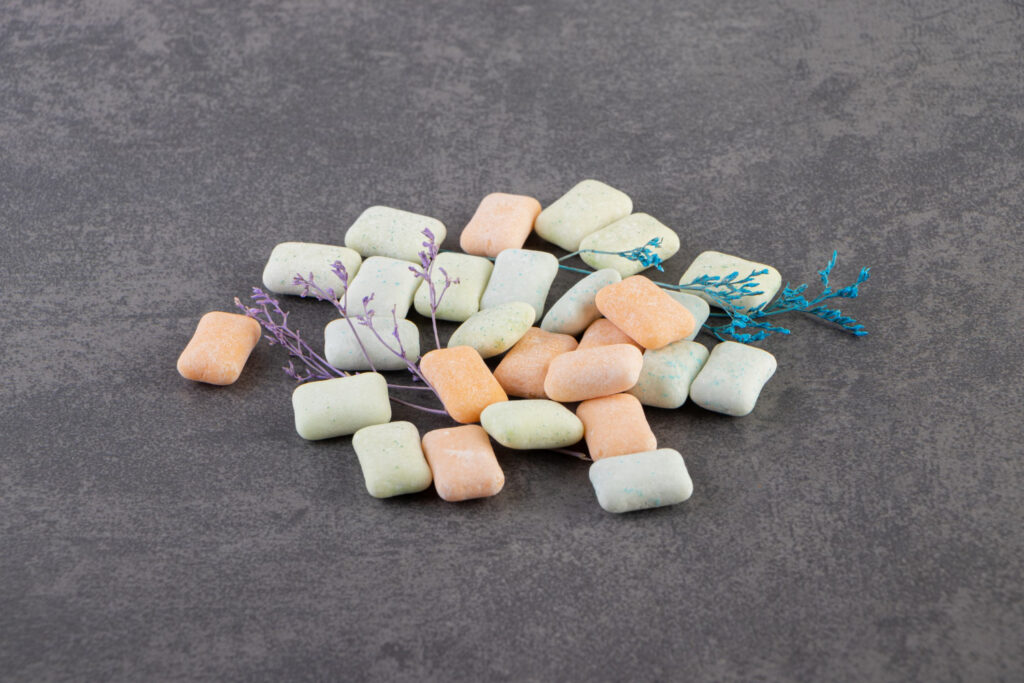
Beyond individual sweetener restrictions, Europe has implemented category-specific bans that don’t exist in American regulations.
Commission Regulation 2018/97, published on January 23, 2018, bans the use of artificial sweeteners in fine bakery products aimed at people with special dietary needs. This regulation became applicable in February 2018.
Following the 2013 revision of the EU’s rules on food for particular nutritional uses, the European Commission concluded that the authorization of artificial sweeteners in “fine bakery products for special nutritional uses” is no longer justified.
Sweeteners Banned in European Bakery Products:
- Aspartame
- Acesulfame-K
- Cyclamate
- Saccharin
- Sucralose
- Neohesperidin DC
The European Union banned many artificial sweeteners in baked goods, especially those targeted toward diabetics. The reasoning centered on whether these specialized products offered genuine health benefits or simply allowed unlimited consumption of otherwise restricted foods.
This creates challenges for American bakery companies exporting to Europe. Bakery products with “energy-reduced” or “with no added sugars” claims, must comply with the criteria without using artificial sweeteners, forcing reformulation with alternative ingredients like sugar alcohols or natural sweeteners.
Aspartame: Growing European Scrutiny vs. FDA Confidence
Aspartame represents the most contentious current debate in sweetener regulation. The World Health Organization declared aspartame as “possibly carcinogenic to humans” in 2023, intensifying calls for restrictions in Europe while American regulators remain unmoved.
Food app Yuka joined forces with several charities to launch an online petition to restrict its use across Europe on World Cancer Day 2025. Various European media report an aspartame ban appears increasingly likely.
The FDA’s Position
The FDA doesn’t agree with WHO’s 2023 ruling, and the U.S. agency continues to permit the use of aspartame in more than 2,500 grocery store and pharmacy products. The agency’s website explicitly states: “Aspartame being labeled by IARC as ‘possibly carcinogenic to humans’ does not mean that aspartame is actually linked to cancer. The FDA disagrees with IARC’s conclusion that these studies support classifying aspartame as a possible carcinogen to humans”.
Beyond Cancer: Other Aspartame Concerns
In addition to cancer, type 2 diabetes, cardiovascular disease and weight gain have been linked to aspartame and virtually all artificial sweeteners. Research continues examining whether these associations represent causation or correlation.
The regulatory standoff illustrates how the same scientific evidence produces opposite conclusions depending on the philosophical framework applied. Europe’s precautionary approach treats “possibly carcinogenic” as sufficient grounds for restriction. America’s GRAS system requires definitive proof of harm before removing approved ingredients.
High Fructose Corn Syrup: American Staple, European Concern
High fructose corn syrup is in a lot of our food, especially the cheaply made products, with the sweetener made from pure fructose and sugar. This corn-derived sweetener dominates American processed foods but faces restrictions across the Atlantic.
Things like obesity and Type 2 diabetes have skyrocketed since its introduction, with the United Kingdom and several other European countries having restricted the products or banned the use of high fructose syrup completely.
The European restriction stems from both health concerns and agricultural policy. Europe protects its sugar beet industry through tariffs and quotas that make corn syrup economically uncompetitive. This creates a convenient alignment between protectionist trade policy and public health objectives.
HFCS Usage Comparison:
- US Products: Soft drinks, bread, cereals, yogurt, condiments, snack foods
- European Products: Minimal use due to cost and regulatory environment
- Health Impact: Debated, with studies linking excessive consumption to metabolic disorders
Other Sweeteners Facing Different Treatment
Sucralose
Sucralose took a hit at the end of March when researchers at the University of Southern California published a study confirming a long-suspected notion regarding many synthetic sweeteners: While they contribute no calories of their own, some synthetic sweeteners increase appetite and therefore intake of calories.
People who drank water with sucralose said their appetite increased by nearly 20% compared with drinking water with table sugar, according to lead researcher Dr. Katie Page.
Saccharin
Saccharin, the same stuff in Sweet’n Low, is the earliest-known artificial sweetener, dating back to its discovery in 1879. Like cyclamate, saccharin faced cancer concerns in the 1970s but was later cleared.
Early saccharin products contained warning labels listing it as a potential carcinogen after studies in the early 1970s linked it to bladder cancer in rats, with more than 30 follow-up studies determining that the results in rats didn’t apply to humans.
Practical Implications for Consumers and Companies
For International Food Companies
Companies trying to sell their products in Europe will encounter more barriers to market entry when formulations contain EU-banned ingredients.
Reformulation Requirements:
- Identify banned ingredients in current products
- Source approved alternatives that maintain taste and functionality
- Conduct stability testing with new formulations
- Update packaging and labels for European compliance
- Adjust manufacturing processes for ingredient substitutions
You will have to reformulate your products and find replacements or alternatives to the banned ingredients, and be transparent about your product’s ingredients by correctly labeling the food ingredients and communicating the right information.
For Consumers
Reading labels becomes essential for understanding what you’re consuming. Consumers can identify whether a product has a sweetener by looking for the sweetener’s name in the ingredient list on the product label.
Label Reading Tips:
- Artificial sweeteners must be listed by name
- Terms like “sugar-free” or “no added sugar” typically indicate sweetener use
- European products use E-numbers (E950 for acesulfame-K, E951 for aspartame, E952 for cyclamate)
- American labels may use brand names (Splenda, Equal, Sweet’N Low)
- Check for multiple sweeteners in combination products
Conclusion
The gap between American and European sweetener regulations reveals fundamental differences in how societies balance innovation, economics, and precautionary health protection. Neither system is perfect. Europe’s restrictive approach may eliminate ingredients that pose minimal actual risk, while America’s permissive framework may allow prolonged use of substances eventually proven harmful.
Only twelve additives commonly used in the United States are banned in the European Union, suggesting the perceived gap exceeds reality. However, these differences matter for the millions of consumers on both continents making daily choices about what to eat and drink. Understanding the reasoning behind these regulatory divergences empowers consumers to make informed decisions regardless of which regulatory system governs their local grocery store.