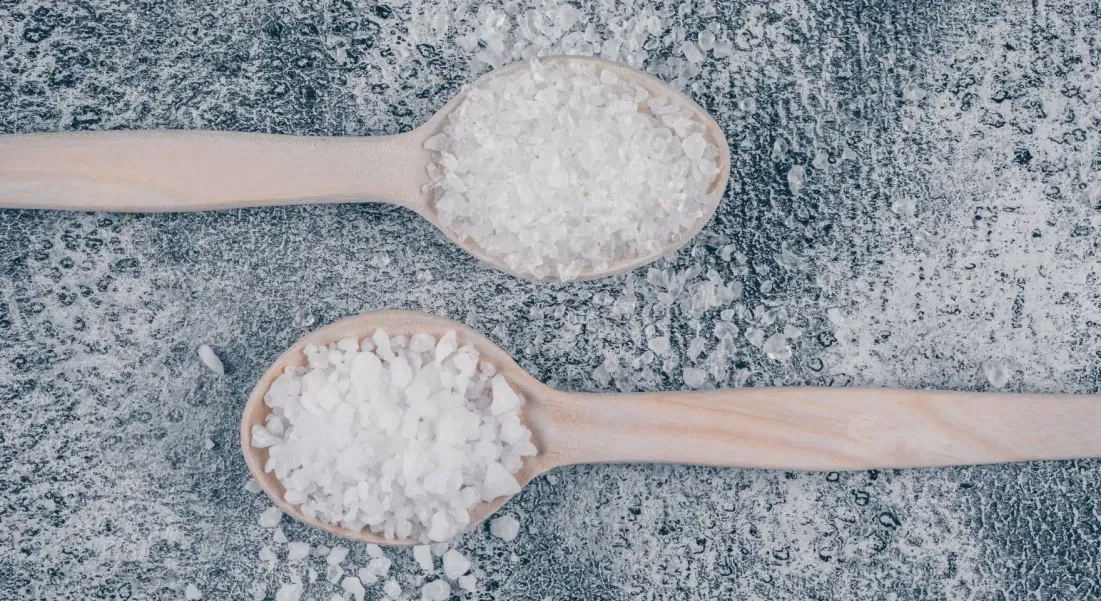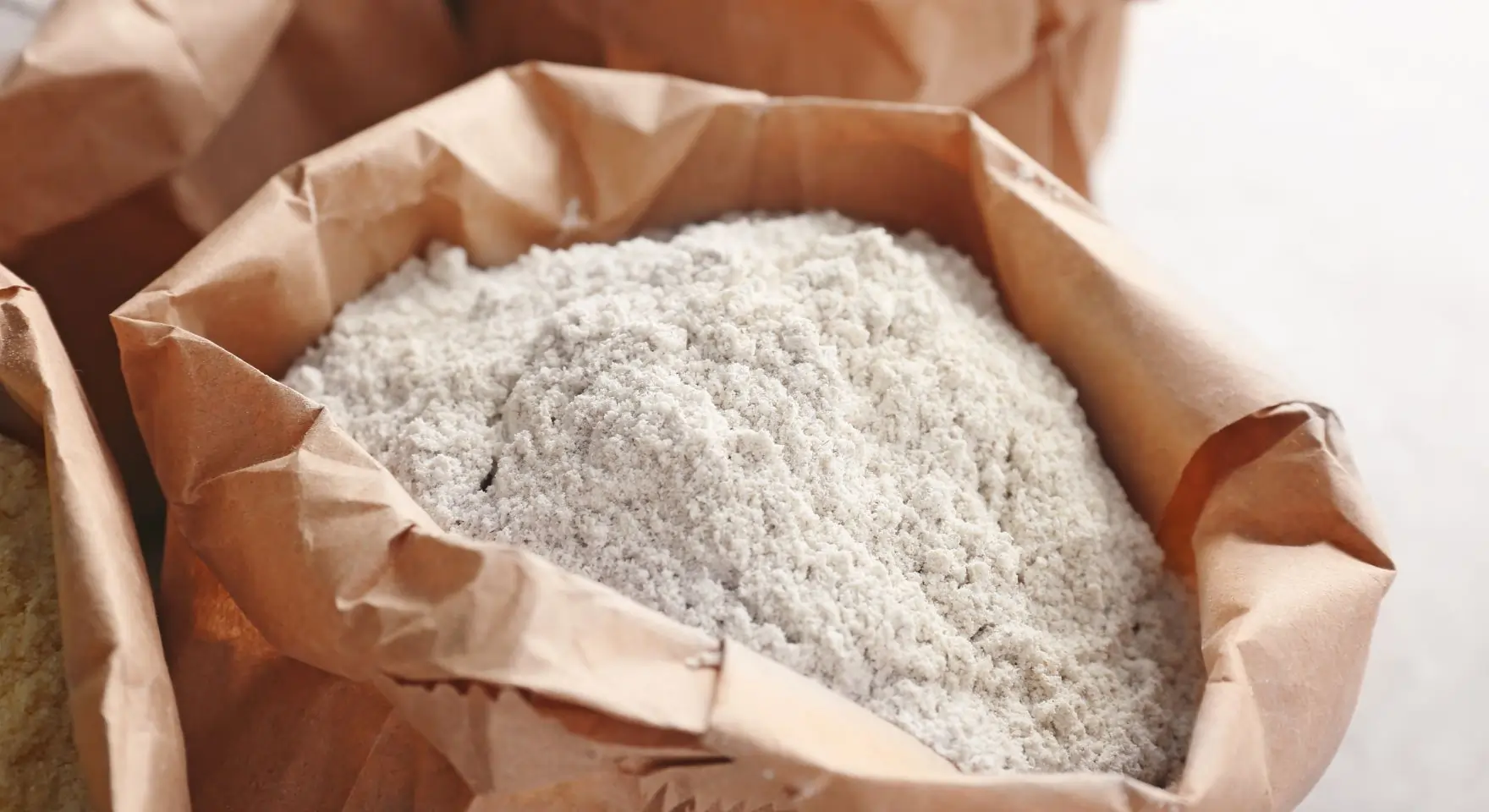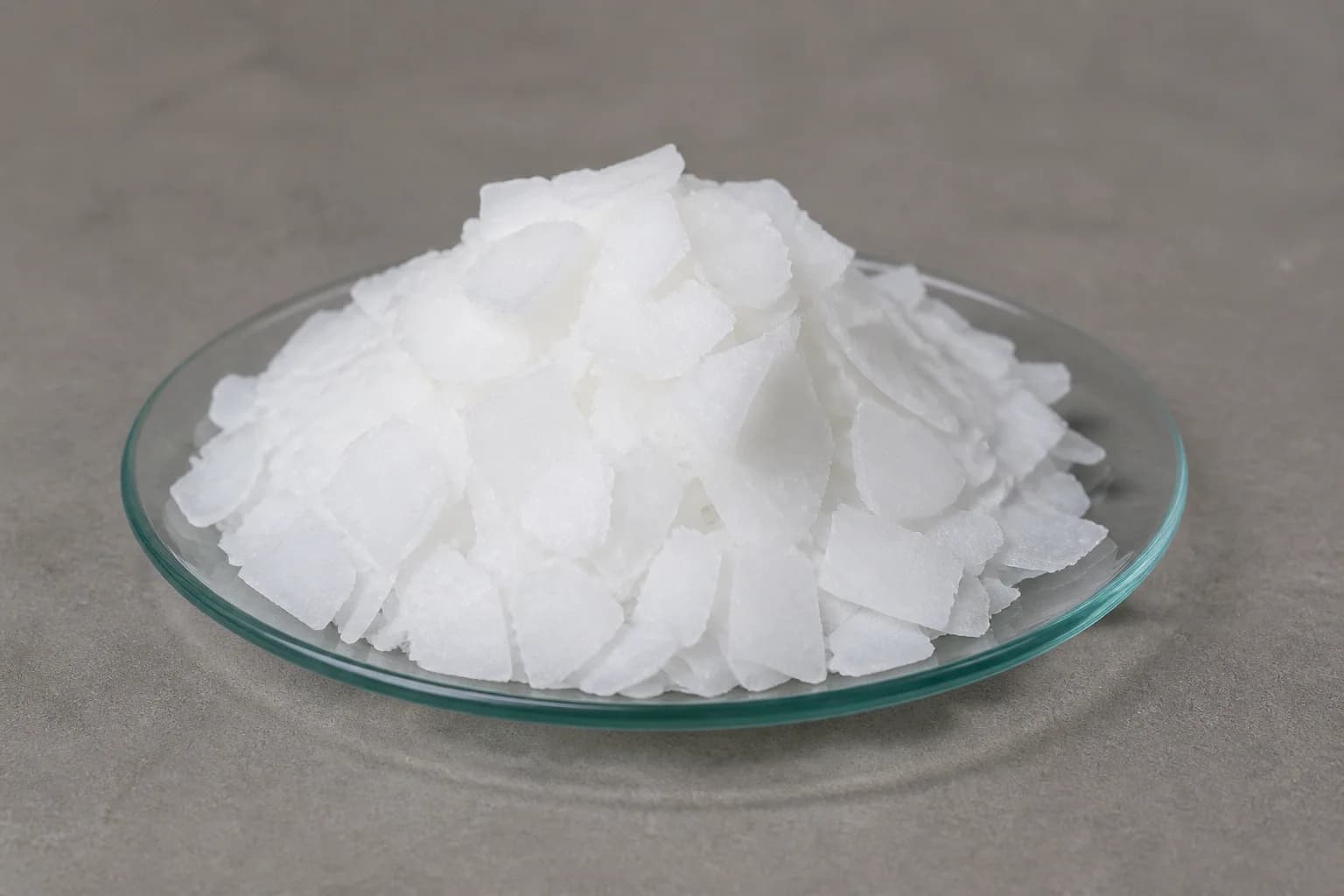


Sodium hydroxide, commonly known as caustic soda, is a highly corrosive chemical widely used in industries such as pulp and paper, textiles, water treatment, aluminum production, and chemical manufacturing. Because of its hazardous nature and broad industrial use, purchasing sodium hydroxide requires proper documentation and regulatory compliance.
These documents help ensure that the chemical meets quality standards, complies with safety regulations, and can be safely handled, transported, and stored. For procurement teams, understanding the required documentation is essential for maintaining regulatory compliance, operational safety, and product quality.
This guide explains the key documentation required when purchasing sodium hydroxide, why each document is important, and how businesses can verify supplier credibility during chemical procurement.
Why Documentation Matters When Purchasing Sodium Hydroxide
Chemical procurement involves more than simply placing an order with a supplier. Because sodium hydroxide is classified as a hazardous industrial chemical, regulatory authorities and safety standards require detailed documentation.
Proper documentation helps businesses:
- Verify the quality and purity of sodium hydroxide
- Ensure safe storage and handling procedures
- Meet environmental and regulatory compliance requirements
- Protect workers and facilities from chemical hazards
- Maintain transparency in the supply chain
Without proper documentation, businesses may face safety risks, regulatory penalties, or operational disruptions.
Key Documents Required When Purchasing Sodium Hydroxide

Several documents are commonly required during the purchase and handling of caustic soda.
Safety Data Sheet (SDS)
The Safety Data Sheet (SDS) is one of the most important documents provided when purchasing sodium hydroxide.
An SDS contains detailed information about the chemical, including:
- Hazard classification
- Safe handling instructions
- First-aid measures
- Fire and emergency procedures
- Storage and transportation guidelines
- Personal protective equipment recommendations
Because sodium hydroxide is highly corrosive, the SDS helps workers understand how to safely handle and store the chemical in industrial environments.
Most regulatory agencies require suppliers to provide an SDS with every hazardous chemical shipment.
Certificate of Analysis (COA)
The Certificate of Analysis (COA) verifies the quality and chemical composition of the sodium hydroxide being supplied.
A COA typically includes:
- Purity level of sodium hydroxide
- Concentration percentage
- Presence of impurities such as sodium carbonate or chlorides
- Batch identification details
- Testing methods used by the manufacturer
This document ensures that the product meets the required quality specifications for industrial use.
For example, solid caustic soda flakes or pearls usually have purity levels of around 98–99%, while liquid caustic soda solutions are commonly supplied at concentrations of 30–50%.
Technical Data Sheet (TDS)
The Technical Data Sheet (TDS) provides detailed technical information about the chemical product.
This document typically includes:
- Chemical properties and composition
- Physical characteristics such as density and solubility
- Typical industrial applications
- Recommended storage conditions
- Product specifications
A TDS helps procurement teams and engineers understand whether the chemical meets their process requirements and application needs.
Certificate of Compliance (CoC)
A Certificate of Compliance confirms that the chemical product meets regulatory and industry standards.
This document indicates that the sodium hydroxide has been produced and tested according to relevant standards, which may include:
- International quality standards
- Environmental regulations
- Industry-specific requirements
The Certificate of Compliance provides additional assurance that the chemical meets legal and operational standards.
Regulatory Compliance Documents
Depending on the region where sodium hydroxide is purchased or transported, additional regulatory documentation may be required.
Common regulatory documentation may include:
- REACH compliance documentation for chemicals sold in Europe
- Hazardous chemical registration documents
- Environmental compliance certificates
These documents ensure that the chemical complies with local and international regulatory frameworks.
Transport and Shipping Documentation
Since sodium hydroxide is classified as a hazardous material, shipping and transportation require additional documentation.
Common transport-related documents include:
Dangerous Goods Declaration
This document identifies sodium hydroxide as a hazardous chemical and provides instructions for safe transportation.
Bill of Lading
A Bill of Lading serves as a legal contract between the supplier and the buyer, detailing shipment information such as quantity, destination, and transportation method.
Packaging Certification
Certain regulations require certification that packaging materials meet safety standards for transporting hazardous chemicals.
Proper shipping documentation helps ensure safe transportation and compliance with hazardous material regulations.
Import and Export Documentation (For International Trade)
Businesses purchasing sodium hydroxide from international suppliers may also require additional documentation for customs clearance.
Typical documents include:
- Commercial invoice
- Packing list
- Certificate of origin
- Import permits (if applicable)
These documents help customs authorities verify the chemical shipment and ensure compliance with import regulations.
How to Verify Documentation from Sodium Hydroxide Suppliers
When sourcing industrial chemicals, buyers should carefully review supplier documentation to ensure accuracy and authenticity.
Important steps include:
Check for Complete Documentation
Ensure that the supplier provides all essential documents, including SDS, COA, and technical specifications.
Verify Regulatory Compliance
Confirm that the chemical complies with relevant regulatory standards for the region where it will be used.
Conduct Independent Testing if Needed
For critical applications, businesses may choose to verify product quality through third-party laboratory testing.
Proper verification helps minimize procurement risks and ensures product reliability.
How Elchemy Simplifies Chemical Documentation and Compliance
Managing chemical documentation can be complex, especially when businesses source materials from multiple suppliers. Elchemy helps simplify this process by connecting companies with verified chemical manufacturers and distributors.
Verified Supplier Network
Elchemy works with suppliers that meet strict quality, safety, and compliance standards, ensuring buyers receive properly documented chemical products.
Transparent Product Information
Businesses can access product specifications and documentation before making purchasing decisions.
Reliable Chemical Procurement
By streamlining supplier verification and documentation review, Elchemy helps businesses reduce procurement risks and maintain consistent chemical supply.
Conclusion
Purchasing sodium hydroxide requires more than simply selecting a supplier. Proper documentation is essential to ensure chemical quality, safe handling, and regulatory compliance.
Key documents such as the Safety Data Sheet (SDS), Certificate of Analysis (COA), Technical Data Sheet (TDS), and regulatory compliance certificates help businesses verify the chemical’s composition and safety requirements.
Additionally, shipping and import documentation ensure safe transportation and compliance with international regulations.
By working with trusted suppliers and sourcing platforms like Elchemy, businesses can simplify the procurement process and ensure they receive properly documented, high-quality sodium hydroxide.
FAQs
Q1. What documents are required when purchasing sodium hydroxide?
Common documents include the Safety Data Sheet (SDS), Certificate of Analysis (COA), Technical Data Sheet (TDS), and regulatory compliance certificates.
Q2. Why is an SDS important for sodium hydroxide?
The SDS provides essential safety information, including hazard classification, handling instructions, and emergency procedures.
Q3. What does a Certificate of Analysis show?
A COA verifies the chemical composition, purity level, and quality specifications of the sodium hydroxide batch.
Q4. Is sodium hydroxide considered a hazardous chemical?
Yes, sodium hydroxide is classified as a hazardous corrosive substance and must be handled according to safety regulations.
Q5. How can businesses ensure compliance when buying sodium hydroxide?
Businesses should review supplier documentation, verify regulatory compliance, and work with trusted sourcing platforms like Elchemy.