

At a Glance
- Acetone is a natural ketone (C₃H₆O) while denatured alcohol is ethanol mixed with toxic additives
- Acetone evaporates faster and dissolves heavier substances but doesn’t disinfect
- Denatured alcohol cleans plastics safely while acetone damages PVC and polystyrene
- Both work as degreasers and paint thinners but handle different jobs better
- Acetone costs $15-25 per gallon, denatured alcohol runs $10-18 in bulk
- Neither replaces isopropyl alcohol for disinfection
Your paint sprayer’s clogged again. Dried varnish stuck inside. You grab a cleaner without really checking which one. Pour some in, swirl it around. Nothing happens. Try a different bottle. This time the buildup dissolves right away. Same problem, completely different results.
Both solvents looked the same sitting there. Clear liquids. Strong smell. But one worked while the other did nothing. Understanding denatured alcohol vs acetone saves time and prevents damage. Industrial cleaners, manufacturing facilities, and maintenance crews need to know which solvent handles specific jobs.
Is Acetone the Same as Denatured Alcohol
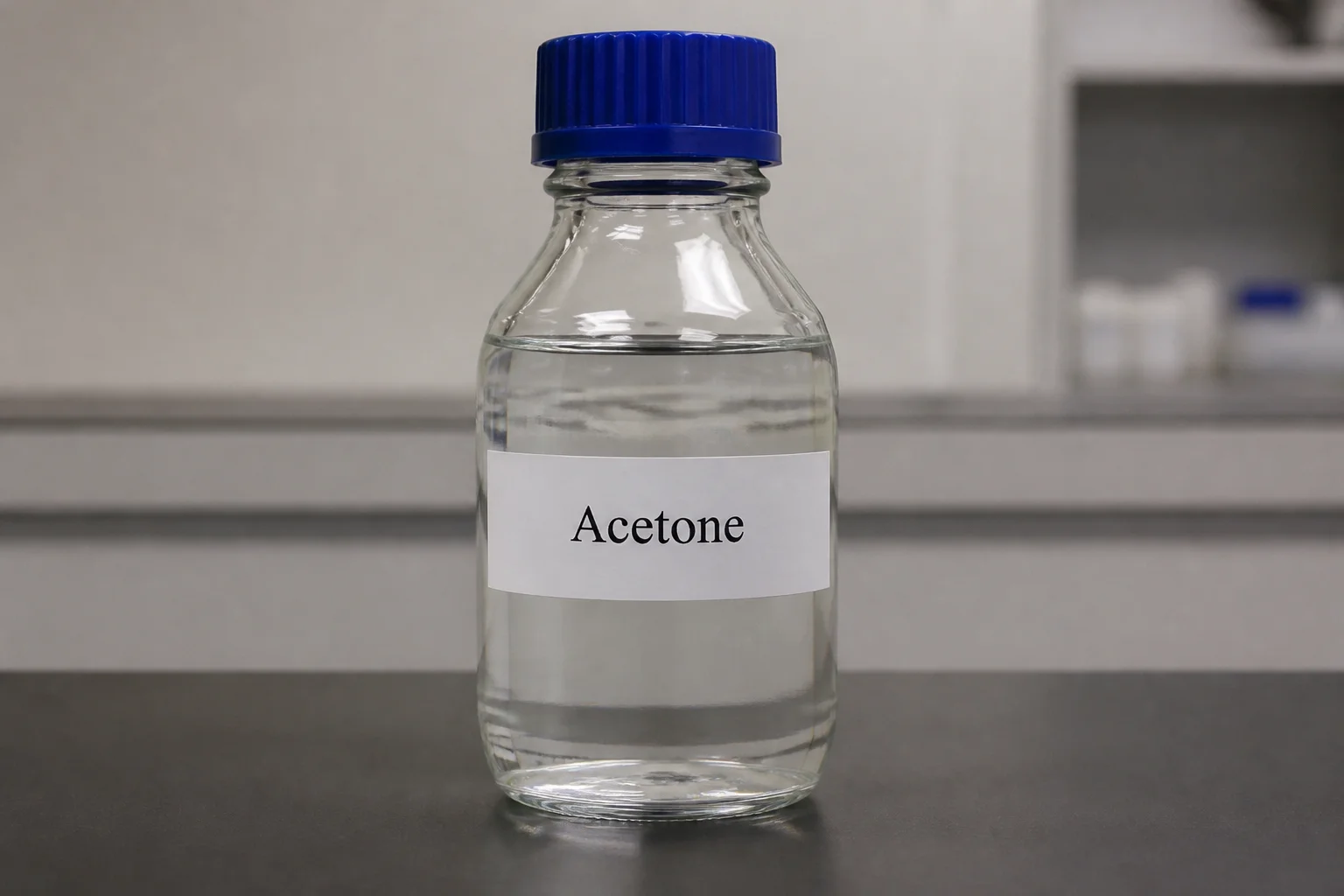
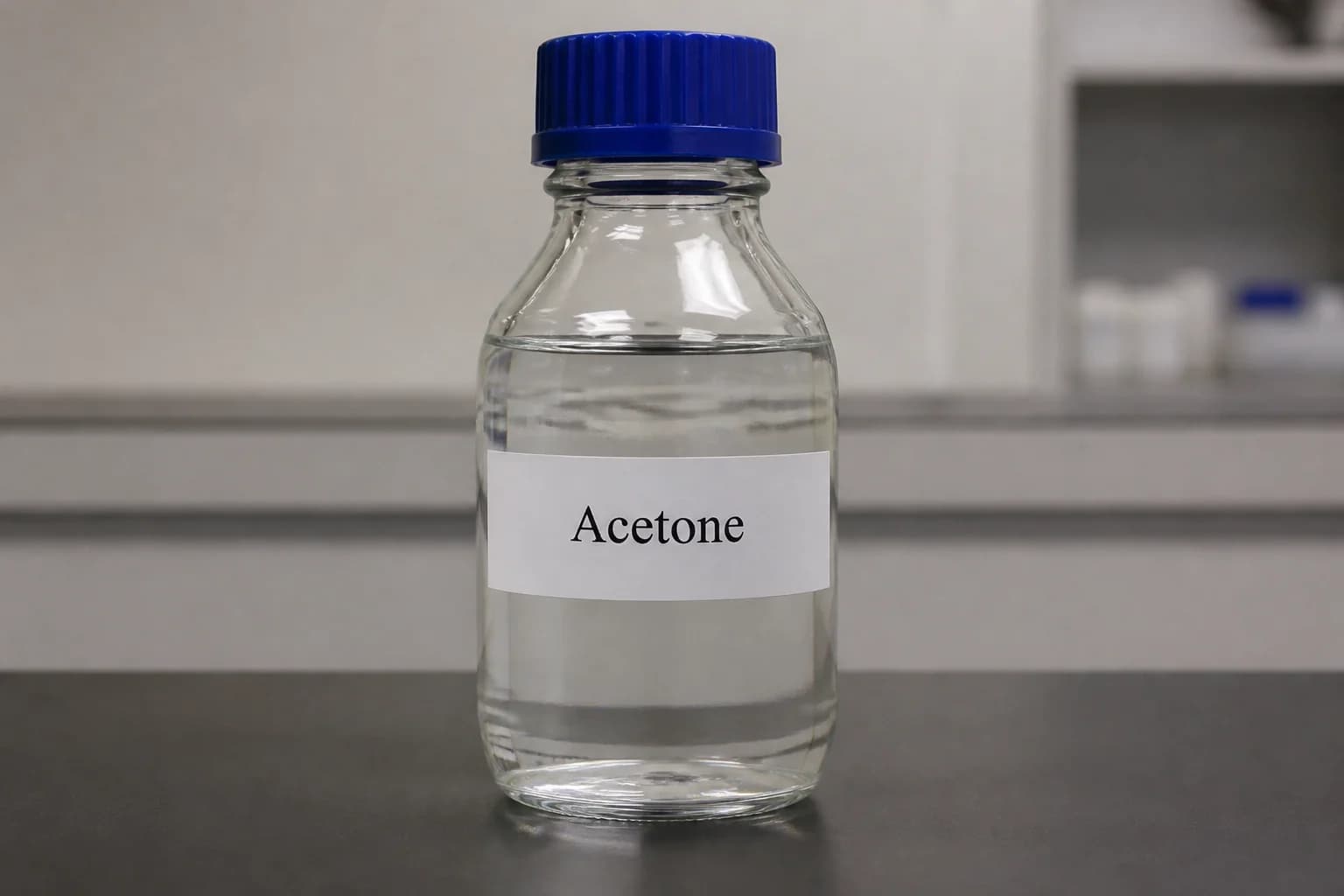
No. These are totally different chemicals. Acetone is a naturally occurring ketone with the formula C₃H₆O. Carbon, hydrogen, and oxygen atoms arranged in a specific structure. A carbonyl group (C=O) sits between two methyl groups. That ketone structure gives acetone its particular properties.
Denatured alcohol starts as regular ethanol (C₂H₅OH). Same alcohol that’s in drinks. But manufacturers add toxic stuff to it. Usually 5-10% methanol, benzene, pyridine, or other poisonous substances. These additives make it unsafe to drink while keeping its solvent abilities. That’s why denatured alcohol never goes in pharmaceuticals but acetone shows up in some medications.
Chemical structure comparison:
| Property | Acetone | Denatured Alcohol |
| Chemical Family | Ketone | Alcohol (with denaturants) |
| Formula | C₃H₆O | C₂H₅OH + additives |
| Natural Occurrence | Yes (in nature, human metabolism) | No (made poisonous on purpose) |
| Molecular Weight | 58.08 g/mol | 46.07 g/mol (ethanol base) |
| Boiling Point | 56°C (133°F) | 78°C (172°F) |
| Evaporation Rate | Really fast | Fast |
| Toxicity | Low (still unsafe to drink) | High (denaturants poison you) |
The structural difference matters. Acetone’s ketone group makes it powerful for dissolving oils, resins, and adhesives. Ethanol’s hydroxyl group (OH) creates different polarity. That affects what it dissolves and how it interacts with materials.
How Chemical Properties Affect Performance
These solvents work through molecular interactions. Chemical structure determines dissolving power, evaporation speed, and material compatibility.
Acetone’s dissolving power:
Acetone belongs to the ketone family with high dissolving ability. Cuts through oils, greases, resins, adhesives, and varnishes better than most alcohols. The carbonyl group creates strong dipole moments that attract and break apart other molecules. This aggressive action makes acetone great for removing stubborn residues.
The super-fast evaporation creates problems though. Pour acetone in an open dish and it’s gone in minutes. Less time for the solvent to work on tough deposits. You need to reapply often or keep surfaces wet. But fast evaporation prevents residue and speeds drying.
Denatured alcohol’s properties:
Ethanol is very polar. Makes it less effective on straight hydrocarbons like automotive oils and greases compared to acetone. But the denaturants added to ethanol (often methanol or other solvents) can improve cleaning beyond what pure ethanol does. Different denaturing formulas perform differently.
Denatured alcohol evaporates slower than acetone. More working time on surfaces. The alcohol stays wet longer, keeps dissolving contaminants. This helps with gradual cleaning where immediate aggressive action isn’t needed. Slower evaporation also means fewer vapors in work areas.
Evaporation and residue:
| Factor | Acetone | Denatured Alcohol |
| Evaporation Speed | Really fast | Fast but slower |
| Working Time | Minimal (reapply often) | Moderate (stays wet longer) |
| Residue | Clean (if pure) | Usually clean (depends on denaturants) |
| Moisture Absorption | Minimal from air | Absorbs moisture easily |
| Vapor Buildup | High (needs ventilation) | Moderate (still needs airflow) |
Both leave minimal residue when pure. But denatured alcohol sucks up moisture from air once exposed. Even 100% alcohol picks up water, diluting its strength over time in open containers. Acetone resists moisture absorption better. Stays strong longer after opening.
Denatured Alcohol vs Acetone for Cleaning Different Materials
Material compatibility determines which solvent to use. Some surfaces handle one but get wrecked by the other.
Where acetone works best:
Metal cleaning before welding or bonding. Acetone’s aggressive degreasing removes oils, cutting fluids, and manufacturing residues completely. Welders use acetone for final wipedowns because it eliminates stuff that could weaken welds. Fast evaporation prevents water spots on bare metal.
Removing adhesives, epoxy, and super glue needs acetone’s dissolving power. Denatured alcohol won’t touch cyanoacrylate (super glue), but acetone breaks it down easily. Paint thinning and cleanup work faster with acetone. Dried paint that resists other solvents often dissolves in acetone.
Materials acetone damages:
- PVC and polystyrene plastics (acetone dissolves them)
- Many painted surfaces (strips paint or causes clouding)
- Some rubber and silicone
- Acrylic and plexiglass (causes crazing and cracking)
- Certain coatings and finishes
Where denatured alcohol works better:
Plastic cleaning. Won’t melt or soften most plastics like acetone does. Electronics cleaning often calls for alcohol over acetone. While isopropyl alcohol is preferred, denatured alcohol works when IPA isn’t available and plastic components need protection.
General degreasing where acetone’s aggression isn’t needed. Light oils, fingerprints, and surface dirt come off without risking damage. Slower evaporation allows thorough wiping without constant reapplication.
Material compatibility:
| Surface | Acetone | Denatured Alcohol | Best Choice |
| Bare metals | Great | Good | Acetone (dries faster) |
| Painted metals | Risky (may strip paint) | Safe | Denatured alcohol |
| Glass | Great | Great | Either (acetone faster) |
| PVC plastic | Damages | Safe | Denatured alcohol only |
| Polystyrene | Dissolves | Safe | Denatured alcohol only |
| Wood (bare) | Good | Good | Denatured alcohol (gentler) |
| Wood (finished) | May damage finish | Safer | Denatured alcohol |
| Rubber | May degrade | Usually safe | Denatured alcohol |
Industrial Applications
Different industries prefer one over the other based on what they need.
Manufacturing and fabrication:
Machine shops use both for different tasks. Acetone cleans metal parts before precision measurement, removing oils that could affect readings. Standard choice for final cleaning before welding, coating, or assembly requiring absolutely clean surfaces. Aggressive dissolving ensures no residue interferes.
Denatured alcohol works as general maintenance cleaner for equipment housings, control panels, and non-critical surfaces. Lower cost and gentler action suit routine cleanup. Many shops keep acetone for critical cleaning and alcohol for everything else.
Paint and coating work:
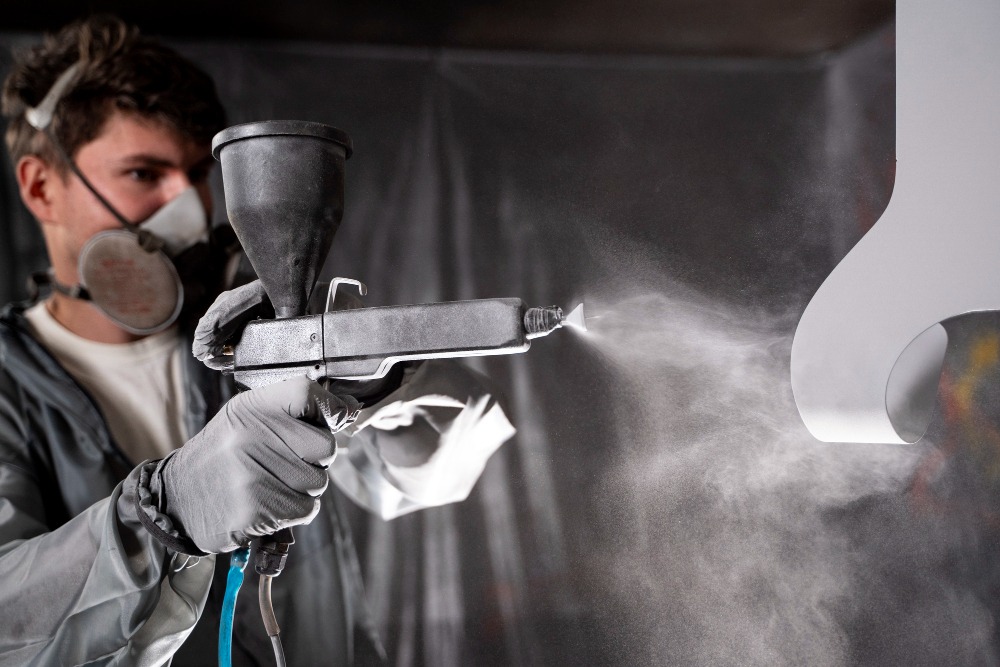
Paint shops rely on both heavily. Acetone thins certain paints and cleans spray guns between color changes. Fast evaporation helps when quick turnaround matters. But strong solvency can damage some coating formulations or materials underneath.
Denatured alcohol thins shellac and some alcohol-based finishes. Cleans brushes and tools without acetone’s aggression. Furniture finishing often specifies denatured alcohol because it won’t attack underlying coatings like acetone might. Preferred for final wipe before applying water-based topcoats.
Electronics cleaning:
Electronics assembly and repair favor isopropyl alcohol, but denatured alcohol substitutes when IPA isn’t available. Acetone shouldn’t contact circuit boards or electronic components. Can damage plastics, dissolve adhesives, or leave residues affecting electrical connections.
Exception is heavy grease removal where acetone’s power matters more than substrate protection. Even then, use sparingly and follow with alcohol wipe to ensure no acetone residue remains.
Safety and Handling
Both present hazards. Understanding risks prevents injuries.
Fire hazards:
Both are highly flammable. Acetone’s lower flashpoint (-20°C/-4°F) makes it more dangerous than alcohol (13°C/55°F). Vapors can ignite from sparks, static electricity, or hot surfaces. Storage requires approved flammable liquid cabinets away from ignition sources.
Fire prevention:
- Ground containers during pouring to prevent static buildup
- No smoking or open flames where solvents are used
- Proper ventilation reducing vapor concentrations
- Fire extinguishers rated for flammable liquids
- Bond containers during bulk transfers
Health effects:
Acetone causes dizziness, headache, and nausea at high vapor concentrations. Prolonged skin contact leads to dermatitis and drying. But acetone is less toxic overall than denatured alcohol. The body naturally produces small amounts during fat metabolism, so moderate exposure usually causes no lasting harm.
Denatured alcohol’s toxicity comes mainly from denaturants, not ethanol itself. Methanol additives cause blindness and death if swallowed. Skin absorption happens with repeated exposure, potentially leading to poisoning. Never use denatured alcohol where there’s ingestion risk or on surfaces touching food or drinks.
Required PPE:
- Chemical-resistant gloves (nitrile works for both)
- Safety glasses or face shield
- Good ventilation or respirator if ventilation isn’t enough
- Protective clothing if heavy exposure likely
- Emergency eyewash stations accessible
Cost and Availability
Economics influence solvent selection for high-volume operations.
Pricing:
Bulk acetone costs $15-25 per gallon depending on purity and volume. Technical grade runs cheaper than reagent grade. Denatured alcohol costs $10-18 per gallon. More economical for general cleaning. Price advantage increases at larger volumes.
But total cost includes effectiveness. If acetone cleans in one pass but alcohol requires three, the cheaper alcohol doesn’t save money. Calculate cost per job, not just cost per gallon.
Supply:
Both are widely available through chemical suppliers, hardware stores, and industrial distributors. Acetone faces fewer regulatory restrictions. Denatured alcohol sales are monitored to prevent illegal beverage production. Some places limit purchases or require documentation.
Conclusion
Comparing denatured alcohol vs acetone reveals distinct solvents for overlapping but different industrial cleaning. Acetone, a natural ketone (C₃H₆O), delivers superior dissolving for oils, resins, and adhesives with really fast evaporation but damages plastics like PVC and polystyrene. Denatured alcohol, ethanol made toxic with denaturants, offers gentler cleaning for plastics and painted surfaces with slower evaporation giving more working time. When choosing between denatured alcohol vs acetone for cleaning, selection depends on material compatibility, required dissolving power, and whether aggressive or gentle cleaning better fits the job. Neither works as antimicrobial disinfectant like isopropyl alcohol. Both function primarily as industrial degreasers and paint prep solvents.
For industrial facilities needing certified cleaning solvents, Elchemy connects procurement teams with suppliers of technical-grade acetone, denatured alcohol, and specialty solvent formulations meeting safety and purity specs for manufacturing, fabrication, and maintenance.