

At a Glance:
- Acetone dominates epoxy paint thinner market as most effective solvent
- Thins lacquers, epoxies, polyester resins faster than alternatives
- Cleans equipment, removes paint, and degreases surfaces without residue
- Fast evaporation and high solvency power make it ideal for professional use
- Not classified as VOC, making it regulatory-friendly compared to other solvents
Introduction: The Paint Industry’s Go-To Solvent
Walk into any professional paint shop. You’ll find acetone. Industrial coating facilities stock it by the drum. Automotive refinishing shops can’t function without it. Furniture finishing operations depend on it daily. Acetone has been the paint industry’s reliable solvent for decades.
The reason is simple: acetone works. It thins thick resins. It dissolves dried paint. It cleans equipment fast. And it evaporates completely without leaving residue that would contaminate the next coating. Few solvents match this combination of power, speed, and cleanliness.
Understanding acetone uses in professional paint applications helps manufacturers, contractors, and finishing specialists choose the right solvent for specific tasks. This article covers acetone’s primary roles—thinning, cleaning, and surface preparation—and explains when it outperforms alternatives like mineral spirits or denatured alcohol.
Understanding Acetone Uses in Professional Paint Applications
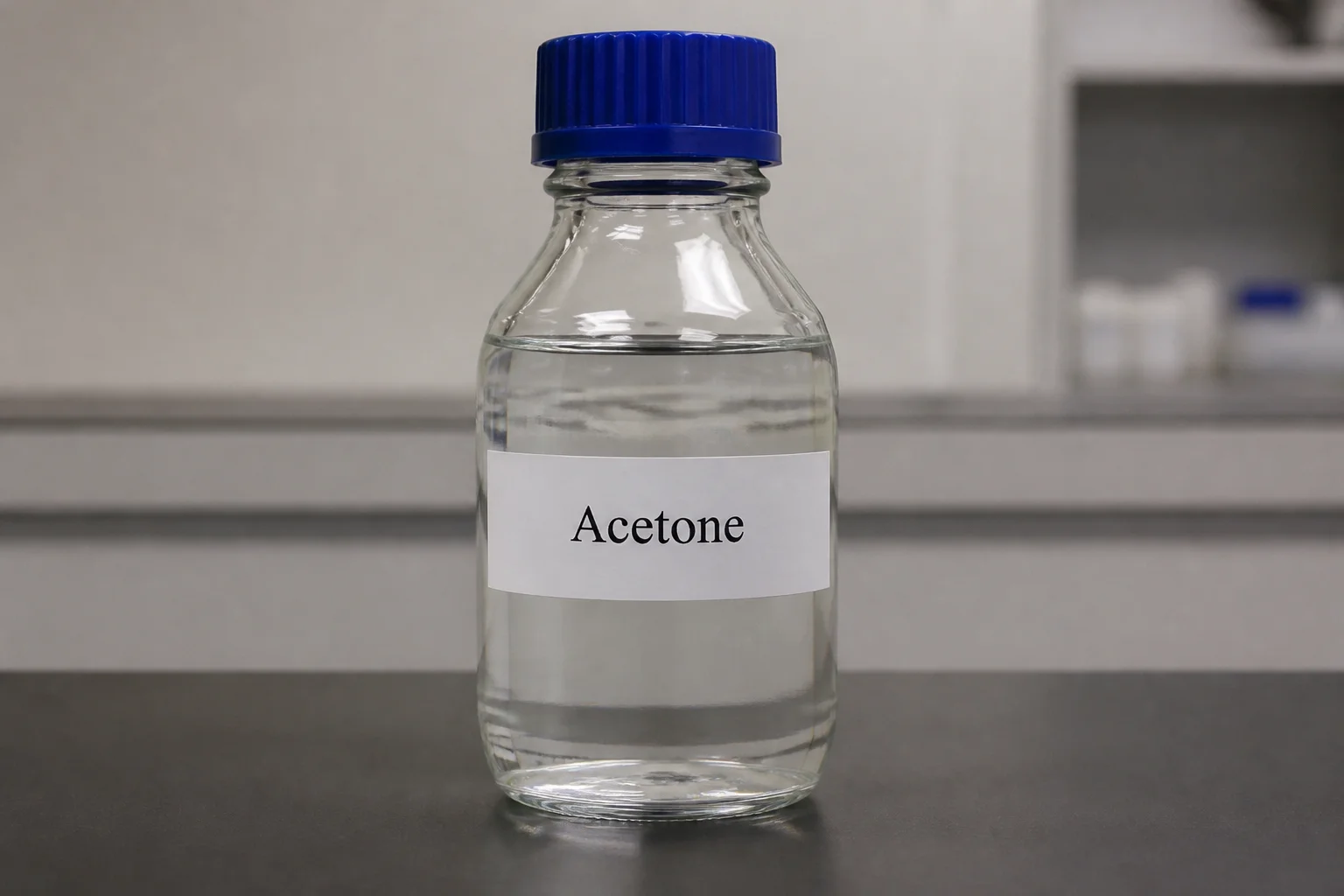
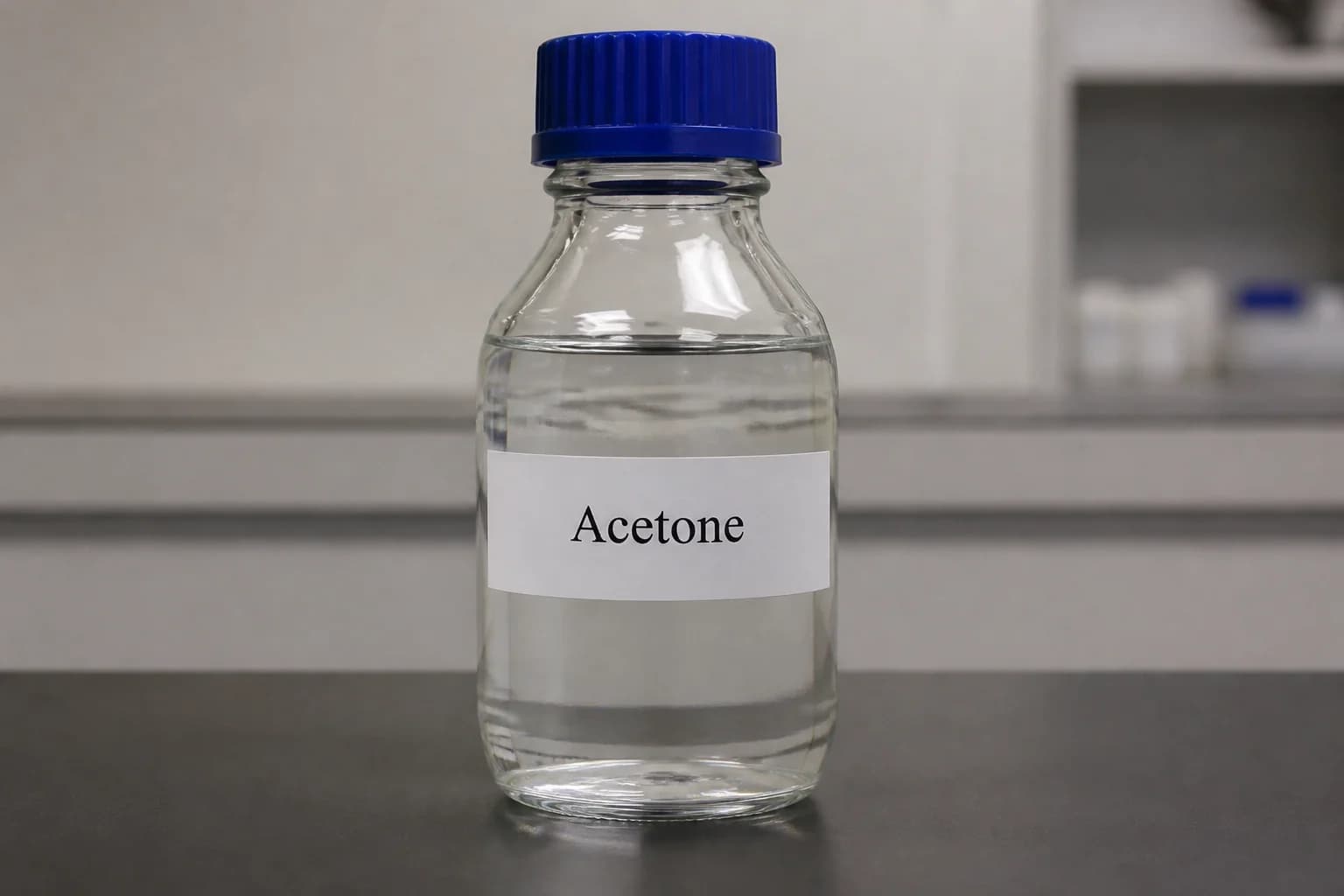
Acetone (C3H6O) is a simple ketone with remarkable solvent properties. Its molecular structure gives it the ability to dissolve a wide range of organic compounds including resins, oils, adhesives, and dried paint films. This versatility makes it valuable across multiple paint industry applications.
Key Properties Driving Professional Use:
- High Solvency Power: Dissolves substances that resist weaker solvents
- Rapid Evaporation: Boiling point of 56°C means fast drying (compared to mineral spirits at 140-200°C)
- Water Miscibility: Mixes with water unlike petroleum-based solvents
- No Residue: Complete evaporation leaves surfaces pristine for coating
- VOC-Exempt Status: Not classified as VOC by EPA, avoiding regulatory complications
- Low Toxicity: Safer than many alternatives (xylene, toluene, MEK) when used properly
The epoxy paint thinner market demonstrates acetone’s dominance. The global market reached $23.8 million in 2025 and projects to hit $42.6 million by 2035. Acetone holds the largest market share because it’s the most effective, fast-evaporating solvent for diluting epoxy paint, cleaning surfaces, and thinning resin formulations.
This market position isn’t accidental. Acetone delivers performance that justifies its use despite slightly higher costs than some alternatives. When speed, effectiveness, and clean results matter—which they do in professional applications—acetone becomes the default choice.
Acetone as a Paint Thinner and Solvent
Thinning paint to proper application viscosity is one of acetone’s primary roles. Different coating types require different solvents, and acetone excels with specific formulations that other solvents struggle with.
| Paint/Coating Type | Acetone Effectiveness | Typical Dilution Ratio | Purpose | Alternative Solvents |
| Epoxy Coatings | Excellent | 5-15% by volume | Reduces viscosity for spray application | MEK, xylene (both more toxic) |
| Lacquers (nitrocellulose) | Excellent | 10-20% | Thins for spraying, brush application | Lacquer thinner (contains acetone) |
| Polyester Resins | Excellent | 5-10% | Thins resin for fiberglass work | Styrene (more hazardous) |
| Shellac | Good | 10-30% | Can thin, but alcohol preferred | Denatured alcohol (traditional) |
| Acrylic Paints (some types) | Good | Varies | Thins certain formulations | Water, alcohol |
| Oil-Based Paints | Poor | Not recommended | Too aggressive, damages formulation | Mineral spirits, turpentine |
| Latex/Water-Based | Poor | Dissolves rather than thins | Will destroy latex binder | Water only |
Thinning Epoxy, Lacquer, and Specialty Coatings
Epoxy coatings dominate industrial, marine, and automotive applications because of their durability and chemical resistance. But straight from the container, epoxy is often too thick for spray equipment. Adding 5-15% acetone reduces viscosity while maintaining coating performance.
The challenge with epoxy is mixing two-part systems (resin + hardener). Once mixed, working time is limited. Acetone’s fast evaporation doesn’t significantly extend pot life, but it does allow immediate application at proper viscosity. For contractors working on tight schedules, this matters.
Lacquers benefit even more from acetone. Nitrocellulose lacquers—still used in furniture finishing and specialty applications—require fast-drying solvents. Acetone evaporates so quickly that it enables rapid multi-coat application. Professional finishers can apply, dry, sand, and recoat in hours instead of days.
Polyester resins used in fiberglass layup thin effectively with acetone. Boat builders, automotive body shops, and composite manufacturers rely on this. The resin needs to saturate fabric layers while remaining workable. Acetone provides the right viscosity without compromising cure.
Paint Removal and Stripping Applications
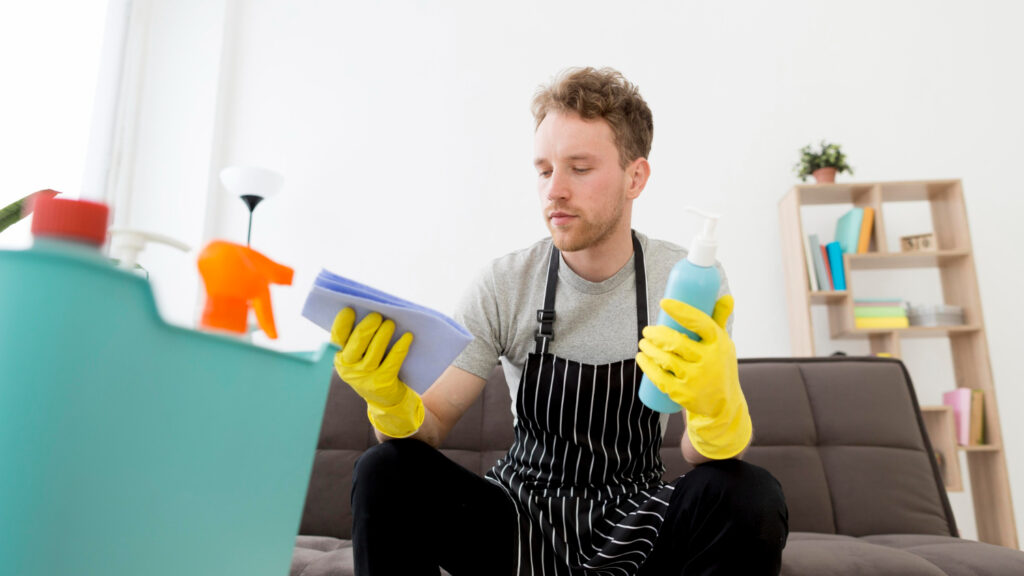
Beyond thinning, acetone removes paint. This application leverages acetone’s aggressive solvent action. Where gentler solvents fail, acetone succeeds—though with some caveats.
Acetone dissolves shellac, varnish, lacquer, and polyurethane completely. Apply it to these finishes and they soften within minutes. Refinishing professionals use acetone to strip old finishes from furniture, musical instruments, and decorative items. The fast evaporation means minimal work time before recoating.
For dried latex paint, acetone works surprisingly well despite being unable to thin wet latex. Dried latex becomes cross-linked polymer. Acetone disrupts these bonds and can remove dried drips, overspray, and accidental splatters from tools or surfaces.
Oil-based paints present more challenge. Acetone removes some oil-based formulations but not all. Mineral spirits or commercial paint strippers work better for stubborn oil paints. The general rule: if it’s a fast-drying coating (lacquer, shellac, some epoxies), acetone removes it effectively. If it’s slow-drying (traditional oil paint, varnish), other solvents might perform better.
Caution: Acetone’s stripping power can damage delicate surfaces. Test on inconspicuous areas first. Plastics like PVC, polystyrene, and acrylic soften or dissolve when exposed to acetone. Use it only on compatible substrates—primarily metal, glass, and bare wood.
Cleaning and Degreasing: Where Acetone Excels
Professional paint operations generate constant cleaning needs. Spray guns gum up. Brushes harden. Surfaces accumulate oils and contaminants. Acetone handles these challenges better than most alternatives.
Equipment and Tool Cleaning
Spray equipment demands immediate cleaning after use. Catalyzed coatings (epoxies, urethanes, catalyzed lacquers) harden rapidly. Wait too long and the gun is ruined. Acetone dissolves uncured coatings fast enough to save equipment.
The cleaning process is straightforward: flush acetone through the gun immediately after use. The solvent dissolves residual coating and exits clean. For hardened buildup, soak parts in acetone. Even stubborn dried material softens after 15-30 minutes.
Brushes benefit similarly. Soak hardened brushes in acetone overnight. The next day, residual paint wipes away easily. This extends brush life significantly—professional-grade brushes cost $30-100 each, so salvaging them matters economically.
Mixing equipment, application tools, and work surfaces all clean with acetone. The fast evaporation means surfaces dry quickly and are ready for the next job. No waiting for solvent residue to evaporate or cleaning surfaces again before coating.
Surface Preparation for Painting
Surface cleanliness determines coating adhesion. Oils, waxes, silicones, and residues cause fisheyes, poor adhesion, and coating failure. Acetone removes these contaminants effectively.
Metal fabrication shops use acetone to degrease parts before powder coating or wet painting. Stamped steel, machined aluminum, welded assemblies—all arrive contaminated with cutting fluids, rust preventatives, or handling oils. Wiping with acetone-soaked cloths removes these contaminants without water (which causes flash rusting on bare steel).
Automotive refinishing depends on acetone for panel prep. After sanding, panels contain residual compounds, polishes, and oils. A final wipe with acetone ensures the base coat bonds properly. This prevents the expensive problem of paint delamination weeks or months after application.
Wood finishing uses acetone less commonly (mineral spirits preferred for most wood) but it excels when removing silicone contamination. Furniture previously treated with silicone polish won’t accept new finishes without thorough cleaning. Acetone cuts through silicone better than most solvents.
Acetone and Alcohol: Complementary Solvents in Paint Work
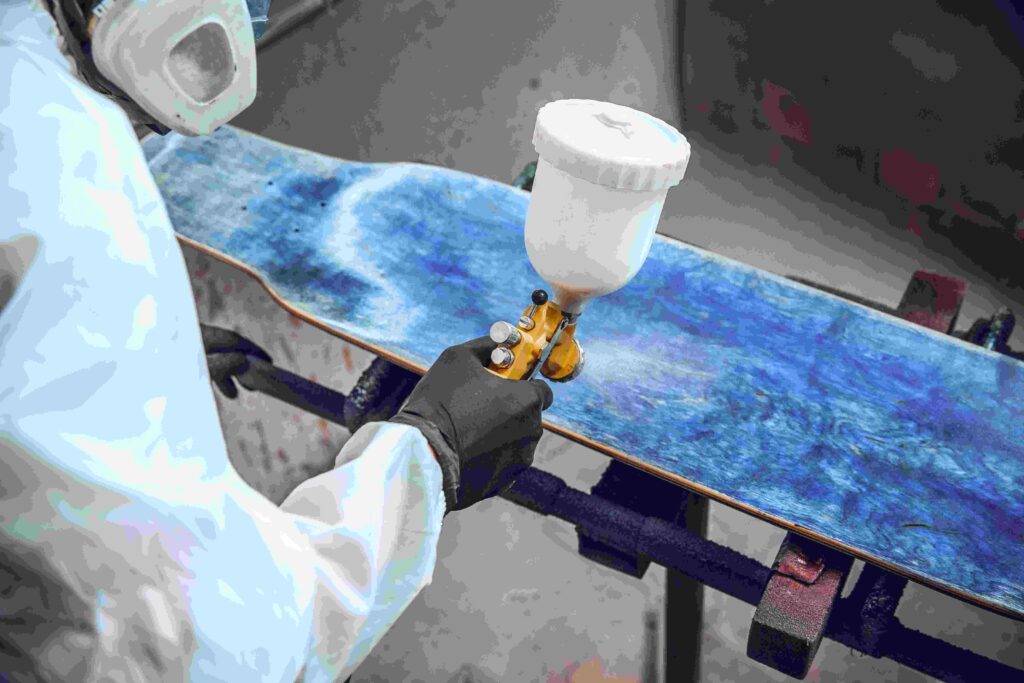
Professional paint operations rarely rely on a single solvent. Different tasks require different tools. Acetone and denatured alcohol (ethanol with toxic additives) serve overlapping but distinct roles. Understanding when to use each prevents problems and optimizes results.
| Factor | Acetone | Denatured Alcohol | Best Application |
| Evaporation Rate | Very fast (56°C boiling point) | Fast (78°C boiling point) | Acetone when speed critical |
| Shellac Thinning | Works but not traditional | Excellent, traditional choice | Alcohol for shellac |
| Latex Paint Testing | Dissolves latex (excellent test) | Also dissolves latex | Either works for testing |
| Surface Cleaning Before Latex Paint | Good but can be too aggressive | Excellent, non-hydrocarbon solvent | Alcohol preferred |
| Epoxy/Lacquer Thinning | Excellent | Poor to moderate | Acetone clearly superior |
| Cost | Moderate | Moderate to low | Similar for most applications |
| Odor | Characteristic acetone smell | Alcohol smell | Personal preference |
| Plastic Compatibility | Damages many plastics | Generally safer on plastics | Alcohol for plastic surfaces |
| VOC Status | Exempt | Taxed if not denatured | Acetone regulatory advantage |
When to Use Acetone vs Denatured Alcohol
Acetone wins for aggressive applications. When you need maximum solvent power—thinning epoxies, removing stubborn coatings, degreasing heavily contaminated surfaces—acetone delivers. Its strength is the advantage.
Denatured alcohol suits gentler applications. Shellac finishing traditionally uses alcohol, not acetone. While acetone dissolves shellac, alcohol provides better control and is the accepted standard. French polishing and shellac touch-ups require alcohol.
For surface cleaning before applying water-based coatings, alcohol works better than acetone. It’s a non-hydrocarbon solvent that doesn’t leave residue potentially incompatible with latex formulations. Professional painters wiping down trim before applying latex topcoats prefer alcohol.
Testing unknown paint finishes demonstrates where both excel. Apply acetone or alcohol to an inconspicuous spot with a cloth. If the paint dissolves onto the cloth, it’s latex. If the cloth stays clean, it’s oil-based. Both solvents perform this test reliably, though acetone acts faster.
Acetone Alcohol Uses in Surface Testing and Prep
The term “acetone alcohol” sometimes refers to mixtures or situations where professionals use both. In practice, these are separate solvents used sequentially or selectively based on the task.
A common workflow: use alcohol for initial cleaning (removes general contamination gently), then switch to acetone for final degreasing (removes stubborn oils). This two-step approach works well on automotive refinishing where thoroughness prevents expensive rework.
Another acetone alcohol use pattern involves testing. Use alcohol first—it’s gentler. If it doesn’t dissolve the finish, try acetone. If acetone fails, you’re dealing with an extremely durable coating (possibly catalyzed polyurethane or automotive clearcoat) that requires mechanical removal.
Shellac applications sometimes involve both. Thin shellac with alcohol. If shellac accidentally gets on surfaces where it shouldn’t, clean with acetone (more aggressive removal). Keep both solvents available during shellac projects.
Safety and Best Practices for Industrial Use

Acetone’s effectiveness comes with handling requirements. It’s not dangerous when used properly, but carelessness causes problems.
Flammability: Acetone is extremely flammable (flashpoint -20°C). It ignites easily from sparks, hot surfaces, or open flames. Use in well-ventilated areas away from ignition sources. Store in approved flammable storage cabinets. Ground metal containers during dispensing to prevent static discharge.
Ventilation: Acetone vapor concentrations above 500 ppm cause headaches and dizziness. Above 2,400 ppm (OSHA short-term exposure limit), respiratory irritation occurs. Use local exhaust ventilation during extended use. Spray booth ventilation handles acetone vapor effectively.
Skin Contact: Acetone degreases skin, causing dryness and irritation with prolonged contact. Wear nitrile or neoprene gloves—acetone penetrates latex gloves quickly. If skin contact occurs, wash with soap and water. Acetone isn’t highly toxic through skin absorption, but repeated exposure damages skin barrier function.
Eye Protection: Splash goggles prevent accidental eye exposure. Acetone causes immediate eye irritation. If splashed, flush eyes with water for 15 minutes and seek medical attention.
Disposal: Used acetone containing dissolved paint or resins is hazardous waste in most jurisdictions. Don’t pour it down drains. Collect used solvent in approved containers and dispose through licensed hazardous waste haulers. Some facilities use solvent recycling systems that recover acetone through distillation—this reduces costs and environmental impact.
VOC Advantage: Acetone’s exempt VOC status provides regulatory relief. In jurisdictions with strict VOC limits (California South Coast AQMD, for example), acetone doesn’t count toward coating VOC content. This makes it attractive for formulation chemists developing compliant products.
Storage: Keep acetone in sealed containers in cool, dry areas. It absorbs moisture from air, which doesn’t affect most paint applications but can matter in moisture-sensitive formulations. Buy in quantities you’ll use within 3-6 months to ensure freshness.
Conclusion
Acetone uses in the paint industry span thinning, cleaning, and surface preparation because few solvents match its combination of power, speed, and clean evaporation. From epoxy coatings to lacquer finishing, acetone enables professional results through reliable performance in demanding applications.
Understanding when acetone outperforms alternatives—and when complementary solvents like denatured alcohol serve better—optimizes results and prevents problems. Professional paint operations benefit from having both solvents available and knowing which to deploy for specific tasks.
For businesses sourcing high-quality acetone for paint manufacturing, industrial coating operations, or finishing applications, Elchemy connects you with certified suppliers providing technical-grade and industrial-grade acetone meeting purity specifications for professional paint industry use. Whether purchasing in drums, totes, or bulk quantities, explore sourcing options backed by quality documentation and reliable delivery to support your coating operations and ensure consistent results across your paint and finishing processes.