

At a Glance
- Denatured alcohol is ethanol blended with additives that make it undrinkable and suitable for industrial applications.
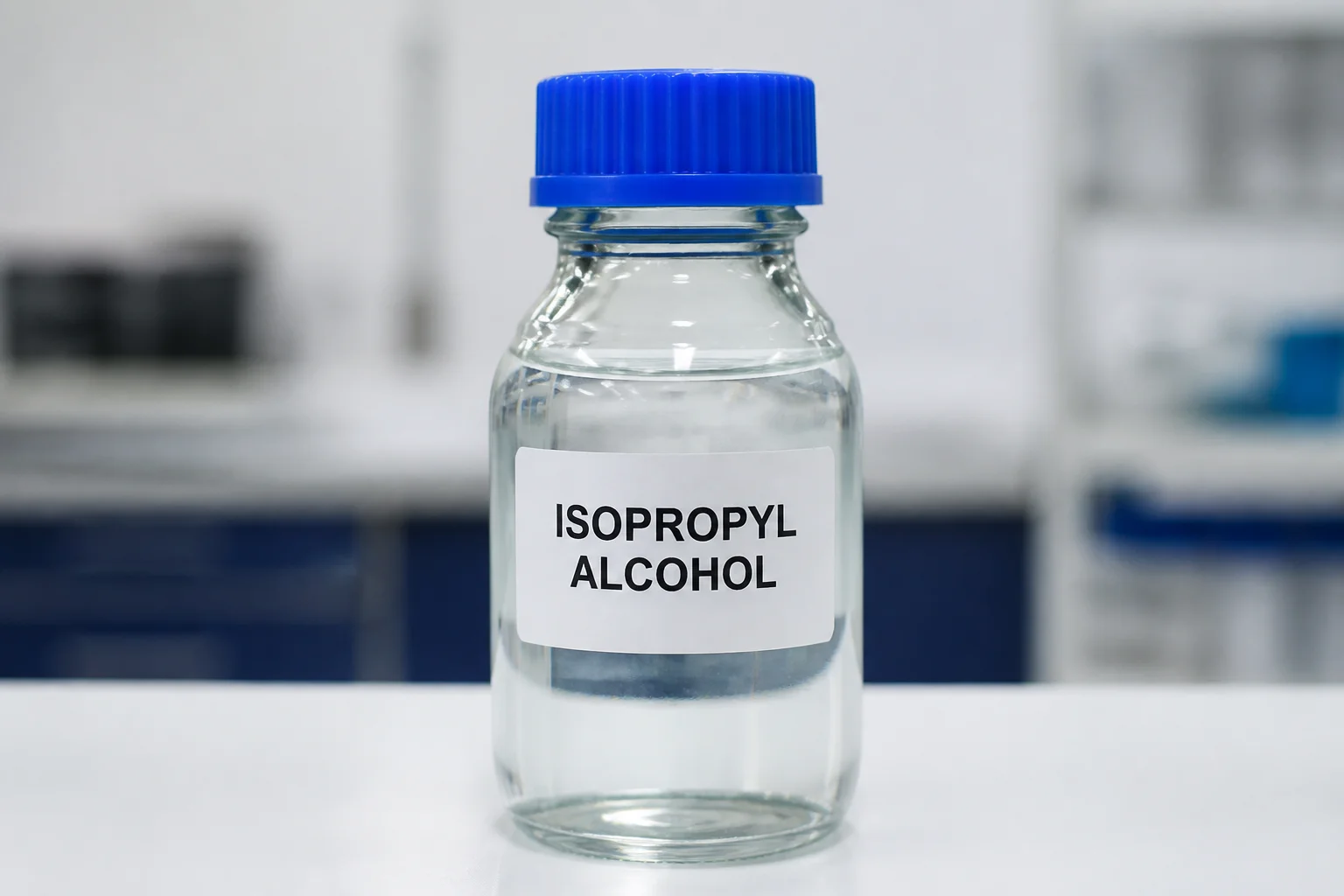
- Rubbing alcohol is mostly isopropyl alcohol (IPA), usually 70 to 99 percent in water.
- Denatured alcohol offers strong solvency and fast evaporation but varies based on additives.
- Rubbing alcohol provides predictable disinfecting performance and steady evaporation rates.
- Choosing the right one depends on drying time needs, surface compatibility, regulations, and the working environment.
Solvents look simple on paper. Two clear liquids. Sharp smell. Quick evaporation. Yet anyone sourcing for cleaning, extraction, surface prep, inks, paints, or sanitization knows the choice can create ripple effects across production. One wrong call can slow drying time, impact purity, damage finishes, or raise compliance flags.
This is where denatured alcohol and rubbing alcohol often enter the conversation. They seem similar. Both dissolve oils and residues. Both evaporate fast. Both play a role in disinfection and industrial cleaning. Still, each behaves in its own way once it hits a surface or blends into a formula.
This guide breaks down denatured alcohol vs rubbing alcohol from an industrial buyer’s point of view. You will understand how each solvent works, how they differ, and where each one fits best in formulations, sanitation systems, and manufacturing lines.
The goal is simple. Help you choose the right fit for consistent, safe, and cost-efficient industrial use.
Understanding Denatured Alcohol vs Rubbing Alcohol
The comparison between denatured alcohol vs rubbing alcohol begins with chemistry. They fall in the same family of fast-acting solvents, yet they behave differently due to composition and purity.
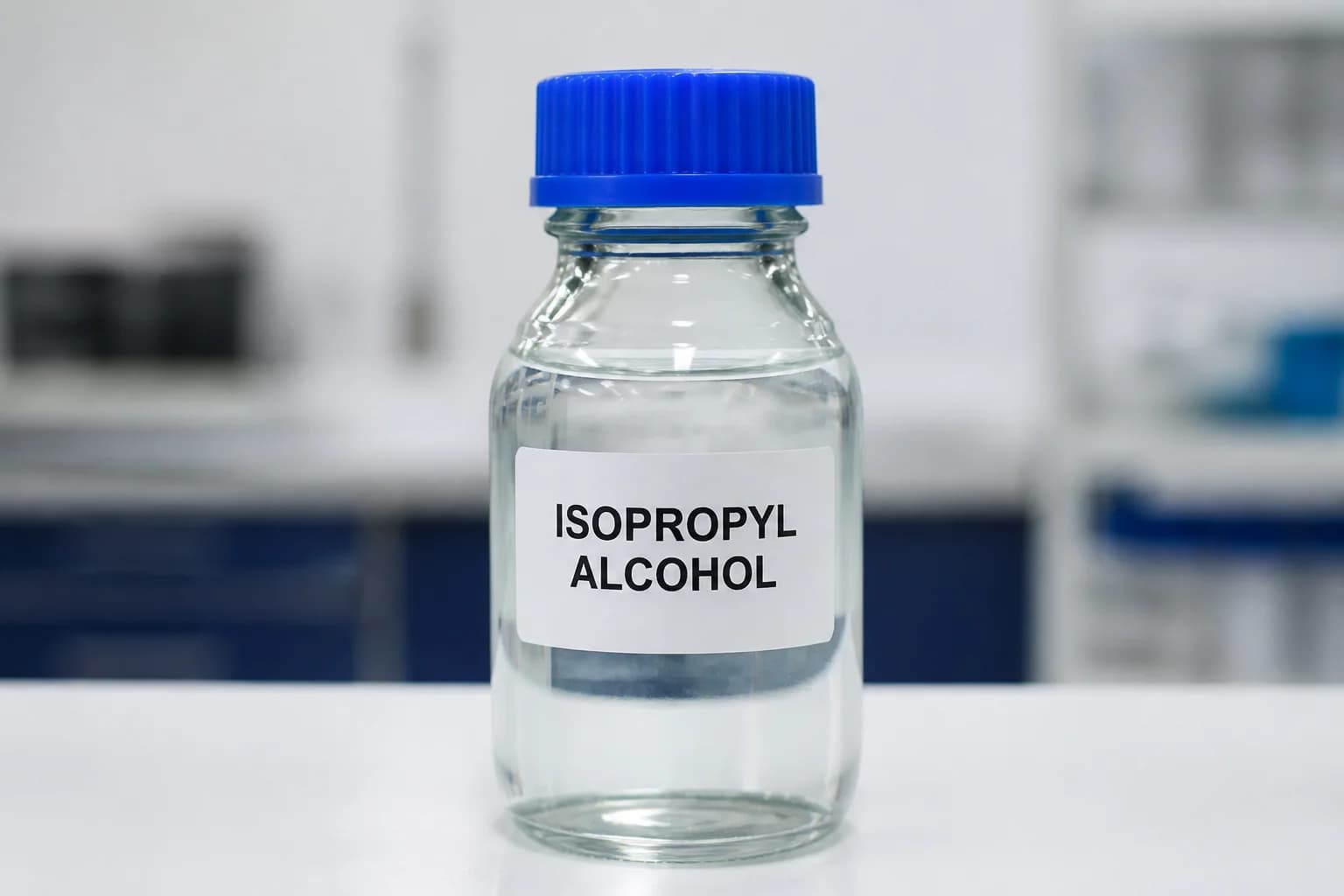
Denatured alcohol starts as pure ethanol. Manufacturers add methanol, acetone, MEK, or other bittering agents to prevent oral consumption. These additives change its solvency power and performance. Rubbing alcohol is built around isopropyl alcohol. The water content controls evaporation speed and strengthens disinfecting performance.
Both work well across industrial cleaning, coatings, sanitization, and degreasing. Each one also carries unique advantages that influence how procurement teams choose them.
Denatured Alcohol or Rubbing Alcohol: Core Composition Breakdown
The phrase denatured alcohol or rubbing alcohol often shows up during spec checks or raw material evaluations. The differences become clear once you look at composition.
| Property | Denatured Alcohol | Rubbing Alcohol |
| Base Alcohol | Ethanol | Isopropyl Alcohol |
| Typical Strength | 80 to 99 percent | 70 to 99 percent |
| Additives | Methanol, MEK, acetone, bitterants | Purified water |
| Odor | Sharp, sometimes chemical depending on additives | Mild, distinct isopropyl smell |
| Evaporation | Very fast | Fast to moderate |
| Regulatory Use | Varies with formulation | Stable and predictable across industries |
The additives in denatured alcohol improve solvency for inks, resins, varnishes, and adhesives. Rubbing alcohol’s IPA base makes it reliable for surface prep, electronic cleaning, and sanitization.
Industrial Applications: Where Each One Fits Best
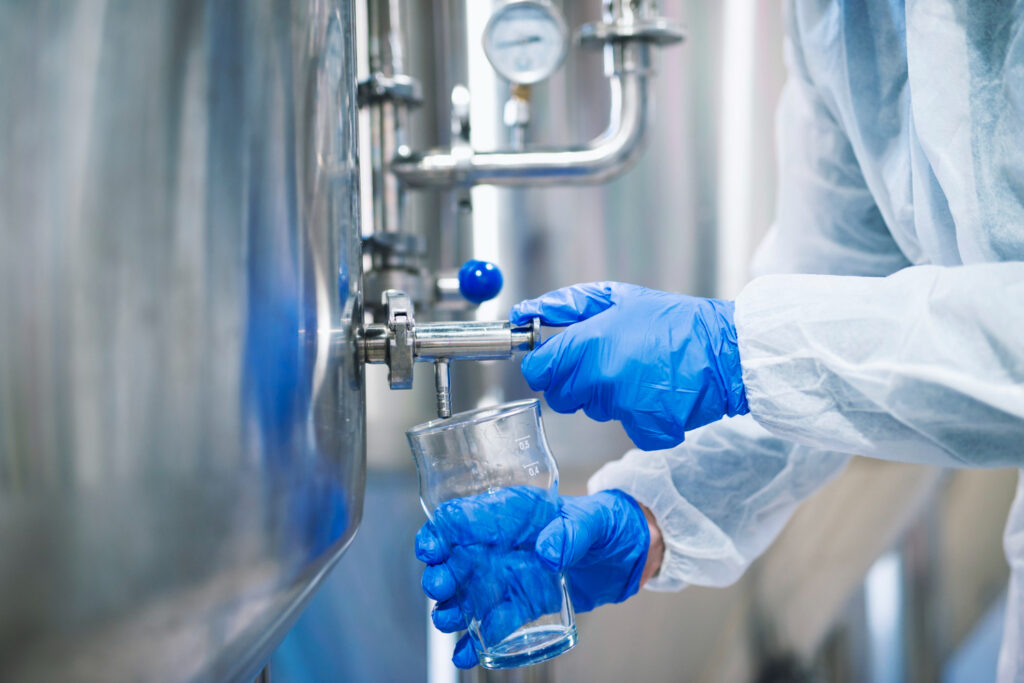
Choosing between denatured alcohol or rubbing alcohol depends on industry needs. The right solvent should align with compatibility, safety, and performance expectations.
Best Uses for Denatured Alcohol
- Cleaning of printing machinery
- Removing resin, varnish, and adhesive residues
- Paint thinning in industrial coatings
- Glass and metal surface preparation
- Fuel for alcohol burners
- Degreasing mechanical parts
Best Uses for Rubbing Alcohol (IPA)
- Electronics cleaning
- Medical and laboratory disinfection
- Pharmaceutical equipment wipe-downs
- Surface sanitation in food processing units
- Cosmetic formulations
- General-purpose industrial cleaning
Rubbing alcohol is more predictable since IPA purity is consistent across suppliers. Denatured alcohol can vary depending on additive mix, so buyers often use it in applications where this variation poses no risk.
Solvency Strength: Practical Performance Differences
Every solvent buyer eventually asks the same question. Which one dissolves faster and works stronger in real conditions?
How Denatured Alcohol Performs
- Breaks down greasy and resin-heavy residues
- Excellent for removing ink and adhesive layers
- Works clean on glass, metal, and ceramic
- Leaves almost no streaking due to fast flash-off
Its aggressive solvency makes it ideal for hard-to-lift industrial residues.
How Rubbing Alcohol Performs
- Strong on oils, fingerprints, and water-soluble contaminants
- Safe for plastic components
- Less harsh on finishes
- More stable during disinfecting cycles
Rubbing alcohol does not match the resin-cutting strength of denatured alcohol, yet it shines in precision cleaning and sanitization.
Evaporation Speed and Drying Behavior
Drying time is often a hidden cost in industrial operations. Faster drying cuts process time, improves throughput, and reduces risk of streaking.
Denatured Alcohol Drying
- Very rapid evaporation
- Almost instant flash-off on metals and glass
- Leaves minimal residue due to low water content
This is why it is popular in printing, woodworking, and metal polishing lines.
Rubbing Alcohol Drying
- Fast, though slightly slower than ethanol
- Water content leads to balanced drying
- More contact time for disinfection
The presence of water makes rubbing alcohol reliable for sanitization protocols since surfaces require adequate dwell time.
Safety, Handling, and Compliance Considerations
Safety rules influence solvent selection more than many teams realize. A solvent’s behavior in storage, transport, and handling can make or break compliance.
Safety Notes for Denatured Alcohol
- Highly flammable
- Additives can increase inhalation risks
- Needs adequate ventilation
- Follows regional regulations for industrial ethanol
Industrial buyers must check the additive list, as methanol-heavy blends need tighter controls.
Safety Notes for Rubbing Alcohol
- Also flammable but easier to manage
- Predictable toxicity profile
- Compatible with healthcare and food environments
- Stable storage under controlled temperatures
If a facility handles pharmaceuticals, medical devices, cosmetics, or electronics, rubbing alcohol tends to align better with safety standards.
Surface Compatibility and Material Sensitivity
Materials react differently to solvents. Using the wrong one can cause micro-cracking, discoloration, or surface dulling.
Compatible Surfaces for Denatured Alcohol
- Stainless steel
- Glass
- Painted metal (depending on coating type)
- Wood (in finishing and prep work)
- Ceramic surfaces
It should be tested before use on plastics or rubber components.
Compatible Surfaces for Rubbing Alcohol
- Plastics
- Screens and electronics
- Stainless steel
- Medical-grade equipment
- Acrylic and polycarbonate surfaces
The controlled water content makes rubbing alcohol safer around sensitive materials.
Industrial Cost Efficiency: Where Value Shows Up
Both solvents are considered cost-effective. The difference comes down to application.
When Denatured Alcohol Offers Better Value
- High-volume cleaning lines
- Printing and coatings operations
- Adhesive-heavy manufacturing
- Resin and varnish removal
Its solvency can reduce the need for repeat cleaning cycles.
When Rubbing Alcohol Offers Better Value
- Sanitization-heavy industries
- Electronics and precision cleaning
- Healthcare, pharma, and lab settings
- ISO-controlled environments
Its predictable composition lowers testing and validation requirements.
Table: Quick Industrial Comparison
| Factor | Denatured Alcohol | Rubbing Alcohol |
| Strength | Strong solvency, aggressive on residues | Balanced cleaning, strong disinfection |
| Drying | Very fast | Fast |
| Additives | Present | None (water only) |
| Ideal Use | Resins, varnish, inks, surface prep | Disinfection, electronics, plastics |
| Safety | Additive-dependent | Predictable |
| Cost Efficiency | Better for heavy-duty cleaning | Better for repeated sanitization |
Environmental and Regulatory Notes
Industrial ethanol blends fall under region-specific rules. Some regions require specific additive lists. Some require reporting based on volume purchased.
Rubbing alcohol often aligns better with healthcare, laboratory, and food industry compliance. IPA production also follows consistent purity standards that simplify documentation.
Environmental impact varies based on evaporation and VOC considerations. IPA tends to have more stable VOC calculations. Ethanol blends depend on additives.
How to Decide: The Industrial Selection Framework
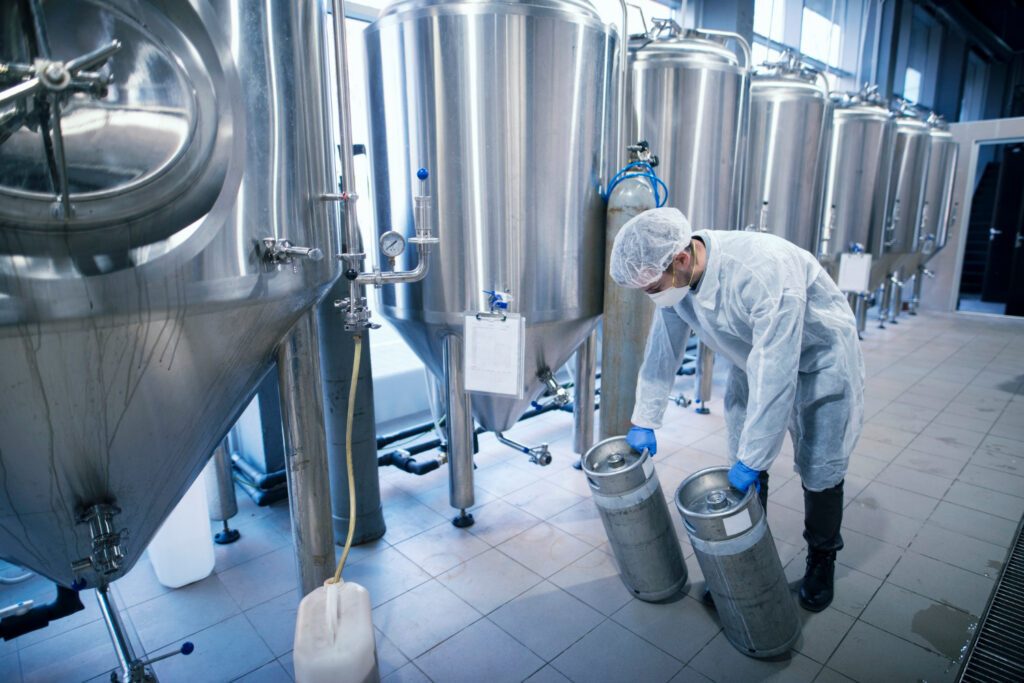
Choosing between denatured alcohol or rubbing alcohol becomes easier once you evaluate your requirements across these points.
Choose Denatured Alcohol If You Need
- Strong solvency
- Fast drying on metals and glass
- Removal of resins, varnishes, and adhesives
- High throughput in surface prep
- Cost efficiency in bulk cleaning
- Solvent flexibility in coatings and printing
Choose Rubbing Alcohol If You Need
- Predictable disinfection
- Delicate surface cleaning
- Electronic component compatibility
- Balanced evaporation
- A solvent suitable for medical or food sectors
- Steady purity across batches
Use Both When
- One process needs aggressive cleaning
- Another requires safe sanitization
- A facility runs both mechanical and clinical operations
- Storage systems can support two solvents easily
Many industrial plants keep both to cover broader operational needs.
Why Industrial Buyers Source Solvents From Elchemy?
Industrial users depend on consistent solvent quality. Variations in additive loads, purity, or moisture can disrupt entire process lines. Elchemy works with certified producers across global supply hubs to deliver solvents that match industrial-grade expectations.
Buyers get support in:
- Technical specifications
- MSDS documentation
- Purity verification
- Industry-specific compatibility
- Customized lot sizes and packaging
- Stable pricing for recurring procurement
Whether you require ethanol-based blends or isopropyl alcohol at any concentration, the focus stays on consistent quality and transparent documentation.
Conclusion
Understanding denatured alcohol vs rubbing alcohol simplifies solvent selection for industrial use. One offers aggressive cleaning strength and rapid drying. The other brings predictable disinfection, balanced evaporation, and compatibility with sensitive surfaces. Both have a clear place across se
By evaluating solvency needs, material compatibility, and regulatory expectations, procurement teams can match the right solvent to the right task.
Elchemy supports global buyers by supplying high-quality denatured alcohol, rubbing alcohol, and other industrial solvents backed by documentation, testing guidance, and dependable delivery.