At a Glance
- Caustic soda, lye, and sodium hydroxide are identical (NaOH, molecular weight 40 g/mol, pH 14 in solution)
- “Lye” refers to household applications like soap making and drain cleaning, “caustic soda” dominates industrial terminology
- Industrial production exceeds 70 million tons annually, with 56% used in chemical manufacturing and 25% in paper production
- Household lye comes as 99% pure beads, flakes, or pellets in 1-2 lb containers at $7-9 per pound
- Industrial caustic soda ships as 50% liquid solution in bulk at $400-600 per ton or solid forms in large quantities
- Both cause severe chemical burns requiring immediate water flushing for 15+ minutes and medical attention
- OSHA permissible exposure limit is 2 mg/m³ for workplace air regardless of which name you use
A soap maker orders “lye” from an online supplier. An industrial facility purchases “caustic soda” from a chemical distributor. A chemistry lab requisitions “sodium hydroxide” through its procurement system. Three different buyers, three different names, but they’re all getting the exact same chemical compound: NaOH.
The confusion around caustic soda vs lye isn’t about chemistry. It’s about context. These terms represent identical substances used in different settings. But understanding when each name applies, how applications differ, and why safety protocols vary helps both household crafters and industrial operators use this powerful chemical correctly.
Is caustic soda the same as lye? Yes, completely. The terminology just depends on who’s using it and what they’re doing with it.
Understanding the Terminology: Same Chemical, Different Names
The chemical formula NaOH consists of one sodium atom, one oxygen atom, and one hydrogen atom bonded together. This compound has multiple names that arose from different historical contexts and uses.
Sodium Hydroxide: The Scientific Name
This is the official chemical nomenclature used in scientific literature, safety data sheets, regulatory documents, and technical specifications. When chemists, researchers, or safety professionals discuss the compound, they use “sodium hydroxide.”
The name directly describes the chemical structure: sodium (the metal cation) combined with hydroxide (the OH⁻ anion). This naming follows IUPAC conventions that chemistry relies on worldwide.
Caustic Soda: The Industrial Term
Manufacturing, chemical processing, and industrial facilities predominantly use “caustic soda.” The term emerged from the compound’s highly corrosive (“caustic”) nature and its historical production from soda ash (sodium carbonate).
When industrial buyers order bulk quantities, procurement documents specify “caustic soda liquid 50%” or “caustic soda flakes” rather than using the household term “lye.”
Lye: The Household Name
“Lye” comes from Old English meaning “wash stuff.” This traditional name stuck in household and artisan contexts like soap making, food preparation, and home cleaning products.
Modern drain cleaners, soap making supplies, and food-grade alkali for home use all market themselves as “lye” rather than caustic soda, even though they’re chemically identical.
Chemical Properties That Never Change
Regardless of which name appears on the label, the chemical behaves identically.
Physical Characteristics
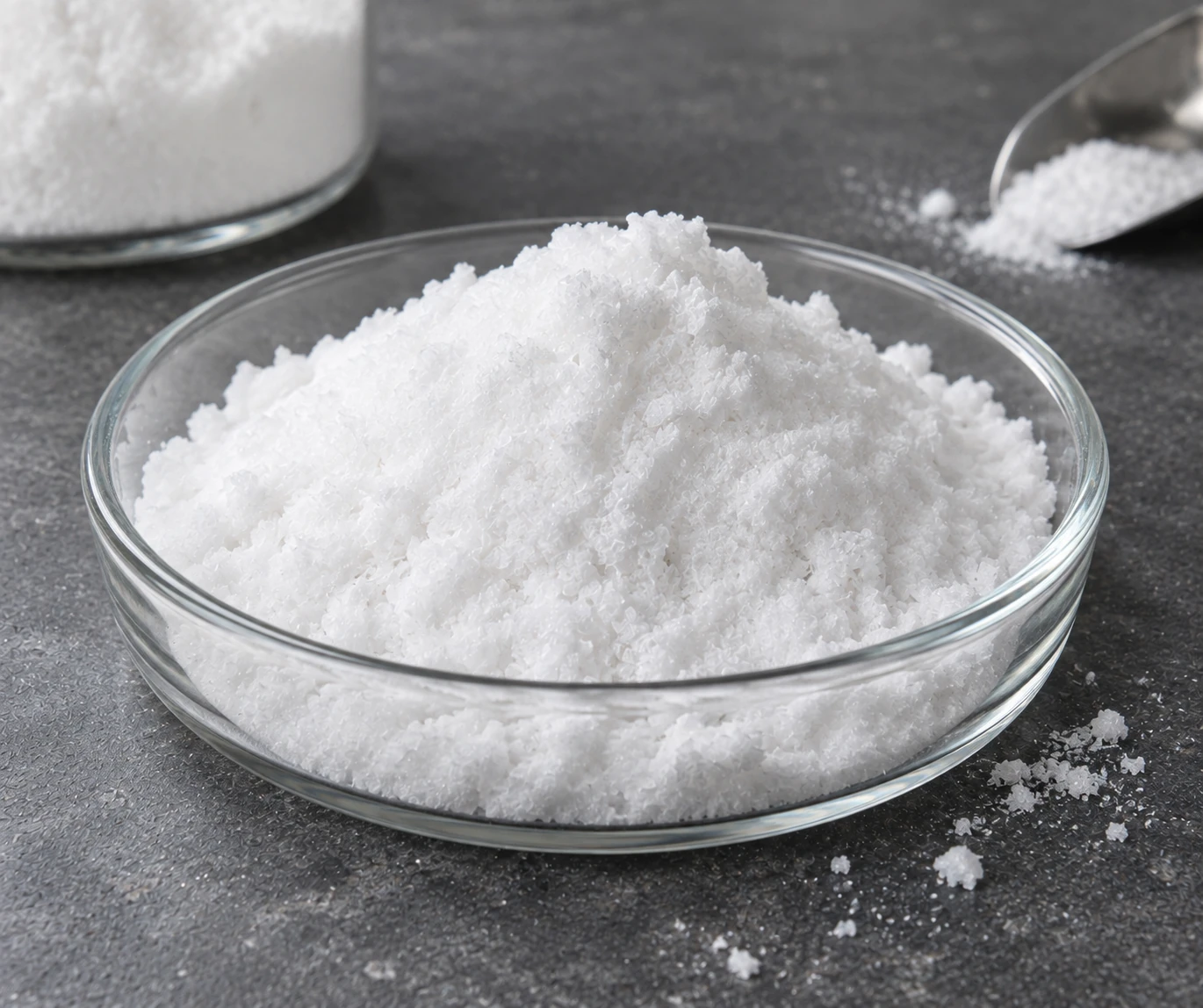
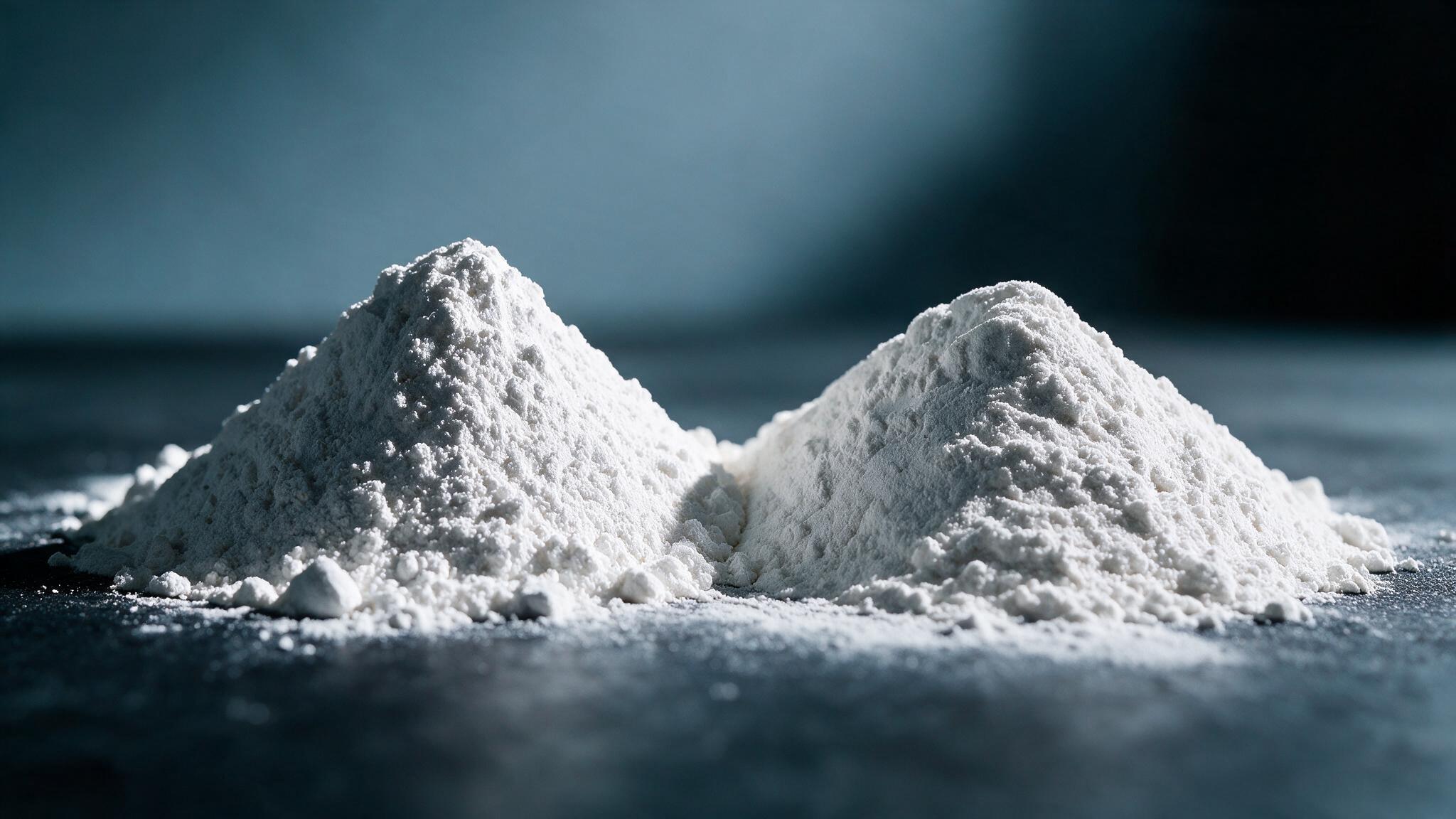
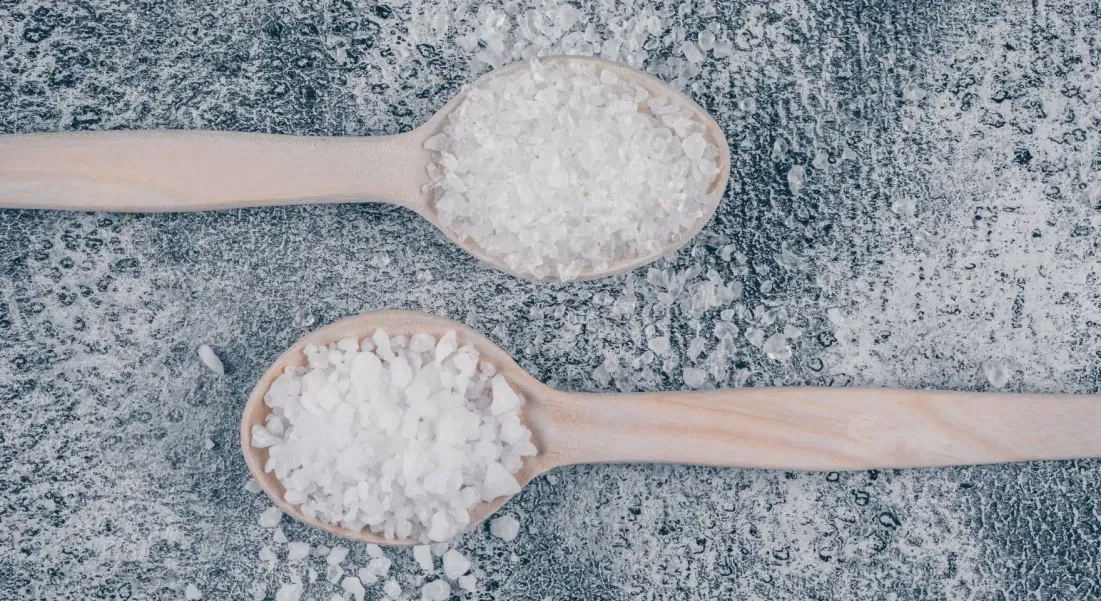
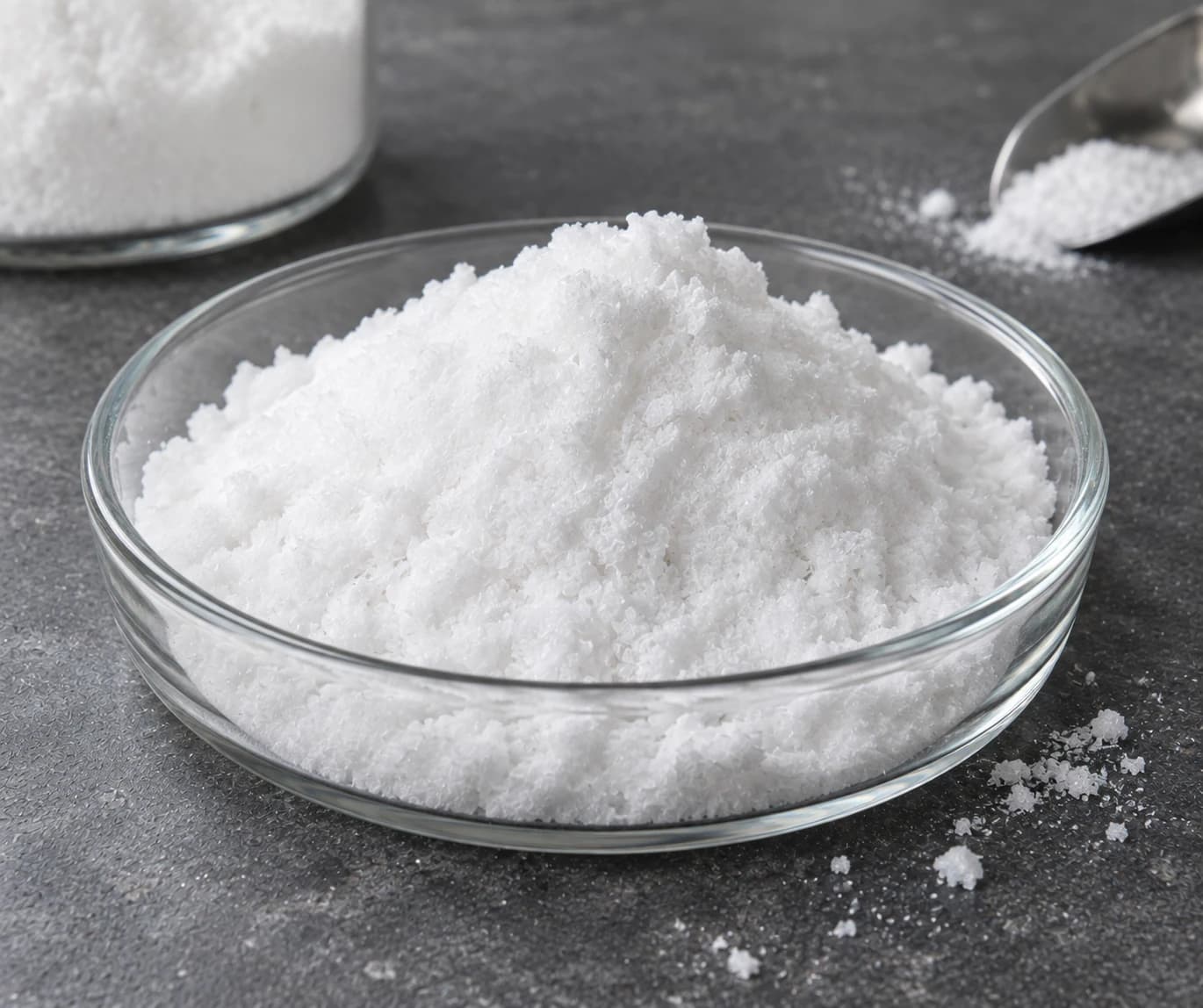
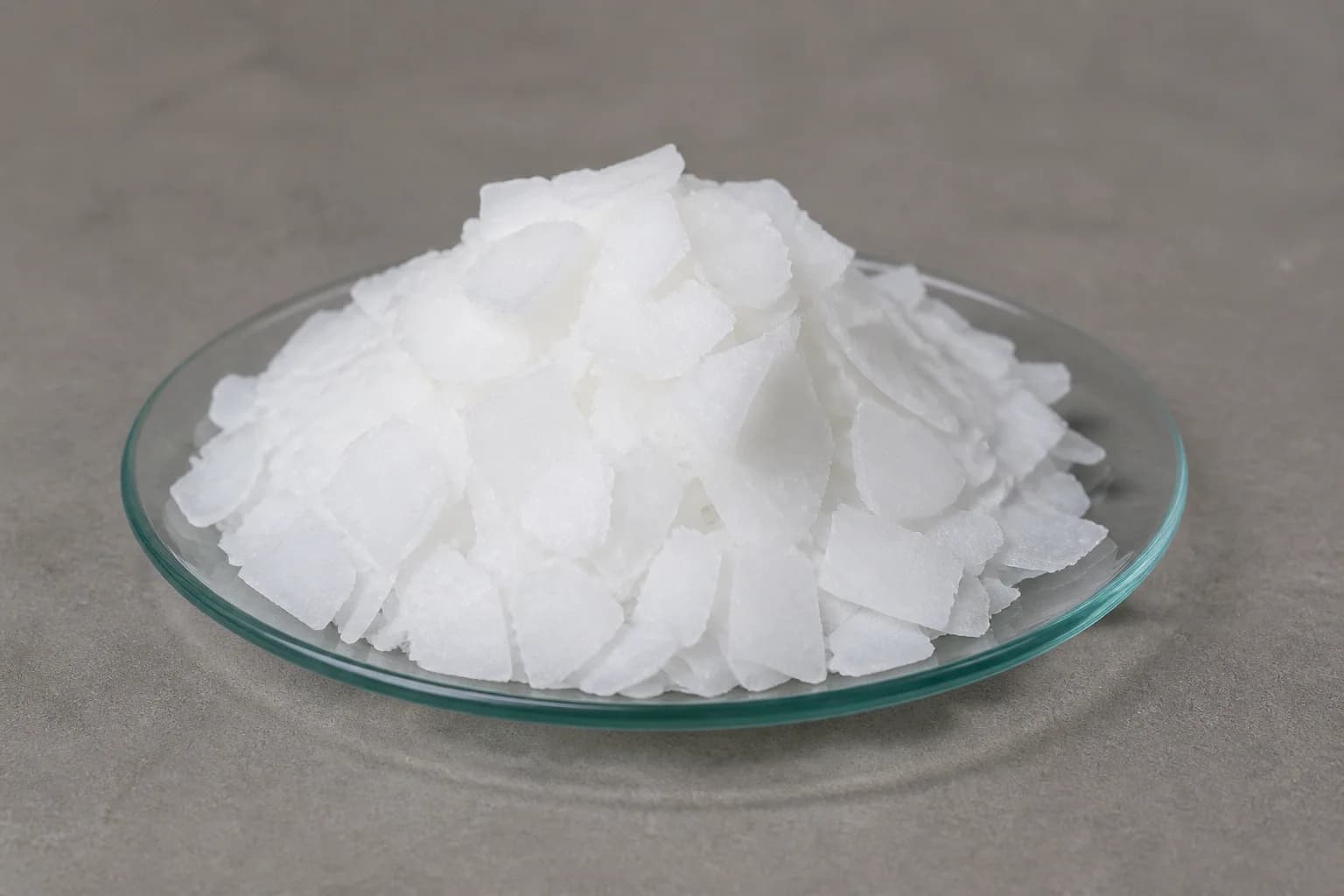
Pure sodium hydroxide appears as white, odorless crystals, flakes, pellets, or beads at room temperature. It melts at 318°C (604°F) and readily absorbs moisture from air, a property called hygroscopy.
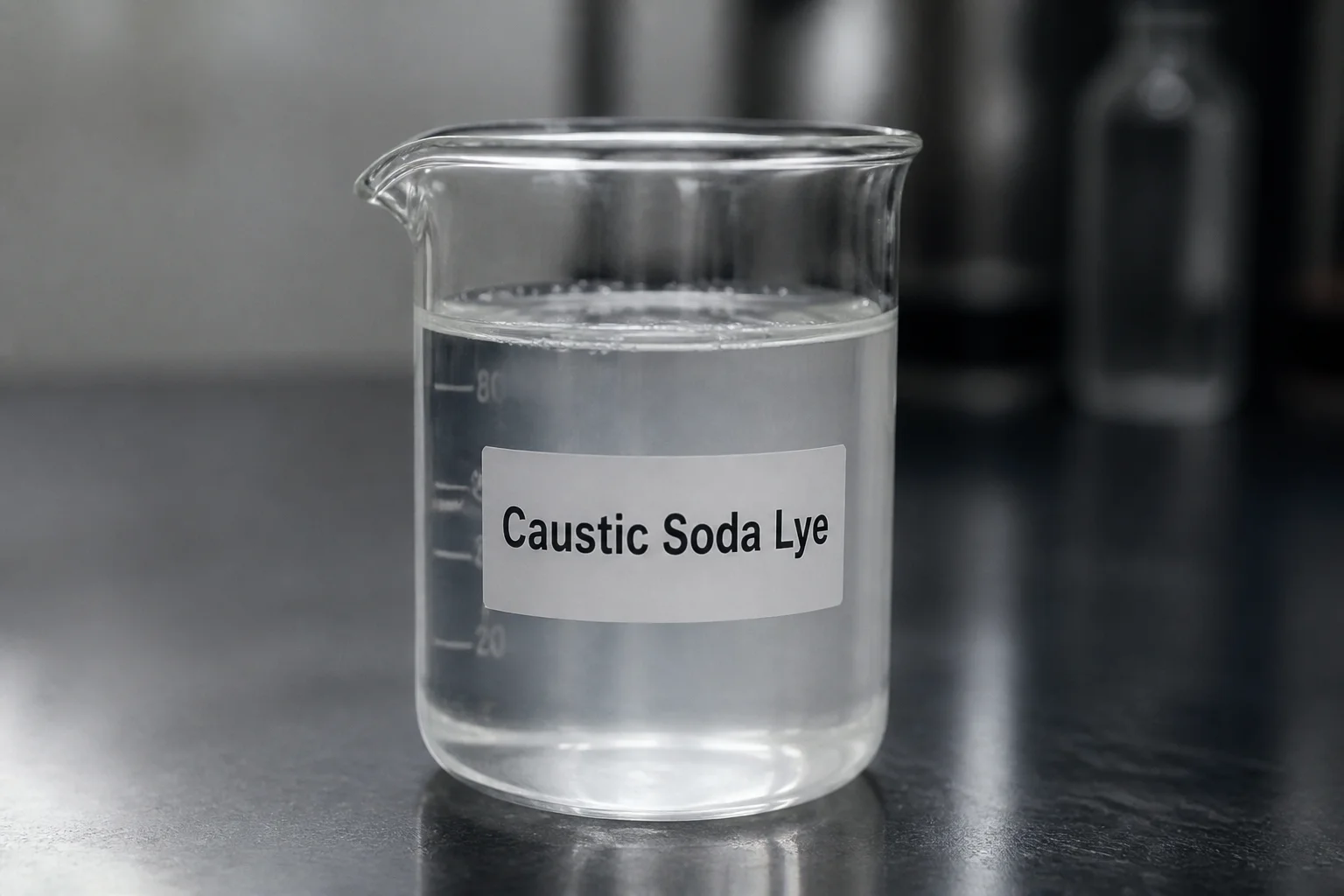
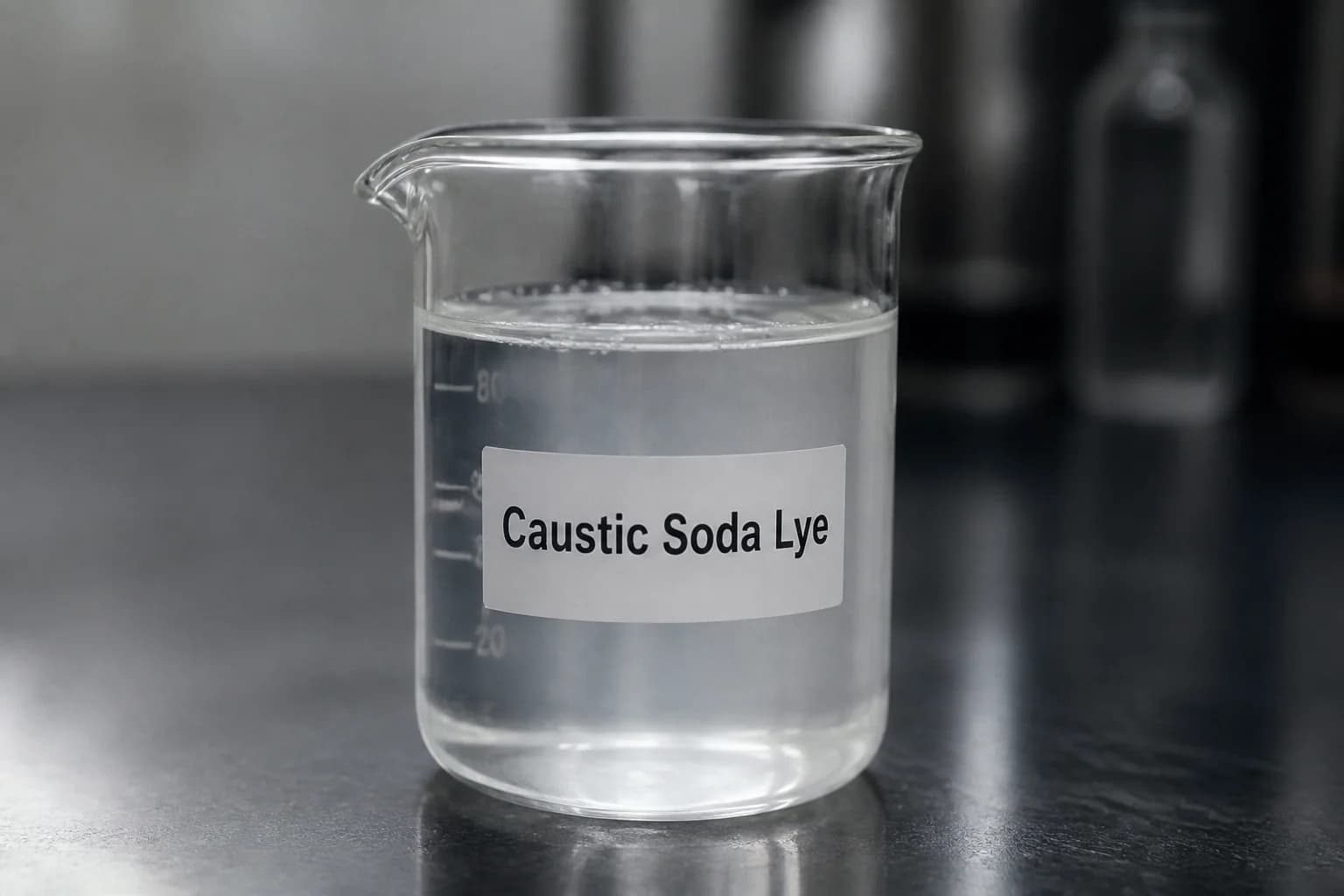
When dissolved in water, it creates a clear, colorless solution with high viscosity compared to pure water. The solution feels slippery or soapy when touched (don’t do this intentionally) because it’s breaking down the oils and proteins in your skin.
Chemical Reactivity
NaOH is a strong base with pH around 14 in concentrated solutions. It neutralizes acids vigorously, generating heat and forming salts. This exothermic reaction releases enough energy to boil solutions if strong acid and concentrated base mix rapidly.
The compound reacts with fats and oils through saponification, breaking ester bonds and creating soap molecules plus glycerin. This reaction is why lye makes soap and why caustic soda cleans grease from industrial equipment.
It also reacts with aluminum, zinc, tin, and other metals, generating hydrogen gas. This is why drain cleaners warn against use in aluminum pipes and why industrial facilities avoid storing caustic in incompatible materials.
Household Lye Applications
Soap Making
Traditional cold-process soap requires precise measurements of lye, water, and oils. Typical recipes use sodium hydroxide at 6% of total recipe weight. The lye reacts with fatty acids in coconut oil, olive oil, or other fats to create sodium soap through saponification.
After mixing, the soap needs 24-48 hours to harden and 4-6 weeks to cure fully. During this time, all the lye converts to soap. Properly made soap contains zero free lye and is completely safe for skin.
Food-grade lye (99% pure sodium hydroxide) is essential for soap making. Drain cleaners contain additives that contaminate soap, making them unsuitable despite being chemically similar.
Drain Cleaning
Lye-based drain cleaners work by dissolving grease, hair, and organic materials blocking pipes. The sodium hydroxide breaks down these materials through saponification (for fats) and chemical degradation (for proteins and cellulose).
Products like ComStar Pure Lye or Red Devil Lye are 99% pure sodium hydroxide in bead or flake form. Users add 1/4 cup directly to drains, wait 15 minutes, then flush with water. The lye sinks through standing water and attacks blockages directly.
Unlike acid-based drain cleaners, lye won’t damage metal or plastic pipes when used correctly. However, it generates heat when dissolving, which can damage PVC if used excessively or incorrectly.
Food Preparation
Food-grade lye has several culinary applications. Pretzels get their characteristic dark, shiny crust from a lye bath before baking. German lye rolls use the same technique.
Hominy production involves soaking dried corn in lye solution to remove hulls and soften kernels. Asian noodle making uses lye water to create specific textures. Olive curing relies on lye to reduce bitterness.
The FDA recognizes sodium hydroxide as GRAS (Generally Recognized As Safe) for these food uses at appropriate concentrations and with proper rinsing.
Household Lye Forms and Specifications
| Form | Purity | Typical Package Size | Cost Per Pound | Best For |
| Beads/Pellets | 99% | 1-2 lbs | $8-9 | Soap making (dissolves fast, less static) |
| Flakes | 99% | 1-2 lbs | $7-8 | General use (easy to measure) |
| Crystals | 99% | 1-5 lbs | $6-8 | Industrial small batch (creates dust) |
| Drain Cleaner | 95-99% (with additives) | 16-32 oz | $5-7 | Drain cleaning only (not food safe) |
Industrial Caustic Soda Applications
Chemical Manufacturing
Chemical synthesis consumes 56% of industrial sodium hydroxide production. It’s a fundamental building block for producing other sodium compounds, organic chemicals, and intermediates.
Manufacturers use caustic soda to produce sodium hypochlorite (bleach), sodium carbonate (washing soda), sodium phosphate, and hundreds of other chemicals. The strong base neutralizes acids, adjusts pH, and drives chemical reactions that wouldn’t occur otherwise.
Pharmaceutical production relies on caustic for synthesis of aspirin, anticoagulants, cholesterol medications, and many active ingredients. The precise pH control and reliable reactivity make it indispensable.
Pulp and Paper Production
Paper manufacturing accounts for 25% of caustic soda consumption globally. The Kraft process uses sodium hydroxide and sodium sulfide to break down lignin in wood, separating cellulose fibers for paper production.
After pulping, caustic solutions adjust pH during bleaching stages. Paper recycling also depends on caustic to separate ink from fibers during de-inking processes.
A single paper mill might consume 50-100 tons of caustic soda daily. At this scale, bulk liquid delivery (50% concentration in tank trucks or rail cars) is standard.
Water Treatment
Municipal water treatment and industrial wastewater processing use caustic soda for pH adjustment. Acidic water requires neutralization before discharge or further treatment. Sodium hydroxide raises pH efficiently and economically.
Typical applications include neutralizing acid mine drainage, adjusting pH in biological treatment systems, and precipitating metals from industrial wastewater. The strong base converts dissolved metal ions into insoluble hydroxides that settle for removal.
Petroleum Refining and Biodiesel
Oil refineries use caustic for removing sulfur compounds and acidic contaminants from petroleum products. The process, called caustic washing, improves fuel quality and reduces environmental impact.
Biodiesel production uses sodium hydroxide as a catalyst for transesterification, converting vegetable oils into biodiesel fuel. The process is similar to soap making but stops at an intermediate stage.
Aluminum Production
Extracting aluminum from bauxite ore requires large quantities of caustic soda. The Bayer process dissolves aluminum-containing minerals from bauxite using hot sodium hydroxide solution under pressure.
Aluminum smelters consume caustic at rates exceeding 1 ton per ton of aluminum produced. This makes the aluminum industry a major sodium hydroxide consumer globally.
Industrial Caustic Soda Forms

Industrial facilities purchase caustic soda optimized for large-scale operations:
50% Liquid Solution
Most common industrial form, delivered in tank trucks (4,000-5,500 gallons), rail cars (up to 30,000 gallons), or bulk storage tanks. The 50% concentration balances transportation costs against viscosity and handling issues.
Freezing point around 12°C (54°F) requires heated storage in cold climates. Stainless steel, XLPE, or fiberglass tanks rated for 1.9 specific gravity handle the corrosive solution safely.
Cost: $400-600 per ton delivered in bulk.
25% Liquid Solution
Lower concentration reduces freezing risk (freezing point around 0°C) and makes handling safer. Common in applications where dilute caustic suits the process or where cold-weather storage is difficult.
Solid Forms
Industrial-grade flakes, pellets, or beads come in 50-pound bags, 2,000-pound super sacks, or bulk rail cars. Purity typically ranges from 97-99%.
Solid caustic costs more per unit of NaOH but eliminates water shipping costs and storage complications. Users dissolve it on-site to desired concentrations.
Safety Considerations: Universal Regardless of Name
Whether you call it lye or caustic soda, the hazards remain identical.
Physical Hazards
Sodium hydroxide causes severe chemical burns on contact with skin, eyes, or mucous membranes. The damage occurs within seconds to minutes. Even dilute solutions (below 5%) cause irritation. Concentrated solutions create deep, penetrating burns that worsen over hours.
The compound generates significant heat when dissolving in water. Adding water to solid caustic creates violent boiling and splashing. Always add caustic to water, never water to caustic.
Exposure Routes and Effects
Skin contact causes immediate pain, redness, and burning. Prolonged contact destroys tissue, creating ulcers that heal slowly and may scar permanently.
Eye exposure represents the most dangerous scenario. Sodium hydroxide penetrates eye tissues rapidly, destroying corneas and potentially causing permanent blindness. This happens in seconds with concentrated solutions.
Inhalation of dust or mists irritates respiratory passages. High concentrations cause severe lung damage. Chronic exposure leads to pulmonary issues.
Ingestion causes immediate severe damage to mouth, throat, esophagus, and stomach. The alkaline burn perforates tissues, creating life-threatening emergencies requiring immediate medical intervention.
Required Safety Equipment
OSHA mandates specific personal protective equipment for handling sodium hydroxide:
- Chemical-resistant gloves (neoprene, nitrile, or butyl rubber)
- Full-face shield or chemical splash goggles
- Chemical-resistant apron or protective clothing
- Closed-toe shoes or boots
- Respiratory protection when airborne exposure exceeds 2 mg/m³
Household soap makers need the same protection as industrial workers. The chemical doesn’t care whether you’re making artisan soap or operating a paper mill.
Emergency Response
For skin contact: Immediately flush with large quantities of water for at least 15 minutes while removing contaminated clothing. Seek medical attention for anything beyond minor contact.
For eye contact: Flush immediately with water for 15 minutes minimum, lifting eyelids to ensure thorough rinsing. Remove contact lenses if possible. Get emergency medical treatment immediately.
For ingestion: DO NOT induce vomiting. Do not neutralize with acids. Rinse mouth with water if conscious. Give small amounts of water to dilute (if person can swallow). Get emergency medical help immediately.
Safety Requirements Comparison
| Safety Factor | Household Lye Use | Industrial Caustic Soda Use |
| PPE Required | Gloves, goggles, long sleeves | Same plus respirator if needed, full protective clothing |
| Ventilation | Open windows, outdoor mixing | Engineering controls, exhaust systems, air monitoring |
| Storage | Small sealed containers, cool dry place | Large tanks with secondary containment, temperature control |
| Emergency Equipment | Running water, vinegar for cleanup | Eyewash stations, safety showers, neutralization supplies |
| Training | Self-education, online resources | OSHA-required formal training, documented competency |
| Regulatory Oversight | Voluntary best practices | OSHA inspections, EPA compliance, mandatory reporting |
Storage and Handling: Scale Makes the Difference
Household Storage
Lye containers should be airtight to prevent moisture absorption. The compound pulls water from air, gradually turning into a solution that’s harder to measure accurately.
Store in original labeled containers or clearly marked secondary containers. Keep away from children, pets, and food. A cool, dry location prevents deterioration.
Shelf life is approximately one year if stored properly. Older lye may contain sodium carbonate from air exposure, reducing effectiveness.
Industrial Storage
Large-scale storage requires engineered systems. Liquid caustic needs:
- Tanks rated for 1.9 specific gravity minimum
- Compatible materials (XLPE, 316 stainless, fiberglass)
- Secondary containment holding 110% of tank volume
- Temperature control preventing crystallization
- Leak detection systems
- Proper venting
Solid caustic storage requires dry, ventilated areas with moisture barriers. Palletized bags or super sacks need protection from rain and humidity.
The Real Difference: Context and Scale
Caustic soda vs lye isn’t about chemistry. It’s about application context:
Household “Lye”:
- Small quantities (pounds)
- Retail packaging (1-5 lb containers)
- Artisan/craft applications
- Individual users
- Self-taught safety practices
- Retail pricing ($7-9/lb)
Industrial “Caustic Soda”:
- Large quantities (tons)
- Bulk delivery (tank trucks, rail cars)
- Manufacturing processes
- Trained operators
- Formal safety programs
- Wholesale pricing ($0.20-0.30/lb in bulk)
The chemistry doesn’t change. A molecule of NaOH in a soap maker’s kitchen behaves identically to one in a chemical plant reactor.
Regulatory Distinctions
Is caustic soda the same as lye from a regulatory standpoint? Yes, with some nuances.
FDA Regulations
Food-grade sodium hydroxide (whether called lye or caustic soda) must meet purity specifications in the Food Chemicals Codex. This ensures freedom from heavy metals and other contaminants.
Drain cleaners and industrial caustic don’t meet food-grade standards and cannot be used in food preparation or soap making where skin contact occurs.
OSHA Requirements
Workplace exposure limits apply identically regardless of terminology. The permissible exposure limit of 2 mg/m³ applies whether your facility calls it lye, caustic, or sodium hydroxide.
Safety data sheets must be maintained and accessible. Worker training is mandatory. Emergency equipment requirements don’t change based on what name appears on the label.
EPA Considerations
Large-quantity users (facilities storing over certain thresholds) must comply with SPCC regulations requiring secondary containment and spill response plans.
Discharge limits for wastewater apply to sodium hydroxide regardless of which name the facility uses.
Wrapping Up
After 25 years in chemical manufacturing and formulation, I’ve seen confusion about these names countless times. The answer is simple: caustic soda and lye are absolutely identical chemically. Both are sodium hydroxide, NaOH, with the same properties, hazards, and uses.
The terminology difference reflects context, not chemistry. Artisan soap makers buy “lye” in craft stores. Chemical plants order “caustic soda” from industrial suppliers. Laboratory requisitions specify “sodium hydroxide.” Same compound, different settings.
What matters isn’t the name on the label. It’s understanding that this powerful chemical requires respect regardless of whether you’re making handcrafted soap in your kitchen or operating industrial equipment. The safety protocols, chemical properties, and potential hazards remain constant.
Is caustic soda the same as lye? Yes, completely and without exception. The names serve different markets and applications, but the molecule stays the same.
Whether you’re formulating industrial cleaning solutions, crafting artisan soaps, or managing chemical processes, recognizing that these names represent one substance helps avoid confusion and ensures proper handling. The NaOH molecule doesn’t care what you call it, but it will react consistently according to its chemical nature.
For businesses requiring quality sodium hydroxide in any form, Elchemy connects you with reliable chemical caustic soda suppliers offering food-grade lye for soap making, industrial-grade caustic soda for manufacturing, and everything in between, backed by complete safety documentation, competitive pricing, and technical support for your specific application requirements.