

At a Glance
- Both calamine and Caladryl treat itching, rashes, and minor skin irritation but are not the same product
- Calamine’s active ingredients are zinc oxide (98%) and ferric oxide (2%); Caladryl adds pramoxine, a local anesthetic, and some versions also include diphenhydramine
- Calamine soothes and dries; Caladryl soothes, dries, and also numbs pain
- Calamine is gentler and better for sensitive or broken skin; Caladryl is stronger for more intense itching and stinging
- Neither should be used for more than 7 days without checking with a doctor
- Both are available over the counter without a prescription
Most people reach for whichever pink bottle is in the medicine cabinet without thinking twice. Calamine and Caladryl sit next to each other on pharmacy shelves, look almost identical, and treat a lot of the same conditions. But they work differently, and using one when you need the other can mean slower relief or unnecessary side effects.
Both calamine and Caladryl are used in treating itching from sunburns, insect bites, poison ivy, poison oak, and other mild skin conditions. The difference is in what else Caladryl brings to the table, and whether you actually need it.
Calamine vs Caladryl Lotion: The Core Differences
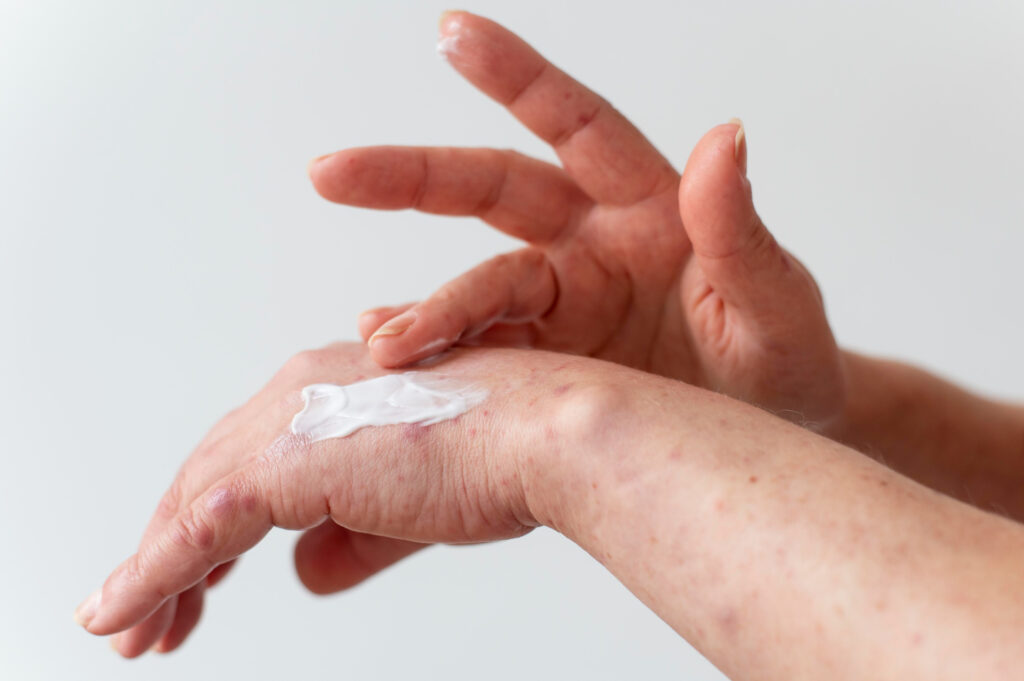
Calamine is a combination of zinc oxide and ferric oxide, whereas Caladryl contains calamine along with diphenhydramine or pramoxine. That extra ingredient changes how the product works on your skin entirely.
| Feature | Calamine | Caladryl |
| Active ingredients | Zinc oxide 98%, ferric oxide 2% | Calamine 8% + pramoxine HCl 1% (or diphenhydramine) |
| Primary action | Soothes itch, dries weeping skin | Soothes itch, dries skin, numbs pain |
| Appearance | Pink (traditional) or clear | Clear |
| Best for | Mild itch, rashes, kids | Intense itch, stinging, insect bites |
| Use on broken skin | Generally safe | Avoid, can irritate |
| Contains alcohol | No | Some formulations do |
| Age suitability | Safe for all ages including infants | Not recommended for young children without advice |
| Application frequency | 3 to 4 times daily | 3 to 4 times daily |
What Is Actually in Each Product?
Calamine
Active ingredients in calamine are zinc oxide and ferric oxide. Zinc oxide acts as an astringent, meaning it tightens the skin slightly and reduces fluid weeping from irritated areas. Ferric oxide is what gives it the signature pink color.
Other mineral oxides, such as aluminium oxide, are used in adjacent topical formulations as absorbent and texture-modifying excipients, particularly where a matte, powder-like finish or enhanced skin adherence is desired.
Beyond the actives, standard calamine lotion also contains:
- Phenol (a mild antiseptic that adds to the cooling effect)
- Calcium hydroxide
- Glycerin (in some formulations, for added moisture)
- Some commercial calamine formulations also incorporate mineral oil as an emollient base
- Purified water as the base
It is a simple formula. That simplicity is actually part of why it has been trusted for over a hundred years. No antihistamines, no anesthetics, nothing that causes reactions in most skin types.
Caladryl
Caladryl lotion contains calamine 8% as a skin protectant and pramoxine HCl 1% as a topical analgesic. Pramoxine is a local anesthetic that works by blocking pain signals from nerve receptors in the skin before they reach the brain.
Inactive ingredients in Caladryl include SD alcohol, camphor, diazolidinyl urea, fragrance, hypromellose, methylparaben, polysorbate 80, propylene glycol, and xanthan gum. The alcohol content is one reason dermatologists sometimes advise against it on sensitive, already-irritated, or broken skin.
Some versions of Caladryl use diphenhydramine (Benadryl) instead of pramoxine. Topical diphenhydramine can irritate skin and some people are allergic to it, so it is worth checking the label before buying.
How Each One Works on the Skin?
Calamine
Calamine works primarily as a skin protectant and mild astringent. When applied, it:
- Creates a thin barrier over the irritated area
- Draws out excess moisture from weeping or oozing rashes
- Provides a mild cooling sensation as it dries
- Reduces the urge to scratch by soothing surface-level irritation
Protective occlusive ingredients like white petroleum jelly are also widely used in skincare formulations to help seal in moisture and support the skin barrier during recovery from dryness and irritation.
Traditional calamine lotion focuses more on drying oozing wounds rather than providing direct pain relief; it is excellent at soothing itchiness but may not address deeper discomforts without added ingredients.
It does not numb, it does not block histamine, and it does not penetrate deep into skin. What it does, it does gently and reliably.
Caladryl
Caladryl does everything calamine does but adds a pain-numbing layer. Pramoxine in Caladryl interferes with pain signals sent by nerve receptors in the skin to the brain, while Caladryl also controls moisture absorption and prevents buildup that leads to pus formation.
The result is faster relief for more intense irritation. Where calamine takes the edge off, Caladryl can more noticeably reduce the stinging and pain that comes with things like a bad poison ivy reaction or multiple insect bites in one area.
Caladryl also forms a protective barrier over the affected area to shield it from irritants and allergens, speeding up the healing process.
Which Conditions Each Works Best For?
Calamine
Calamine is the safer, gentler choice for everyday skin irritation. It works well for:
- Mild rashes from heat, sweating, or fabric irritation
- Chickenpox in children (cooling effect helps with scratching urge)
- Sunburn with no open blisters
- Light insect bites with minimal swelling
- Eczema flares where skin is not broken
- Shingles rash (without open sores), as dermatologists often recommend calamine over Caladryl here since Caladryl contains alcohol which can worsen sensitive or already-damaged skin conditions like shingles
Caladryl
Caladryl is the better pick when the itch is intense and comes with stinging or pain:
- Poison ivy, poison oak, or poison sumac with significant oozing
- Multiple or clustered insect bites with swelling
- Contact dermatitis from a known irritant
- Minor burns where both pain and itching are present
- Reactions where calamine alone has not provided enough relief after a day or two
If the main concern is intense itching accompanied by pain, Caladryl’s combined approach of protection plus analgesia is more effective.
Side Effects and Who Should Be Careful
Both products are generally safe when used correctly. But there are situations where one is clearly the wrong choice.
Other OTC actives used in topical and oral care formulations, such as sodium fluoride, similarly require careful concentration control and appropriate labeling — a reminder that even well-established ingredients carry formulation-specific safety thresholds.
Calamine side effects are rare. Occasional mild skin dryness is the most common one. It is considered safe for infants, children, pregnant women, and people with sensitive skin.
Caladryl needs more caution:
- Topical diphenhydramine (in some Caladryl versions) can irritate skin, and some people are allergic to it
- The alcohol in Caladryl can sting on already-raw or broken skin
- Not recommended for young children without a doctor’s guidance
- Use should stop after seven days, and a health care provider should be consulted if no improvement is seen
- Avoid applying near eyes, nose, or mouth
Appearance and Application
This comes up more often than you’d think, especially for parents applying to children or adults worried about going back to work or school.
Calamine lotion is known for its soft pink hue, which can actually be helpful when applying to children since you can easily see where it has been applied. Clear versions of calamine have also become available. Caladryl is a clear liquid, meaning no visible residue after application, which many adults prefer for discreet use.
Both are applied the same way:
- Shake well before using
- In powder and dusting formats of calamine, excipients such as magnesium carbonate are used to improve flowability,
- Apply to clean, dry skin with a cotton ball or soft cloth
- Let it dry naturally, do not rub in
- Reapply 3 to 4 times daily as needed
So Which One Should You Actually Use?
The answer comes down to what your skin is doing. If you have mild, surface-level itching and want something gentle that is safe for everyone in the house including young kids, calamine is the right call. It has been doing this job reliably for generations.
If the itch is intense, there is stinging involved, or you have dealt with something like a bad poison ivy breakout where regular calamine just is not cutting it, Caladryl’s added anesthetic makes a real difference.
One honest note: if your skin condition is not improving within seven days with either product, that is the signal to stop self-treating and see a dermatologist. Both products are for minor, temporary irritation.
In broader pharmaceutical and hygiene applications, ingredients like hydrogen peroxide 50% are also commonly utilized for oxidation, cleansing, and antimicrobial processing purposes across industrial and healthcare formulations. Persistent or worsening rashes need a proper look.
For personal care and pharmaceutical manufacturers sourcing zinc oxide, ferric oxide, pramoxine, or other active ingredients used in topical skincare and OTC formulations, Elchemy connects buyers with verified global suppliers with complete quality documentation and consistent supply.