

At a Glance
- Anhydrous caffeine and regular caffeine are chemically identical molecules; the difference lies in form, concentration, and how the body absorbs them
- “Anhydrous” means “without water,” referring to a dehydrated, crystalline powder that is nearly 100% pure caffeine
- Caffeine anhydrous is absorbed faster (peak in 20-30 minutes) and delivers a more intense effect than caffeine consumed through coffee or tea
- The FDA considers bulk powdered and liquid caffeine supplements containing pure or highly concentrated caffeine to be unlawful when sold directly to consumers
- A single tablespoon of pure caffeine powder contains roughly 10,000 mg, equivalent to about 50 cups of coffee and well above the lethal threshold
- The safe upper limit for healthy adults is 400 mg per day from all sources combined
- The global anhydrous caffeine market is valued at approximately USD 2.3 billion in 2025, driven by demand from energy drinks, pharmaceuticals, and dietary supplements
Is Caffeine Anhydrous the Same as Caffeine?
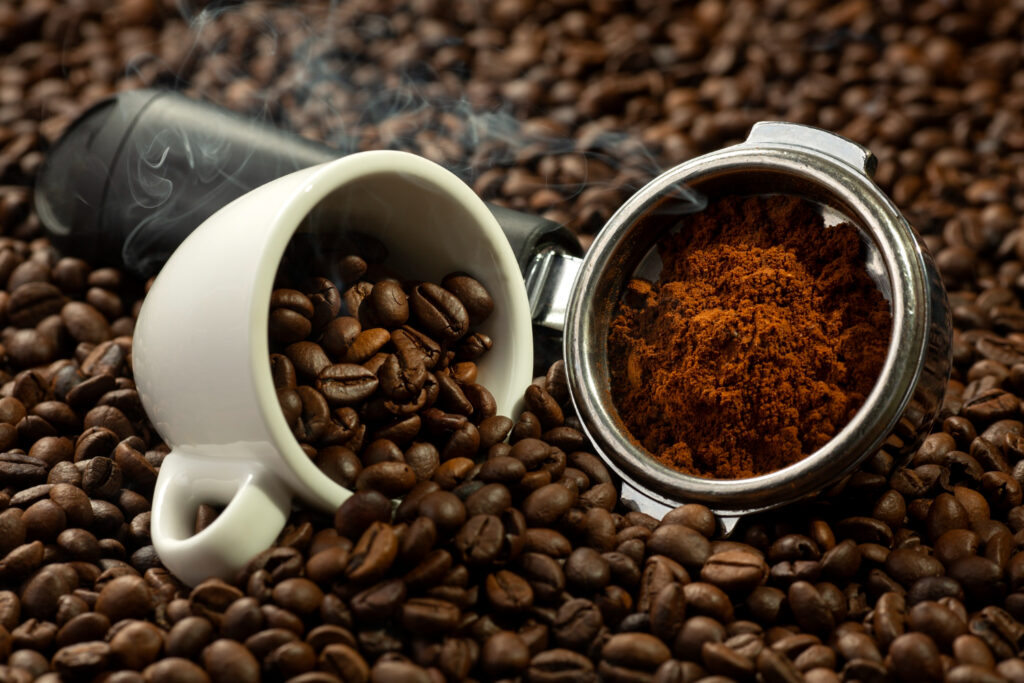
This is the most common question in the anhydrous caffeine vs caffeine conversation, and the short answer is yes, with an important caveat.
Caffeine anhydrous and the caffeine in your morning coffee are the same molecule: 1,3,7-trimethylxanthine. They bind to the same adenosine receptors in your brain, they produce the same stimulant effects, and they carry the same toxicity thresholds. If you put both under a mass spectrometer, they are chemically indistinguishable.
The caveat is that form changes everything about how that molecule behaves in practice. Caffeine in a cup of coffee is diluted in water and accompanied by hundreds of other bioactive compounds, including chlorogenic acid, theobromine, cafestol, and kahweol. These compounds modulate how quickly the caffeine is absorbed, how intensely it hits, and how your body processes it downstream.
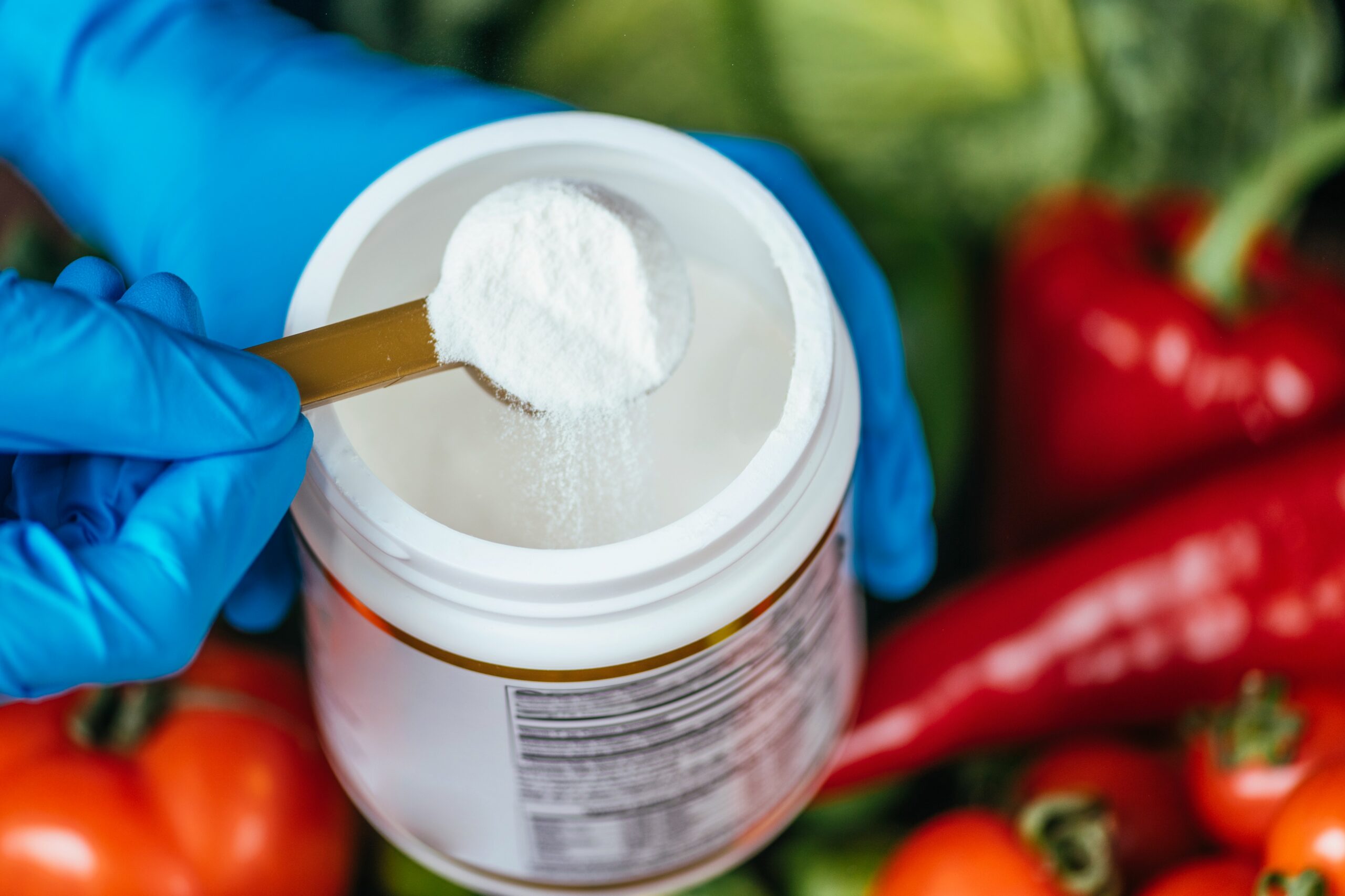
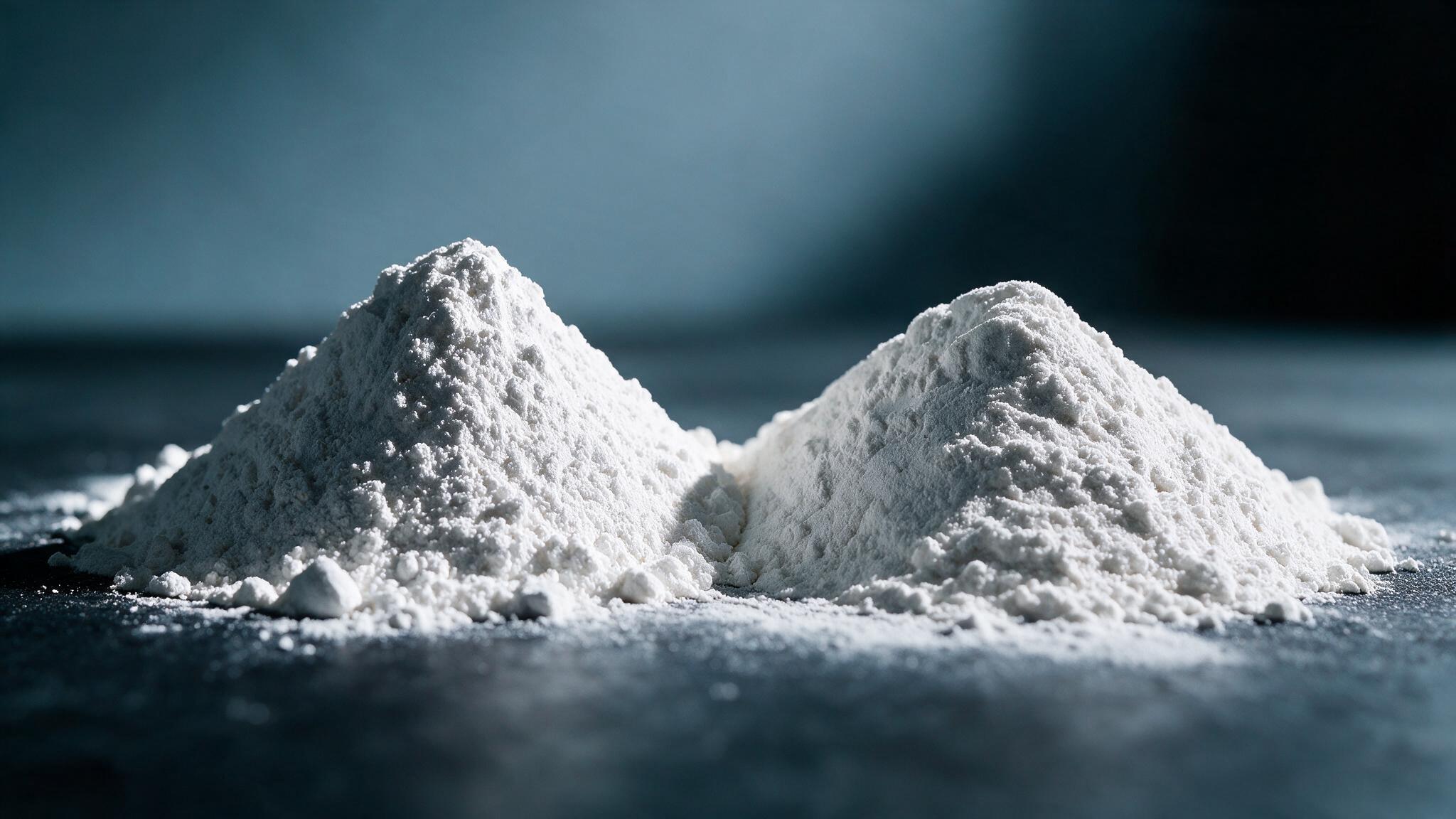
Caffeine anhydrous strips all of that away. It is pure caffeine, dehydrated into a white crystalline powder with virtually zero water content. There are no companion compounds to slow absorption or buffer the effect. The result is a form of caffeine that is faster-acting, more concentrated per gram, and significantly easier to overdose on, not because the molecule is different, but because the delivery mechanism is.
How Caffeine Anhydrous Is Made?
Caffeine is extracted from the seeds and leaves of coffee plants (Coffea arabica or Coffea canephora), tea leaves (Camellia sinensis), or synthesized chemically from urea and other precursors. The extracted caffeine is then dehydrated through a controlled process that removes all water content, producing the anhydrous form.
Synthetic caffeine dominates the commercial market because it offers higher purity, lower cost, and year-round supply stability that natural extraction cannot match. Most of the caffeine anhydrous used in energy drinks, pre-workout supplements, and pharmaceutical formulations globally comes from synthetic production facilities, with China being the largest manufacturing base.
The end product is a fine white powder, typically at 98-99% purity, that is virtually odorless and slightly bitter. It dissolves easily in water and can be precisely dosed in capsule, tablet, or liquid form when handled by trained formulators with proper equipment.
Where Anhydrous Caffeine vs Caffeine Actually Differs?
Since the molecule is the same, the meaningful differences come down to how each form is absorbed, dosed, and experienced by the body.
| Factor | Caffeine (in Coffee/Tea) | Caffeine Anhydrous (Powder/Supplement) |
| Purity | ~1-2% of total liquid volume | 98-99% pure caffeine |
| Time to Peak Blood Level | 45-60 minutes | 20-30 minutes |
| Dosing Precision | Variable (70-140 mg per cup depending on brew) | Precise to the milligram in formulated products |
| Companion Compounds | Polyphenols, antioxidants, L-theanine (tea), theobromine | None |
| Shelf Stability | Limited (brewed coffee degrades quickly) | Excellent (years in dry storage) |
| Cost per mg | Higher (natural extraction) | Lower (synthetic production) |
| Overdose Risk | Extremely low (volume limits intake) | High if handled as raw powder |
Beyond what the table captures, the bioactive context deserves emphasis. Coffee and tea deliver caffeine alongside compounds with independent health benefits:
- Chlorogenic acid is linked to blood sugar regulation and cardiovascular health
- Theobromine acts as a mild vasodilator, contributing to coffee’s cardiovascular effects
- L-theanine (in tea) promotes calm focus and offsets caffeine jitteriness
- Cafestol and kahweol are diterpenes with antioxidant and anti-inflammatory properties
Caffeine anhydrous delivers stimulation with none of these buffering or complementary effects. This explains why many people tolerate four cups of coffee comfortably but feel anxious and jittery from a 400 mg caffeine pill, even though the total caffeine intake is roughly the same.
The Danger Question: Is Caffeine Anhydrous More Dangerous?
The molecule is not more dangerous. The form is.
The math makes this clear:
- One teaspoon of pure caffeine anhydrous powder ≈ 3,200 mg of caffeine
- One tablespoon ≈ 10,000 mg of caffeine
- FDA safe daily limit for healthy adults = 400 mg
- Toxic effects begin at approximately 1,200 mg
- Fatal overdose has been reported at blood concentrations equivalent to roughly 10,000 mg ingested
The difference between a safe dose and a lethal dose of pure caffeine powder is almost invisible to the naked eye. The FDA’s own guidance states that recommended doses on caffeine powder labels are impossible to portion out accurately using common household measuring tools. A slight error, packing the powder too tightly or using a heaping scoop instead of a level one, can increase the dose by over 200%.
This is not a theoretical risk. The FDA issued warning letters to five manufacturers of powdered caffeine in 2015 after at least two deaths were linked to pure caffeine powder. The agency’s guidance, updated in 2018, states that bulk powdered and liquid dietary supplements containing pure or highly concentrated caffeine are considered adulterated under the FD&C Act and are effectively illegal to sell directly to consumers.
The critical distinction in the anhydrous caffeine vs caffeine safety discussion is this: no one has ever died from drinking too much coffee in a sitting. Coffee’s volume and liquid form naturally limit how much caffeine you can consume. You would need to drink roughly 50 cups to reach a lethal dose, which is physically impractical. But consuming the caffeine equivalent of 50 cups from a powder? That fits in a single tablespoon.
Industrial and Commercial Applications
The anhydrous caffeine market is valued at approximately USD 2.3 billion in 2025, with demand spread across three major sectors.
| Sector | Application | Typical Caffeine Concentration | Why Anhydrous Is Preferred |
| Food & Beverages | Energy drinks, caffeinated waters, protein bars, functional gums | 80-300 mg per serving | Precise dosing, neutral flavor, formulation versatility |
| Pharmaceuticals | Headache medications, migraine treatments, neonatal apnea stimulants | Varies by formulation | Enhances analgesic absorption, 99%+ purity available |
| Cosmetics & Personal Care | Eye creams, anti-cellulite products, scalp treatments, shampoos | 1-5% in topical formulations | Vasoconstrictive properties, shelf stability |
The pharmaceutical segment is the fastest-growing application area. Caffeine anhydrous is an active ingredient in over-the-counter headache medications because it enhances the absorption and efficacy of analgesics like acetaminophen and aspirin. Pharma-grade caffeine anhydrous requires 99%+ purity and stringent documentation, including certificates of analysis, batch traceability, and compliance with pharmacopoeial standards (USP, EP, BP).
For procurement teams sourcing caffeine anhydrous at scale, the key considerations are:
- Purity grade: food, pharma, or cosmetic, each with different regulatory and documentation requirements
- Origin: synthetic vs natural, which affects labeling claims and consumer perception
- Supply chain documentation: COA, SDS, and batch traceability are non-negotiable for any regulated application
- Supplier verification: synthetic sources from China dominate global supply, making quality consistency and audit trails critical
Regulatory Landscape
The regulatory approach to caffeine anhydrous varies significantly by region, and the landscape is tightening.
| Region | Key Regulation | What It Means |
| United States | FDA GRAS status; bulk pure caffeine powder effectively banned for consumer sale (2018 guidance) | Caffeine must be listed as an ingredient when added, but amount disclosure is not mandatory |
| European Union | Mandatory warning label on products with >150 mg/L; supplements with >200 mg per serving need additional labeling | Caffeine classified as “harmful to humans when swallowed” under 2025 chemical safety guidelines |
| Canada | New supplemented food labeling rules (effective end of 2025) | Added caffeine must be identified as a supplemented ingredient |
Age-specific limits are also worth noting for formulators and brands:
- Adults (healthy): up to 400 mg per day from all sources combined
- Pregnant individuals: limit to 200 mg per day
- Adolescents (12-18): recommended upper limit of 100 mg per day
- Children under 12: multiple regulatory bodies recommend zero caffeine intake
Legislation to mandate caffeine content labeling on all products in the U.S. has been proposed but not yet enacted. Brands and formulators should anticipate that mandatory quantitative caffeine disclosure is a matter of when, not if.
Choosing the Right Form for Your Application
The anhydrous caffeine vs caffeine decision is ultimately application-specific.
For consumer use, coffee and tea remain the safest, most enjoyable, and most health-supportive way to consume caffeine. The bioactive compounds in these beverages provide benefits that isolated caffeine cannot replicate, and the liquid volume makes accidental overconsumption virtually impossible.
For athletic performance, caffeine anhydrous in a properly dosed supplement (typically 3-6 mg per kilogram of body weight, taken 30-60 minutes before exercise) is the evidence-backed approach. Pre-workout formulations from reputable manufacturers offer precise dosing without the risks of handling raw powder.
For commercial formulation in beverages, supplements, pharmaceuticals, or cosmetics, caffeine anhydrous is the industry standard because of its purity, stability, cost efficiency, and dosing precision. The key is sourcing pharmaceutical or food-grade material from verified suppliers with complete documentation.
What no one should ever do is purchase bulk caffeine anhydrous powder for personal use. The FDA’s position on this is unambiguous, and the risk-to-benefit ratio is indefensible when safer alternatives exist for every legitimate use case.
Conclusion
Is caffeine anhydrous the same as caffeine? Chemically, yes. Practically, no. The dehydrated, concentrated form delivers the same molecule faster, harder, and with none of the buffering compounds that make coffee and tea both safe and beneficial. This makes caffeine anhydrous indispensable for industrial applications in energy drinks, pharmaceuticals, and cosmetics, but genuinely dangerous when handled as a raw powder by consumers without the equipment or expertise to dose it safely.
For brands and manufacturers sourcing caffeine anhydrous for commercial formulations, Elchemy provides pharmaceutical-grade and food-grade caffeine anhydrous with full COA documentation, batch traceability, and regulatory compliance support, sourced from verified global manufacturers at competitive pricing.