

At a Glance
- Fiber is emerging as the dominant health trend, potentially overtaking protein with “fibermaxxing” driving new product launches
- GLP-1 medication users are reshaping portion sizes and food choices, creating demand for nutrient-dense, smaller-format products
- Value redefinition goes beyond low prices to include quality, health benefits, and emotional satisfaction during economic uncertainty
- Protein innovation continues evolving with plant-based options emphasizing inherent nutrition rather than meat mimicry
- Alcohol-free and low-alcohol beverages grow 22% as consumers embrace “sober-curious” lifestyles and third-place socialization
- Weird flavor combinations and unexpected brand collaborations attract Gen Z and millennials seeking novelty (90% actively hunt unusual flavors)
- Mental wellness products featuring adaptogens, nootropics, and stress-reducing ingredients gain mainstream acceptance beyond niche markets
A beverage startup in Portland launched their premium prebiotic soda last November. The founders anticipated steady growth. Instead, sales exploded 340% in the first quarter of 2026. What happened? They accidentally nailed three major current trends in food and beverage simultaneously: fiber-forward formulation, GLP-1 medication support, and affordable indulgence. Their timing couldn’t have been better.
This isn’t luck. It’s what happens when products align with powerful consumer shifts reshaping the entire industry. The trends of food and beverage industry in 2026 represent more than passing fads. They’re fundamental changes in how people think about nutrition, value, wellness, and even the social role of eating and drinking.
Understanding these shifts helps manufacturers, distributors, and retailers position products to meet evolving consumer demands. Miss these trends and you’re fighting uphill. Embrace them strategically and the market opens up.
Fiber Frenzy: The Nutrient Challenging Protein’s Dominance
For the past five years, protein ruled product development. Every category added protein claims. Consumers actively sought high-protein options. But 2026 marks a potential shift as fiber emerges as protein’s serious competitor.
The catalyst is multifaceted. Gut health awareness continues rising, with consumers recognizing fiber’s role in digestive wellness. GLP-1 medications that suppress appetite create interest in satiety-boosting nutrients that help users feel fuller with smaller portions. And general digestive health concerns drive searches for fiber-rich foods.
Datassential reports fiber positioned to overtake protein as the dominant health trend this year. The evidence shows up in product launches. Beverages adding fiber through prebiotic sodas, fiber-enhanced waters, and functional drinks containing soluble fiber are flooding the market. Whole Foods Market’s 2026 trends report specifically highlights “fiber frenzy” as a top prediction.
Current trends in food and beverage show fiber appearing in unexpected categories. Fiber-boosted ice cream provides indulgence with digestive benefits. Snack bars contain 10-15g fiber per serving, rivaling daily intake recommendations. Even candy manufacturers are exploring fiber fortification to justify treats as functional foods.
The challenge for manufacturers is delivering fiber without compromising taste or texture. High fiber content can create grittiness or off-flavors that consumers reject. Successful products use blends of soluble and insoluble fibers balanced with flavor systems that mask any functional taste.
GLP-1 Medication Impact: Reshaping Consumption Patterns
Weight-loss medications like Ozempic and Wegovy are fundamentally altering how millions of Americans eat. These GLP-1 drugs suppress appetite dramatically, shrinking portion sizes and reducing overall food intake. The impact on the food industry is massive.
Research shows GLP-1 users cutting back on sugar-heavy foods, reducing carbohydrate intake, and eating significantly less overall. This isn’t a niche phenomenon anymore. As medication use expands, food and beverage companies must adapt products to this new reality.
Some brands are creating GLP-1-specific product lines. These offerings feature smaller portions, higher protein and fiber density, and nutrient profiles supporting users who eat less but need adequate nutrition. Think 4oz ready-to-drink protein shakes instead of 12oz versions, or single-serving snack packs designed to satisfy without triggering medication-induced nausea.
But here’s the tension: GLP-1s reduce appetite through medication, while food companies simultaneously develop satiety-boosting foods claiming to provide fullness naturally. These approaches directly compete. One pushes consumption downward via pharmaceuticals. The other encourages intentional, nutrient-dense eating through food choices.
The industry is being pulled in opposite directions. Products supporting GLP-1 users accept reduced consumption. Traditional satiety foods fight to maintain eating occasions. Navigating this contradiction defines strategic planning for 2026.
Value Redefined: Beyond Just Low Prices

Economic pressures persist into 2026, making value top-of-mind for consumers. But value doesn’t simply mean cheapest price anymore. Consumers are redefining what “worth it” means.
Innova Market Insights reports accessibility and affordability as leading values in consumer diet considerations. But consumers want simple, straightforward foods with transparent ingredients during uncertain times, not just rock-bottom pricing.
This creates opportunities for brands highlighting different value propositions:
Quality Value: Premium ingredients at fair prices, justifying higher costs through superior taste or nutrition
Health Value: Products delivering measurable wellness benefits worth the premium
Emotional Value: Foods providing small indulgences that feel justifiable despite budget consciousness
Convenience Value: Time-saving solutions that reduce mental load and meal complexity
Fresh meal delivery kits exemplify this multifaceted value approach. They cost more than grocery shopping but provide convenience, variety, and the emotional benefit of avoiding meal planning stress. For consumers where time scarcity exceeds budget constraints, that’s tremendous value.
Brands succeeding in 2026 are articulating value clearly rather than just cutting prices. They’re explaining why their product is worth buying even when household budgets are tight.
Protein Evolution: Plant-Based Gets Authentic
Plant-based positioning has driven trends for nearly a decade. But 2026 marks an important shift: plant proteins are transitioning from imitating animal products to emphasizing their inherent nutritional benefits.
The Beyond Burger and Impossible Foods era focused on mimicking meat. Products were judged on how well they replicated beef or chicken. This created expectations that plant proteins sometimes couldn’t meet, leading to consumer disappointment.
The current trends in food and beverage show plant proteins embracing their unique advantages. Instead of fake chicken, brands highlight complete amino acid profiles from quinoa or nutritional density from legumes. Rather than imitating dairy, products emphasize functional benefits from natural plant-based proteins.
This “authentic plant-based” approach resonates with consumers seeking nutrition from whole food sources rather than heavily processed meat alternatives. Products featuring recognizable plant proteins like chickpeas, lentils, and hemp are growing faster than heavily processed plant meats.
Protein consumption continues rising overall. Half of consumers globally actively work to increase dietary protein. But the reasons and sources are diversifying beyond the animal vs. plant dichotomy.
The Sober-Curious Movement: Alcohol-Free Innovation
Alcohol-free and low-alcohol beverages are experiencing remarkable growth. The importance of coffee shops and third-place social venues has grown 22%, driven largely by millennials and Gen Z seeking social connection without alcohol as the central activity.
This goes beyond designated drivers choosing non-alcoholic beer. Consumers are deliberately choosing alcohol-free options for health, wellness, and mental clarity. Celebrities like Charlie Sheen and John Mulaney launching non-alcoholic brands signal mainstream acceptance of sober-curious lifestyles.
The beverage industry is responding with sophisticated zero-proof options. These aren’t just juice or soda rebranded. Non-alcoholic spirits capture complex flavor profiles through botanicals and distillation processes. Zero-proof cocktails at bars now rival alcoholic versions in creativity and price point.
Functional ingredients appear frequently in alcohol-free beverages. Adaptogens, nootropics, and mood-supporting compounds fill the role alcohol previously played: providing relaxation, social ease, or energy depending on the occasion.
Major beverage companies are investing heavily. PepsiCo’s nearly $2 billion acquisition of Poppi (prebiotic soda) in 2025 demonstrates corporate recognition that functional, alcohol-free beverages represent significant growth opportunities.
Weird Wins: Unexpected Flavors and Collaborations
Ninety percent of Gen Z and millennials actively seek new food and beverage flavors, with the majority saying “the wilder the better.” This creates massive opportunities for brands willing to push creative boundaries.
Nestlé USA’s vice president of commercial excellence summarized it perfectly: “Weird is winning the grocery aisle.”
Unexpected flavor combinations that would have seemed risky five years ago are now competitive advantages. Brands mixing sweet and savory (“swavory”), combining unlikely ingredients, or creating unusual mashups attract attention in crowded categories.
Brand collaborations between non-traditional partners drive social media buzz and trial. Food brands partnering with fashion labels, beverages collaborating with entertainment properties, and cross-category partnerships create products that feel novel and shareable.
This trend particularly resonates with younger consumers who view food and beverage discovery as entertainment. Trying weird new flavors becomes social currency, something to post about and share with friends.
Mental Wellness Through Food and Beverage
Stress levels remain high globally, making mental balance and well-being top priorities for 2026. Products promoting mental health benefits are transitioning from niche to mainstream.
Adaptogens like ashwagandha, rhodiola, and reishi mushroom are appearing in everything from beverages to snack bars. Nootropics supporting cognitive function show up in coffee alternatives and energy drinks. Ingredients promising stress reduction, improved focus, or better sleep are growing rapidly.
One in three consumers globally say spending time alone helps when stressed, and 29% report that indulging in food and beverage experiences fits “me time.” Products positioned for self-care moments tap into this desire for restoration through eating and drinking.
The challenge is substantiating mental wellness claims without crossing into drug territory. Brands must carefully navigate regulatory requirements while communicating benefits consumers seek.
Functional Beverages: Beyond Basic Hydration
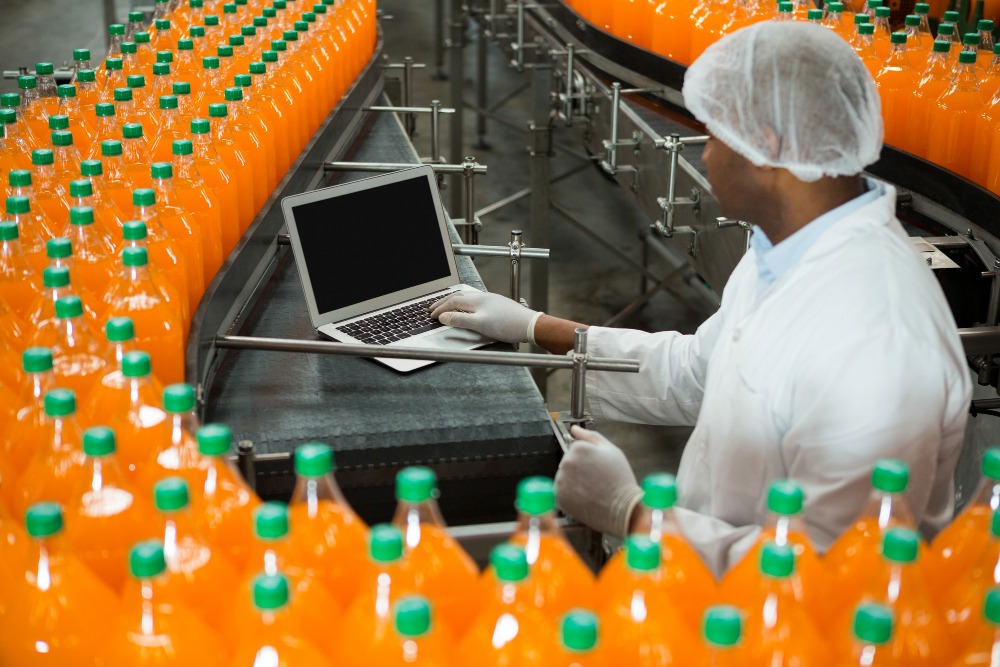
Beverages lead other categories in wellness innovation depth and variety. The focus on functional additives in convenient formats continues accelerating.
Hydration goes beyond water. Electrolyte-enhanced beverages, coconut water with added minerals, and hydration-specific formulations address everything from athletic recovery to hangover prevention.
Energy alternatives to coffee and traditional energy drinks are booming. Yerba mate, guayusa, and adaptogenic coffee alternatives provide energy without jitters or crashes.
Protein beverages evolved from chalky shakes to sophisticated drinks featuring high-quality proteins, pleasant flavors, and additional functional benefits like collagen for skin health or probiotics for gut wellness.
Digestive health beverages containing prebiotics, probiotics, or fermented ingredients address gut health concerns. These position as daily wellness habits rather than occasional treatments.
The beverage category’s innovation advantage comes from faster development cycles, lower formulation barriers, and consumer willingness to try new drinks versus new foods.
Transparency and Clean Label Evolution
Clean label has evolved beyond “no artificial ingredients” into broader cultural expectations for short, recognizable ingredient lists and minimal processing.
But this creates tension with functional foods and beverages. Adding fiber, protein, vitamins, or other functional ingredients often requires additives and processing that conflict with clean label principles.
In 2026, brands face mounting pressure to choose which value to prioritize. Trying to satisfy both functional benefits and clean label often results in compromises that convince no one.
Some brands are succeeding by using whole food sources for functional benefits. Fiber from whole fruits and vegetables, protein from legumes or dairy, vitamins from ingredient combinations rather than synthetic additions.
Others are choosing functionality over clean label, betting that consumers will accept more complex ingredient lists if benefits are compelling and clearly communicated.
Breakfast Reinvention: New Formats and Occasions
Traditional breakfast is transforming. The boundaries between morning, afternoon, and evening eating occasions are blurring as work-from-home patterns and flexible schedules continue.
“Breakfast 2.0” features format innovation beyond cereal and toast. Savory breakfast options, portable protein formats, and breakfast beverages providing nutrition on-the-go are growing.
Breakfast isn’t tied to morning anymore. Late breakfast, all-day breakfast menus, and breakfast-inspired products consumed at any time reflect changing eating patterns.
Coffee shop importance in consumer lives continues growing, particularly as third-place venues where people work, socialize, and consume throughout the day rather than just grabbing morning coffee.
Nostalgia Meets Innovation: “Newstalgia” Trend
Classic flavors and familiar formats are being reinvented with modern sensibilities. This “newstalgia” approach combines comfort of familiar tastes with contemporary health, flavor, or format innovations.
Traditional soda flavors like lemon-lime and cherry are returning, but in better-for-you versions with reduced sugar, added fiber, or functional ingredients.
Retro candy and snack flavors are being reimagined with cleaner ingredients or novel formats.
Comfort foods are being elevated with premium ingredients or nutritional enhancements while maintaining the familiar taste that drives purchase.
This trend works because it provides emotional comfort during uncertain times while meeting current health and quality expectations.
Wrapping Up
Understanding these trends of food and beverage industry helps manufacturers develop products meeting consumer needs while identifying white space opportunities where competition remains limited.
The most successful brands in 2026 won’t chase every trend. They’ll identify which shifts align with their capabilities and consumer base, then execute with authenticity and consistency. Because trends only matter if you can deliver on them profitably and sustainably.
For businesses requiring quality food ingredients to capitalize on these trends, Elchemy connects you with reliable suppliers offering functional fibers, plant proteins, natural flavors, preservatives, and specialty ingredients supporting innovation across the current trends in food and beverage that are defining the market in 2026.