

At a Glance
- Finding the right glycerin soap base supplier starts with matching MP grade, clarity, and origin to your batch, not price alone.
- “Glycerin soap base” almost always means melt-and-pour (MP) in a B2B inquiry: pre-saponified blocks that skip cure time, not cold-process soap made from scratch.
- “Clear” and “transparent” are the same buyer question, not two separate specs. Both describe the additive package, not the glycerin percentage.
- Vegetable-glycerin origin is now the commercial default, not a premium add-on, driven by vegan and cruelty-free retail claims.
- Bulk pricing tracks additive load and purity grade, not just order size. Sorbitol, sucrose, and coconut-oil-derivative content shift both clarity and cost per kg.
- Route to market should follow volume, not preference: distributors fit test and mid-volume orders, direct manufacturers fit container-level, custom-spec orders.
What you’ll learn: how to specify, grade, and source glycerin soap base in bulk, and which sourcing route fits your order volume.
Introduction
Choosing the right glycerin soap base sourcing is where most bulk sourcing mistakes start. A mismatched spec is expensive twice over: once when a private-label batch clouds up or won’t unmold cleanly because the additive package didn’t match the fragrance load, and again when a reorder gets stuck behind an MOQ the buyer didn’t clear the first time. Neither failure is really about “bad soap base.” It’s a sourcing spec problem.
The stakes are rising with the market. Global glycerol demand was valued at roughly $5.5 billion in 2025 and is projected to grow at a CAGR of about 4.9% through 2035, with personal care and cosmetics remaining the largest end-use segment.
This guide covers what “glycerin soap base” means as a spec, how to grade it for clarity and origin claims, how bulk pricing breaks down, and which sourcing route fits which order size. It’s a sourcing guide, not a soap-making tutorial. If you’re ready to spec a batch, you can Request a Quote directly.
What Is Glycerin Soap Base?
Before comparing suppliers or grades, get the terminology straight. Three naming pairs cause most of the confusion in bulk RFQs.
Melt-and-Pour vs. Cold-Process
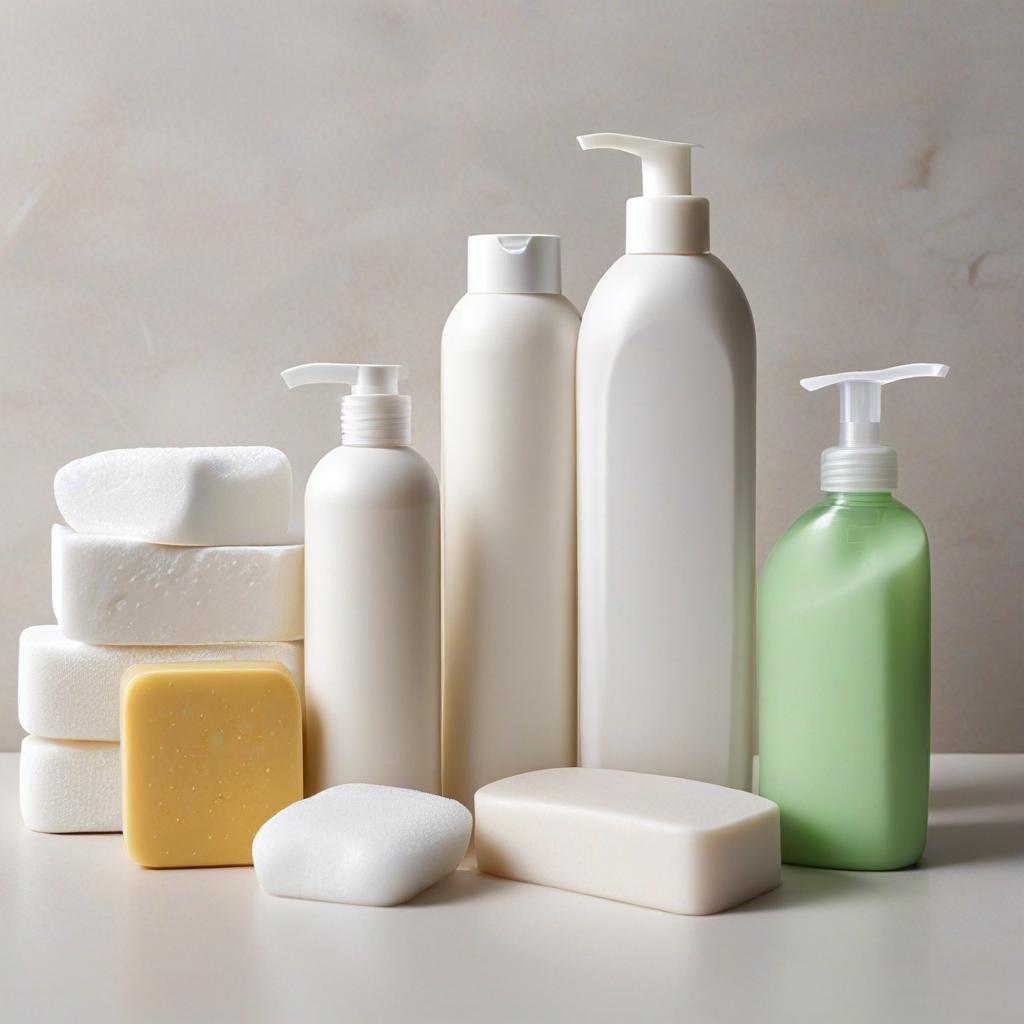
Melt-and-pour (MP) base is glycerin soap already saponified and formed into blocks, chips, or slabs. A buyer melts it, adds fragrance or color, and pours it into molds, no cure time required. Cold-process soap, by contrast, is made from raw oils and lye on-site and needs 4 to 6 weeks to cure.
For contract manufacturers and private-label brands, MP is the default ask nearly every time. Most bulk buyers asking for “glycerin soap base” mean MP unless stated otherwise.
Clear/Transparent vs. Opaque/Vegetable
Clarity in a glycerin soap base comes from the additive package, not from glycerin content alone.
- A clear or transparent base carries a higher load of sugar alcohols (sorbitol, sucrose) that keep the block optically transparent after it cools.
- An opaque or vegetable-forward base carries more oil-derived solids (coconut oil derivatives, plant butters) that improve skin feel but scatter light, turning the block cloudy or solid white.
Buyers searching “clear glycerin soap” and “transparent glycerin soap” are asking the same question, one spec decision, not two.
Vegetable-Glycerin vs. Tallow-Derived Origin
Glycerin can be sourced from vegetable oils (palm, coconut, soy) or from animal fat (tallow) as a byproduct of saponification or biodiesel production. Retail brands making vegan or cruelty-free claims need documented vegetable origin, and that requirement is now the norm rather than the exception: the global cruelty-free cosmetics market is projected to grow from roughly $6.9 billion in 2025 to over $9.6 billion by 2035, and soap sits squarely inside that claim-driven demand.
Request a Sample if you need to verify clarity, scent throw, or lather before committing to a bulk order.
Choosing the Right Grade for Your Application
Once the terminology is settled, the next decision is which grade actually fits your product line and budget.
Grades & Specifications
| Base Type | Clarity | Common Additives | Typical Buyer/Use Case |
| Clear/Transparent MP | High | Sorbitol, sucrose, propylene glycol | Cosmetic and spa retail, guest-facing soap bars |
| Opaque Vegetable MP | Low to none | Coconut oil derivatives, shea/cocoa butter | Natural/vegan-positioned brands, moisturizing bars |
| Fragrance/Color-Ready Base | Varies | Base + neutral carrier for downstream additives | Private-label brands adding their own scent line |
| Plain/Unscented Base | Varies | Minimal additive load | Contract manufacturers doing full custom formulation |
Vegetable-origin and standard glycerin perform differently enough in formulation that it’s worth understanding the vegetable vs standard glycerin for soap tradeoffs before locking in a grade.
Bulk Pricing by Grade
| Pricing Factor | Impact on Cost | Impact on Clarity/Performance |
| Glycerin purity/grade | Primary driver; higher purity = higher landed cost | Higher purity supports better clarity and shelf stability |
| Additive package | Secondary driver; richer packages cost more per kg | Sugar alcohols increase clarity; oil derivatives reduce it but boost skin feel |
| Packaging/drum-pallet size | Bulk block/pallet lowers per-kg cost vs. small chips/slab | No direct clarity impact, but affects handling and melt consistency |
Glycerin purity is the primary cost driver, additive package is secondary, and packaging format is what actually moves your landed cost per kg once grade is fixed.
Recurring buyer segments, in order of order-volume predictability: hospitality and amenity programs, contract manufacturers, and cosmetic formulators.
Sourcing a Glycerin Soap Base Supplier in Bulk
With the spec locked in, sourcing comes down to order tiers and picking the right type of supplier for your volume.
MOQ, Packaging & Ordering
Most suppliers structure orders in tiers: a sample size for testing, a drum for a first production run, and a pallet or container for recurring volume. Lead time depends on whether the order is standard stock or custom to spec. Shelf life generally runs 12 to 24 months when stored correctly, which should set your reorder cadence.
Supplier vs. Distributor vs. Manufacturer
| Sourcing Route | Best For | MOQ Flexibility | Customization | Typical Lead Time |
| Direct-from-manufacturer | High-volume, custom-spec buyers | Low (high MOQ required) | High | Longer (dedicated production run) |
| Distributor/exporter | Test orders, multi-grade POs | High (low MOQ, mixed grades) | Moderate | Shorter (stocked inventory) |
| Broker/trading intermediary | One-off or opportunistic orders | Variable, often unreliable on repeat supply | Low | Variable |
Direct-from-manufacturer sourcing pays off once you’re placing container-level orders with a fixed spec, a tradeoff covered in more depth in our bulk glycerine supplier guide. Below that volume, or with multiple grades in one PO, a distributor holding stock across several grades gets faster turnaround and lower MOQ friction, which is where Elchemy fits: a stocked glycerin (soap-base grade) supplier for buyers who aren’t yet at manufacturer-level MOQ.
Buyer Checklist Before Placing a Bulk Order
Run through this before the PO goes out.
- Confirm the base type you actually need: MP, clear/transparent, or vegetable-origin.
- Request a COA and full spec sheet before ordering, not after.
- Verify glycerin origin documentation if a vegan claim is required downstream.
- Confirm fragrance, color, and additive compatibility with your intended formulation.
- Check quoted MOQ against your actual batch size.
- Clarify packaging format and confirm shelf life against your reorder cycle.
- Confirm what compliance documentation your target market requires before shipping.
Quality, Compliance & Storage
Grade and pricing aside, a bulk order still needs paperwork and correct handling to hold its spec through shipping.
A cosmetic-grade glycerin soap base should come with a COA and spec sheet as standard, not on request. If you’re making a vegetable-origin or vegan claim, ask for origin documentation specifically, purity certification alone doesn’t cover it.
Storage matters more than buyers expect: keep base cool and dry, since temperature swings are a common cause of clouding in an otherwise correctly-specified clear base.
Documentation requirements vary by market. ECHA guidance notes that EU buyers should treat cosmetic ingredients as potentially needing separate registration under REACH, even when the finished product itself is regulated under the EU Cosmetics Regulation, while US shipments need FDA cosmetic ingredient status confirmed.
Choosing a Glycerin Soap Base Supplier
Weigh these tradeoffs once your grade and volume are set.
Buyers below manufacturer-level MOQ, or needing more than one grade in a single PO, are consistently better served by a distributor holding stock across grades. Brands building a vegan or natural line specifically should weigh vegetable glycerin for natural soap bases against a standard buy before finalizing a spec.
FAQs
Is glycerin soap base the same as melt-and-pour soap base?
Yes, essentially. “Melt-and-pour” refers to the method: a pre-made base you melt and pour into molds. Glycerin base is the most common type used this way, so the terms are used interchangeably. Technically, melt-and-pour also includes other bases like shea, goat milk, or honey, but if unspecified, it’s almost always glycerin.
What’s the difference between clear and transparent glycerin soap?
None; both terms describe the same optically clear base, achieved by balancing sugar, alcohol, and glycerin during production to prevent clouding. The real distinction to watch for isn’t “clear” vs. “transparent,” but clear/transparent vs. opaque, since opaque bases use different fats or added opacifiers like titanium dioxide.
Is glycerin soap base vegan or vegetable-based by default?
Not automatically. Glycerin can come from plant oils or animal fat, and both look identical on paper. Most commercial bases now use vegetable-derived glycerin, but other ingredients (goat milk, honey, beeswax) may not be vegan. A real vegan claim needs supplier documentation or certification, not just assumption.
What’s the minimum order quantity for bulk glycerin soap base?
It depends on the source. Distributors offer lower MOQs, often starting at case or drum quantities, good for testing or smaller businesses. Manufacturers require much higher volumes, typically pallet or container loads, since production runs in large batches. Cost per kg drops with volume, but so does flexibility.
Can glycerin soap base be pre-customized with fragrance or color?
Yes, but it’s treated as a custom production run, not stock inventory. Expect longer lead times, possible batch minimums, and added compliance steps like IFRA fragrance approval or cosmetic-grade colorants. Some manufacturers bundle this with private labeling too, so it’s worth asking if you’re scaling toward retail.
Conclusion
Melt-and-pour is the default spec for nearly every bulk buyer, clear and transparent describe the same product rather than two separate lines, and vegetable origin has moved from a niche claim to a standard commercial expectation. None of that matters if the sourcing route doesn’t match your actual order volume: a distributor holding multiple grades in stock serves a test batch or multi-grade PO far better than a manufacturer built for container-level runs, and the reverse holds once you’re ordering at scale with a fixed spec.
Get the grade and origin spec right first, verify the documentation your market requires, and only then choose your supplier by order volume rather than habit. Elchemy works as a glycerin (soap-base grade) supplier for exactly this stage of buyer, so reach out when you’re ready to move a batch from spec to quote.