Products
Our Technology
Sustainability & Compliance

Home/Products/Sodium Bicarbonate

Sodium Bicarbonate

Sodium Bicarbonate

ELRASATM – NaBCT G2

Get Pricing for This Product

Need pricing? Request a quote for this product and we'll get back to you shortly.

Speed Up Your Sample Testing Process

Express Delivery in 24–48 Hours

Elchemy supplies ELRASA™-SBC Sodium Bicarbonate (also known as baking soda or sodium hydrogen carbonate) in bulk to food, pharmaceutical, personal care, and industrial buyers across 40+ countries.

CAS Number

144-55-8

HS Code

28.36.30.00

INCI Name

Sodium Bicarbonate

Molecular Formula

NaHCO3

Home/Products/Sodium Bicarbonate

Sodium Bicarbonate

ELRASATM – NaBCT G2

Elchemy supplies ELRASA™-SBC Sodium Bicarbonate (also known as baking soda or sodium hydrogen carbonate) in bulk to food, pharmaceutical, personal care, and industrial buyers across 40+ countries. Sodium bicarbonate is one of the most versatile industrial chemicals in commercial

CAS Number

144-55-8

INCI Name

Sodium Bicarbonate

HS Code

28.36.30.00

Molecular Formula

NaHCO3

Get Pricing for This Product

Need pricing? Request a quote for this product and we'll get back to you shortly.

Speed Up Your Sample Testing Process

We deliver domestic samples within 24 - 48 hours, helping you evaluate products and move to procurement without delays.

Sodium Bicarbonate

Product Specification

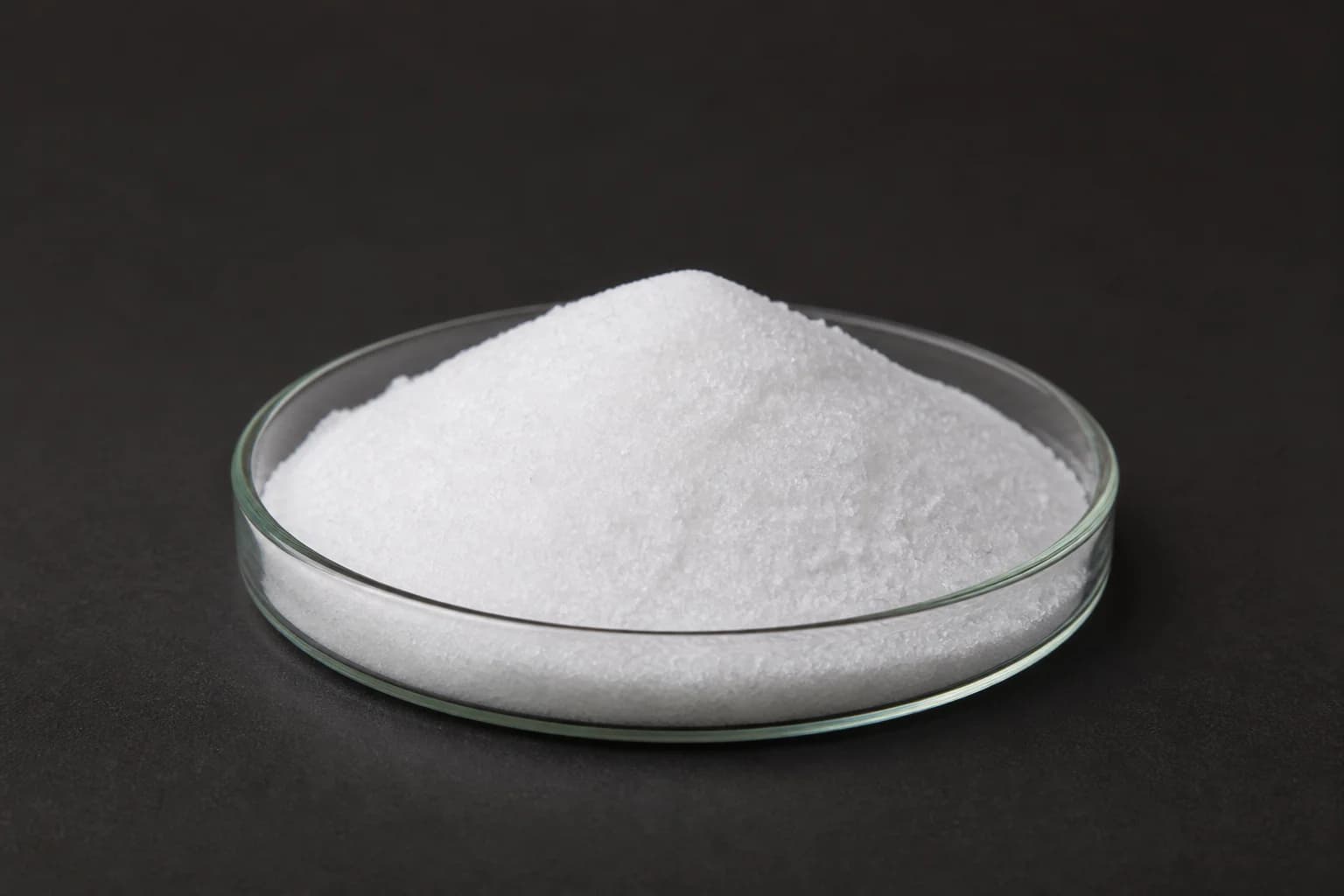
AppearanceWhite Crystals
OdorOdorless
Molecular Weight84.007 g/mol
Density / Specific Gravity2.20 g/cm³
ViscosityNot applicable
Refractive Indexnα = 1.377, nβ = 1.501, nγ = 1.583
Ph (1% Aqueous Solution)8.8 Max.
Assay / Purity99.20% Min. (as Total Alkalinity, NaHCO₃)

Physical Properties

PropertySpecification
AppearanceWhite Crystals
OdorOdorless
Molecular Weight84.007 g/mol
Density / Specific Gravity2.20 g/cm³
ViscosityNot applicable
Refractive Indexnα = 1.377, nβ = 1.501, nγ = 1.583
Ph (1% Aqueous Solution)8.8 Max.
Assay / Purity99.20% Min. (as Total Alkalinity, NaHCO₃)

Chemical Properties

PropertySpecification
Pka6.351 (for carbonic acid)
Ionic NatureIonic compound; dissociates in water into sodium (Na+) and bicarbonate (HCO₃⁻) ions.
IncompatibilitiesReacts with acids, releasing carbon dioxide. Stable in dry air, but slowly decomposes in moist air. Incompatible with strong oxidizing agents.
Hazardous Decomposition ProductsWhen heated, decomposes to sodium carbonate (Na₂CO₃), water (H₂O), and carbon dioxide (CO₂).

Thermal Properties

PropertySpecification
Melting PointDecomposes on heating.
Boiling PointNot applicable; decomposes before boiling.
Flash PointIncombustible / Not applicable.
Autoignition TemperatureNot applicable.
Decomposition TemperatureBegins to decompose starting at 50 °C (122 °F). The conversion is faster at 200 °C (392 °F).
Thermal StabilityStable under normal conditions but decomposes upon heating above 50°C.

Processing Methods & Reference Formulations

A. Basic Bath Bomb

A simple formulation that produces effervescence when added to water, releasing citric acid and sodium bicarbonate.

Key IngredientsIndicative Dosage (% w/w)
Sodium Bicarbonate50.0%
Citric Acid25.0%
Corn Starch12.5%
Epsom Salt (Magnesium Sulfate)12.5%
Fragrance/Essential Oilq.s.
Colorantq.s.

B. Baking Powder (Double-Acting)

A leavening agent for baked goods that releases carbon dioxide gas at two different stages: once when it becomes moist, and again when heated.

Key IngredientsIndicative Dosage (% w/w)
Corn Starch43.0%
Sodium Bicarbonate30.0%
Monocalcium Phosphate22.0%
Sodium Aluminum Sulfate5.0%

Dosing Guidelines

A. Dosing by Application

ApplicationRecommended / Max Dosage
Leavening Agent in Baked Goods0.5% - 2.0% of flour weight
pH Regulator in BeveragesQuantum satis (as needed to achieve desired pH)
Effervescent Tablets20% - 40%
Antacid Formulations500 mg - 2000 mg per dose
Dry-Mix BeveragesQuantum satis (used with an acid to produce carbonation)

About Sodium Bicarbonate

Sodium bicarbonate occupies an unusual position in industrial chemistry: it's one of the few materials where the same chemical compound serves food, pharmaceutical, and heavy-industrial supply chains, with the difference being entirely in the grade and purity rather than the chemistry. A baker, a dialysis solution manufacturer, and a coal-fired power plant all buy NaHCO3, but to very different specifications.


The defining behavior is its thermal decomposition profile. When heated above 80 °C, sodium bicarbonate breaks down into sodium carbonate, water, and carbon dioxide. That single reaction is what drives leavening in an oven, suppression in a fire extinguisher, and acid-gas removal in flue gas treatment. It's also why packaging integrity matters more than most industrial buyers realize — moisture and heat both compromise it over time.


Sodium bicarbonate (CAS 144-55-8) is FDA GRAS-listed for food use and recognized by major pharmacopeias for pharmaceutical applications. Procurement teams placing bulk orders track the sodium bicarbonate price since it sits among the more volume-intensive ingredient cost lines in bakery, dialysis, and FGD applications.


Manufacturing Process of Sodium Bicarbonate

Two main industrial routes produce commercial sodium bicarbonate. The dominant global route is the Solvay process, in which sodium carbonate (soda ash) solution is reacted with carbon dioxide to precipitate sodium bicarbonate. This is then filtered, washed, and dried into a uniform crystalline powder.


The second major route is refining of naturally occurring trona ore, which is the dominant production route in the United States (Wyoming holds the world's largest trona reserves). Trona-based sodium bicarbonate is sometimes positioned as "natural" or "mined" in commercial documentation, though the finished product chemistry is identical regardless of route.


Producers control crystal size, bulk density, and moisture content carefully to meet the specific requirements of food, pharmaceutical, or industrial grades. Particle size in particular is a meaningful spec variable. The drying and milling stage that determines particle size also influences the sodium bicarbonate powder price for finer grades, since micronization adds processing cost. Every shipment Elchemy supplies is tested for bicarbonate content, carbonate content, chloride, heavy metals, and moisture against the grade specification before dispatch, with a Certificate of Analysis travelling alongside each order.


Sodium Bicarbonate Price: Bulk Pricing for Industrial Buyers

If you're looking for current sodium bicarbonate pricing for bulk procurement, Elchemy provides quotes based on your specific requirements. Fill out the quote request form with the required details, such as volume, grade (food, pharma, or industrial), particle size, destination, and any other relevant information about your procurement, and our team will revert with a detailed offer within 24 to 48 hours.


Sodium bicarbonate pricing reflects a stack of inputs: soda ash or trona feedstock costs, energy required for crystallization and drying, particle size processing for finer grades, certifications (FCC, USP/EP), packaging format, and logistics.


For trial procurement and smaller commercial runs, buyers often reference the sodium bicarbonate price per kg in trade publications as a benchmark when evaluating supplier quotes.


For high-volume industrial users running continuous bakery, FGD, or dialysis production, the sodium bicarbonate bulk price is the most relevant commercial benchmark, with the final rate driven by grade, volume committed, packaging format, and contract structure.


For packaged orders in standard formats, the sodium bicarbonate 25kg price is a useful indicator since 25 kg bags are the dominant global packaging unit for mid-volume buyers, though actual rates vary with grade, certification requirements, and destination.


Regional reporting also matters. International procurement teams comparing sourcing options often track the sodium bicarbonate price in India alongside US trona-based production and other origin-country benchmarks, since India is one of several meaningful production hubs alongside the US, China, and EU producers. These regional references are useful as relative indicators rather than fixed rates.


For an exact rate, none of these references replace a direct quote. The actual price depends on grade, particle size, volume, certifications, packaging, contract structure, and destination, all of which the quote process captures.


Why Choose Elchemy as a Trusted Sodium Bicarbonate Supplier?

Elchemy supplies high-purity sodium bicarbonate across food (FCC), pharmaceutical (USP/EP), and technical grades, with multiple particle size options to match application requirements. Every batch ships with a Certificate of Analysis covering bicarbonate content, carbonate content, heavy metals, and moisture against the grade specification.


For US buyers, domestic stock from our US warehouses cuts lead time when timelines are tight. Sodium bicarbonate is TSCA-listed and ships with full regulatory documentation appropriate to the grade supplied. Halal, Kosher, vegan, and non-GMO compliant grades are available on request for buyers serving specific market segments. Flexible Incoterms (FOB, CIF, or DDP) give your procurement team room to structure the deal the way it works best.


Elchemy ships into 40+ countries with samples available for qualification before any bulk order, and pricing based on grade, particle size, volume, certifications, destination, and contract terms.


Safety & Handling

Sodium bicarbonate is one of the most benign industrial chemicals in common commercial use. It is non-toxic, non-hazardous, not classified as a dangerous good for transport, and widely consumed and used in direct contact with food, skin, and the human body across countless applications.


Standard handling practices apply: keep packaging sealed to prevent moisture pickup, store away from acids and direct heat, and follow good manufacturing practices appropriate to the end application. Workers handling fine powder should wear dust masks to avoid respiratory irritation from airborne particles, particularly in continuous bulk handling operations.


The product is generally stable under recommended storage conditions, but prolonged exposure to humidity can cause caking, and temperatures above 80 °C will begin to decompose the bicarbonate to sodium carbonate, water, and CO2. Store below 50 °C (122 °F) for best results.


The full GHS-aligned SDS is available alongside material orders for reference.


  • Multi-Purpose Use: Suitable for food, pharma, and industrial sectors with competitive sodium bicarbonate price
  • Safe and Non-Toxic: Ideal for human consumption and household applications
  • Highly Soluble: Easy to use in various formulations
  • Cost Effective: Bulk sourcing supported by optimized sodium bicarbonate bulk price
  • Consistent Supply: Available in bulk packaging with reliable sodium bicarbonate 25kg price

About Sodium Bicarbonate

Sodium bicarbonate occupies an unusual position in industrial chemistry: it's one of the few materials where the same chemical compound serves food, pharmaceutical, and heavy-industrial supply chains, with the difference being entirely in the grade and purity rather than the chemistry. A baker, a dialysis solution manufacturer, and a coal-fired power plant all buy NaHCO3, but to very different specifications.


The defining behavior is its thermal decomposition profile. When heated above 80 °C, sodium bicarbonate breaks down into sodium carbonate, water, and carbon dioxide. That single reaction is what drives leavening in an oven, suppression in a fire extinguisher, and acid-gas removal in flue gas treatment. It's also why packaging integrity matters more than most industrial buyers realize — moisture and heat both compromise it over time.


Sodium bicarbonate (CAS 144-55-8) is FDA GRAS-listed for food use and recognized by major pharmacopeias for pharmaceutical applications. Procurement teams placing bulk orders track the sodium bicarbonate price since it sits among the more volume-intensive ingredient cost lines in bakery, dialysis, and FGD applications.


Manufacturing Process of Sodium Bicarbonate

Two main industrial routes produce commercial sodium bicarbonate. The dominant global route is the Solvay process, in which sodium carbonate (soda ash) solution is reacted with carbon dioxide to precipitate sodium bicarbonate. This is then filtered, washed, and dried into a uniform crystalline powder.


The second major route is refining of naturally occurring trona ore, which is the dominant production route in the United States (Wyoming holds the world's largest trona reserves). Trona-based sodium bicarbonate is sometimes positioned as "natural" or "mined" in commercial documentation, though the finished product chemistry is identical regardless of route.


Producers control crystal size, bulk density, and moisture content carefully to meet the specific requirements of food, pharmaceutical, or industrial grades. Particle size in particular is a meaningful spec variable. The drying and milling stage that determines particle size also influences the sodium bicarbonate powder price for finer grades, since micronization adds processing cost. Every shipment Elchemy supplies is tested for bicarbonate content, carbonate content, chloride, heavy metals, and moisture against the grade specification before dispatch, with a Certificate of Analysis travelling alongside each order.


Sodium Bicarbonate Price: Bulk Pricing for Industrial Buyers

If you're looking for current sodium bicarbonate pricing for bulk procurement, Elchemy provides quotes based on your specific requirements. Fill out the quote request form with the required details, such as volume, grade (food, pharma, or industrial), particle size, destination, and any other relevant information about your procurement, and our team will revert with a detailed offer within 24 to 48 hours.


Sodium bicarbonate pricing reflects a stack of inputs: soda ash or trona feedstock costs, energy required for crystallization and drying, particle size processing for finer grades, certifications (FCC, USP/EP), packaging format, and logistics.


For trial procurement and smaller commercial runs, buyers often reference the sodium bicarbonate price per kg in trade publications as a benchmark when evaluating supplier quotes.


For high-volume industrial users running continuous bakery, FGD, or dialysis production, the sodium bicarbonate bulk price is the most relevant commercial benchmark, with the final rate driven by grade, volume committed, packaging format, and contract structure.


For packaged orders in standard formats, the sodium bicarbonate 25kg price is a useful indicator since 25 kg bags are the dominant global packaging unit for mid-volume buyers, though actual rates vary with grade, certification requirements, and destination.


Regional reporting also matters. International procurement teams comparing sourcing options often track the sodium bicarbonate price in India alongside US trona-based production and other origin-country benchmarks, since India is one of several meaningful production hubs alongside the US, China, and EU producers. These regional references are useful as relative indicators rather than fixed rates.


For an exact rate, none of these references replace a direct quote. The actual price depends on grade, particle size, volume, certifications, packaging, contract structure, and destination, all of which the quote process captures.


Why Choose Elchemy as a Trusted Sodium Bicarbonate Supplier?

Elchemy supplies high-purity sodium bicarbonate across food (FCC), pharmaceutical (USP/EP), and technical grades, with multiple particle size options to match application requirements. Every batch ships with a Certificate of Analysis covering bicarbonate content, carbonate content, heavy metals, and moisture against the grade specification.


For US buyers, domestic stock from our US warehouses cuts lead time when timelines are tight. Sodium bicarbonate is TSCA-listed and ships with full regulatory documentation appropriate to the grade supplied. Halal, Kosher, vegan, and non-GMO compliant grades are available on request for buyers serving specific market segments. Flexible Incoterms (FOB, CIF, or DDP) give your procurement team room to structure the deal the way it works best.


Elchemy ships into 40+ countries with samples available for qualification before any bulk order, and pricing based on grade, particle size, volume, certifications, destination, and contract terms.


Safety & Handling

Sodium bicarbonate is one of the most benign industrial chemicals in common commercial use. It is non-toxic, non-hazardous, not classified as a dangerous good for transport, and widely consumed and used in direct contact with food, skin, and the human body across countless applications.


Standard handling practices apply: keep packaging sealed to prevent moisture pickup, store away from acids and direct heat, and follow good manufacturing practices appropriate to the end application. Workers handling fine powder should wear dust masks to avoid respiratory irritation from airborne particles, particularly in continuous bulk handling operations.


The product is generally stable under recommended storage conditions, but prolonged exposure to humidity can cause caking, and temperatures above 80 °C will begin to decompose the bicarbonate to sodium carbonate, water, and CO2. Store below 50 °C (122 °F) for best results.


The full GHS-aligned SDS is available alongside material orders for reference.


  • Multi-Purpose Use: Suitable for food, pharma, and industrial sectors with competitive sodium bicarbonate price
  • Safe and Non-Toxic: Ideal for human consumption and household applications
  • Highly Soluble: Easy to use in various formulations
  • Cost Effective: Bulk sourcing supported by optimized sodium bicarbonate bulk price
  • Consistent Supply: Available in bulk packaging with reliable sodium bicarbonate 25kg price

Regulatory Compliance

RegionMax Allowed LevelNotesCertification Body
United States-Affirmed as Generally Recognized as Safe (GRAS) for direct use in food.FDA registration for food facilities, Conformance with USP (United States Pharmacopeia) and FCC (Food Chemicals Codex) standards is common for food and pharma grades.
European Union-Approved as a food additive, designated as E 500(ii). It functions as an acidity regulator and raising agent.REACH registration may be required for manufacturers/importers, Compliance with Regulation (EC) No 1333/2008 on food additives.
Canada-Listed in Health Canada's "List of Permitted Acidity Regulators, pH Adjusting Agents and Water Correcting Agents" for use in various unstandardized foods.No specific certifications beyond standard import and food safety requirements.
India-Recognized as a food additive under the Food Safety and Standards (Food Products Standards and Food Additives) Regulations.FSSAI license for manufacturers, importers, and distributors, Conformance to IS 2124 standard for Sodium Bicarbonate, Food Grade.
Japan-Listed as an existing food additive under the Food Sanitation Act.Compliance with Japan's Specifications and Standards for Food Additives.
Australia-Listed in Schedule 15 of the Australia New Zealand Food Standards Code as a permitted food additive.Standard import and food safety compliance.
China-Approved for use as a food additive (acidity regulator, raising agent) under standard GB 2760.Compliance with national food safety standards (e.g., GB 1886.2 for Sodium Bicarbonate).
Korea, Republic of-Listed in the Korean Food Additives Code.Standard import and food safety compliance as per the Ministry of Food and Drug Safety (MFDS).
ASEAN-Permitted for use in cosmetic products under the ASEAN Cosmetic Directive without specific concentration limits.Product notification with the regulatory authority of the respective ASEAN member state.

FAQs - Sodium Bicarbonate

What is sodium bicarbonate used for?
Sodium bicarbonate has numerous uses, including as a leavening agent in baking, a household cleaner and deodorizer, a fire extinguisher agent, a medical antacid, and in various industrial applications.
Is sodium bicarbonate the same as baking powder?
No, they are not the same. Baking powder contains sodium bicarbonate, but it also includes an acidic component (usually cream of tartar) and a moisture absorber. This allows baking powder to react and produce carbon dioxide gas, which causes baked goods to rise.
Can sodium bicarbonate be used for cleaning?
Yes, sodium bicarbonate is an effective and versatile household cleaner. It can be used to scrub surfaces, remove stains, deodorize carpets and upholstery, and even as a mild abrasive for cleaning pots and pans.
Can sodium bicarbonate be used for medical purposes?
Yes, sodium bicarbonate has several medical uses. It is commonly used as an antacid to neutralize stomach acid and relieve heartburn. It is also used intravenously to treat certain medical conditions such as metabolic acidosis.
Is sodium bicarbonate gluten-free?
Yes, sodium bicarbonate is naturally gluten-free, making it a safe ingredient for individuals with gluten sensitivity or celiac disease.

Related Products

Phosphoric Acid

Phosphoric Acid

With the chemical formula H3PO4, phosphoric acid is an inorganic, colorless, and odorless substance. A common ingredient in fertilizers, it is a significant industrial chemical. Take away all three H+ ions and it forms esters known as organophosphates. Aside from being an external standard for phosphorus-NMR, phosphoric acid is also used as an anti-rust treatment and to stop iron oxidation. Chemical metal polishing, microfabrication, skincare, dairy, food, and compound semiconductor manufacturing are some of the other sectors that employ it.

View Details
Soda Ash

Soda Ash

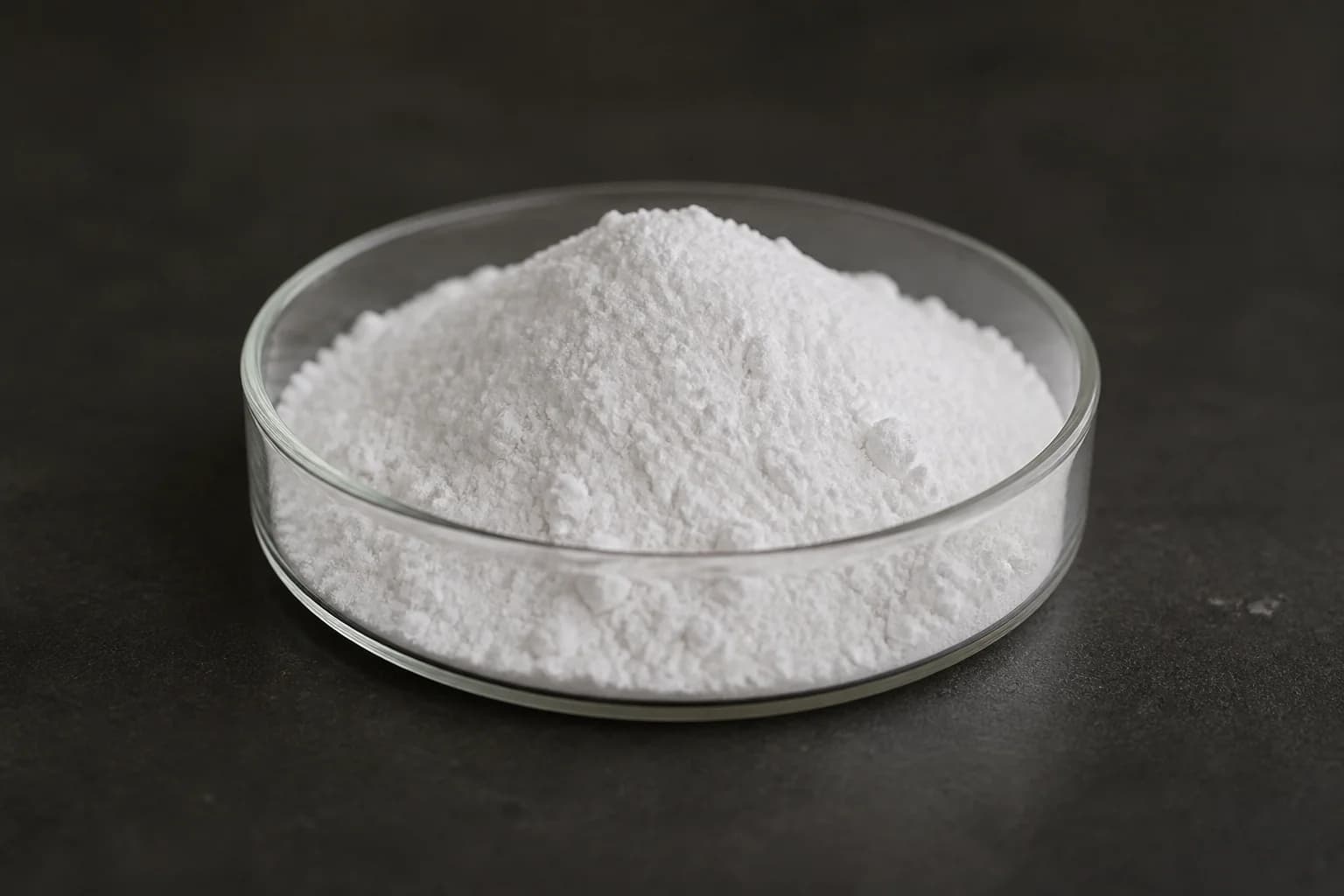
Two industries dominate global soda ash demand: glass manufacturing and detergents. They use the same chemical compound, sodium carbonate, but in physically different forms. Glass plants need dense soda ash for the free-flowing batch handling their furnaces require. Detergent makers need light soda ash that dissolves rapidly into formulation. Buying the wrong grade creates real operational problems downstream, which is why grade selection is the first procurement decision soda ash buyers actually make. Elchemy supplies ELRASA™-SAL Soda Ash in both dense and light grades to industrial buyers across 40+ countries, with quality matched to glass-grade, detergent-grade, and chemical-processing-grade specifications. Domestic stock is also held at our US warehouses for faster fulfillment.

View Details
Potassium Hydroxide

Potassium Hydroxide

Caustic Potash, also known as Potassium Hydroxide (KOH), is a strong alkali widely used in numerous industrial applications. It is produced through the electrolysis of potassium chloride solution, resulting in a white solid or clear liquid with powerful reactivity. As one of the leading producers and manufacturers of caustic potash worldwide, Elchemy ensures consistent quality, purity, and a reliable supply to serve a wide range of industries, including custom chemical manufacturing, fertilizers, pharmaceuticals, and food processing.

View Details
Caustic Soda Flakes

Caustic Soda Flakes

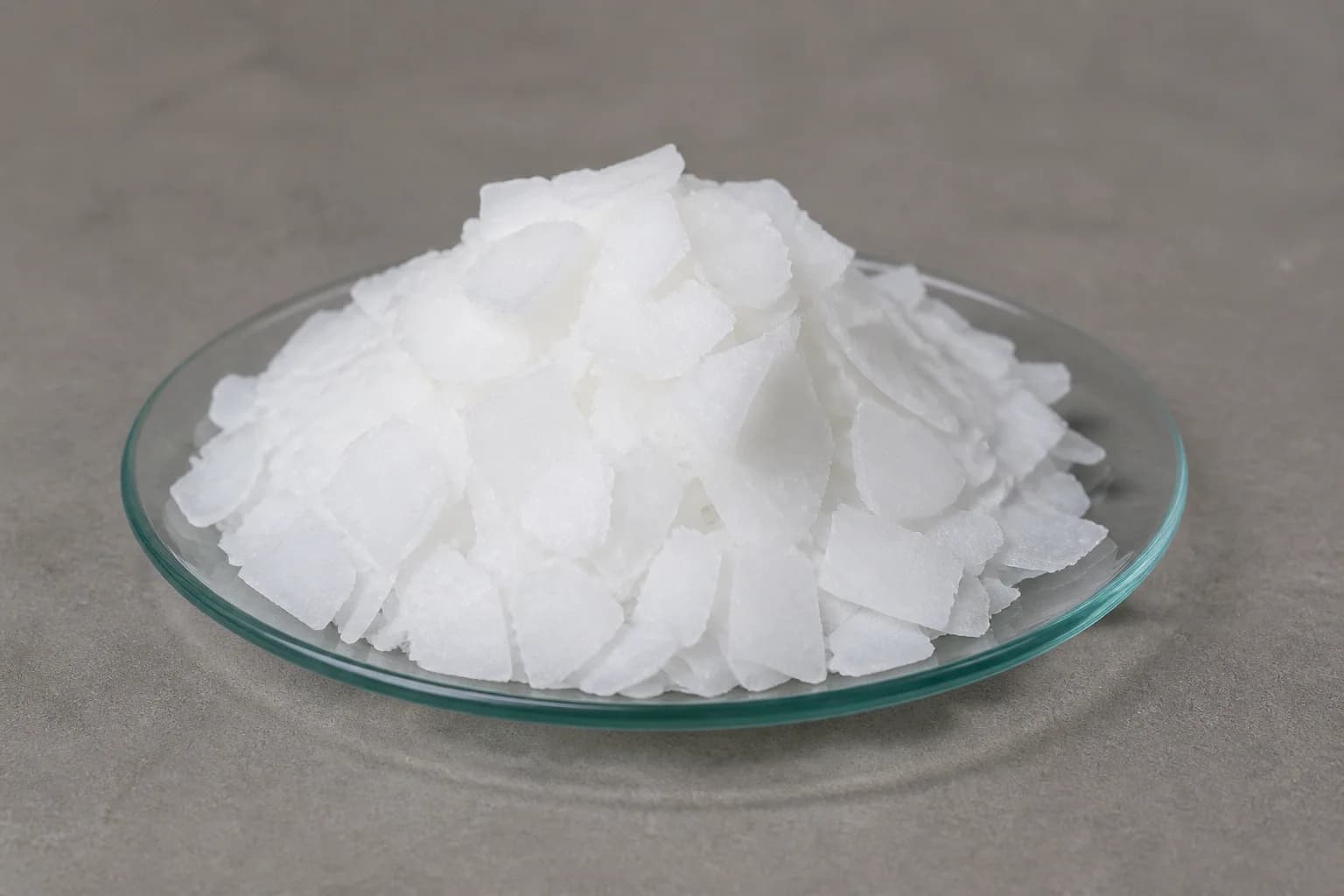
Caustic soda flakes, also known as sodium hydroxide flakes, are a solid form of caustic soda (NaOH) that appear white and crystalline. Highly soluble in water, these flakes produce a strong alkaline solution. As one of the most potent alkalis, caustic soda is extremely corrosive and widely recognized for its versatility across industrial sectors. It remains one of the most essential chemical compounds produced and supplied by leading caustic soda producers worldwide.

View Details

Related Products

Phosphoric Acid

Phosphoric Acid

With the chemical formula H3PO4, phosphoric acid is an inorganic, colorless, and odorless substance. A common ingredient in fertilizers, it is a significant industrial chemical. Take away all three H+ ions and it forms esters known as organophosphates. Aside from being an external standard for phosphorus-NMR, phosphoric acid is also used as an anti-rust treatment and to stop iron oxidation. Chemical metal polishing, microfabrication, skincare, dairy, food, and compound semiconductor manufacturing are some of the other sectors that employ it.

View Details
Soda Ash

Soda Ash

Two industries dominate global soda ash demand: glass manufacturing and detergents. They use the same chemical compound, sodium carbonate, but in physically different forms. Glass plants need dense soda ash for the free-flowing batch handling their furnaces require. Detergent makers need light soda ash that dissolves rapidly into formulation. Buying the wrong grade creates real operational problems downstream, which is why grade selection is the first procurement decision soda ash buyers actually make. Elchemy supplies ELRASA™-SAL Soda Ash in both dense and light grades to industrial buyers across 40+ countries, with quality matched to glass-grade, detergent-grade, and chemical-processing-grade specifications. Domestic stock is also held at our US warehouses for faster fulfillment.

View Details
Potassium Hydroxide

Potassium Hydroxide

Caustic Potash, also known as Potassium Hydroxide (KOH), is a strong alkali widely used in numerous industrial applications. It is produced through the electrolysis of potassium chloride solution, resulting in a white solid or clear liquid with powerful reactivity. As one of the leading producers and manufacturers of caustic potash worldwide, Elchemy ensures consistent quality, purity, and a reliable supply to serve a wide range of industries, including custom chemical manufacturing, fertilizers, pharmaceuticals, and food processing.

View Details
Caustic Soda Flakes

Caustic Soda Flakes

Caustic soda flakes, also known as sodium hydroxide flakes, are a solid form of caustic soda (NaOH) that appear white and crystalline. Highly soluble in water, these flakes produce a strong alkaline solution. As one of the most potent alkalis, caustic soda is extremely corrosive and widely recognized for its versatility across industrial sectors. It remains one of the most essential chemical compounds produced and supplied by leading caustic soda producers worldwide.

View Details

Streamline
your chemical
procurement

Get fast responses from real experts

Phone