Polyols

Get Pricing for This Product
Need pricing? Request a quote for this product and we'll get back to you shortly.
 Free Samples Available
Speed Up Your Sample Testing Process
We deliver domestic samples within 24 - 48 hours, helping you evaluate product without delays.
Polyols are versatile compounds used primarily in the production of polyurethanes, coatings, adhesives, and sealants. They are essential for creating flexible and rigid foams, elastomers, and other…
CAS Number
Not applicable
HS Code
3907.20
INCI Name
-
Molecular Formula
-
Polyols
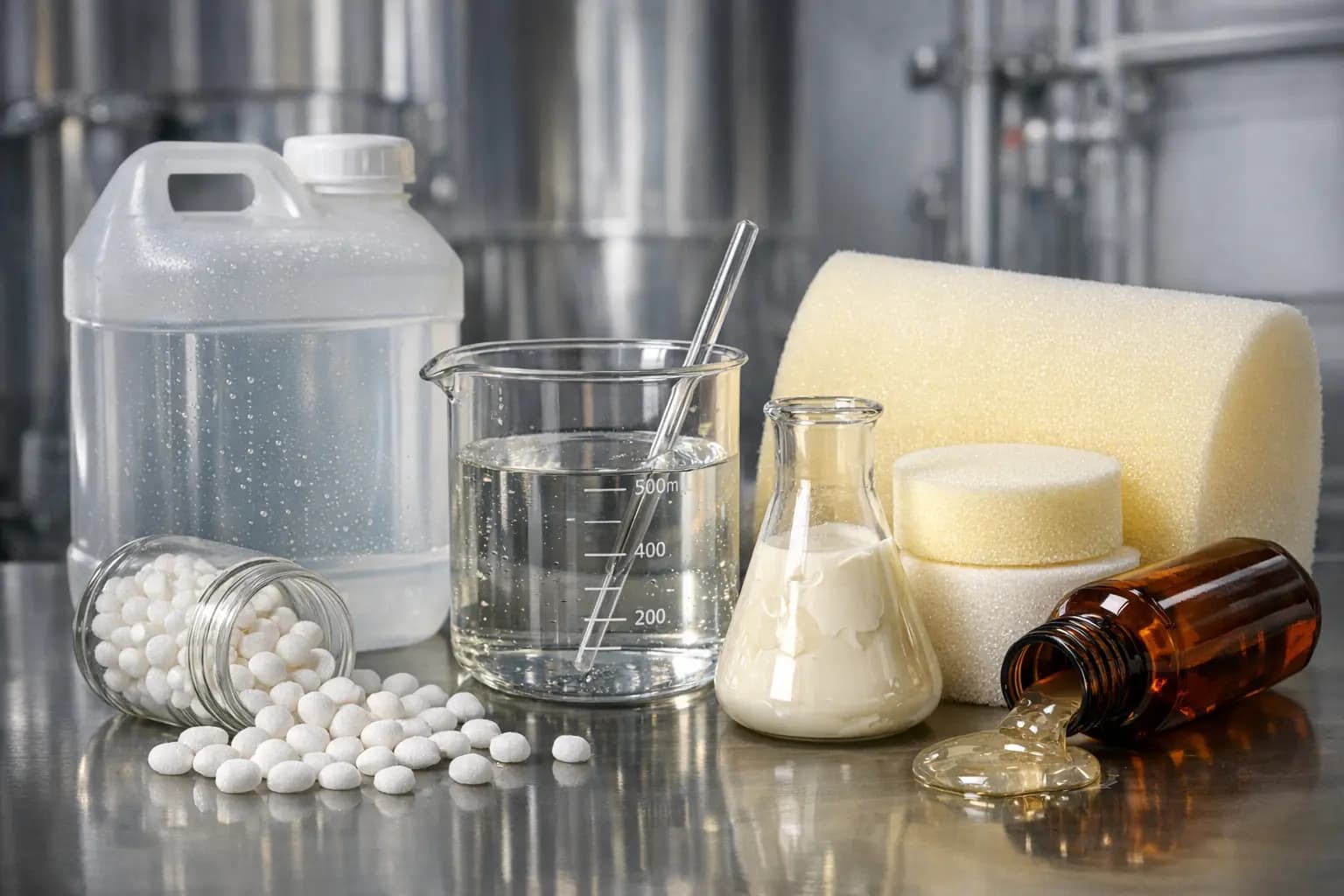
Polyols are versatile compounds used primarily in the production of polyurethanes, coatings, adhesives, and sealants. They are essential for creating flexible and rigid foams, elastomers, and other polymeric materials.
CAS Number
Not applicable
INCI Name
-
HS Code
3907.20
Molecular Formula
-
Get Pricing for This Product
Need pricing? Request a quote for this product and we'll get back to you shortly.
Free Samples AvailableSpeed Up Your Sample Testing Process
We deliver domestic samples within 24 - 48 hours, helping you evaluate product without delays.
 By
By
Specialty chemicals, delivered right
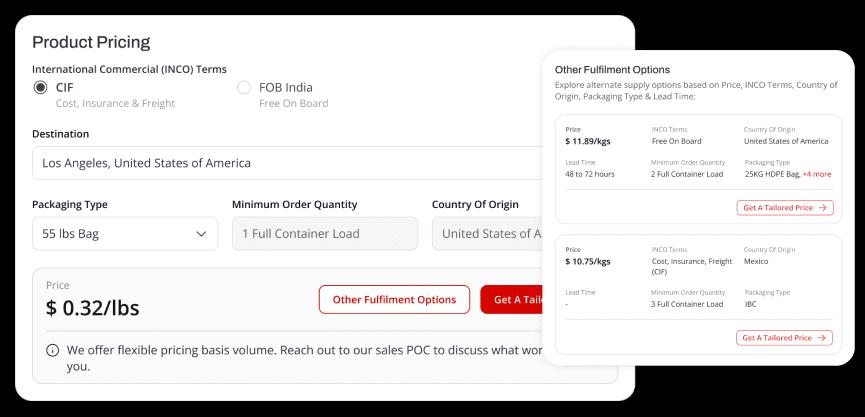
Access live, grade-specific pricing for every chemical, so your teams talks with data, not intuition on Elixir.
Compare fulfilment options across grades, INCO terms, origins, and lead times: all in one platform.

Live, transparent pricing
Real-time quotes across 12,000+ specialty chemicals.


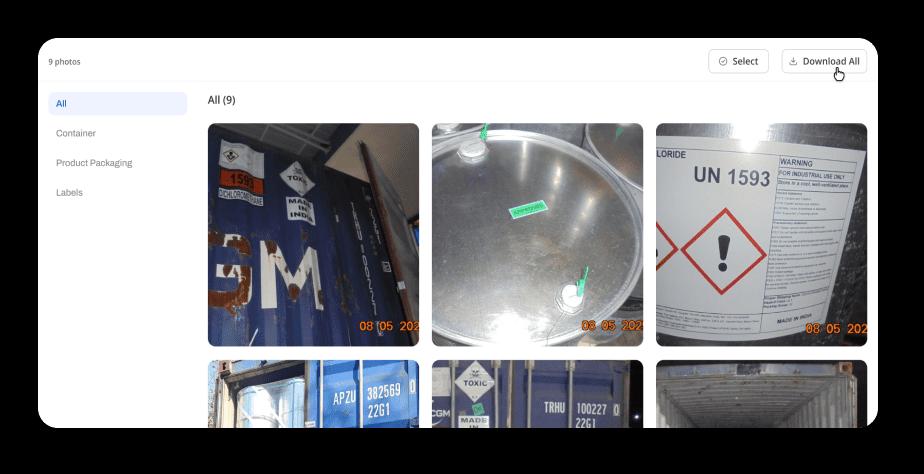
About Polyols
Polyols are a critical component in the chemical industry, known for their role in producing polyurethanes, coatings, adhesives, and sealants. These compounds are valued for their versatility and ability to enhance the performance of various materials. As a key ingredient in the production of flexible and rigid foams, polyols are indispensable in numerous industrial applications.
With a strong presence in North America and a global reach, Elchemy is a leading supplier of high-quality polyols. Our commitment to quality and reliability ensures that our customers receive the best products for their needs.
Manufacturing Process of Polyols
Polyols are produced through the polymerization of epoxides, such as ethylene oxide or propylene oxide, with an initiator compound. This process results in polyether polyols, which are widely used in the industry. Polyester polyols, another type, are synthesized through the polycondensation of diols and dicarboxylic acids. The choice of feedstocks and production methods influences the purity and properties of the final product.
Leading polyols manufacturers and polyols suppliers focus on optimizing these processes to deliver high-performance materials for various applications.
Polyols Price: Bulk Pricing for Industrial Buyers
The price of polyols is influenced by factors such as raw material costs, production methods, and market demand. Industrial buyers can obtain competitive pricing by purchasing in bulk from Elchemy. Our team provides personalized quotes and ensures timely delivery to meet your procurement needs.
For accurate pricing and availability, contact Elchemy directly to discuss your specific requirements.
Packaging & Logistics
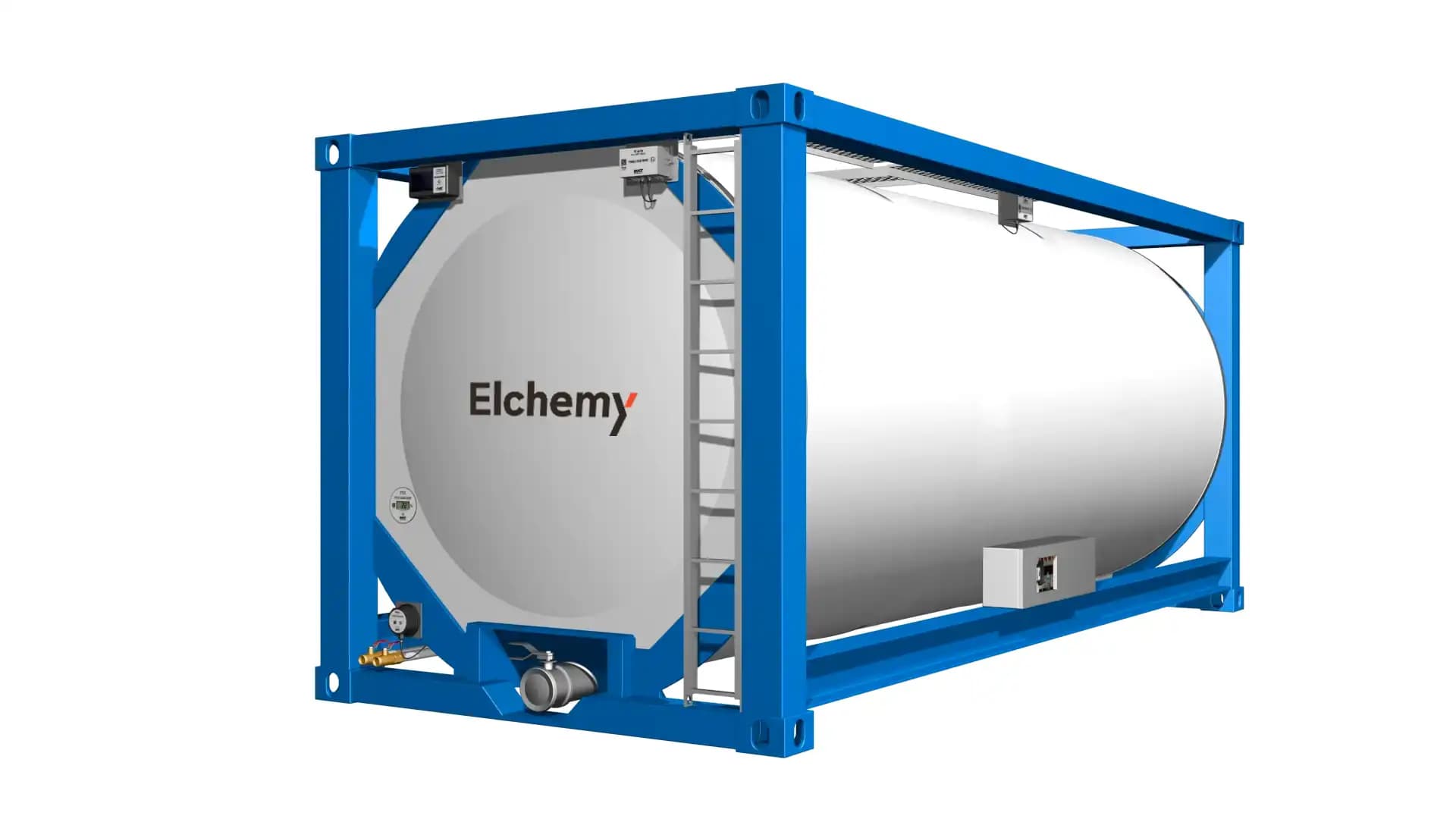
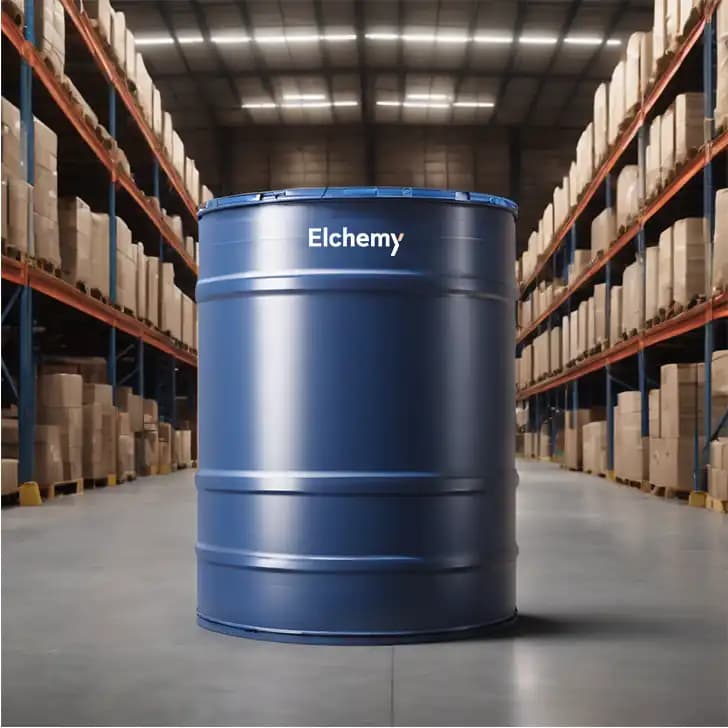
Polyols are available in various packaging formats, including iso-tanks and hdpe-drums, to accommodate different logistical needs. Proper storage and transportation are crucial to maintaining product integrity. Elchemy ensures that all shipments are handled with care, adhering to industry standards for safety and quality.
Our logistics network supports efficient distribution across North America and globally, ensuring that your orders arrive on time and in excellent condition.
Why Choose Elchemy as a Trusted Polyols Supplier?
Elchemy stands out as a reliable polyols supplier due to our commitment to quality assurance and customer satisfaction. Our extensive network and expertise in the chemical industry enable us to provide high-quality products and exceptional service to our clients.
With a focus on North American fulfillment and global reach, Elchemy is your trusted partner for sourcing polyols and other specialty chemicals.
Safety & Handling
When handling polyols, it is important to use appropriate personal protective equipment (PPE) and follow safety guidelines. Polyols are generally considered safe, but it is essential to refer to the Safety Data Sheet (SDS) for specific handling instructions.
Polyols are listed on the TSCA Inventory, ensuring compliance with regulatory standards. Proper storage and handling will help maintain product quality and safety.
- Versatile Applications: Polyols are used in a wide range of industries, including coatings, adhesives, and sealants, due to their adaptable properties.
- High Performance: Known for their ability to enhance material properties, polyols contribute to the durability and flexibility of end products.
- Customizable Formulations: Available in various grades, polyols can be tailored to meet specific application requirements.
- Reliable Supply: Elchemy ensures a consistent supply of high-quality polyols, meeting the demands of North American and global markets.
- Environmentally Friendly: Many polyols are derived from renewable resources, supporting sustainable practices in the chemical industry.
About Polyols
Polyols are a critical component in the chemical industry, known for their role in producing polyurethanes, coatings, adhesives, and sealants. These compounds are valued for their versatility and ability to enhance the performance of various materials. As a key ingredient in the production of flexible and rigid foams, polyols are indispensable in numerous industrial applications.
With a strong presence in North America and a global reach, Elchemy is a leading supplier of high-quality polyols. Our commitment to quality and reliability ensures that our customers receive the best products for their needs.
Manufacturing Process of Polyols
Polyols are produced through the polymerization of epoxides, such as ethylene oxide or propylene oxide, with an initiator compound. This process results in polyether polyols, which are widely used in the industry. Polyester polyols, another type, are synthesized through the polycondensation of diols and dicarboxylic acids. The choice of feedstocks and production methods influences the purity and properties of the final product.
Leading polyols manufacturers and polyols suppliers focus on optimizing these processes to deliver high-performance materials for various applications.
Polyols Price: Bulk Pricing for Industrial Buyers
The price of polyols is influenced by factors such as raw material costs, production methods, and market demand. Industrial buyers can obtain competitive pricing by purchasing in bulk from Elchemy. Our team provides personalized quotes and ensures timely delivery to meet your procurement needs.
For accurate pricing and availability, contact Elchemy directly to discuss your specific requirements.
Packaging & Logistics
Polyols are available in various packaging formats, including iso-tanks and hdpe-drums, to accommodate different logistical needs. Proper storage and transportation are crucial to maintaining product integrity. Elchemy ensures that all shipments are handled with care, adhering to industry standards for safety and quality.
Our logistics network supports efficient distribution across North America and globally, ensuring that your orders arrive on time and in excellent condition.
Why Choose Elchemy as a Trusted Polyols Supplier?
Elchemy stands out as a reliable polyols supplier due to our commitment to quality assurance and customer satisfaction. Our extensive network and expertise in the chemical industry enable us to provide high-quality products and exceptional service to our clients.
With a focus on North American fulfillment and global reach, Elchemy is your trusted partner for sourcing polyols and other specialty chemicals.
Safety & Handling
When handling polyols, it is important to use appropriate personal protective equipment (PPE) and follow safety guidelines. Polyols are generally considered safe, but it is essential to refer to the Safety Data Sheet (SDS) for specific handling instructions.
Polyols are listed on the TSCA Inventory, ensuring compliance with regulatory standards. Proper storage and handling will help maintain product quality and safety.
- Versatile Applications: Polyols are used in a wide range of industries, including coatings, adhesives, and sealants, due to their adaptable properties.
- High Performance: Known for their ability to enhance material properties, polyols contribute to the durability and flexibility of end products.
- Customizable Formulations: Available in various grades, polyols can be tailored to meet specific application requirements.
- Reliable Supply: Elchemy ensures a consistent supply of high-quality polyols, meeting the demands of North American and global markets.
- Environmentally Friendly: Many polyols are derived from renewable resources, supporting sustainable practices in the chemical industry.
FAQs - Polyols
Related Products


Related Products

Streamline
Your Chemical
Procurement
Get fast responses from real experts