Phenol
Get Pricing For This Product
Need pricing? Request a quote for this product and we'll get back to you shortly.
Speed Up Your Sample Testing Process
Express Delivery in 24–48 Hours
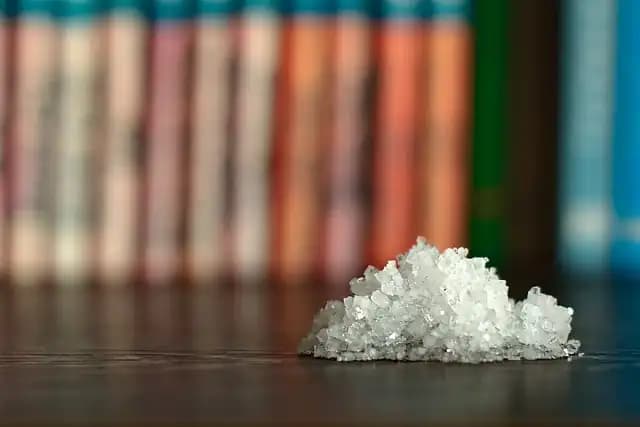
Phenol is a white crystalline solid with a characteristic sweet, medicinal odor. It is an aromatic organic compound. Phenol finds applications as a key precursor in the production of resins,…
CAS Number
108-95-2
HS Code
290711.0
INCI Name
-
Molecular Formula
C6H5OH
Phenol
Phenol is a white crystalline solid with a characteristic sweet, medicinal odor. It is an aromatic organic compound. Phenol finds applications as a key precursor in the production of resins, adhesives, and plastics. It is also utilized in pharmaceuticals and serves as a…
CAS Number
108-95-2
INCI Name
-
HS Code
290711.0
Molecular Formula
C6H5OH
Get Pricing For This Product
Need pricing? Request a quote for this product and we'll get back to you shortly.
Speed Up Your Sample Testing Process
We deliver domestic samples within 24 - 48 hours, helping you evaluate product without delays.
About Phenol
Phenol, a cornerstone in the chemical industry, stands out for its exceptional purity and versatile properties. As one of the leading Phenol Manufacturers, we deliver a product that meets the highest standards of quality and consistency.
Our phenol is produced through state-of-the-art phenol production processes, ensuring a product that is both pure and reliable. With a molecular formula of C₆H₅OH, phenol is a white crystalline solid at room temperature, known for its distinctive sweet and tarry odor. The high purity of our phenol guarantees minimal impurities, making it ideal for various industrial applications.
Phenol boasts a melting point of approximately 40.5°C and a boiling point of 181.7°C, highlighting its stability under a wide range of conditions. Its solubility in water is moderate, allowing for versatile use in different formulations. Phenol is also highly soluble in organic solvents such as ethanol, ether, and chloroform, enhancing its applicability in various chemical processes.
One of the standout characteristics of phenol is its reactivity. The hydroxyl group attached to the aromatic ring makes phenol highly reactive, particularly in electrophilic aromatic substitution reactions. This reactivity is a key factor in its widespread use in the synthesis of numerous chemical compounds.
While phenol is a powerful chemical, it requires careful handling due to its corrosive nature and potential health hazards. Our production facilities adhere to stringent safety protocols to ensure the safe manufacture and handling of phenol. We provide comprehensive safety data sheets and guidelines to help our customers manage phenol safely and effectively.
As responsible Phenol Manufacturers, we are committed to sustainable phenol production practices. Our processes are designed to minimize environmental impact, ensuring that our phenol is produced in an eco-friendly manner. We continuously invest in research and development to improve our production methods and reduce our carbon footprint.
- High Boiling Point: Suitable for processes that require elevated temperatures.
- Low Freezing Point: Remains liquid at lower temperatures, facilitating ease of use.
- Highly Reactive: Engages readily in electrophilic substitution reactions.
- Antiseptic Properties: Natural disinfectant, enhancing safety in certain applications.
- Phenolic Resin Formation: Easily polymerizes to create durable materials.
About Phenol
Phenol, a cornerstone in the chemical industry, stands out for its exceptional purity and versatile properties. As one of the leading Phenol Manufacturers, we deliver a product that meets the highest standards of quality and consistency.
Our phenol is produced through state-of-the-art phenol production processes, ensuring a product that is both pure and reliable. With a molecular formula of C₆H₅OH, phenol is a white crystalline solid at room temperature, known for its distinctive sweet and tarry odor. The high purity of our phenol guarantees minimal impurities, making it ideal for various industrial applications.
Phenol boasts a melting point of approximately 40.5°C and a boiling point of 181.7°C, highlighting its stability under a wide range of conditions. Its solubility in water is moderate, allowing for versatile use in different formulations. Phenol is also highly soluble in organic solvents such as ethanol, ether, and chloroform, enhancing its applicability in various chemical processes.
One of the standout characteristics of phenol is its reactivity. The hydroxyl group attached to the aromatic ring makes phenol highly reactive, particularly in electrophilic aromatic substitution reactions. This reactivity is a key factor in its widespread use in the synthesis of numerous chemical compounds.
While phenol is a powerful chemical, it requires careful handling due to its corrosive nature and potential health hazards. Our production facilities adhere to stringent safety protocols to ensure the safe manufacture and handling of phenol. We provide comprehensive safety data sheets and guidelines to help our customers manage phenol safely and effectively.
As responsible Phenol Manufacturers, we are committed to sustainable phenol production practices. Our processes are designed to minimize environmental impact, ensuring that our phenol is produced in an eco-friendly manner. We continuously invest in research and development to improve our production methods and reduce our carbon footprint.
- High Boiling Point: Suitable for processes that require elevated temperatures.
- Low Freezing Point: Remains liquid at lower temperatures, facilitating ease of use.
- Highly Reactive: Engages readily in electrophilic substitution reactions.
- Antiseptic Properties: Natural disinfectant, enhancing safety in certain applications.
- Phenolic Resin Formation: Easily polymerizes to create durable materials.
FAQs - Phenol
Related Products
Related Products
Streamline
Your Chemical
Procurement
Get fast responses from real experts