
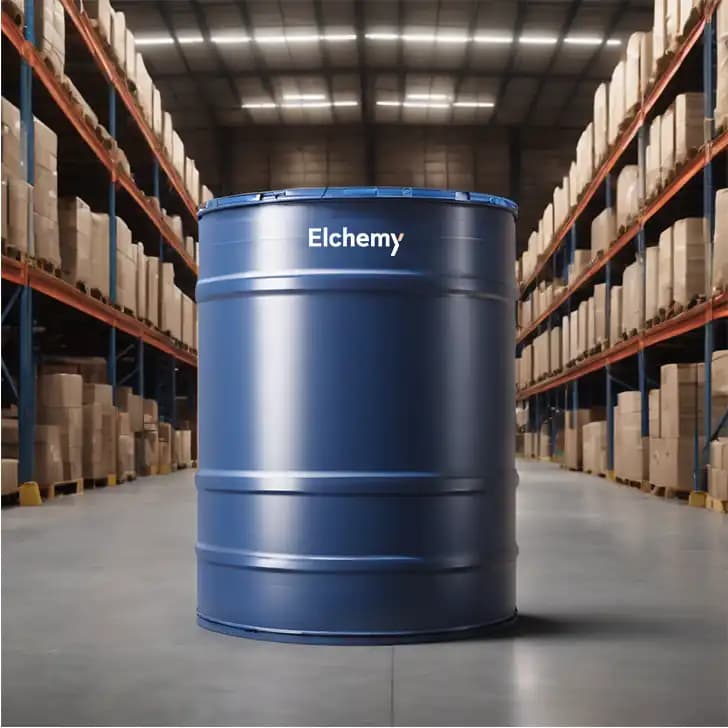
Chlorinated Paraffin

Get Pricing for This Product
Need pricing? Request a quote for this product and we'll get back to you shortly.
 Free Samples Available
Speed Up Your Sample Testing Process
We deliver domestic samples within 24 - 48 hours, helping you evaluate product without delays.
Chlorinated paraffin is a group of synthetic chemicals characterized by the presence of chlorine atoms in the molecular structure. These chemicals are produced by chlorinating straight-chain paraffin…
CAS Number
63449-39-8
HS Code
27122010
INCI Name
Chlorinated Paraffin
Molecular Formula
CₓHᵧCl𝓏 (varies, e.g., C15H26Cl6)
Chlorinated Paraffin
Chlorinated paraffin is a group of synthetic chemicals characterized by the presence of chlorine atoms in the molecular structure. These chemicals are produced by chlorinating straight-chain paraffin hydrocarbons. Chlorinated paraffins vary in their chemical composition, and they…
CAS Number
63449-39-8
INCI Name
Chlorinated Paraffin
HS Code
27122010
Molecular Formula
CₓHᵧCl𝓏 (varies, e.g., C15H26Cl6)
Get Pricing for This Product
Need pricing? Request a quote for this product and we'll get back to you shortly.
Free Samples AvailableSpeed Up Your Sample Testing Process
We deliver domestic samples within 24 - 48 hours, helping you evaluate product without delays.
 By
By
Specialty chemicals, delivered right
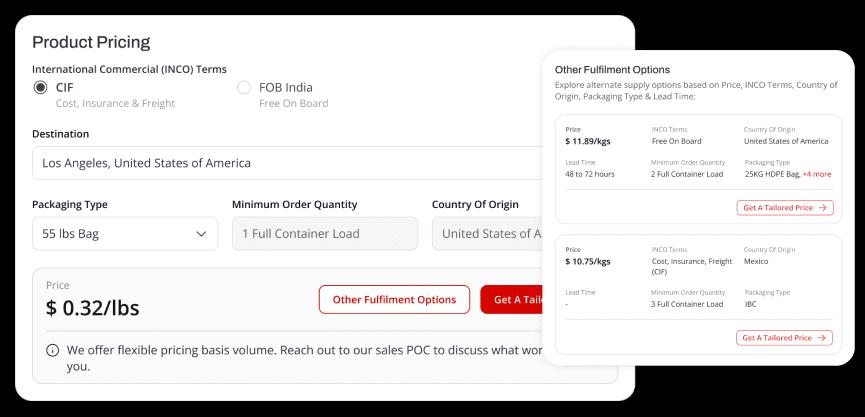
Access live, grade-specific pricing for every chemical, so your teams talks with data, not intuition on Elixir.
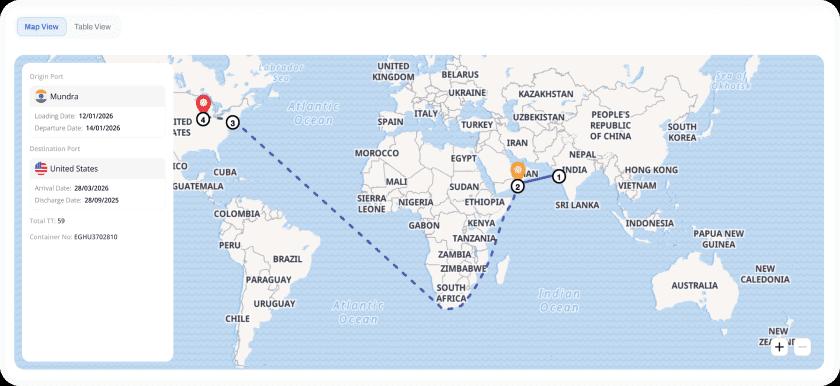
Compare fulfilment options across grades, INCO terms, origins, and lead times: all in one platform.

Live, transparent pricing
Real-time quotes across 12,000+ specialty chemicals.
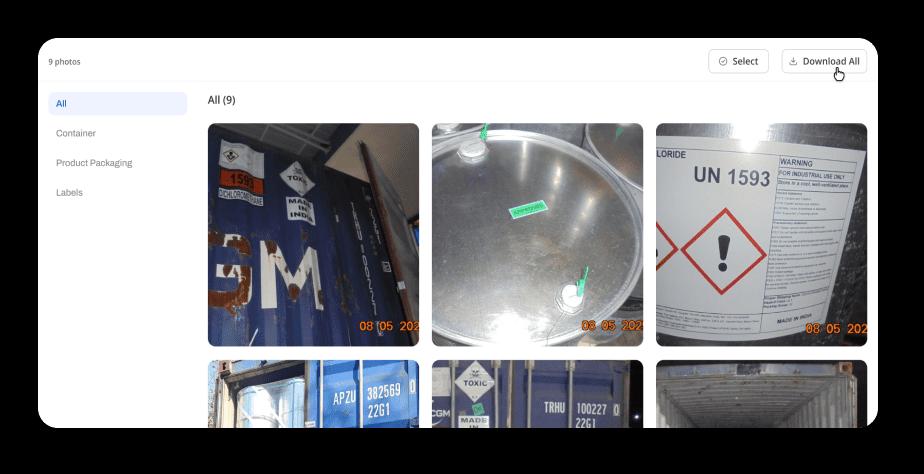
Product Specification
Physical Properties
| Property | Specification |
|---|---|
| Appearance | Light yellow to amber liquid |
| Odor | Odorless |
| Molecular Weight (G/Mol) | 545.3 |
| Density Or Specific Gravity | 1.35 at 77 °F |
| Ph (If Aqueous Solution) | Neutral |
| Density | 1.35 at 77 °F |
| Ph | Neutral |
Chemical Properties
| Property | Specification |
|---|---|
| Solubility | Insol in water; slightly sol in alcohol; miscible with benzene, chloroform, ether, carbon tetrachloride |
Thermal Properties
| Property | Specification |
|---|---|
| Boiling Point | Decomposes |
| Flash Point | greater than 450 °F |
| Thermal Stability | Stable under recommended storage |
Processing Methods & Reference Formulations
A. PVC products
Incorporate CP during the plasticizing phase, after the primary plasticizer (e.g., DOP) is added, ensuring homogeneous dispersion in the PVC matrix. Choose the grade (e.g., CP-52, CP-60, CP-70) based on chlorine content and viscosity.
| Key Ingredients | Indicative Dosage (% w/w) |
|---|---|
| Polyvinyl Chloride (PVC K-67 resin) | 35% |
| Chlorinated Paraffin | 25% |
| Dioctyl Phthalate | 15% |
| Calcium Carbonate | 18% |
| Lead-based Stabilizer (or Ca-Zn alternative) | 2% |
| Stearic Acid | 0.5% |
| Epoxidized Soybean Oil | 3% |
B. Rubber Finishing Paint
Incorporate CP into the resin solution or solvent phase under gentle stirring. Ensure it dissolves fully in aromatic or chlorinated solvents like toluene or xylene for uniform distribution.
| Key Ingredients | Indicative Dosage (% w/w) |
|---|---|
| Chlorinated Rubber | 19–21% |
| Chlorinated Paraffin (mix of CP-70 and CP-52) | 8–13% |
| Titanium Dioxide | 23–25% |
| Organic Bentonite | 1–2% |
| Talcum Powder | 3–8% |
| Precipitated Barium Sulfate | 5–11% |
| Dispersing Agent | 0.3–0.8% |
| Solvent (e.g., xylene/toluene blend) | 27–32% |
C. Conveyor Belt Compound
Incorporate CP after the elastomer and primary plasticizers have been added. CP is heavier and more polar than standard processing oils. Adjust the aromatic or paraffinic oil content to maintain compound flow, extrusion characteristics, and tack.
| Key Ingredients | Indicative Dosage (% w/w) |
|---|---|
| Diene-based Rubber (NBR/SBR/BR blend) | 50% |
| Chlorinated Paraffin (Cl ~70%) | 15% |
| Carbon Black | 20% |
| Antimony Trioxide | 3% |
| Sulfur | 1% |
| Hydrazide | 1% |
| Process Oils & Additives | 10% |
| Sulfur | 1% |
Dosing Guidelines
A. Dosing by Application
| Products | Authorized dosage % |
|---|---|
| PVC & Plastics (secondary plasticizer, flame retardant) | 5-15% |
| Paints, coatings, adhesives, sealants | 3-10% |
About Chlorinated Paraffin
At Elchemy, we provide premium-grade chlorinated paraffin that meets the most stringent manufacturing standards. This versatile product is engineered to offer unmatched stability and durability, making it an essential component for a wide range of industrial needs. Our chlorinated paraffin is formulated with precision, ensuring optimal performance under extreme conditions.
One of the standout characteristics of Elchemy’s chlorinated paraffin is its high resistance to thermal degradation. This makes it an excellent choice for environments where temperatures fluctuate, as it retains its properties even when exposed to heat over prolonged periods. Our product's structure helps ensure longevity, so you can trust it to maintain integrity where it matters most.
Chlorinated paraffin is also highly resistant to water, oils, and chemicals, providing a protective layer that stands up to tough conditions. This resistance significantly minimizes the risk of corrosion and breakdown, ensuring long-lasting performance in demanding environments.
Additionally, the material exhibits excellent flame-retardant properties, which adds another layer of security in applications where fire safety is critical.
We take pride in being a trusted chlorinated paraffin manufacturer, committed to delivering consistent quality with every batch. Each production run undergoes rigorous quality control checks to guarantee that it meets the required specifications, ensuring that you receive a product you can rely on for consistent performance.
Beyond our standard offerings, Elchemy is also equipped with custom chemical manufacturing capabilities, allowing us to meet the specific demands of your project. Whether you require adjustments to chlorination levels or other customized solutions, our team can deliver a product tailored to your exact needs.
With excellent compatibility across a range of polymers, Elchemy’s chlorinated paraffin simplifies the production process. It blends effortlessly, offering a smooth and consistent output that helps increase efficiency without compromising on quality.
Looking for a reliable supplier?
Elchemy’s chlorinated paraffin is designed to ensure both consistency and superior performance, making it the go-to choice for manufacturers who demand excellence.
- High Thermal Stability: Ensures excellent resistance in extreme temperature conditions for long-lasting performance.
- Water Resistance: Provides long-lasting protection against moisture damage in harsh environments.
- Flame-Retardant Properties: Enhances safety in fire-prone applications, ensuring reliable protection.
- Polymer Compatibility: Blends seamlessly with various polymers for versatile use across multiple industries.
About Chlorinated Paraffin
At Elchemy, we provide premium-grade chlorinated paraffin that meets the most stringent manufacturing standards. This versatile product is engineered to offer unmatched stability and durability, making it an essential component for a wide range of industrial needs. Our chlorinated paraffin is formulated with precision, ensuring optimal performance under extreme conditions.
One of the standout characteristics of Elchemy’s chlorinated paraffin is its high resistance to thermal degradation. This makes it an excellent choice for environments where temperatures fluctuate, as it retains its properties even when exposed to heat over prolonged periods. Our product's structure helps ensure longevity, so you can trust it to maintain integrity where it matters most.
Chlorinated paraffin is also highly resistant to water, oils, and chemicals, providing a protective layer that stands up to tough conditions. This resistance significantly minimizes the risk of corrosion and breakdown, ensuring long-lasting performance in demanding environments.
Additionally, the material exhibits excellent flame-retardant properties, which adds another layer of security in applications where fire safety is critical.
We take pride in being a trusted chlorinated paraffin manufacturer, committed to delivering consistent quality with every batch. Each production run undergoes rigorous quality control checks to guarantee that it meets the required specifications, ensuring that you receive a product you can rely on for consistent performance.
Beyond our standard offerings, Elchemy is also equipped with custom chemical manufacturing capabilities, allowing us to meet the specific demands of your project. Whether you require adjustments to chlorination levels or other customized solutions, our team can deliver a product tailored to your exact needs.
With excellent compatibility across a range of polymers, Elchemy’s chlorinated paraffin simplifies the production process. It blends effortlessly, offering a smooth and consistent output that helps increase efficiency without compromising on quality.
Looking for a reliable supplier?
Elchemy’s chlorinated paraffin is designed to ensure both consistency and superior performance, making it the go-to choice for manufacturers who demand excellence.
- High Thermal Stability: Ensures excellent resistance in extreme temperature conditions for long-lasting performance.
- Water Resistance: Provides long-lasting protection against moisture damage in harsh environments.
- Flame-Retardant Properties: Enhances safety in fire-prone applications, ensuring reliable protection.
- Polymer Compatibility: Blends seamlessly with various polymers for versatile use across multiple industries.
Regulatory Compliance
| Region | Max Allowed Level | Notes | Certification Body |
|---|---|---|---|
| Australia | - | For MCCPs/LCCPs, no universal maximum set. | - |
| China | - | No specific % limit for LCCPs | - |
| Japan | - | No specific maximum % set for LCCPs | - |
| Republic of Korea | - | No explicit % restriction for LCCPs | - |
| United States | - | No federal product maximum for long-chain CPs. | - |
| ASEAN | - | No specific % limit for LCCPs | - |
| European Union | - | Long-chain and medium-chain CPs (LCCPs & MCCPs) are not specifically restricted at set limits, | - |
FAQs - Chlorinated Paraffin
Related Products

Related Products

Streamline
Your Chemical
Procurement
Get fast responses from real experts