Products
Our Technology
Sustainability & Compliance

Home/Products/PEG-120 Methyl Glucose Dioleate

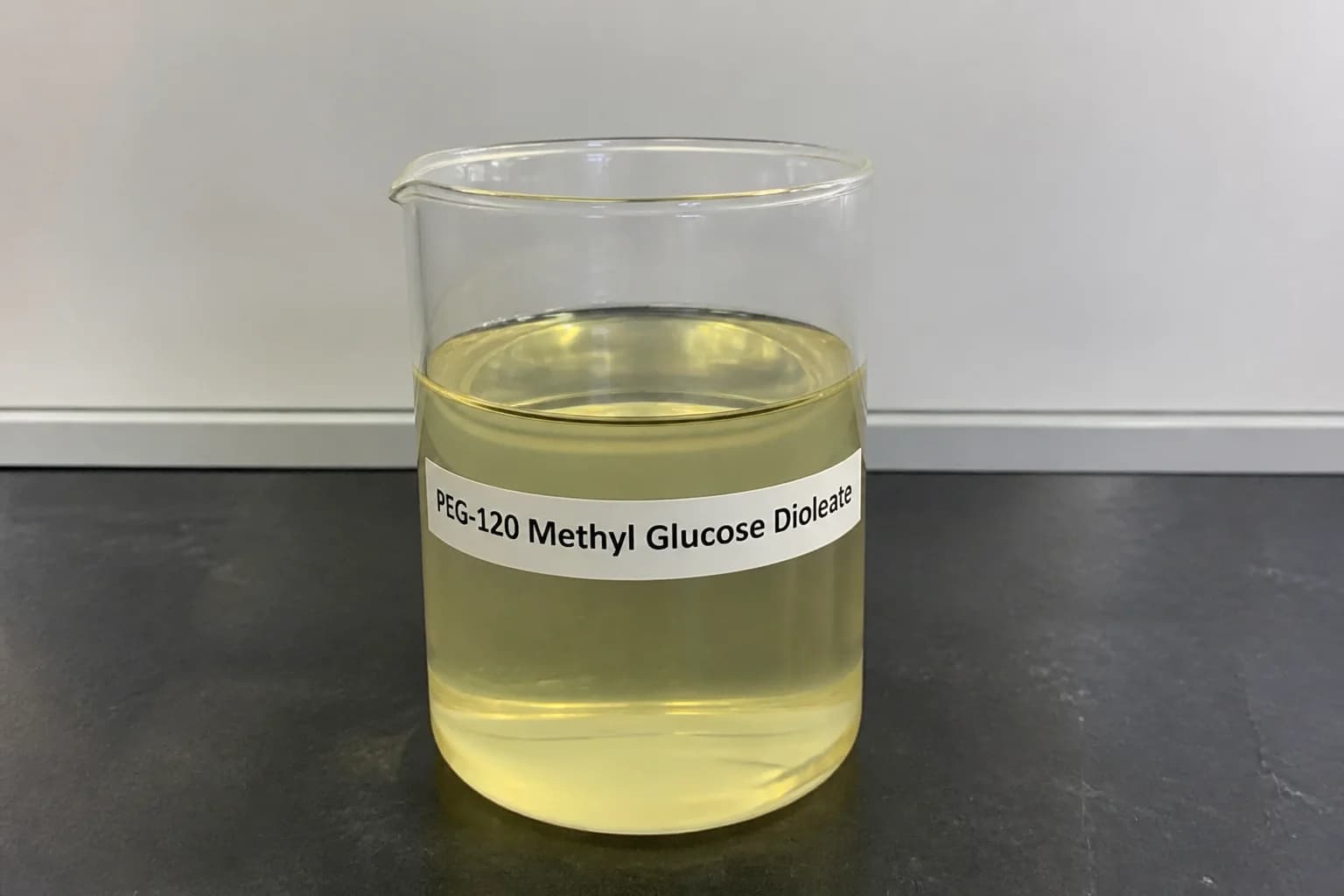
PEG-120 Methyl Glucose Dioleate
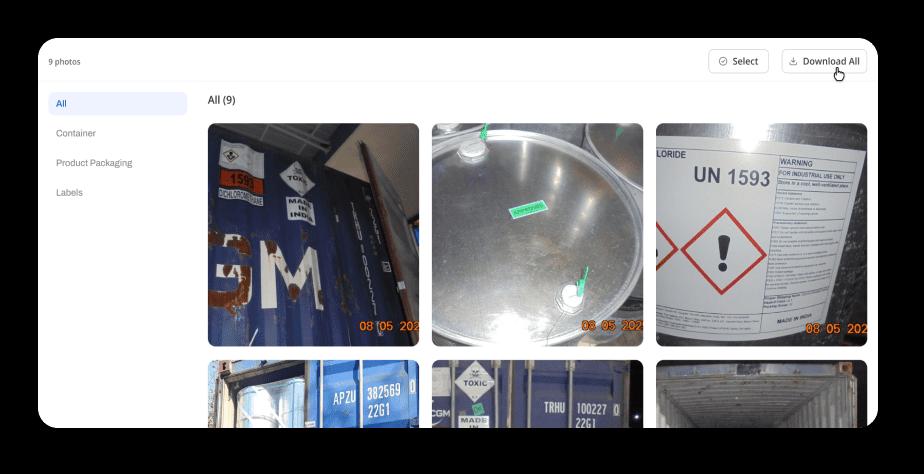
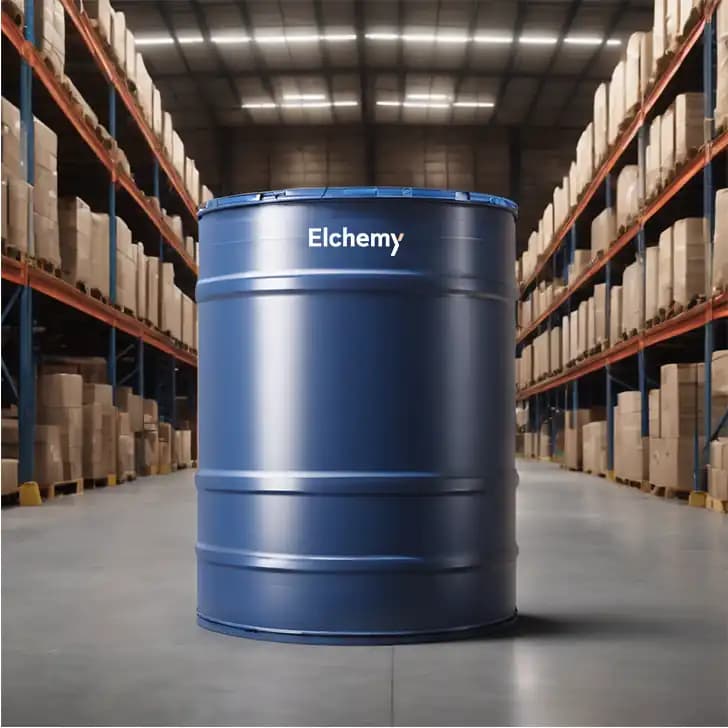
HDPE Drums

PEG-120 Methyl Glucose Dioleate

Get Pricing for This Product

Need pricing? Request a quote for this product and we'll get back to you shortly.

Free Samples Available

Speed Up Your Sample Testing Process

We deliver domestic samples within 24 - 48 hours, helping you evaluate product without delays.

A plant-derived emulsifier and surfactant used in skin care formulations.

CAS Number

67762-47-4

HS Code

34021300

INCI Name

-

Molecular Formula

C18H34O8

Home/Products/PEG-120 Methyl Glucose Dioleate

PEG-120 Methyl Glucose Dioleate

A plant-derived emulsifier and surfactant used in skin care formulations.

CAS Number

67762-47-4

INCI Name

-

HS Code

34021300

Molecular Formula

C18H34O8

Get Pricing for This Product

Need pricing? Request a quote for this product and we'll get back to you shortly.

Free Samples Available

Speed Up Your Sample Testing Process

We deliver domestic samples within 24 - 48 hours, helping you evaluate product without delays.

PEG-120 Methyl Glucose Dioleate
HDPE Drums
ElixirByElchemy

Specialty chemicals, delivered right

Access live, grade-specific pricing for every chemical, so your teams talks with data, not intuition on Elixir.

Compare fulfilment options across grades, INCO terms, origins, and lead times: all in one platform.

Live, transparent pricing

Real-time quotes across 12,000+ specialty chemicals.
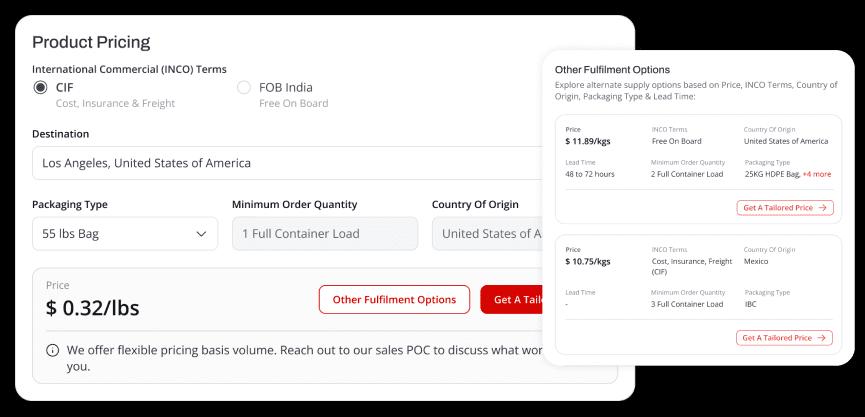
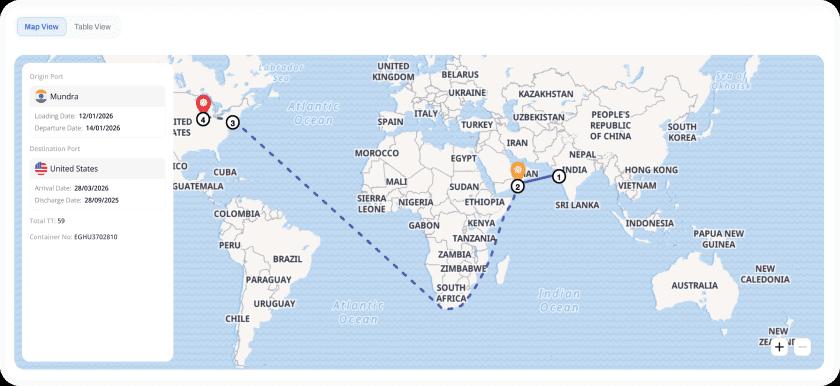
Elixir product pricing with alternate fulfilment options

About PEG-120 Methyl Glucose Dioleate

About PEG-120 Methyl Glucose Dioleate

FAQs - PEG-120 Methyl Glucose Dioleate

Is PEG-120 Methyl Glucose Dioleate biodegradable?
Yes, derived from renewable sources.
What packaging is suitable for export?
Available in drums or IBC tanks.
How long can PEG-120 be stored?
Shelf life is typically 2 years.
Can it be used in organic formulations?
Yes.
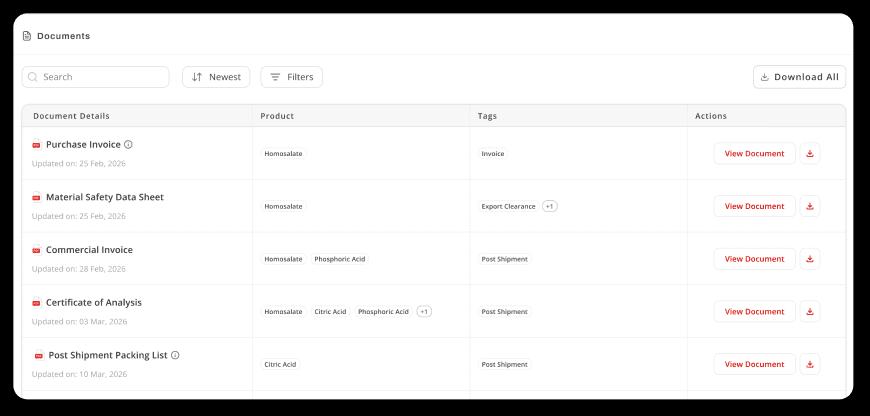
What export documents are needed?
MSDS, COA, export license if required.

Related Products

Benzalkonium Chloride (BKC)

Benzalkonium Chloride (BKC)

Alkyldimethylbenzylammonium chloride (ADBAC), another name for benzoalkonium chloride, is a cationic surfactant that is used in skin antiseptics, wound wash sprays, throat lozenges, mouthwashes, spermicidal creams, floor cleaners, and algaecide products. Moreover, it is employed in industrial and non-consumer settings for tasks like surgical disinfection. Alkylbenzyldimethylammonium chlorides with a range of even-numbered alkyl chain lengths are combined to form ADBACs.

View Details
Ammonium Lauryl Sulfate (ALS)

Ammonium Lauryl Sulfate (ALS)

Ammonium Lauryl Sulfate belongs to the class of anionic surfactants. The ammonium group in ALS makes it water-soluble. The ability of ALS to create a rich lather contributes to its effectiveness in removing dirt, oil, and other impurities from the skin and hair, making it a popular ingredient in products such as shampoos, body washes, and facial cleansers.

View Details
Cetyl Alcohol

Cetyl Alcohol

Cetyl alcohol, also known as 1-hexadecanol, is a 16-carbon fatty alcohol used in cosmetics and personal care products. It acts as an opacifier, emulsifier, and thickening agent while also preventing skin dryness. It is deemed safe by the FDA for food and skin protectant use.

View Details
White Beeswax

White Beeswax

White beeswax is a natural substance derived from honeybees. It's purified and bleached to achieve its characteristic color. Known for its emollient and protective properties, white beeswax is widely used in cosmetics, skincare, and pharmaceuticals, providing a smooth texture and acting as a binding agent in various formulations.

View Details
Polysorbate 80

Polysorbate 80

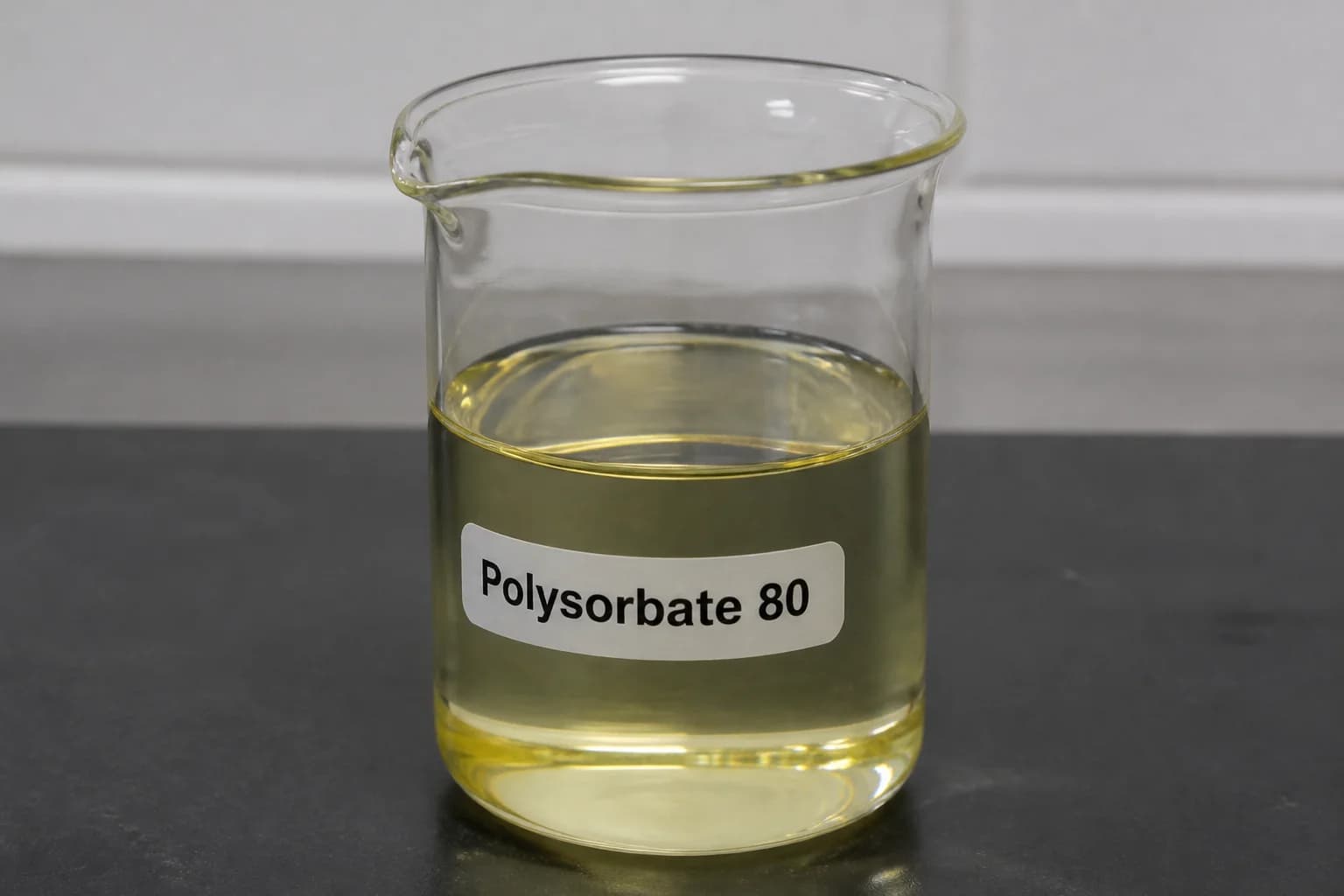
Polysorbate 80 (Tween 80) is a versatile, water-soluble non-ionic surfactant and emulsifier used across the pharmaceutical, cosmetic, personal care and food industries. Derived from sorbitol and oleic acid, this amber viscous liquid blends oil and water phases into smooth, stable emulsions, making it essential wherever uniform texture, solubility and long-term stability are required. Its versatility makes it a commonly sourced ingredient for personal care formulations from specialized <a href="https://elchemy.com/industry/personal-care-3">personal care ingredient suppliers</a>.

View Details

Related Products

Benzalkonium Chloride (BKC)

Benzalkonium Chloride (BKC)

Alkyldimethylbenzylammonium chloride (ADBAC), another name for benzoalkonium chloride, is a cationic surfactant that is used in skin antiseptics, wound wash sprays, throat lozenges, mouthwashes, spermicidal creams, floor cleaners, and algaecide products. Moreover, it is employed in industrial and non-consumer settings for tasks like surgical disinfection. Alkylbenzyldimethylammonium chlorides with a range of even-numbered alkyl chain lengths are combined to form ADBACs.

View Details
Ammonium Lauryl Sulfate (ALS)

Ammonium Lauryl Sulfate (ALS)

Ammonium Lauryl Sulfate belongs to the class of anionic surfactants. The ammonium group in ALS makes it water-soluble. The ability of ALS to create a rich lather contributes to its effectiveness in removing dirt, oil, and other impurities from the skin and hair, making it a popular ingredient in products such as shampoos, body washes, and facial cleansers.

View Details
Cetyl Alcohol

Cetyl Alcohol

Cetyl alcohol, also known as 1-hexadecanol, is a 16-carbon fatty alcohol used in cosmetics and personal care products. It acts as an opacifier, emulsifier, and thickening agent while also preventing skin dryness. It is deemed safe by the FDA for food and skin protectant use.

View Details
White Beeswax

White Beeswax

White beeswax is a natural substance derived from honeybees. It's purified and bleached to achieve its characteristic color. Known for its emollient and protective properties, white beeswax is widely used in cosmetics, skincare, and pharmaceuticals, providing a smooth texture and acting as a binding agent in various formulations.

View Details

Streamline
Your Chemical
Procurement

Get fast responses from real experts

Phone