Ammonium Lauryl Sulfate (ALS)

Get Pricing for This Product
Need pricing? Request a quote for this product and we'll get back to you shortly.
 Free Samples Available
Speed Up Your Sample Testing Process
We deliver domestic samples within 24 - 48 hours, helping you evaluate product without delays.
Ammonium Lauryl Sulfate belongs to the class of anionic surfactants. The ammonium group in ALS makes it water-soluble. The ability of ALS to create a rich lather contributes to its effectiveness in…
CAS Number
2235-54-3
HS Code
-
INCI Name
-
Molecular Formula
C₅₈H₁₁₄O₂₆
Ammonium Lauryl Sulfate (ALS)
Ammonium Lauryl Sulfate belongs to the class of anionic surfactants. The ammonium group in ALS makes it water-soluble. The ability of ALS to create a rich lather contributes to its effectiveness in removing dirt, oil, and other impurities from the skin and hair, making it a…
CAS Number
2235-54-3
INCI Name
-
HS Code
-
Molecular Formula
C₅₈H₁₁₄O₂₆
Get Pricing for This Product
Need pricing? Request a quote for this product and we'll get back to you shortly.
Free Samples AvailableSpeed Up Your Sample Testing Process
We deliver domestic samples within 24 - 48 hours, helping you evaluate product without delays.
 By
By
Specialty chemicals, delivered right
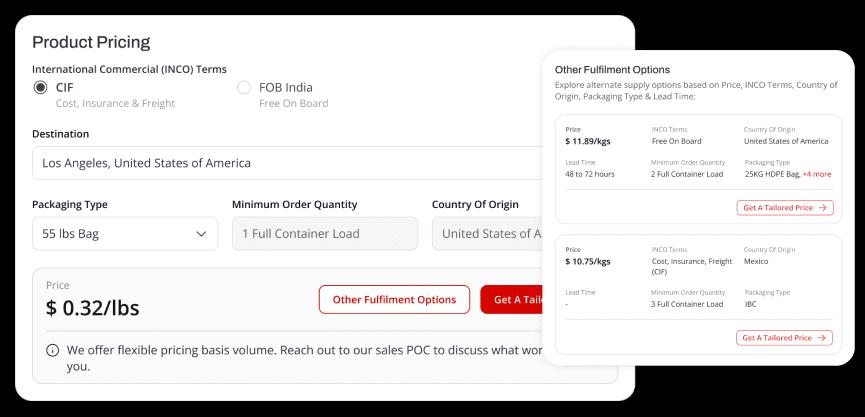
Access live, grade-specific pricing for every chemical, so your teams talks with data, not intuition on Elixir.
Compare fulfilment options across grades, INCO terms, origins, and lead times: all in one platform.

Live, transparent pricing
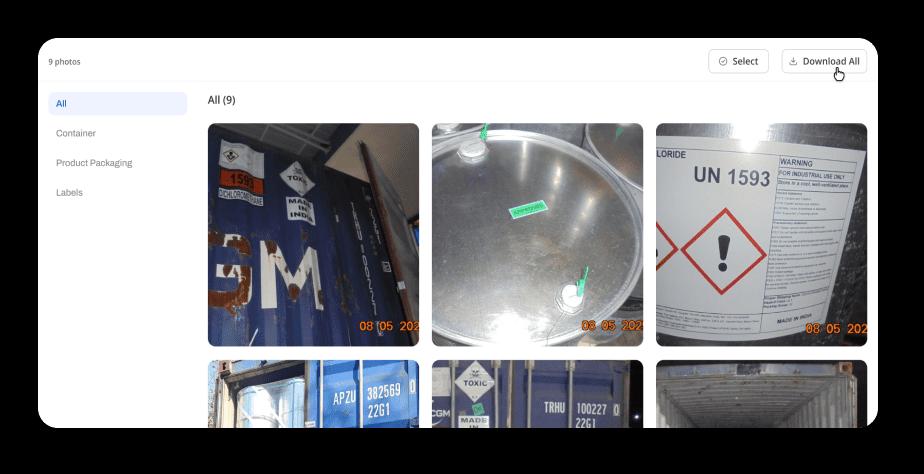
Real-time quotes across 12,000+ specialty chemicals.

About Ammonium Lauryl Sulfate (ALS)
Ammonium Lauryl Sulfate (ALS) is known for its excellent foaming and cleansing abilities. It efficiently breaks down oils and dirt, making it a staple in personal care products. Its rich lather enhances the user experience, providing a sense of luxury and thorough cleanliness.
What makes ALS stand out is its effectiveness as a surfactant. It works to clean deep into the skin and hair, removing impurities without leaving a residue. This makes it particularly effective in rinse-off products that need to cleanse thoroughly.
Ammonium Lauryl Sulfate (ALS) manufacturers focus on producing a safe and high-quality compound. They ensure that ALS meets global safety standards and works well in various formulations. By controlling the production process, manufacturers help create products that are both effective and gentle on the skin.
Sustainability is also a key focus for these manufacturers. With increasing demand for eco-friendly products, many ALS producers are adopting greener practices. This includes using renewable energy, reducing waste, and sourcing raw materials responsibly. The shift aligns with broader trends in the chemical industry, where sustainable solutions are becoming a priority.
ALS’s versatility extends to its ability to be customized for different products. Through custom chemical manufacturing, it can be adjusted to fit specific needs—whether it’s creating a mild facial wash or a heavy-duty cleanser. This flexibility allows personal care brands to innovate while ensuring consistent performance.
Manufacturers continue to innovate in ALS production, focusing on making it even more sustainable and skin-friendly. By working with reputable Ammonium Lauryl Sulfate (ALS) manufacturers, brands can ensure their products deliver both performance and responsibility, meeting modern consumer expectations.
- Rich Lather: Provides a foamy texture that enhances the cleaning experience in products like shampoos and body washes.
- Mild Cleanser: Offers effective cleansing while being gentle enough for everyday use, even for sensitive skin.
- Biodegradable: Breaks down naturally, making it a more environmentally friendly surfactant.
- Water-Soluble: Easily dissolves in water, making it ideal for liquid cleaning formulations.
- Reliable Cleaning Power: Delivers consistent performance across various cleaning products, from personal care to industrial cleaners.
About Ammonium Lauryl Sulfate (ALS)
Ammonium Lauryl Sulfate (ALS) is known for its excellent foaming and cleansing abilities. It efficiently breaks down oils and dirt, making it a staple in personal care products. Its rich lather enhances the user experience, providing a sense of luxury and thorough cleanliness.
What makes ALS stand out is its effectiveness as a surfactant. It works to clean deep into the skin and hair, removing impurities without leaving a residue. This makes it particularly effective in rinse-off products that need to cleanse thoroughly.
Ammonium Lauryl Sulfate (ALS) manufacturers focus on producing a safe and high-quality compound. They ensure that ALS meets global safety standards and works well in various formulations. By controlling the production process, manufacturers help create products that are both effective and gentle on the skin.
Sustainability is also a key focus for these manufacturers. With increasing demand for eco-friendly products, many ALS producers are adopting greener practices. This includes using renewable energy, reducing waste, and sourcing raw materials responsibly. The shift aligns with broader trends in the chemical industry, where sustainable solutions are becoming a priority.
ALS’s versatility extends to its ability to be customized for different products. Through custom chemical manufacturing, it can be adjusted to fit specific needs—whether it’s creating a mild facial wash or a heavy-duty cleanser. This flexibility allows personal care brands to innovate while ensuring consistent performance.
Manufacturers continue to innovate in ALS production, focusing on making it even more sustainable and skin-friendly. By working with reputable Ammonium Lauryl Sulfate (ALS) manufacturers, brands can ensure their products deliver both performance and responsibility, meeting modern consumer expectations.
- Rich Lather: Provides a foamy texture that enhances the cleaning experience in products like shampoos and body washes.
- Mild Cleanser: Offers effective cleansing while being gentle enough for everyday use, even for sensitive skin.
- Biodegradable: Breaks down naturally, making it a more environmentally friendly surfactant.
- Water-Soluble: Easily dissolves in water, making it ideal for liquid cleaning formulations.
- Reliable Cleaning Power: Delivers consistent performance across various cleaning products, from personal care to industrial cleaners.
FAQs - Ammonium Lauryl Sulfate (ALS)
Related Products
Related Products

Streamline
Your Chemical
Procurement
Get fast responses from real experts