Neopentyl Glycol

Get Pricing for This Product
Need pricing? Request a quote for this product and we'll get back to you shortly.
 Free Samples Available
Speed Up Your Sample Testing Process
We deliver domestic samples within 24 - 48 hours, helping you evaluate product without delays.
Neopentyl Glycol (NPG) is a versatile chemical intermediate used primarily in the production of resins, coatings, and plasticizers. Its unique structure provides excellent thermal stability and…
CAS Number
126-30-7
HS Code
2905.39.90
INCI Name
-
Molecular Formula
C5H12O2
Neopentyl Glycol
Neopentyl Glycol (NPG) is a versatile chemical intermediate used primarily in the production of resins, coatings, and plasticizers. Its unique structure provides excellent thermal stability and resistance to hydrolysis, making it a preferred choice in various industrial…
CAS Number
126-30-7
INCI Name
-
HS Code
2905.39.90
Molecular Formula
C5H12O2
Get Pricing for This Product
Need pricing? Request a quote for this product and we'll get back to you shortly.
Free Samples AvailableSpeed Up Your Sample Testing Process
We deliver domestic samples within 24 - 48 hours, helping you evaluate product without delays.
 By
By
Specialty chemicals, delivered right
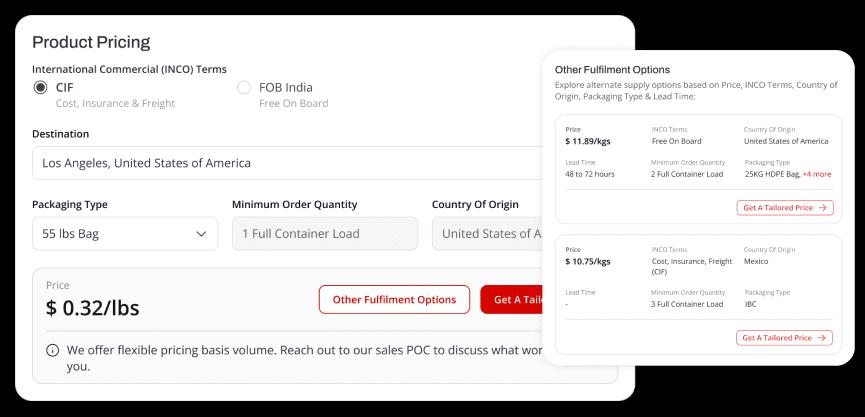
Access live, grade-specific pricing for every chemical, so your teams talks with data, not intuition on Elixir.
Compare fulfilment options across grades, INCO terms, origins, and lead times: all in one platform.

Live, transparent pricing
Real-time quotes across 12,000+ specialty chemicals.

About Neopentyl Glycol
Neopentyl Glycol (NPG) is a highly valued chemical intermediate known for its exceptional stability and versatility. It plays a critical role in the production of high-performance resins and coatings, offering superior thermal stability and resistance to hydrolysis. These properties make it an indispensable component in industries ranging from automotive to construction.
As a key ingredient in the formulation of plasticizers and adhesives, NPG enhances the mechanical properties and durability of end products. Its unique molecular structure contributes to the development of materials that withstand harsh environmental conditions, making it a preferred choice for manufacturers worldwide.
Manufacturing Process of Neopentyl Glycol
Neopentyl Glycol is produced through the aldol reaction of formaldehyde and isobutyraldehyde, followed by hydrogenation. This industrial process ensures high purity and consistency, which are critical for its application in high-performance materials. Leading Neopentyl Glycol manufacturers and suppliers focus on optimizing this process to meet the stringent quality standards required by global industries.
With a focus on sustainability, manufacturers are continually improving production methods to reduce environmental impact while maintaining product quality.
Neopentyl Glycol Price: Bulk Pricing for Industrial Buyers
The price of Neopentyl Glycol is influenced by factors such as raw material costs, production efficiency, and market demand. Industrial buyers can obtain competitive pricing by purchasing in bulk from Elchemy, a trusted supplier. For a detailed quote, contact our sales team, who will provide insights into current market trends and pricing benchmarks.
By leveraging our extensive network, Elchemy ensures that buyers receive the best value for their investment, with a focus on quality and reliability.
Packaging & Logistics
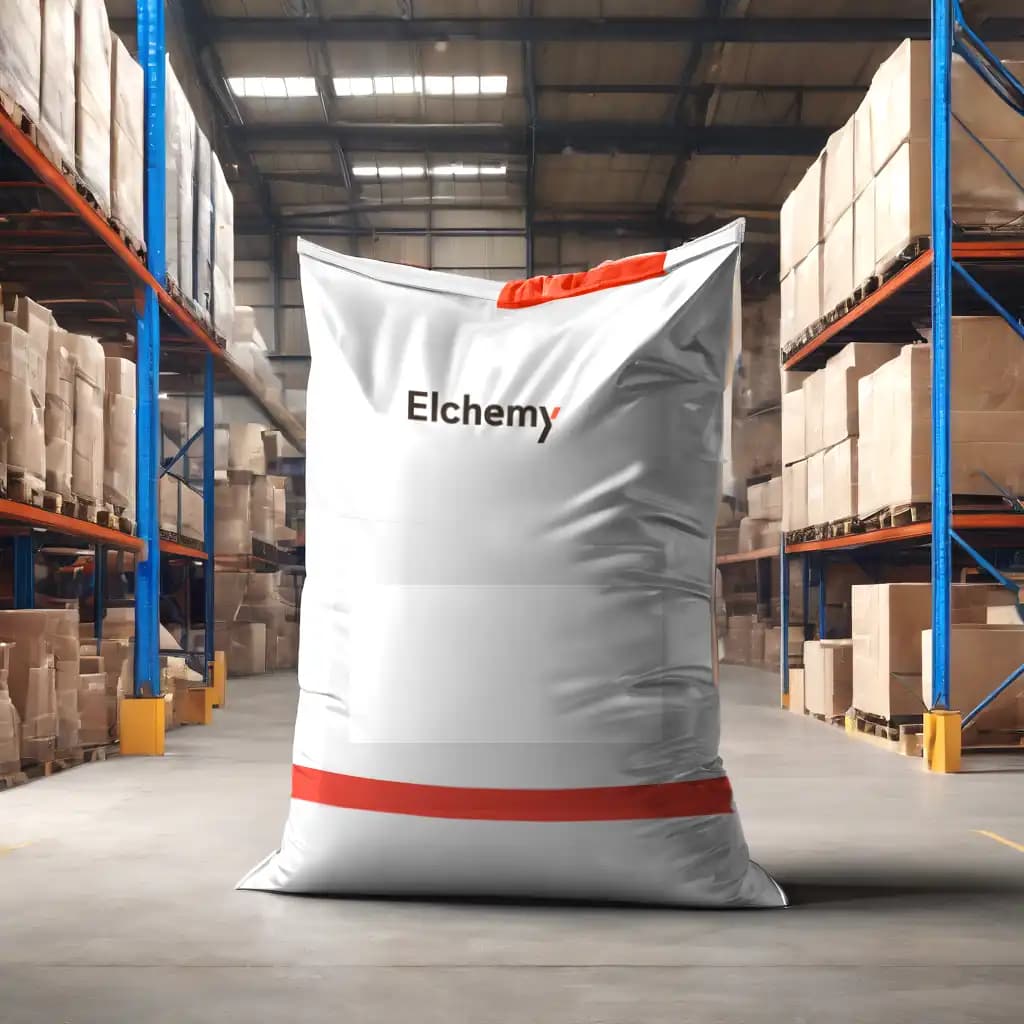
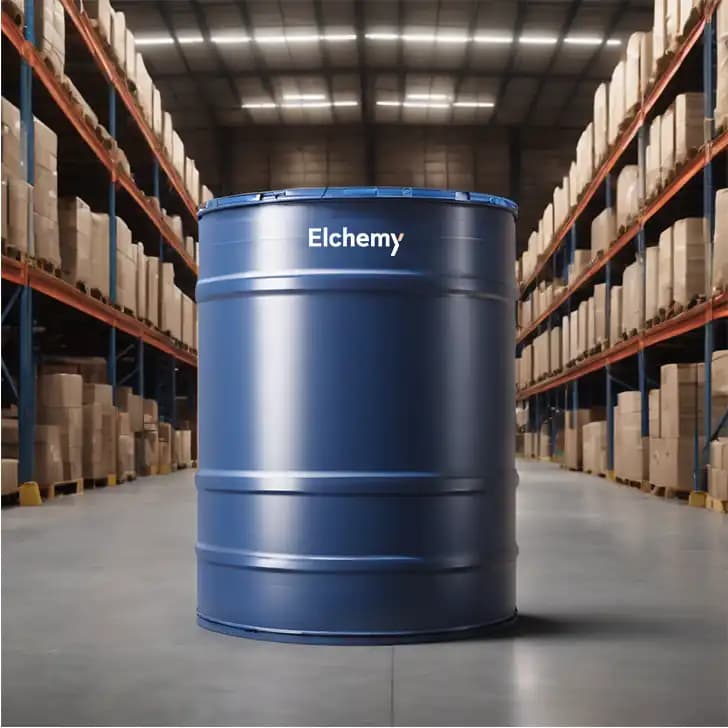
Neopentyl Glycol is available in bags and hdpe-drums, designed to meet the diverse needs of industrial buyers. Our packaging solutions ensure safe transport and storage, maintaining the integrity of the product throughout the supply chain.
Elchemy's logistics capabilities extend across North America and globally, providing efficient delivery and fulfillment services to meet the demands of our customers.
Why Choose Elchemy as a Trusted Neopentyl Glycol Supplier?
Elchemy stands out as a reliable supplier of Neopentyl Glycol, offering consistent quality and supply chain excellence. Our commitment to customer satisfaction is reflected in our tailored solutions for North American and global markets.
With a focus on innovation and sustainability, Elchemy ensures that our clients receive products that meet their specific requirements, backed by our extensive industry expertise.
Safety & Handling
Proper safety measures are essential when handling Neopentyl Glycol. Use appropriate personal protective equipment (PPE) such as gloves and goggles to prevent skin and eye contact. Store the chemical in a cool, dry place, away from incompatible substances.
Neopentyl Glycol is listed on the TSCA inventory, ensuring compliance with regulatory standards. Always refer to the Safety Data Sheet (SDS) for detailed handling and storage instructions.
- Exceptional Stability: Neopentyl Glycol offers outstanding thermal stability, making it ideal for high-temperature applications.
- Hydrolysis Resistance: Its unique structure provides excellent resistance to hydrolysis, enhancing the durability of end products.
- Versatile Applications: Widely used in resins, coatings, and plasticizers, NPG is a versatile chemical intermediate.
- High Purity: Produced through a refined industrial process, ensuring consistent quality and performance.
- Global Availability: Elchemy provides reliable supply chain solutions for North American and international markets.
About Neopentyl Glycol
Neopentyl Glycol (NPG) is a highly valued chemical intermediate known for its exceptional stability and versatility. It plays a critical role in the production of high-performance resins and coatings, offering superior thermal stability and resistance to hydrolysis. These properties make it an indispensable component in industries ranging from automotive to construction.
As a key ingredient in the formulation of plasticizers and adhesives, NPG enhances the mechanical properties and durability of end products. Its unique molecular structure contributes to the development of materials that withstand harsh environmental conditions, making it a preferred choice for manufacturers worldwide.
Manufacturing Process of Neopentyl Glycol
Neopentyl Glycol is produced through the aldol reaction of formaldehyde and isobutyraldehyde, followed by hydrogenation. This industrial process ensures high purity and consistency, which are critical for its application in high-performance materials. Leading Neopentyl Glycol manufacturers and suppliers focus on optimizing this process to meet the stringent quality standards required by global industries.
With a focus on sustainability, manufacturers are continually improving production methods to reduce environmental impact while maintaining product quality.
Neopentyl Glycol Price: Bulk Pricing for Industrial Buyers
The price of Neopentyl Glycol is influenced by factors such as raw material costs, production efficiency, and market demand. Industrial buyers can obtain competitive pricing by purchasing in bulk from Elchemy, a trusted supplier. For a detailed quote, contact our sales team, who will provide insights into current market trends and pricing benchmarks.
By leveraging our extensive network, Elchemy ensures that buyers receive the best value for their investment, with a focus on quality and reliability.
Packaging & Logistics
Neopentyl Glycol is available in bags and hdpe-drums, designed to meet the diverse needs of industrial buyers. Our packaging solutions ensure safe transport and storage, maintaining the integrity of the product throughout the supply chain.
Elchemy's logistics capabilities extend across North America and globally, providing efficient delivery and fulfillment services to meet the demands of our customers.
Why Choose Elchemy as a Trusted Neopentyl Glycol Supplier?
Elchemy stands out as a reliable supplier of Neopentyl Glycol, offering consistent quality and supply chain excellence. Our commitment to customer satisfaction is reflected in our tailored solutions for North American and global markets.
With a focus on innovation and sustainability, Elchemy ensures that our clients receive products that meet their specific requirements, backed by our extensive industry expertise.
Safety & Handling
Proper safety measures are essential when handling Neopentyl Glycol. Use appropriate personal protective equipment (PPE) such as gloves and goggles to prevent skin and eye contact. Store the chemical in a cool, dry place, away from incompatible substances.
Neopentyl Glycol is listed on the TSCA inventory, ensuring compliance with regulatory standards. Always refer to the Safety Data Sheet (SDS) for detailed handling and storage instructions.
- Exceptional Stability: Neopentyl Glycol offers outstanding thermal stability, making it ideal for high-temperature applications.
- Hydrolysis Resistance: Its unique structure provides excellent resistance to hydrolysis, enhancing the durability of end products.
- Versatile Applications: Widely used in resins, coatings, and plasticizers, NPG is a versatile chemical intermediate.
- High Purity: Produced through a refined industrial process, ensuring consistent quality and performance.
- Global Availability: Elchemy provides reliable supply chain solutions for North American and international markets.
FAQs - Neopentyl Glycol
Related Products
Related Products

Streamline
Your Chemical
Procurement
Get fast responses from real experts