
Dipentene 90%
ELCHEMTM – DIP90

Get Pricing for This Product
Need pricing? Request a quote for this product and we'll get back to you shortly.
 Free Samples Available
Speed Up Your Sample Testing Process
We deliver domestic samples within 24 - 48 hours, helping you evaluate product without delays.
Dipentene is the racemic (mixed-isomer) form of limonene, a terpene-based solvent supplied as a clear to pale-yellow liquid with a citrus/turpentine odour. It functions as a terpene solvent,…
CAS Number
138-86-3
HS Code
290219
INCI Name
-
Molecular Formula
C10H16
Dipentene 90%
ELCHEMTM – DIP90
Dipentene is the racemic (mixed-isomer) form of limonene, a terpene-based solvent supplied as a clear to pale-yellow liquid with a citrus/turpentine odour. It functions as a terpene solvent, wetting/dispersing agent, reclaiming agent, chemical intermediate across paints, coatings…
CAS Number
138-86-3
INCI Name
-
HS Code
290219
Molecular Formula
C10H16
Get Pricing for This Product
Need pricing? Request a quote for this product and we'll get back to you shortly.
Free Samples AvailableSpeed Up Your Sample Testing Process
We deliver domestic samples within 24 - 48 hours, helping you evaluate product without delays.
 By

Specialty chemicals, delivered right
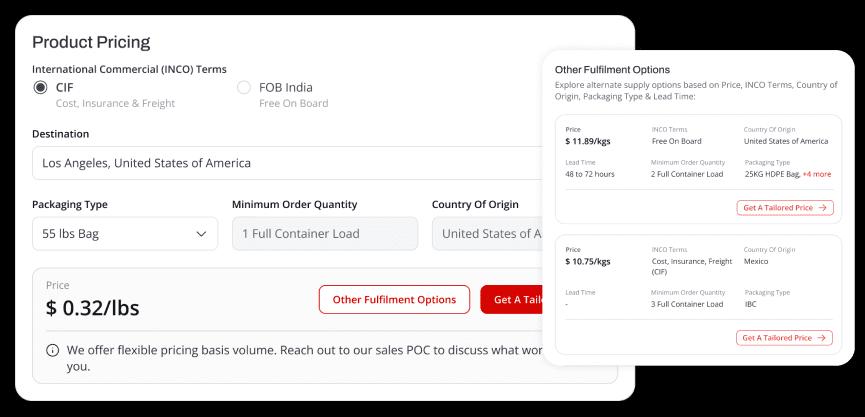
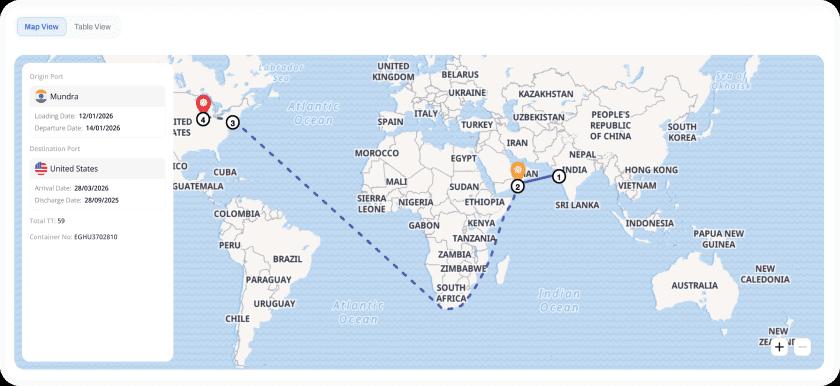
Access live, grade-specific pricing for every chemical, so your teams talks with data, not intuition on Elixir.
Compare fulfilment options across grades, INCO terms, origins, and lead times: all in one platform.

Live, transparent pricing
Real-time quotes across 12,000+ specialty chemicals.
About Dipentene 90%
Dipentene is the racemic (mixed-isomer) form of limonene, a versatile terpene solvent derived from citrus and pine sources. With strong solvency for resins, oils, waxes and rubber, and a lower cost than single-isomer d-limonene, it is widely used in paints, varnishes and resin thinning, rubber reclaiming, adhesives, printing inks and industrial cleaning, and as a bio-based chemical intermediate. Where d-limonene is the pure, clean-smelling citrus grade favoured for fragrance and food, dipentene is the technical mixed-isomer grade chosen for industrial performance and value. Its renewable terpene origin also makes it a bio-based alternative to petroleum solvents in coatings and cleaning. Industrial buyers sourcing Dipentene in bulk also track dipentene pricing closely, since it feeds directly into their downstream costs - which is why working with an established dipentene supplier and distributor like Elchemy matters.
Manufacturing Process of Dipentene
Dipentene is obtained from citrus and pine (turpentine) sources and as a by-product of terpene and paper (sulphate turpentine) processing. Crude terpene streams are fractionally distilled to isolate the dipentene (racemic limonene) fraction; grade (e.g. 'dipentene 90') reflects the limonene content after distillation. It is a natural, renewable product refined by distillation rather than synthesis. As a quality-focused dipentene manufacturer and sourcing partner, Elchemy tests every shipment for limonene content, specific gravity, refractive index and distillation range before dispatch, with a Certificate of Analysis travelling alongside each order.
Dipentene Price & Dipentene supplier: Bulk Pricing Guide
If you are comparing dipentene supplier for bulk procurement, Elchemy provides quotes based on your exact requirements. Share your volume, grade, destination and packaging on the quote form and our team reverts with a detailed offer within 24 to 48 hours. Pricing is quoted rather than published because the cost is driven by citrus and pine/turpentine feedstock availability, tied to the juice and paper industries, not a fixed list. This is why a live quote from a dipentene supplier is always more accurate than any headline figure. Beyond that, several factors shape the final dipentene price: grade, committed volume, origin country, packaging format, freight, Incoterm (FOB, CIF or DDP) and import duty (HTS 2902.19 for US-bound shipments). For an approximate read on where the market sits, procurement teams often reference turpentine and terpene solvent price indices. Trade publications also report the dipentene price per kg as a unit-level benchmark, useful for spotting short-term regional shifts. At bulk procurement scale, the dipentene price per ton (or per MT) is the most relevant commercial unit, since contracts are negotiated at that level. For an exact rate, none of these replaces a direct quote. Your final price depends on contract structure, destination, volume and timing - so a quote from our team is always the most accurate number for your procurement.
Packaging & Logistics for Bulk Dipentene
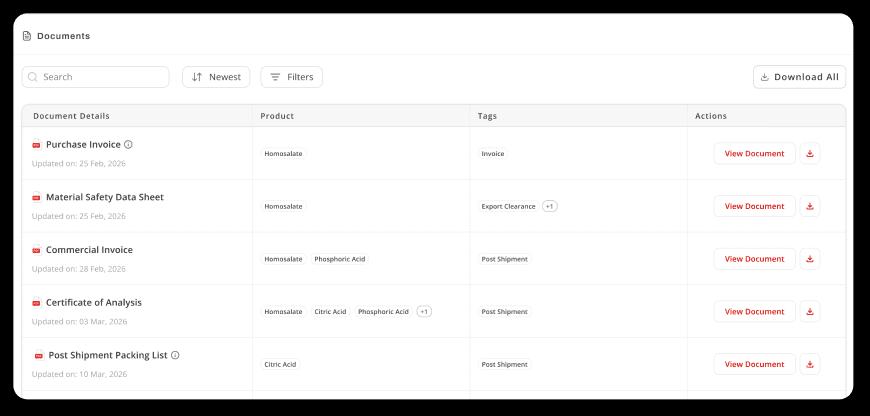
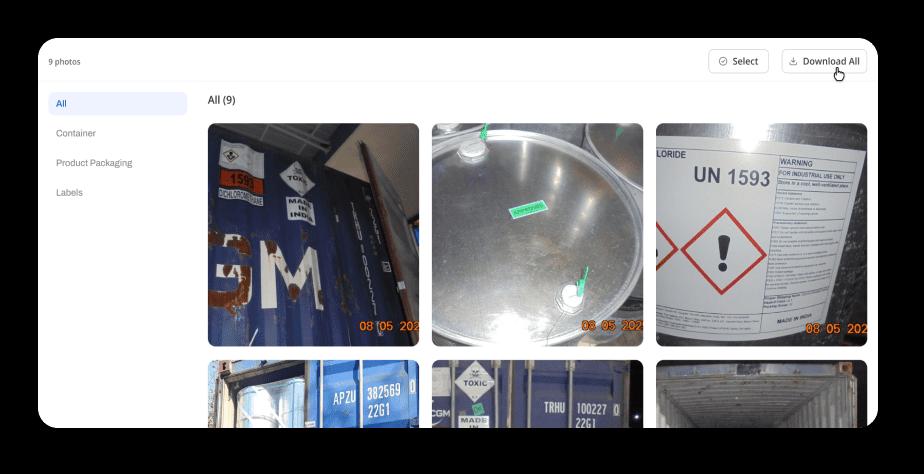
Dipentene ships in standard export packaging - bags, drums, IBCs or bulk as the material requires - with both metric and imperial weights, supplied to your specification. A typical 20' container holds a full commercial load depending on packaging. For US, UK and UAE buyers, Elchemy arranges compliant freight and customs documentation, offering EXW, FOB, CIF and DDP terms. Transit times and stock position are confirmed at quotation, and samples are dispatched within 24 to 48 hours. Store per the conditions on the TDS. As a global dipentene distributor, Elchemy ships to 40+ countries with the documentation each destination market requires.
Why Choose Elchemy as a Trusted Dipentene Supplier
Elchemy makes custom chemical sourcing Dipentene straightforward for industrial buyers. Every order ships with a Certificate of Analysis, TDS and GHS-aligned SDS as standard, across the grades listed above. Because we source across multiple origins, we quote the best landed cost for your destination rather than a single dipentene manufacturer's list price. Partner plants operate to recognised quality standards (ISO 9001, plus food/pharma certifications where relevant), with Halal and Kosher documentation on request. From the USA and UK to the UAE and beyond, Elchemy serves as a single dipentene supplier, manufacturer and distributor relationship - with samples before bulk and pricing tailored to your volume and contract terms.
Safety & Handling
Classified under GHS as Flammable Liquid Category 3 (H226), Skin Irritant/Sensitiser (H315/H317), Aspiration hazard (H304), Aquatic Chronic (H411). DOT/UN: UN2052 (dipentene) or UN2319, Class 3, PG III - confirm the SDS. Dipentene is a low-toxicity, renewable terpene solvent, but shares limonene's key considerations: it auto-oxidises in air and light to form hydroperoxides that are skin sensitisers, so it is supplied stabilised and should be stored sealed and cool; it is combustible (flash point 45 °C); it is an aspiration hazard if swallowed; and it irritates skin and eyes on prolonged contact. If used in any cosmetic context it is a declarable fragrance allergen (as limonene). Handle with gloves, keep from ignition sources, and avoid air/light exposure of stored material. The full 16-section GHS-aligned SDS is available alongside every Dipentene order.
Production Technique and Raw Materials
Dipentene is obtained from citrus and pine (turpentine) sources and as a by-product of terpene and paper (sulphate turpentine) processing. Crude terpene streams are fractionally distilled to isolate the dipentene (racemic limonene) fraction; grade (e.g. 'dipentene 90') reflects the limonene content after distillation. It is a natural, renewable product refined by distillation rather than synthesis.
Tentative Side Effects
Dipentene is a low-toxicity, renewable terpene solvent, but shares limonene's key considerations: it auto-oxidises in air and light to form hydroperoxides that are skin sensitisers, so it is supplied stabilised and should be stored sealed and cool; it is combustible (flash point 45 °C); it is an aspiration hazard if swallowed; and it irritates skin and eyes on prolonged contact. If used in any cosmetic context it is a declarable fragrance allergen (as limonene). Handle with gloves, keep from ignition sources, and avoid air/light exposure of stored material.
- Consistent, specification-grade Dipentene with a Certificate of Analysis on every batch
- Multiple grades available - Dipentene 90, High-Boiling Dipentene, Antioxidant-Stabilised and more
- Full documentation as standard: COA, TDS and GHS-aligned SDS
- Halal, Kosher and origin/non-GMO declarations on request where applicable
- Multi-origin sourcing from a single dipentene supplier for competitive landed cost
- Samples in 24–48 hours; delivery to the USA, UK, UAE and 40+ countries
FAQs - Dipentene 90%
Related Products

Related Products

Streamline
Your Chemical
Procurement
Get fast responses from real experts