Products
Our Technology
Sustainability & Compliance

Home/Products/Calcium Carbonate

Calcium Carbonate
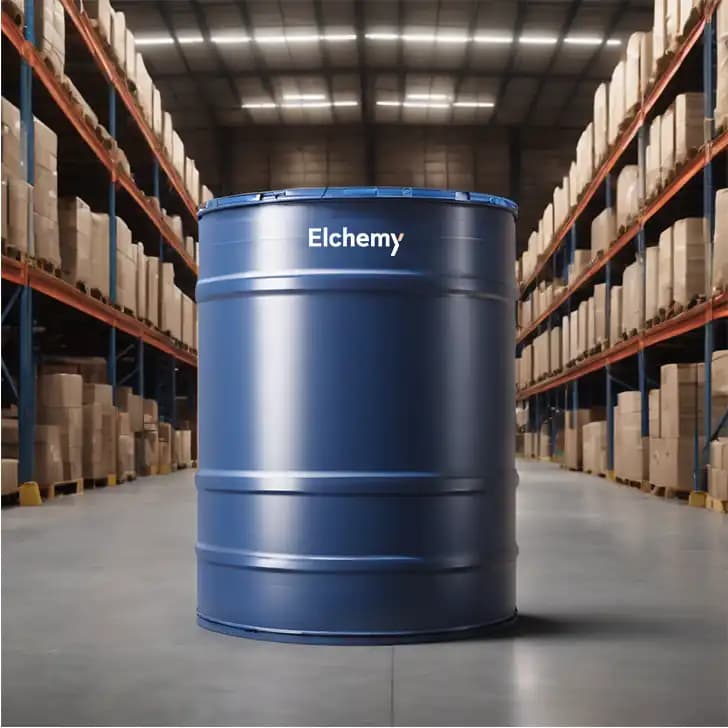
HDPE Drums

Calcium Carbonate

Get Pricing for This Product

Need pricing? Request a quote for this product and we'll get back to you shortly.

Speed Up Your Sample Testing Process

Express Delivery in 24–48 Hours

Calcium carbonate (CaCO₃) is a chemical compound that occurs naturally in various forms, including limestone, marble, chalk, and calcite. In its pure form, calcium carbonate exists as a white,

CAS Number

471-34-1

HS Code

28365000

INCI Name

-

Molecular Formula

CaCO3

Home/Products/Calcium Carbonate

Calcium Carbonate

Calcium carbonate (CaCO₃) is a chemical compound that occurs naturally in various forms, including limestone, marble, chalk, and calcite. In its pure form, calcium carbonate exists as a white, odorless powder or as crystals. Calcium carbonate can crystallize in different forms,

CAS Number

471-34-1

INCI Name

-

HS Code

28365000

Molecular Formula

CaCO3

Get Pricing for This Product

Need pricing? Request a quote for this product and we'll get back to you shortly.

Speed Up Your Sample Testing Process

We deliver domestic samples within 24 - 48 hours, helping you evaluate products and move to procurement without delays.

Calcium Carbonate
HDPE Drums

About Calcium Carbonate

Calcium Carbonate is a widely used mineral, prized for its chemical composition and natural abundance. As a critical ingredient in many industrial applications, Calcium Carbonate offers the benefit of being both cost-effective and efficient. Produced by leading calcium carbonate manufacturers, this compound is known for its high purity and reliability, making it a staple in industries ranging from construction to pharmaceuticals.


The fine particle size of Calcium Carbonate ensures that it integrates smoothly into various formulations, enhancing the physical properties of products without compromising their quality. Its chemical composition allows it to react effectively in environments where precise control over material behavior is required.


The compound’s natural abundance makes it a cost-effective solution for industries seeking to optimize production costs without sacrificing quality. Calcium Carbonate is mined and processed under strict standards to ensure that it meets the purity levels required for sensitive applications, such as in pharmaceuticals and food products. The high level of purity minimizes the risk of impurities affecting the product’s performance or safety.


Calcium Carbonate is also valued for its long shelf life, which allows industries to store large quantities without concerns about degradation over time. This makes it an economical choice for businesses that need a reliable, long-term supply of a key raw material.


Additionally, the compound’s packaging is designed to protect it from moisture and contaminants, ensuring that its quality remains intact during transport and storage.


  • High Purity: Ensures excellent performance in construction materials, paints, and adhesives.

  • Multi-Industry Applications: Suitable for use in plastics, rubber, and pharmaceuticals.

  • Eco-Friendly: A natural and abundant resource, contributing to environmentally sustainable solutions.

  • Enhances Durability: Improves the durability and longevity of products such as paints and coatings.

  • Cost-Effective: A low-cost raw material that improves the quality of finished products.

  • Fine Powder Form: Easy to incorporate into various industrial formulations.

About Calcium Carbonate

Calcium Carbonate is a widely used mineral, prized for its chemical composition and natural abundance. As a critical ingredient in many industrial applications, Calcium Carbonate offers the benefit of being both cost-effective and efficient. Produced by leading calcium carbonate manufacturers, this compound is known for its high purity and reliability, making it a staple in industries ranging from construction to pharmaceuticals.


The fine particle size of Calcium Carbonate ensures that it integrates smoothly into various formulations, enhancing the physical properties of products without compromising their quality. Its chemical composition allows it to react effectively in environments where precise control over material behavior is required.


The compound’s natural abundance makes it a cost-effective solution for industries seeking to optimize production costs without sacrificing quality. Calcium Carbonate is mined and processed under strict standards to ensure that it meets the purity levels required for sensitive applications, such as in pharmaceuticals and food products. The high level of purity minimizes the risk of impurities affecting the product’s performance or safety.


Calcium Carbonate is also valued for its long shelf life, which allows industries to store large quantities without concerns about degradation over time. This makes it an economical choice for businesses that need a reliable, long-term supply of a key raw material.


Additionally, the compound’s packaging is designed to protect it from moisture and contaminants, ensuring that its quality remains intact during transport and storage.


  • High Purity: Ensures excellent performance in construction materials, paints, and adhesives.

  • Multi-Industry Applications: Suitable for use in plastics, rubber, and pharmaceuticals.

  • Eco-Friendly: A natural and abundant resource, contributing to environmentally sustainable solutions.

  • Enhances Durability: Improves the durability and longevity of products such as paints and coatings.

  • Cost-Effective: A low-cost raw material that improves the quality of finished products.

  • Fine Powder Form: Easy to incorporate into various industrial formulations.

FAQs - Calcium Carbonate

Can Calcium Carbonate be used for pH adjustment in water treatment?
Yes, Calcium Carbonate is often used for pH adjustment in water treatment processes. It acts as a neutralizing agent, increasing the pH of acidic water.
How is Calcium Carbonate used in the manufacturing of paper and plastics?
In the paper industry, Calcium Carbonate is used as a filler and coating pigment to improve the brightness, opacity, and printability of paper. In plastics, it is used as a reinforcing agent and filler.
Is Calcium Carbonate the same as limestone or chalk?
Yes, Calcium Carbonate is the main component of limestone and chalk. These materials are composed primarily of Calcium Carbonate and are used in various industrial and commercial applications.
What is the difference between Calcium Carbonate and Calcium Citrate?
Calcium Carbonate and Calcium Citrate are different forms of calcium supplements. Calcium Carbonate is more concentrated and often taken with meals, while Calcium Citrate is less concentrated and can be taken without food.
Is Calcium Carbonate safe to consume?
Yes, Calcium Carbonate is generally recognized as safe for consumption when used as a dietary supplement or antacid in appropriate doses. It provides essential calcium for bone health and helps neutralize stomach acid.

Related Products

Hydrochloric Acid

Hydrochloric Acid

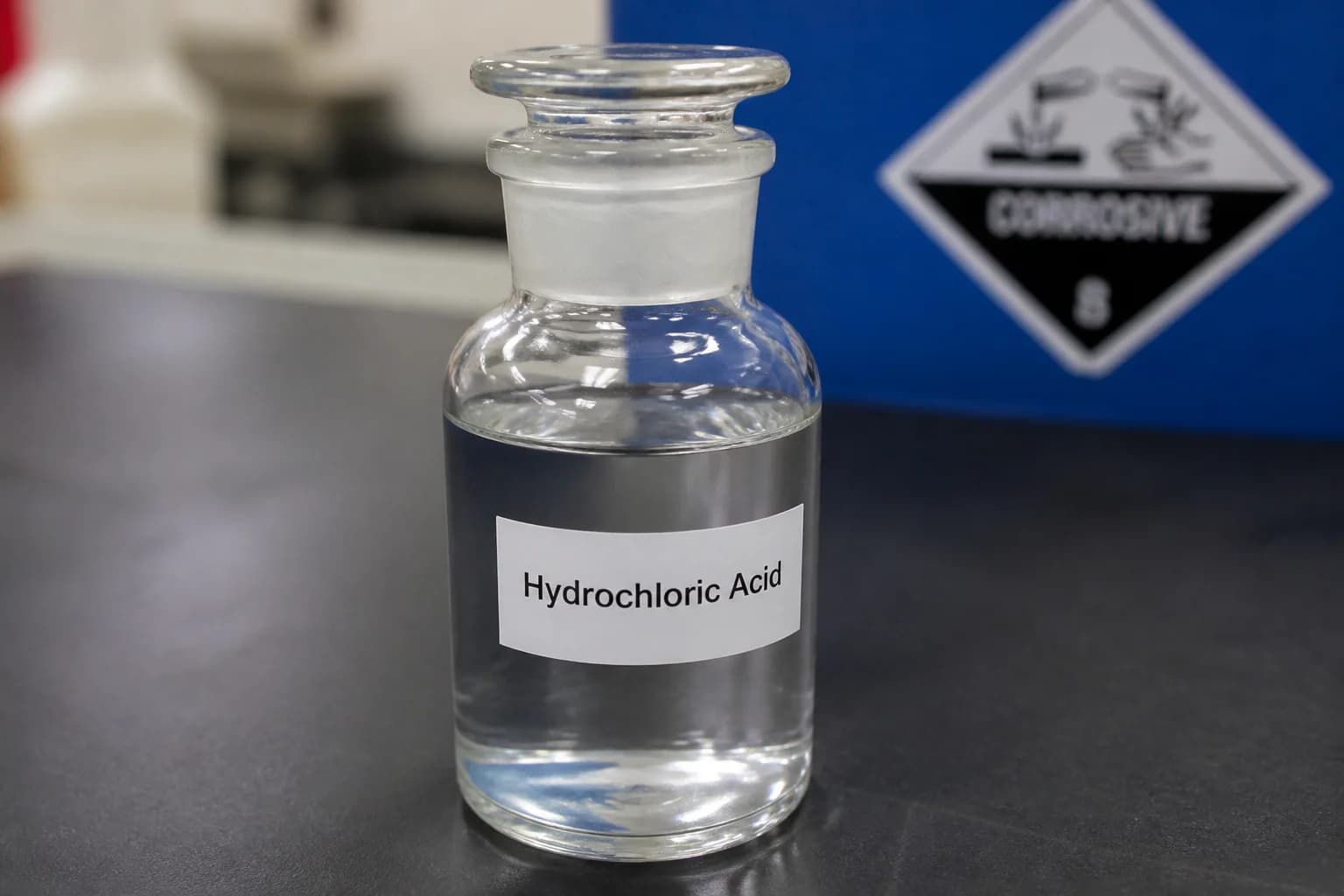
Hydrochloric Acid, also known as Muriatic Acid, is a highly corrosive inorganic compound widely used across multiple industries for its strong acidic properties. It is produced by dissolving hydrogen chloride gas (HCl) in water, resulting in a clear, colorless liquid with a sharp, pungent odor. As one of the leading hydrochloric acid manufacturers and suppliers in USA & India, Elchemy ensures high-quality production standards, purity, and safe packaging suitable for industrial applications

View Details
Caustic Soda Lye

Caustic Soda Lye

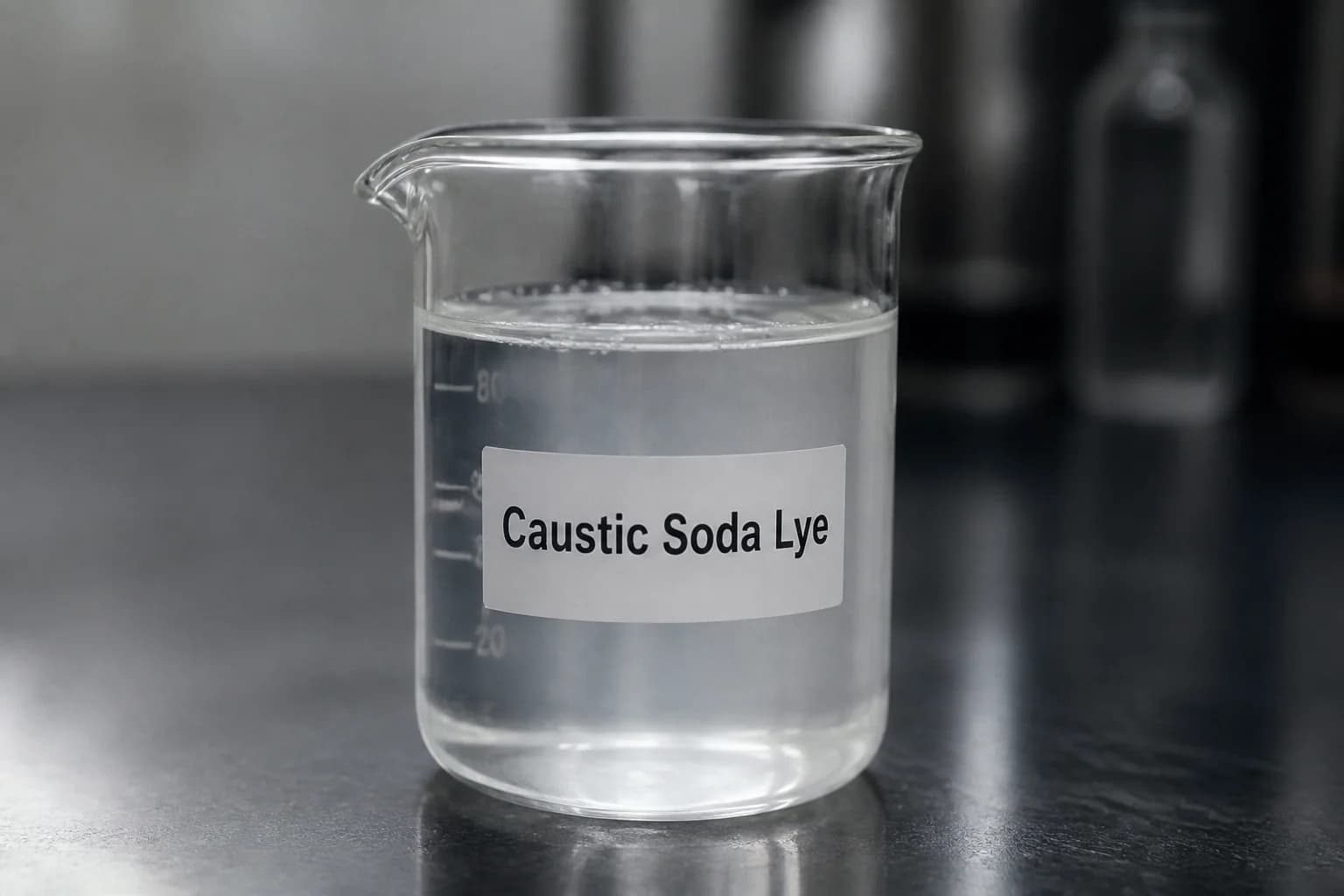
Caustic soda lye, also known as sodium hydroxide solution or caustic soda solution, is a liquid form of NaOH dissolved in water. It appears as a clear, colorless liquid with a slippery texture and strong alkaline nature. Due to its hygroscopic properties, this solution readily absorbs moisture from the air and maintains high chemical reactivity. Industries closely monitor the caustic lye price and liquid caustic soda price to manage procurement and operational costs effectively. The price of caustic soda varies depending on concentration, demand, and logistics, while caustic soda pricing trends help buyers make strategic purchasing decisions. For bulk buyers, the caustic soda bulk price is a key factor in long-term sourcing contracts. Industries across the globe rely on caustic soda lye manufacturers and established caustic soda manufacturers for consistent quality, safety, and performance. Available in different concentrations, including industrial grades such as caustic liquid-320, caustic soda lye is widely used in chemical processing, water treatment, textiles, petroleum refining, and manufacturing applications while maintaining competitive caustic lye price benchmarks.

View Details
Calcium Hydroxide

Calcium Hydroxide

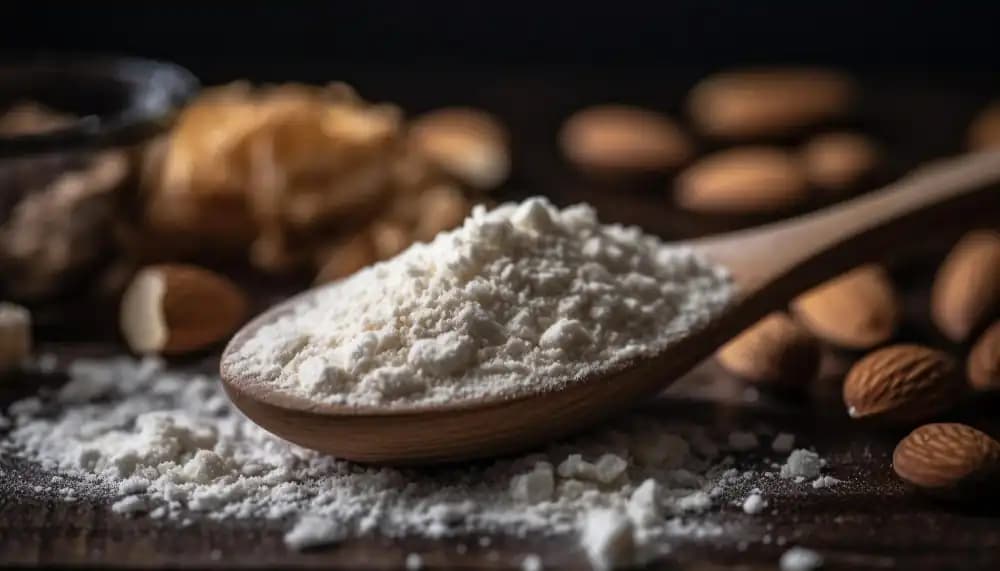
Calcium hydroxide, also known as slaked lime or hydrated lime, is a chemical compound formed when calcium oxide (quicklime) reacts with water. It is a white, crystalline powder with a slightly alkaline taste and has low solubility in water. Calcium hydroxide is an alkaline substance, and its water solution is referred to as lime water.

View Details
Pentadecanolide

Pentadecanolide

Pentadecanolide is a macrocyclic lactone commonly used in the fragrance industry. Known for its musky odor, it is a key ingredient in perfumes and cosmetics, providing a long-lasting scent. Its stability and non-reactive nature make it ideal for use in various formulations.

View Details
Aldehyde C12

Aldehyde C12

Aldehyde C12, also known as Lauric Aldehyde, is a synthetic fragrance compound widely used in the flavors and fragrance industry. It is known for its strong, fatty, and citrus-like odor, making it a popular choice in perfumery and as a flavoring agent. Its versatility allows it to blend well with other fragrance components, enhancing the overall scent profile.

View Details

Related Products

Hydrochloric Acid

Hydrochloric Acid

Hydrochloric Acid, also known as Muriatic Acid, is a highly corrosive inorganic compound widely used across multiple industries for its strong acidic properties. It is produced by dissolving hydrogen chloride gas (HCl) in water, resulting in a clear, colorless liquid with a sharp, pungent odor. As one of the leading hydrochloric acid manufacturers and suppliers in USA & India, Elchemy ensures high-quality production standards, purity, and safe packaging suitable for industrial applications

View Details
Caustic Soda Lye

Caustic Soda Lye

Caustic soda lye, also known as sodium hydroxide solution or caustic soda solution, is a liquid form of NaOH dissolved in water. It appears as a clear, colorless liquid with a slippery texture and strong alkaline nature. Due to its hygroscopic properties, this solution readily absorbs moisture from the air and maintains high chemical reactivity. Industries closely monitor the caustic lye price and liquid caustic soda price to manage procurement and operational costs effectively. The price of caustic soda varies depending on concentration, demand, and logistics, while caustic soda pricing trends help buyers make strategic purchasing decisions. For bulk buyers, the caustic soda bulk price is a key factor in long-term sourcing contracts. Industries across the globe rely on caustic soda lye manufacturers and established caustic soda manufacturers for consistent quality, safety, and performance. Available in different concentrations, including industrial grades such as caustic liquid-320, caustic soda lye is widely used in chemical processing, water treatment, textiles, petroleum refining, and manufacturing applications while maintaining competitive caustic lye price benchmarks.

View Details
Calcium Hydroxide

Calcium Hydroxide

Calcium hydroxide, also known as slaked lime or hydrated lime, is a chemical compound formed when calcium oxide (quicklime) reacts with water. It is a white, crystalline powder with a slightly alkaline taste and has low solubility in water. Calcium hydroxide is an alkaline substance, and its water solution is referred to as lime water.

View Details
Pentadecanolide

Pentadecanolide

Pentadecanolide is a macrocyclic lactone commonly used in the fragrance industry. Known for its musky odor, it is a key ingredient in perfumes and cosmetics, providing a long-lasting scent. Its stability and non-reactive nature make it ideal for use in various formulations.

View Details

Streamline
your chemical
procurement

Get fast responses from real experts

Phone