
Products
Our Technology
Sustainability & Compliance

Home/Products/Ammonium Molybdate

Ammonium Molybdate
Bags

Ammonium Molybdate

ELAROMATM – AMB

Get Pricing for This Product

Need pricing? Request a quote for this product and we'll get back to you shortly.

Speed Up Your Sample Testing Process

Express Delivery in 24–48 Hours

Ammonium Molybdate is a white crystalline compound used primarily as a precursor to molybdenum metal and its compounds. It is widely utilized in the chemical industry for the production of molybdenum

CAS Number

13106-76-8

HS Code

28417000

INCI Name

-

Molecular Formula

(NH4)6Mo7O24·4H2O

Home/Products/Ammonium Molybdate

Ammonium Molybdate

ELAROMATM – AMB

Ammonium Molybdate is a white crystalline compound used primarily as a precursor to molybdenum metal and its compounds. It is widely utilized in the chemical industry for the production of molybdenum catalysts, pigments, and corrosion inhibitors. Additionally, it serves as a

CAS Number

13106-76-8

INCI Name

-

HS Code

28417000

Molecular Formula

(NH4)6Mo7O24·4H2O

Get Pricing for This Product

Need pricing? Request a quote for this product and we'll get back to you shortly.

Speed Up Your Sample Testing Process

We deliver domestic samples within 24 - 48 hours, helping you evaluate products and move to procurement without delays.

Ammonium Molybdate
Bags

About Ammonium Molybdate

Ammonium Molybdate manufacturers and suppliers provide a high-purity compound essential for various industrial applications. This versatile chemical is crucial in the production of catalysts, pigments, and corrosion inhibitors. Its role in analytical chemistry as a reagent for phosphate and arsenate detection highlights its importance in laboratory settings. Ammonium Molybdate's ability to enhance the properties of glass and ceramics further underscores its industrial significance. Manufacturers focus on producing a consistent and stable product to meet the stringent demands of global markets, particularly in North America. The trend towards sustainable practices in chemical manufacturing is also influencing the production of Ammonium Molybdate, with efforts to minimize environmental impact and optimize resource use.

  • High Purity: Ensures reliable performance in catalyst and pigment production.
  • Versatile Applications: Used in corrosion inhibition, analytical chemistry, and more.
  • Solubility: Easily dissolves in water, facilitating its use in various formulations.
  • Stable Compound: Offers a long shelf life and consistent quality.
  • Eco-Friendly Production: Manufacturers are adopting greener practices to reduce environmental impact.

About Ammonium Molybdate

Ammonium Molybdate manufacturers and suppliers provide a high-purity compound essential for various industrial applications. This versatile chemical is crucial in the production of catalysts, pigments, and corrosion inhibitors. Its role in analytical chemistry as a reagent for phosphate and arsenate detection highlights its importance in laboratory settings. Ammonium Molybdate's ability to enhance the properties of glass and ceramics further underscores its industrial significance. Manufacturers focus on producing a consistent and stable product to meet the stringent demands of global markets, particularly in North America. The trend towards sustainable practices in chemical manufacturing is also influencing the production of Ammonium Molybdate, with efforts to minimize environmental impact and optimize resource use.

  • High Purity: Ensures reliable performance in catalyst and pigment production.
  • Versatile Applications: Used in corrosion inhibition, analytical chemistry, and more.
  • Solubility: Easily dissolves in water, facilitating its use in various formulations.
  • Stable Compound: Offers a long shelf life and consistent quality.
  • Eco-Friendly Production: Manufacturers are adopting greener practices to reduce environmental impact.

FAQs - Ammonium Molybdate

What is Ammonium Molybdate used for?
Ammonium Molybdate is used in catalyst production, corrosion inhibition, pigment manufacturing, and as a reagent in analytical chemistry.
Is Ammonium Molybdate soluble in water?
Yes, Ammonium Molybdate is soluble in water.
What is the shelf life of Ammonium Molybdate?
The shelf life of Ammonium Molybdate is at least 2 years when stored properly.

Related Products

Ethylenedinitrilo Tetraacetic Acid (EDTA)

Ethylenedinitrilo Tetraacetic Acid (EDTA)

EDTA, also referred to as ethylenedinitrilo tetraacetic acid, is a white powder that is soluble in a variety of solvents and has the ability to combine with transition metals, rare earth elements, and alkali metals to form stable complexes. It is used as a chelating agent to adhere to metals and calcium because of its claw-like structure. Doctors prescribe EDTA to help the body rid itself of toxins, and it's a vital component of medications that fight cancer. At 240°C, it breaks down over its melting point.

View Details
Sodium Hexametaphosphate (SHMP)

Sodium Hexametaphosphate (SHMP)

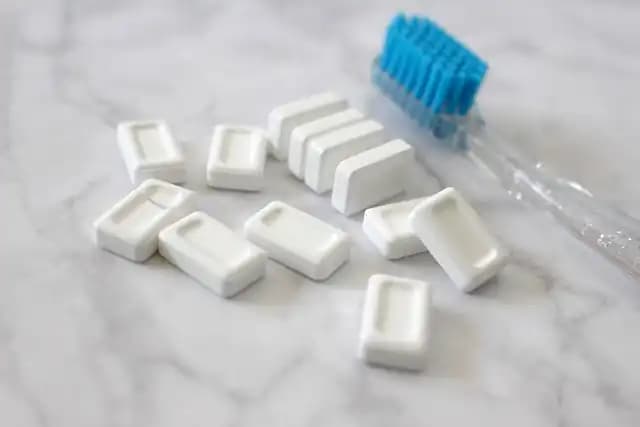
Sodium hexametaphosphate (SHMP) is a salt that is primarily used as a sequestrant in food additives and other industries. It is made up of the elements Na6[(PO3)6]. To make products for water softening and detergents, add sodium carbonate to raise it to 8.0–8.6. In addition, SHMP is employed as a dispersing agent for evaluating soil texture, a deflocculant in clay-based ceramic particles, and an active component in toothpastes to prevent tartar and staining.

View Details
Maltodextrin

Maltodextrin

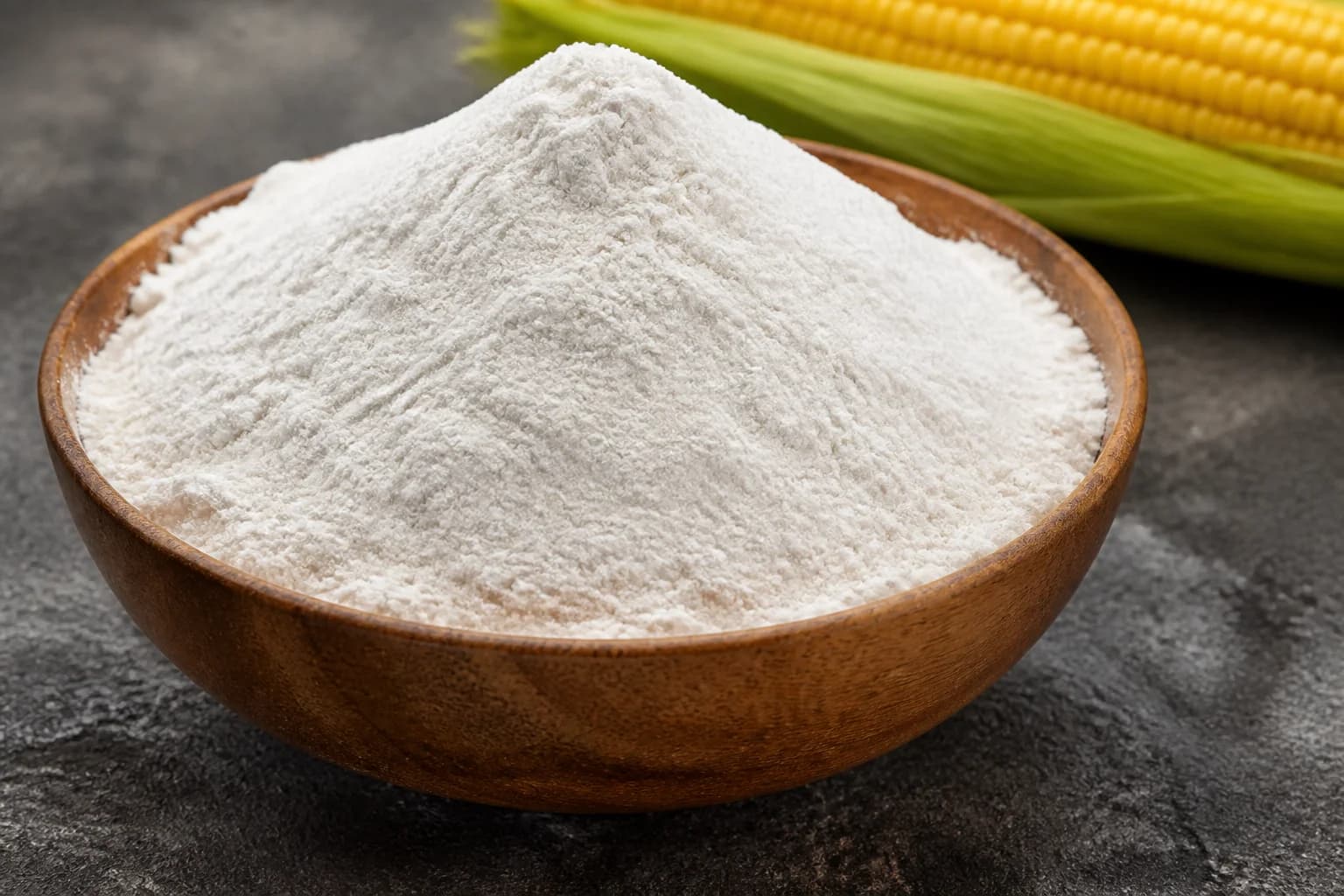
Maltodextrin is a hygroscopic, spray-dried white powder that is produced from starch through partial hydrolysis. Due to flexible properties like moderate or neutral taste, binding properties, solubility, etc. It has a wide range of applications in the food and pharmaceutical industries.

View Details
Salicylic Acid

Salicylic Acid

Salicylic acid is a beta-hydroxy acid derived from willow bark, distinguished by its oil-solubility, exfoliating, and anti-inflammatory properties, extensively utilized in acne treatments, exfoliants, and dermatological formulations due to its ability to penetrate sebum, clear pores, and regulate skin cell turnover.

View Details

Related Products

Ethylenedinitrilo Tetraacetic Acid (EDTA)

Ethylenedinitrilo Tetraacetic Acid (EDTA)

EDTA, also referred to as ethylenedinitrilo tetraacetic acid, is a white powder that is soluble in a variety of solvents and has the ability to combine with transition metals, rare earth elements, and alkali metals to form stable complexes. It is used as a chelating agent to adhere to metals and calcium because of its claw-like structure. Doctors prescribe EDTA to help the body rid itself of toxins, and it's a vital component of medications that fight cancer. At 240°C, it breaks down over its melting point.

View Details
Sodium Hexametaphosphate (SHMP)

Sodium Hexametaphosphate (SHMP)

Sodium hexametaphosphate (SHMP) is a salt that is primarily used as a sequestrant in food additives and other industries. It is made up of the elements Na6[(PO3)6]. To make products for water softening and detergents, add sodium carbonate to raise it to 8.0–8.6. In addition, SHMP is employed as a dispersing agent for evaluating soil texture, a deflocculant in clay-based ceramic particles, and an active component in toothpastes to prevent tartar and staining.

View Details
Maltodextrin

Maltodextrin

Maltodextrin is a hygroscopic, spray-dried white powder that is produced from starch through partial hydrolysis. Due to flexible properties like moderate or neutral taste, binding properties, solubility, etc. It has a wide range of applications in the food and pharmaceutical industries.

View Details
Salicylic Acid

Salicylic Acid

Salicylic acid is a beta-hydroxy acid derived from willow bark, distinguished by its oil-solubility, exfoliating, and anti-inflammatory properties, extensively utilized in acne treatments, exfoliants, and dermatological formulations due to its ability to penetrate sebum, clear pores, and regulate skin cell turnover.

View Details

Streamline
your chemical
procurement

Get fast responses from real experts

Phone