Products
Our Technology
Sustainability & Compliance

Home/Products/Sodium Hexametaphosphate (SHMP)

Sodium Hexametaphosphate (SHMP)
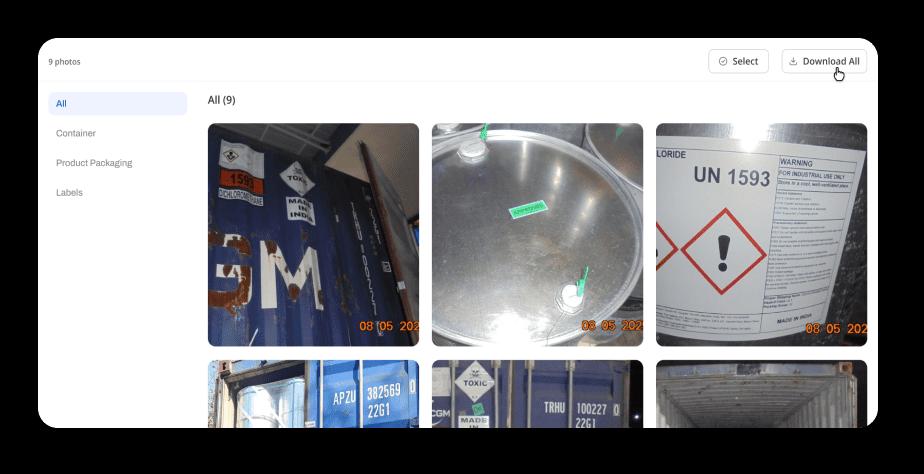
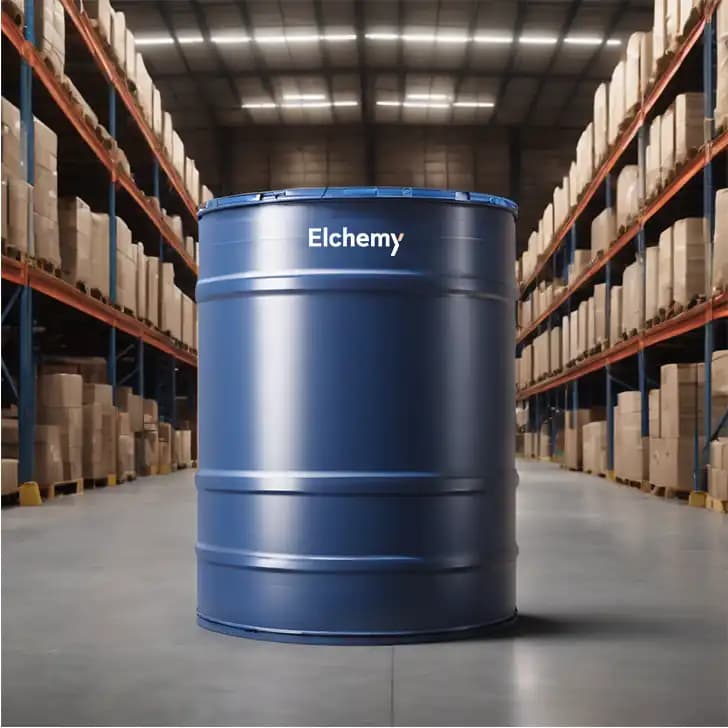
HDPE Drums

Sodium Hexametaphosphate (SHMP)

Sodium Hexametaphosphate (SHMP)

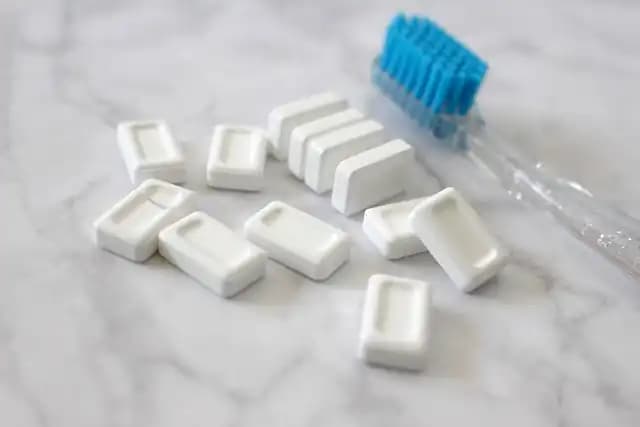
Sodium hexametaphosphate (SHMP) is a salt that is primarily used as a sequestrant in food additives and other industries. It is made up of the elements Na6[(PO3)6]. To make products for water softening and detergents, add sodium carbonate to raise it to 8.0–8.6. In addition, SHMP is employed as a dispersing agent for evaluating soil texture, a deflocculant in clay-based ceramic particles, and an active component in toothpastes to prevent tartar and staining.

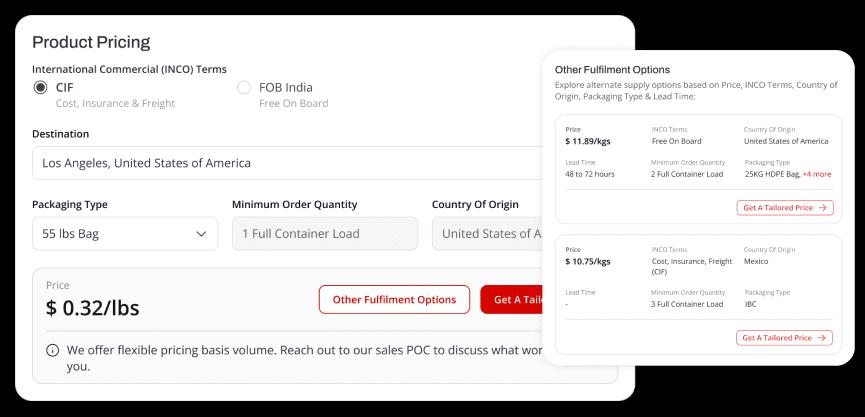
Get Pricing for This Product

Need pricing? Request a quote for this product and we'll get back to you shortly.

Speed Up Your Sample Testing Process

Express Delivery in 24–48 Hours

CAS Number

10124-56-8

HS Code

28352940

Molecular Formula

Na6P6O18

INCI Name

-

Home/Products/Sodium Hexametaphosphate (SHMP)

Sodium Hexametaphosphate (SHMP)

Sodium hexametaphosphate (SHMP) is a salt that is primarily used as a sequestrant in food additives and other industries. It is made up of the elements Na6[(PO3)6]. To make products for water softening and detergents, add sodium carbonate to raise it to 8.0–8.6. In addition, SHMP

CAS Number

10124-56-8

INCI Name

-

HS Code

28352940

Molecular Formula

Na6P6O18

Get Pricing for This Product

Need pricing? Request a quote for this product and we'll get back to you shortly.

Speed Up Your Sample Testing Process

We deliver domestic samples within 24 - 48 hours, helping you evaluate products and move to procurement without delays.

Sodium Hexametaphosphate (SHMP)
HDPE Drums

Sodium Hexametaphosphate (SHMP)

About Sodium Hexametaphosphate (SHMP)

About Sodium Hexametaphosphate (SHMP)

FAQs - Sodium Hexametaphosphate (SHMP)

How is Sodium Hexametaphosphate (SHMP) used in food?
SHMP is often used in food processing as a sequestrant, emulsifier, and stabilizer. It helps to improve texture, retain moisture, and enhance the shelf life of various food products, including seafood, meat, and dairy.
Can Sodium Hexametaphosphate (SHMP) be used in water treatment?
Yes, SHMP is commonly employed in water treatment processes, particularly as a water softener and scale inhibitor. It helps to prevent the buildup of scale and deposits in pipes, boilers, and other water systems.
What are the benefits of using Sodium Hexametaphosphate (SHMP) in detergents?
In detergents and cleaning products, SHMP acts as a dispersant and deflocculant, helping to prevent soil redeposition and improving cleaning efficiency. It also aids in water softening and can enhance the performance of laundry detergents.
Does Sodium Hexametaphosphate (SHMP) have any environmental impacts?
While SHMP itself is biodegradable, excessive discharge into water bodies can lead to environmental concerns such as eutrophication and nutrient imbalances. Proper disposal practices and regulatory compliance are essential to minimize environmental impact.
Can Sodium Hexametaphosphate (SHMP) be used in cosmetics?
Yes, SHMP is sometimes used in cosmetics and personal care products as a chelating agent and to adjust pH levels. It helps to stabilize formulations and improve product performance.

Related Products

Citric Acid Anhydrous

Citric Acid Anhydrous

Citric acid is a tricarboxylic acid having a hydroxy substituent at position 2. As a basic metabolite, chelator, antimicrobial agent, and regulator of food acidity, it is an essential metabolite in aerobic organisms. Because of its many advantages and low environmental impact, it is used in food, cosmetics, and cleaning products. It functions as a preservative in food, maintaining the color, flavor, and texture while bringing the pH levels back into balance. It minimizes fine lines, brightens skin, and aids in stain removal when used in cosmetics.

View Details
Ethylenedinitrilo Tetraacetic Acid (EDTA)

Ethylenedinitrilo Tetraacetic Acid (EDTA)

EDTA, also referred to as ethylenedinitrilo tetraacetic acid, is a white powder that is soluble in a variety of solvents and has the ability to combine with transition metals, rare earth elements, and alkali metals to form stable complexes. It is used as a chelating agent to adhere to metals and calcium because of its claw-like structure. Doctors prescribe EDTA to help the body rid itself of toxins, and it's a vital component of medications that fight cancer. At 240°C, it breaks down over its melting point.

View Details

Related Products

Citric Acid Anhydrous

Citric Acid Anhydrous

Citric acid is a tricarboxylic acid having a hydroxy substituent at position 2. As a basic metabolite, chelator, antimicrobial agent, and regulator of food acidity, it is an essential metabolite in aerobic organisms. Because of its many advantages and low environmental impact, it is used in food, cosmetics, and cleaning products. It functions as a preservative in food, maintaining the color, flavor, and texture while bringing the pH levels back into balance. It minimizes fine lines, brightens skin, and aids in stain removal when used in cosmetics.

View Details
Ethylenedinitrilo Tetraacetic Acid (EDTA)

Ethylenedinitrilo Tetraacetic Acid (EDTA)

EDTA, also referred to as ethylenedinitrilo tetraacetic acid, is a white powder that is soluble in a variety of solvents and has the ability to combine with transition metals, rare earth elements, and alkali metals to form stable complexes. It is used as a chelating agent to adhere to metals and calcium because of its claw-like structure. Doctors prescribe EDTA to help the body rid itself of toxins, and it's a vital component of medications that fight cancer. At 240°C, it breaks down over its melting point.

View Details

Streamline
your chemical
procurement

Get fast responses from real experts

Phone