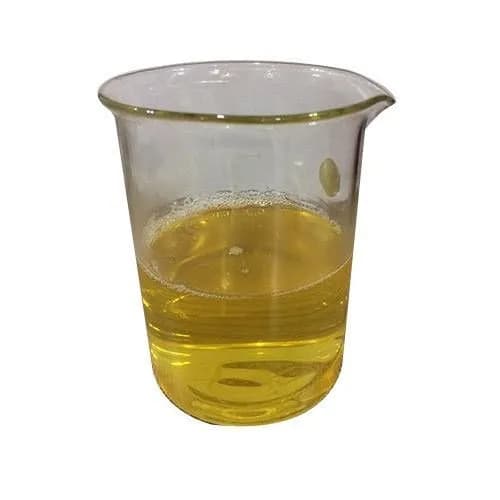
Alpha Olefin Sulphonate (AOS) 38%
ELSURFACTM – AOS38
Get Pricing For This Product
Need pricing? Request a quote for this product and we'll get back to you shortly.
Speed Up Your Sample Testing Process
Express Delivery in 24–48 Hours
Alpha Olefin Sulphonate (AOS) 38% is a biodegradable surfactant widely used in detergents and personal care products. It exhibits excellent foaming, cleaning, and emulsifying properties.
CAS Number
68439-57-6
HS Code
3402.11.90
INCI Name
Alpha Olefin Sulfonate (AOS)
Molecular Formula
C₁₄H₂₉NaO₃S
Alpha Olefin Sulphonate (AOS) 38%
ELSURFACTM – AOS38
Alpha Olefin Sulphonate (AOS) 38% is a biodegradable surfactant widely used in detergents and personal care products. It exhibits excellent foaming, cleaning, and emulsifying properties.
CAS Number
68439-57-6
INCI Name
Alpha Olefin Sulfonate (AOS)
HS Code
3402.11.90
Molecular Formula
C₁₄H₂₉NaO₃S
Get Pricing For This Product
Need pricing? Request a quote for this product and we'll get back to you shortly.
Speed Up Your Sample Testing Process
We deliver domestic samples within 24 - 48 hours, helping you evaluate product without delays.
Product Specification
Physical Properties
| Property | Specification |
|---|---|
| Appearance | Clear to slightly turbid pale yellow powder |
| Odor | Mild odor |
| Molecular Weight (G/Mol) | 300.44 |
| Density Or Specific Gravity | 1.054 g/cm3 at 20℃ |
| Viscosity | 40 mPa·s (liquid) |
| Ph (If Aqueous Solution) | 7-9 |
| Hlb Value | 11 |
Thermal Properties
| Property | Specification |
|---|---|
| Melting Point | 140°C to 580°C |
| Boiling Point | > 100 °C |
| Flash Point | >100°C |
Processing Methods & Reference Formulations
A. Laundry Detergents
When incorporating Alpha Olefin Sulphonate (AOS) into laundry detergent formulations, add it to the water phase with gentle stirring to avoid excessive foaming. Use it as a primary or secondary surfactant for excellent cleansing and foaming properties, especially in hard water. Maintain the formulation pH between 7–9 to ensure AOS stability and effectiveness. Avoid high shear mixing after addition to preserve its foaming characteristics.
| Key Ingredients | Indicative Dosage (% w/w) |
|---|---|
| Alpha Olefin Sulphonate (AOS) | 10–25% |
| Alkali Pentavalent Phosphoric Acid Salt | 10–30% |
| Sodium Silicate | 2–10% |
| Alkanol | 0.4–8% |
| Sodium Sulfate | 5–20% |
| Water | 10-20% |
B. Hair Shampoo
When adding Alpha Olefin Sulphonate (AOS) to hair shampoo formulations, incorporate it into the aqueous phase under gentle stirring to minimize foaming during mixing. AOS provides strong cleansing and foaming, so it’s often blended with milder surfactants (e.g., betaine) to reduce potential irritation. Maintain the formulation pH between 5.5 and 6.5 for scalp compatibility.
| Key Ingredients | Indicative Dosage (% w/w) |
|---|---|
| Alpha Olefin Sulphonate | 3-13% |
| Amphoteric or zwitterionic surfactant | 1 to 6% |
| Cationic conditioning polymer | 0.05 to 0.9% |
| Silicone emulsion | 0.05 to 10% |
| Water | 50-60% |
C. Cleanser
When formulating with Alpha Olefin Sulphonate (AOS), pre-dilute it before adding to the formulation to reduce viscosity shocks and avoid lump formation. Always add AOS slowly under gentle stirring to maintain clarity and stability.
| Key Ingredients | Indicative Dosage (% w/w) |
|---|---|
| Alpha Olefin Sulphonate | 4-30% |
| Cocamidopropyl Betaine | 2-8% |
| Glycerin | 1-5% |
| Water | 60-70% |
Dosing Guidelines
A. Products
| Products | Authorized dosage |
|---|---|
| Cosmetics and personal care: Shampoos | 4–16% |
| Body Washes | 4–30% |
| Laundry Detergents | 10-25% |
About Alpha Olefin Sulphonate (AOS) 38%
Alpha Olefin Sulfonate (AOS) 38% is a high-performance surfactant produced through the sulfonation of alpha olefins. Its linear molecular structure ensures excellent biodegradability, making it an environmentally friendly option for detergent and personal care formulations.
Due to its excellent foaming properties and resistance to hard water, AOS 38% performs exceptionally well in both cold and warm washing conditions. It provides quick wetting, effective emulsification, and superior degreasing power, making it ideal for heavy-duty cleaning products.
In personal care, AOS 38% is valued for its mildness on the skin compared to conventional surfactants like SLS or LAS. It delivers a creamy, stable foam that enhances the sensory experience in shampoos, facial cleansers, and body washes.
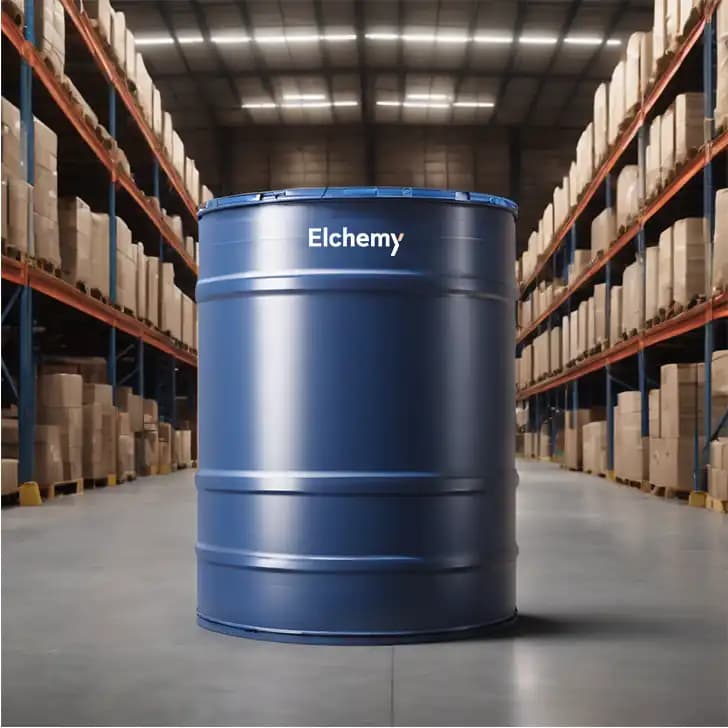
Leading alpha olefin sulfonate suppliers ensure consistent quality, high active matter percentage, and compliance with international safety and environmental standards. The product is typically supplied in HDPE drums, iso drums, and iso tanks to meet varying industrial requirements.
Why Source Alpha-Olefin Sulfonate (AOS) Through Elchemy?
- Verified AOS Manufacturer Network: Every alpha-olefin sulfonate producer in the Elchemy network is pre-audited for active content, colour, and consistency before onboarding. You deal with one accountable partner for personal care and industrial grades, and we manage supplier risk.
- Bulk Supply with Transparent Pricing on an Actives Basis: Source AOS (CAS 68439-57-6) from samples up to drums, IBCs, and bulk powder, priced per kg on an actives basis and scaled to your volume, with a binding quote within 24 business hours.
- AOS 38 Liquid & AOS 92 Powder, Fully Documented: Choose liquid AOS 38–40% or high-active 92–93% powder/needles, matched to your formulation; every order ships with COA, TDS, and GHS-compliant SDS.
- Personal Care & Detergent Grades: Cosmetic-grade for shampoos, body wash, and mild cleansers; industrial-grade for laundry, dish, and hard-surface cleaning — including readily biodegradable grades for eco-positioned products.
- Samples Dispatched in 24–48 Hours: Validate foam, mildness, and performance before bulk commitment. COA-backed samples of liquid or powder AOS are dispatched within 24–48 hours of confirmation.
- 40+ Country Reach with Market-Ready Compliance: Elchemy delivers worldwide with COA, SDS, and regulatory documentation for personal care and home-care applications.
About Alpha Olefin Sulphonate (AOS) 38%
Alpha Olefin Sulfonate (AOS) 38% is a high-performance surfactant produced through the sulfonation of alpha olefins. Its linear molecular structure ensures excellent biodegradability, making it an environmentally friendly option for detergent and personal care formulations.
Due to its excellent foaming properties and resistance to hard water, AOS 38% performs exceptionally well in both cold and warm washing conditions. It provides quick wetting, effective emulsification, and superior degreasing power, making it ideal for heavy-duty cleaning products.
In personal care, AOS 38% is valued for its mildness on the skin compared to conventional surfactants like SLS or LAS. It delivers a creamy, stable foam that enhances the sensory experience in shampoos, facial cleansers, and body washes.
Leading alpha olefin sulfonate suppliers ensure consistent quality, high active matter percentage, and compliance with international safety and environmental standards. The product is typically supplied in HDPE drums, iso drums, and iso tanks to meet varying industrial requirements.
Why Source Alpha-Olefin Sulfonate (AOS) Through Elchemy?
- Verified AOS Manufacturer Network: Every alpha-olefin sulfonate producer in the Elchemy network is pre-audited for active content, colour, and consistency before onboarding. You deal with one accountable partner for personal care and industrial grades, and we manage supplier risk.
- Bulk Supply with Transparent Pricing on an Actives Basis: Source AOS (CAS 68439-57-6) from samples up to drums, IBCs, and bulk powder, priced per kg on an actives basis and scaled to your volume, with a binding quote within 24 business hours.
- AOS 38 Liquid & AOS 92 Powder, Fully Documented: Choose liquid AOS 38–40% or high-active 92–93% powder/needles, matched to your formulation; every order ships with COA, TDS, and GHS-compliant SDS.
- Personal Care & Detergent Grades: Cosmetic-grade for shampoos, body wash, and mild cleansers; industrial-grade for laundry, dish, and hard-surface cleaning — including readily biodegradable grades for eco-positioned products.
- Samples Dispatched in 24–48 Hours: Validate foam, mildness, and performance before bulk commitment. COA-backed samples of liquid or powder AOS are dispatched within 24–48 hours of confirmation.
- 40+ Country Reach with Market-Ready Compliance: Elchemy delivers worldwide with COA, SDS, and regulatory documentation for personal care and home-care applications.
Regulatory Compliance
| Region | Max Allowed Level | Notes | Certification Body |
|---|---|---|---|
| Australia | - | Not specifically restricted | - |
| Canada | - | No statutory maximum | - |
| China | - | Not specifically restricted | NMPA - National Medical Products Administration |
| Japan | - | For leave on applications, the authorized range of avobenzone is up to 10%. | MHLW – Ministry of Health, Labour and Welfare |
| Republic of Korea | - | Not specifically restricted | MFDS - Ministry of Food and Drug Safety |
| United States | 2% | CIR: Safe as used in rinse-off, limit to 2% in leave-on products | FDA |
| ASEAN | - | Not specifically restricted | - |
| European Union | 2% | Not specifically restricted in the EU Cosmetics Regulation. | SCCS (Scientific Committee on Consumer Safety) |
FAQs - Alpha Olefin Sulphonate (AOS) 38%
Related Products
Related Products
Streamline
Your Chemical
Procurement
Get fast responses from real experts