
C.A.S.E.
Comprehensive solutions for Coatings, Adhesives, Sealants, and Elastomers with innovative chemical technologies.
TOP OF THE LINE
Top Products
BROWSE EVERYTHING
Product Range
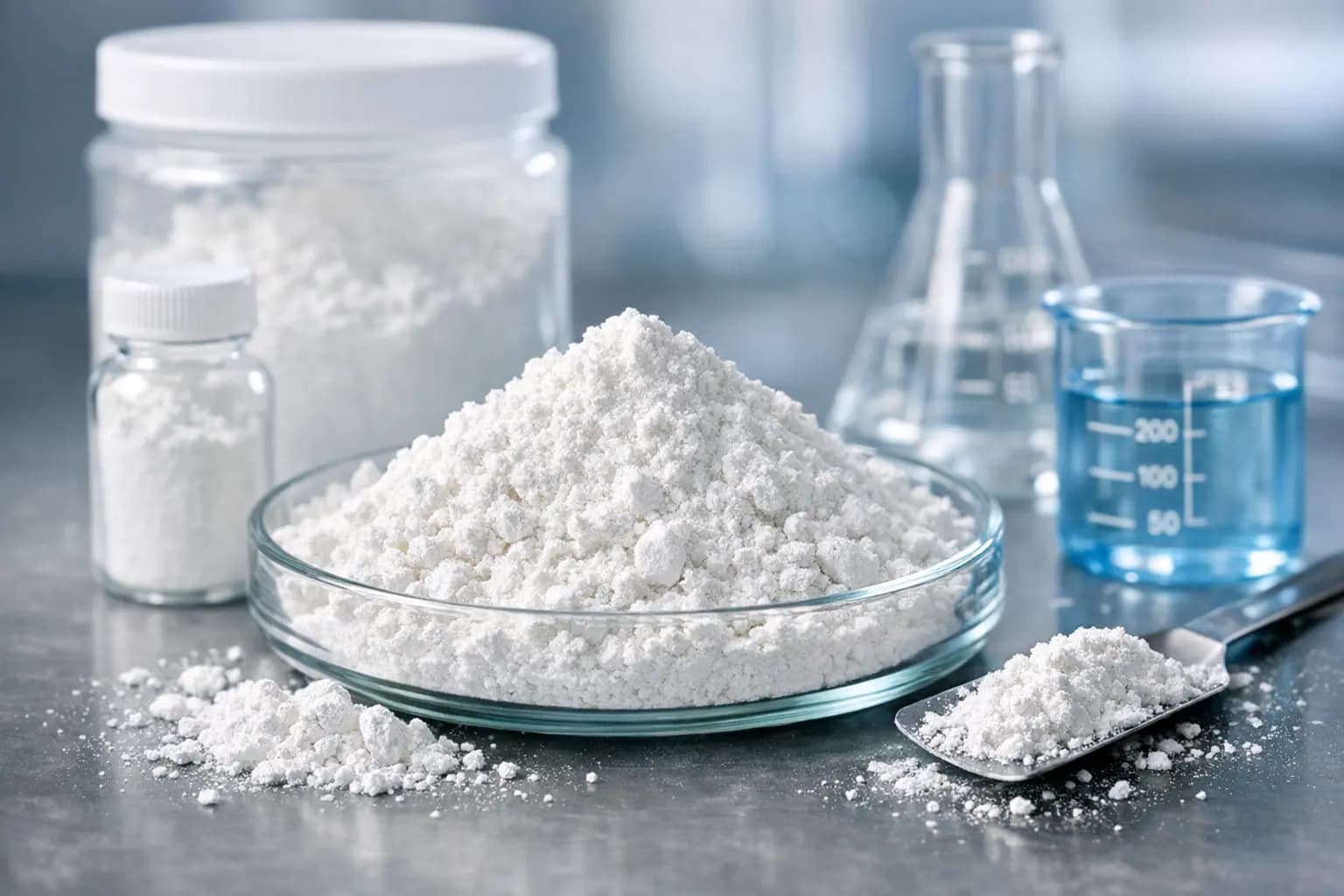
Zinc Borate
Zinc Borate is a versatile flame retardant and smoke suppressant used in plastics, coatings, and textiles. It offers excellent thermal stability and is preferred for its low toxicity and environmental...

Triethyl Phosphate
Triethyl Phosphate (TEP) is a versatile organophosphate compound used primarily as a flame retardant, plasticizer, and solvent. It is valued for its effectiveness in enhancing fire resistance and impr...
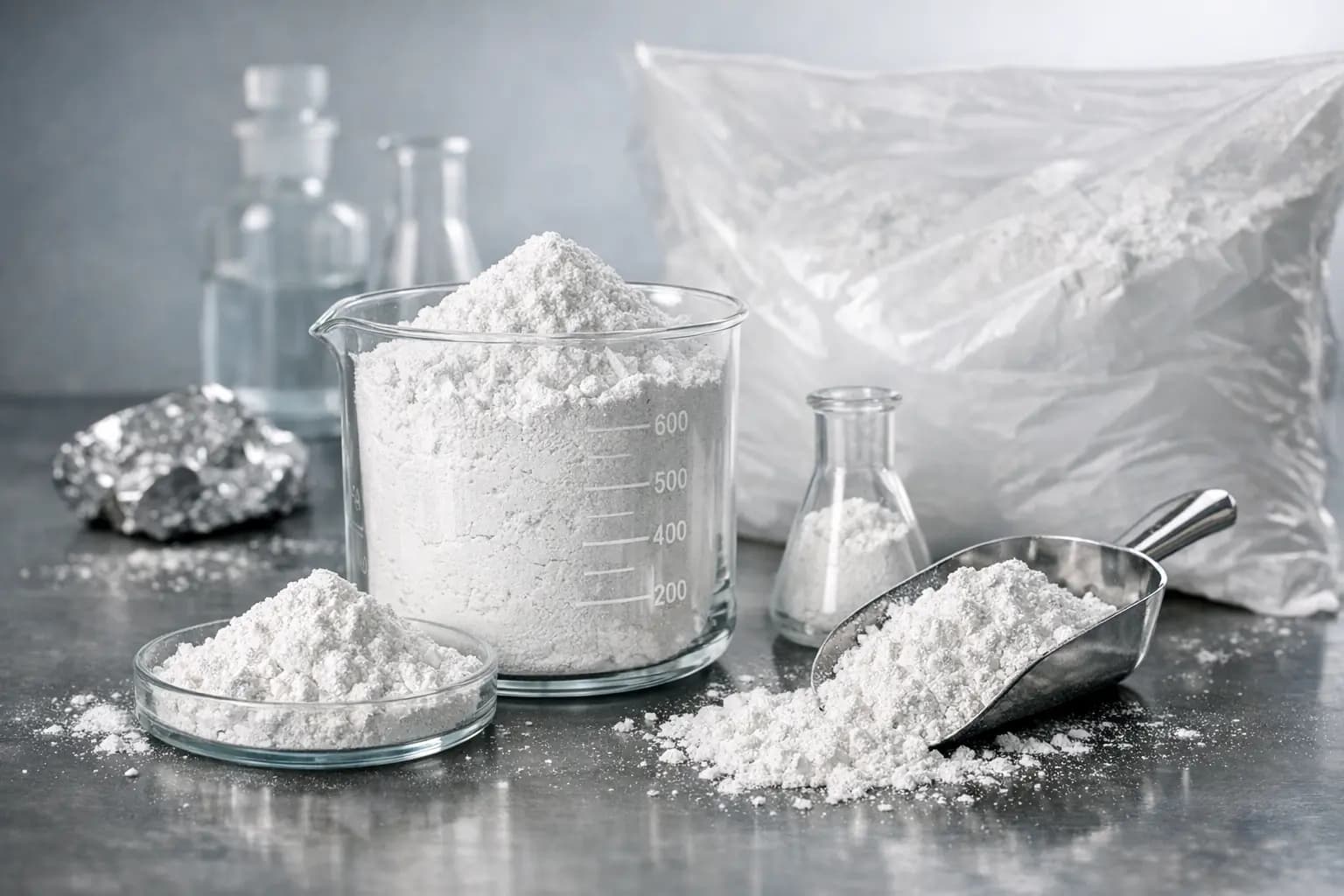
Aluminum Trihydrate (ATH)
Aluminum Trihydrate (ATH) is a versatile flame retardant and smoke suppressant used in various industries, including plastics, rubber, and coatings. It is valued for its ability to release water vapor...
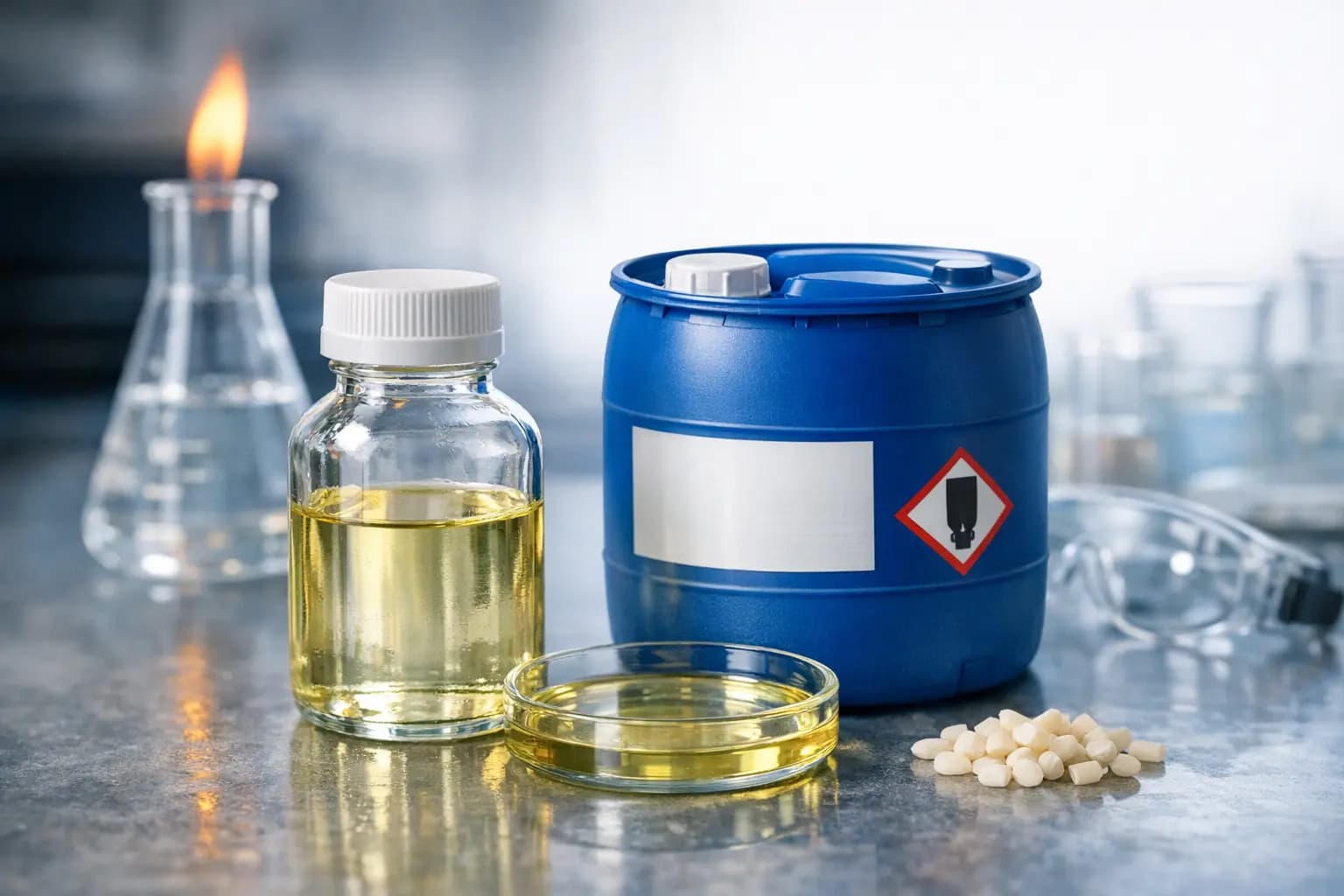
Octylisothiazolinone
Octylisothiazolinone (OIT) is a powerful antimicrobial agent widely used in industrial applications to prevent microbial growth. It is particularly effective in coatings, adhesives, and sealants.
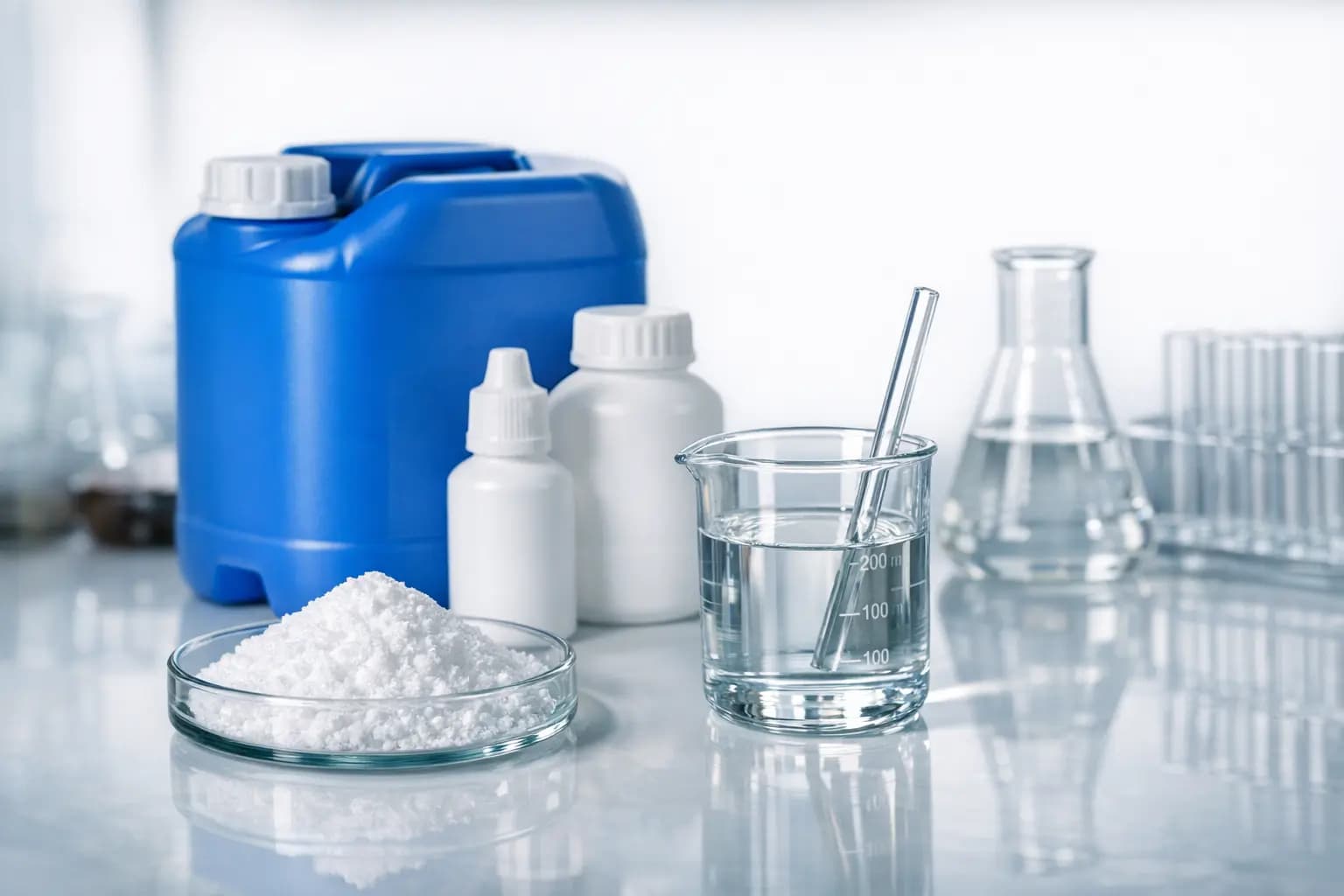
Benzisothiazolinone
Benzisothiazolinone (BIT) is a widely used antimicrobial and preservative in various industrial applications, including paints, coatings, and personal care products. It is valued for its effectiveness...
Chloromethylisothiazolinone
Chloromethylisothiazolinone (CMIT) is a powerful antimicrobial agent widely used in industrial and consumer products to prevent microbial growth. It is particularly effective in personal care and clea...
Hydroxyethyl Cellulose
Hydroxyethyl Cellulose (HEC) is a non-ionic, water-soluble polymer used as a thickening agent, binder, and stabilizer in various industries, including personal care, home care, and construction.

Dipropylene Glycol Dimethyl Ether
Dipropylene Glycol Dimethyl Ether (DMM) is a versatile solvent used in various industrial applications, including coatings, cleaning agents, and chemical synthesis. It is valued for its low toxicity a...

Diethylene glycol monoethyl ether
Diethylene glycol monoethyl ether (DE) is a versatile solvent used in coatings, cleaners, and personal care products. It offers excellent solvency and low volatility, making it ideal for various indus...

Dibasic Ester (DBE)
Dibasic Ester (DBE) is a versatile solvent blend used in coatings, adhesives, and cleaning applications. Known for its low toxicity and biodegradability, DBE is preferred in environmentally conscious ...

Dimethyl Carbonate
Dimethyl Carbonate (DMC) is a versatile chemical used primarily as a solvent and reagent in organic synthesis. It is favored for its low toxicity and biodegradability, making it an eco-friendly altern...

Ethylene glycol diacetate
Ethylene glycol diacetate (EGDA) is a versatile solvent used in coatings, inks, and adhesives. It offers excellent solvency and low volatility, making it ideal for industrial applications.
FAQs - C.A.S.E.
How does Elchemy ensure regulatory compliance for C.A.S.E (Coatings, Adhesives, Sealants, Elastomers) ingredients?
Elchemy ensures regulatory compliance by sourcing only from audited facilities and providing documentation aligned with US and global standards such as FDA and EPA.
How can I access COAs and SDS for chemicals used in the C.A.S.E (Coatings, Adhesives, Sealants, Elastomers) industry?
You can view the CoA and SDS directly on the product details page of any listed item. If you require additional documentation, it can be provided upon request.
What certifications should suppliers have for C.A.S.E (Coatings, Adhesives, Sealants, Elastomers) grade chemicals?
Suppliers for C.A.S.E (Coatings, Adhesives, Sealants, Elastomers) chemicals typically hold certifications such as ISO 9001, GMP, Kosher, Halal, and FDA registration.
How does Elchemy support sustainable sourcing in the C.A.S.E (Coatings, Adhesives, Sealants, Elastomers) sector?
Elchemy supports sustainability by partnering with manufacturers who follow ethical sourcing practices and operate with environmental certifications like Ecovadis or Sedex.
What is the typical lead time for sourcing ingredients in the C.A.S.E (Coatings, Adhesives, Sealants, Elastomers) category?
Typical lead times vary by product but range from 2 to 6 weeks depending on stock availability and shipping method.
Does Elchemy offer formulation support for C.A.S.E (Coatings, Adhesives, Sealants, Elastomers) customers?
Yes, our technical team offers formulation guidance for clients in the C.A.S.E (Coatings, Adhesives, Sealants, Elastomers) space based on application needs and performance targets.
How do you handle ingredient traceability for C.A.S.E (Coatings, Adhesives, Sealants, Elastomers) applications?
Elchemy ensures traceability through its internal tech platform, tracking each batch and document from supplier to final delivery.
Which compliance standards are relevant to C.A.S.E (Coatings, Adhesives, Sealants, Elastomers) chemicals in the US market?
Relevant standards for C.A.S.E (Coatings, Adhesives, Sealants, Elastomers) include OSHA, FDA, REACH, TSCA, and industry-specific certifications based on application and geography.
What are the common challenges in chemical sourcing for the C.A.S.E (Coatings, Adhesives, Sealants, Elastomers) industry?
Common sourcing challenges in the C.A.S.E (Coatings, Adhesives, Sealants, Elastomers) industry include volatile pricing, regulatory shifts, limited global suppliers, and quality consistency.

Still have questions?
Our team is here to provide clarity or address any questions you may have
Versatility in Action
Explore Additional Industries
Personal Care
Home Care and Industrial Cleaning
Flavours and Fragrance
Food and Nutrition
Oil and Gas
Chemical Intermediates
Water Treatment & Mining
C.A.S.E.
RESOURCES
Blogs, Events & News at Elchemy

BLOG
Safer Alternatives to Titanium Dioxide in Skincare: What Actually Works
Concerned about titanium dioxide in your skincare? Discover science-backed alternatives that protect and perform — without the controversy. Find out what actually works.
Category
Chemical Market

EVENTS
IFT FIRST
Chicago, United States
July 11, 2026

BLOG
Titanium Dioxide vs Zinc Oxide Sunscreen: Which Mineral UV Filter Should You Actually Use?
Chemical Market

EVENTS
World Perfumery Congress 2026
San Francisco, United States
June 21, 2026
Streamline
Your Chemical
Procurement
Get fast responses from real experts