

At a Glance
- Glycyrrhizin is approximately 30 to 100 times sweeter than sucrose, making glycyrrhiza extract one of the most potent natural sweeteners available at commercial scale
- In the U.S., the ammonium salt of glycyrrhizin is generally recognized as safe (GRAS) and widely used as a natural flavor enhancer, listed under 21 CFR 184.1408
- The plant underground extract is widely used across food, tobacco, pharmaceutical, and cosmetic industries, giving it one of the broadest multi-sector footprints of any botanical ingredient
- The global licorice root market is projected to grow at a CAGR of 7.4% through 2035, driven by rising demand across pharmaceutical and food industries
- Excessive consumption, typically above 100 mg of glycyrrhizin per day for prolonged periods, can cause adverse effects including hypertension and fluid retention, making dosage management a real compliance consideration
Licorice has been part of human medicine and food for thousands of years. What most people associate with candy is, in its extracted form, one of the more commercially versatile botanical ingredients in use today. Glycyrrhiza extract, derived from the roots of Glycyrrhiza glabra and related species, carries a complex profile of bioactive compounds that give it value far beyond its distinctive sweet taste.
For buyers, formulators, and procurement teams, understanding what this extract actually does, where it is used, and how the U.S. regulatory framework treats it is not optional background knowledge. It is the difference between smart sourcing and costly compliance gaps.
The Chemistry Behind the Extract
Glycyrrhiza extract is not a single compound. It is a concentrated root-derived material carrying multiple bioactive classes, each with its own industrial value. Knowing what is in the extract explains why so many sectors want it.
Glycyrrhizin: The Primary Bioactive
Glycyrrhizin is a major active constituent of licorice root and a triterpene saponin that is widely used as a flavoring agent in foodstuffs and cosmetics, and proposed for various clinical applications with a myriad of health benefits. It is also what gives licorice its characteristic sweetness. Its sweetness has a slow onset and a long aftertaste compared to sugar, which affects how formulators deploy it in food applications.
Glycyrrhizin hydrolyzes in the body into glycyrrhetic acid, the compound responsible for most of its pharmacological effects. This is the compound that interacts with cortisol metabolism and is the reason dosage limits exist in food contexts.
Flavonoids: The Skin and Antioxidant Layer
The biological effects of glycyrrhiza extracts are especially attributable to the occurrence of specialized metabolites belonging to the flavonoid class. Three compounds, glabridin, licochalcone A, and dehydroglyasperin C, are the most studied. These compounds possess multiple biological activities, including antioxidant, anti-inflammatory, antibacterial, antiviral, and antitumor activities.
These flavonoids are what drive demand from the cosmetics and personal care industries, distinct from the glycyrrhizin-driven demand in food and pharma.
Where Glycyrrhiza Extract Gets Used?
Licorice extracts hold the highest market share among licorice product types at around 45.2% of the overall market in 2025, as they are the widest product form used across pharma, food and beverages, and cosmetics. The breadth of sectors using this extract is what makes it an interesting sourcing consideration.
Food and Beverages
This is one of the most active segments for glycyrrhizin in food. The compound functions as a sweetener, flavor enhancer, and taste modifier.
In the food sector, licorice serves as a natural sweetener and flavoring agent, enhancing the sweetness and taste of various foods, particularly beverages. Drinks, sweets, and chewing gum are among the most common applications in the food industry.It also appears in baked goods, confectionery, and savory products as a flavor masking agent, particularly useful for covering bitter notes from other active ingredients.
Health products containing licorice extract include licorice tea, flavored chewing gum, cough syrups, throat lozenges, and herbal cough mixtures. The line between food and supplement blurs here, which is exactly why regulatory clarity matters.
Pharmaceutical Applications
The pharmaceutical industry relies heavily on licorice extracts for their anti-inflammatory and antiviral actions, especially in herbal drug systems such as Ayurveda and Traditional Chinese Medicine. At the clinical level, glycyrrhizin’s hepatoprotective properties have driven significant use in treatments for liver disease, chronic hepatitis, and gastrointestinal conditions.
In Indian Traditional Medicine, glycyrrhiza glabra is used as a purgative, ulcer-protecting, anti-tussive, and expectorant medication. Western pharmaceutical formulations increasingly draw on standardized extracts with specified glycyrrhizin content for reproducible dosing.
Cosmetics and Personal Care
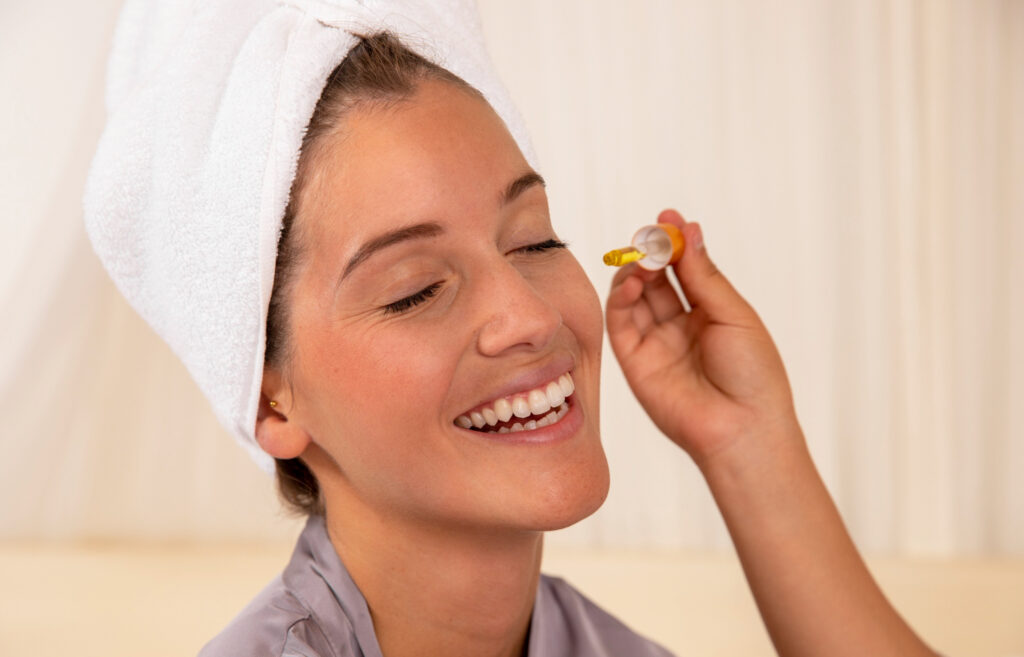
Glycyrrhiza extracts are currently used in cosmetic preparations for their skin-whitening, anti-sensitizing, and anti-inflammatory properties. They are widely implemented in commercial products, especially for their whitening effect.
The mechanism here is specific. Licorice root extract inhibits tyrosinase activity, reducing melanin production and improving hyperpigmentation, dark spots, and uneven skin tone. This is why it appears in brightening serums, sunscreens, and anti-aging formulations across both mass-market and premium personal care lines.
Extracts are incorporated in the aqueous phase of cream and serum formulations, claimed for anti-aging activities targeting wrinkles and hyperpigmentation. They also appear in facial cleansers, make-up removers, toners, and shampoos.
Tobacco and Other Industrial Uses
The tobacco industry uses licorice extract as a flavoring and humectant in cigarettes and chewing tobacco. This remains a significant volume segment globally, though it draws less attention than food and cosmetics from a regulatory standpoint in the U.S.
Glycyrrhiza is also used in the manufacture of biomass, bioenergy, and pulp, and licorice may be converted into livestock feed.
The U.S. Regulatory Scene at Moment
Buyers sourcing glycyrrhizin in food applications need to understand exactly where the legal lines sit in the U.S. The picture is permissive but not unlimited.
FDA GRAS Status Under 21 CFR 184.1408
Liquorice and its derivatives are generally recognized as safe by the FDA under 21 CFR 184.1408, within specified limits and for use as a flavor enhancer, flavoring, and in beverages, as a surfactant. Ammoniated glycyrrhizin, licorice, and glycyrrhiza are listed on the FDA Food Additive Status List, governed under Good Manufacturing Practice standards.
Liquorice extracts and glycyrrhizin also carry FEMA GRAS status for a wide range of flavoring uses in the U.S. FEMA, the Flavor and Extract Manufacturers Association, maintains an independent expert panel that evaluates and confirms GRAS status for flavoring substances. That FEMA GRAS designation carries significant weight in commercial procurement decisions.
What GRAS Does and Does Not Cover
GRAS status is not a blanket clearance. It is use-specific and concentration-specific. Under sections 201(s) and 409 of the Federal Food, Drug, and Cosmetic Act, any substance intentionally added to food must be generally recognized as safe under the conditions of its intended use. A manufacturer using glycyrrhiza extract in a new application not covered by existing GRAS determinations bears the burden of establishing safety for that specific use.
For procurement teams sourcing through platforms like Elchemy that connect buyers with verified chemical and botanical suppliers, confirming that supplier documentation aligns with the specific intended use, not just general GRAS status, is a critical due diligence step.
The Dosage Boundary That Matters
Concerns about the pharmacological effects of glycyrrhizin have led the EU to impose labeling requirements warning consumers of glycyrrhizin contents above 100 mg/kg in confectionery or 10 mg/l in beverages. The EU Scientific Committee for Food recommended that individuals limit intake to 100 mg per day.
U.S. regulations do not set an explicit daily limit for glycyrrhizin the way the EU does. But the underlying safety concern is the same on both sides. Excessive consumption, typically above 100 mg per day for prolonged periods, may lead to adverse effects such as hypertension, hypokalemia, and fluid retention due to its impact on cortisol metabolism. L
For food formulators in the U.S., this is a product design consideration as much as a regulatory one. Staying below concentrations that could approach pharmacological effect levels is both good practice and increasingly expected by safety-conscious retail buyers.
Deglycyrrhizinated Licorice (DGL)
One practical response to the glycyrrhizin safety threshold is DGL. Deglycyrrhizinated licorice removes most of the glycyrrhizin from the extract, retaining flavonoid content and flavor properties without the cortisol-related effects. It is widely used in dietary supplements targeting digestive health in the U.S., where long-term use makes the 100 mg daily ceiling a real formulation concern.
Final Thoughts
Glycyrrhiza extract is not a niche botanical. It sits at the intersection of food science, pharmaceutical formulation, and personal care chemistry simultaneously. That cross-sector relevance is what makes it worth understanding properly, not just as a procurement line item but as a regulated ingredient with specific use conditions, dosage implications, and grade requirements.
For U.S. buyers, the regulatory framework is workable. GRAS status under 21 CFR 184.1408 provides a solid foundation for food applications. The limits that matter are concentration-driven, not compound-level bans. Getting those concentrations right, and sourcing extracts with verified, standardized glycyrrhizin content, is where the practical work lies.