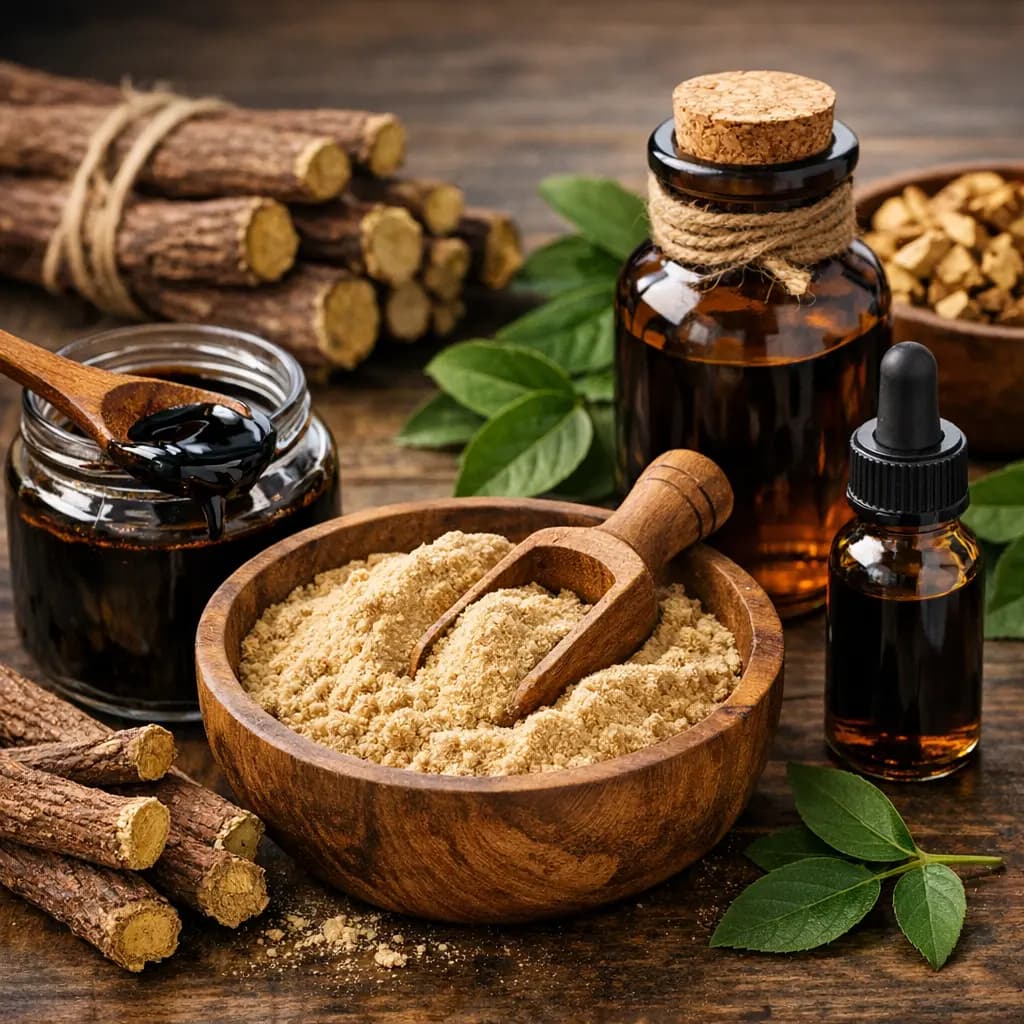
Licorice Root Extracts
ELFABTM – LicREx

Get Pricing for This Product
Need pricing? Request a quote for this product and we'll get back to you shortly.
 Free Samples Available
Speed Up Your Sample Testing Process
We deliver domestic samples within 24 - 48 hours, helping you evaluate product without delays.
Licorice Root Extracts are derived from the root of the Glycyrrhiza glabra plant. Known for their sweet flavor and medicinal properties, these extracts are widely used in the food, pharmaceutical, and…
CAS Number
84775-66-6
HS Code
13021990
INCI Name
-
Molecular Formula
C42H62O16 (Glycyrrhizin)
Licorice Root Extracts
ELFABTM – LicREx
Licorice Root Extracts are derived from the root of the Glycyrrhiza glabra plant. Known for their sweet flavor and medicinal properties, these extracts are widely used in the food, pharmaceutical, and cosmetic industries. They contain active compounds like glycyrrhizin, which…
CAS Number
84775-66-6
INCI Name
-
HS Code
13021990
Molecular Formula
C42H62O16 (Glycyrrhizin)
Get Pricing for This Product
Need pricing? Request a quote for this product and we'll get back to you shortly.
Free Samples AvailableSpeed Up Your Sample Testing Process
We deliver domestic samples within 24 - 48 hours, helping you evaluate product without delays.
 By
By
Specialty chemicals, delivered right
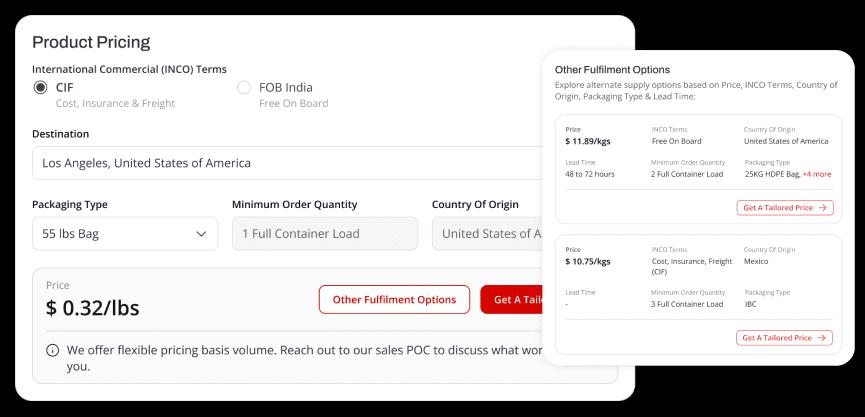
Access live, grade-specific pricing for every chemical, so your teams talks with data, not intuition on Elixir.
Compare fulfilment options across grades, INCO terms, origins, and lead times: all in one platform.

Live, transparent pricing
Real-time quotes across 12,000+ specialty chemicals.


About Licorice Root Extracts
Licorice Root Extracts are a versatile ingredient used across various industries due to their unique properties. As a natural sweetener, they are favored in the food industry for their ability to enhance flavors without adding excessive calories. In the pharmaceutical sector, these extracts are valued for their anti-inflammatory and antimicrobial properties, making them a key component in formulations aimed at reducing inflammation and preventing infections. The cosmetic industry also benefits from Licorice Root Extracts, utilizing their antioxidant capabilities to protect and rejuvenate the skin. Manufacturers and suppliers of Licorice Root Extracts focus on maintaining high purity and quality standards to meet the diverse needs of these industries. With a growing demand for natural and sustainable ingredients, Licorice Root Extracts continue to be a popular choice among manufacturers seeking to create effective and eco-friendly products.
- Natural Sweetener: Provides a sweet flavor without the calories of traditional sugars, ideal for health-conscious formulations.
- Anti-inflammatory Properties: Reduces inflammation, making it suitable for pharmaceutical and cosmetic applications.
- Antioxidant Benefits: Protects against oxidative stress, enhancing the efficacy of skincare products.
- Antimicrobial Effects: Inhibits microbial growth, ensuring product safety and extending shelf life.
- Versatile Applications: Used in food, pharmaceuticals, and cosmetics, highlighting its multifunctional nature.
About Licorice Root Extracts
Licorice Root Extracts are a versatile ingredient used across various industries due to their unique properties. As a natural sweetener, they are favored in the food industry for their ability to enhance flavors without adding excessive calories. In the pharmaceutical sector, these extracts are valued for their anti-inflammatory and antimicrobial properties, making them a key component in formulations aimed at reducing inflammation and preventing infections. The cosmetic industry also benefits from Licorice Root Extracts, utilizing their antioxidant capabilities to protect and rejuvenate the skin. Manufacturers and suppliers of Licorice Root Extracts focus on maintaining high purity and quality standards to meet the diverse needs of these industries. With a growing demand for natural and sustainable ingredients, Licorice Root Extracts continue to be a popular choice among manufacturers seeking to create effective and eco-friendly products.
- Natural Sweetener: Provides a sweet flavor without the calories of traditional sugars, ideal for health-conscious formulations.
- Anti-inflammatory Properties: Reduces inflammation, making it suitable for pharmaceutical and cosmetic applications.
- Antioxidant Benefits: Protects against oxidative stress, enhancing the efficacy of skincare products.
- Antimicrobial Effects: Inhibits microbial growth, ensuring product safety and extending shelf life.
- Versatile Applications: Used in food, pharmaceuticals, and cosmetics, highlighting its multifunctional nature.
FAQs - Licorice Root Extracts

Streamline
Your Chemical
Procurement
Get fast responses from real experts