

You open your favorite moisturizer and notice an ingredient called benzyl alcohol on the label. Is it there for fragrance? Does it clean your skin? Or is it doing something else entirely?
Most people don’t think twice about preservatives until they grab a jar of cream that’s developed mold or a bottle of shampoo that smells off. That’s when you realize these behind-the-scenes ingredients do critical work keeping products safe and usable for months or years.
Is benzyl alcohol a preservative? Yes, and it’s one of the most widely used ones across cosmetics, pharmaceuticals, and personal care products. Understanding what it does, how it works, and whether it’s safe helps you make informed choices about the products you use daily.
At a Glance
- Benzyl alcohol works as a preservative, solvent, and fragrance component in cosmetics and pharmaceuticals
- Effective antimicrobial concentrations range from 0.5-2% for cosmetics, up to 5% maximum for safe use
- Metabolizes quickly in the body to benzoic acid, then excretes as hippuric acid within 6 hours
- FDA recognizes it as safe (GRAS) with WHO setting acceptable daily intake at 5 mg/kg body weight
- Works only in acidic formulas (pH below 5.5), limiting application in alkaline products
- Appears in over 300 cosmetic product categories from lotions to shampoos to injectable medications
- Mild skin reactions possible in 5% of users, but generally considered one of the gentler preservatives available
What Benzyl Alcohol Actually Does
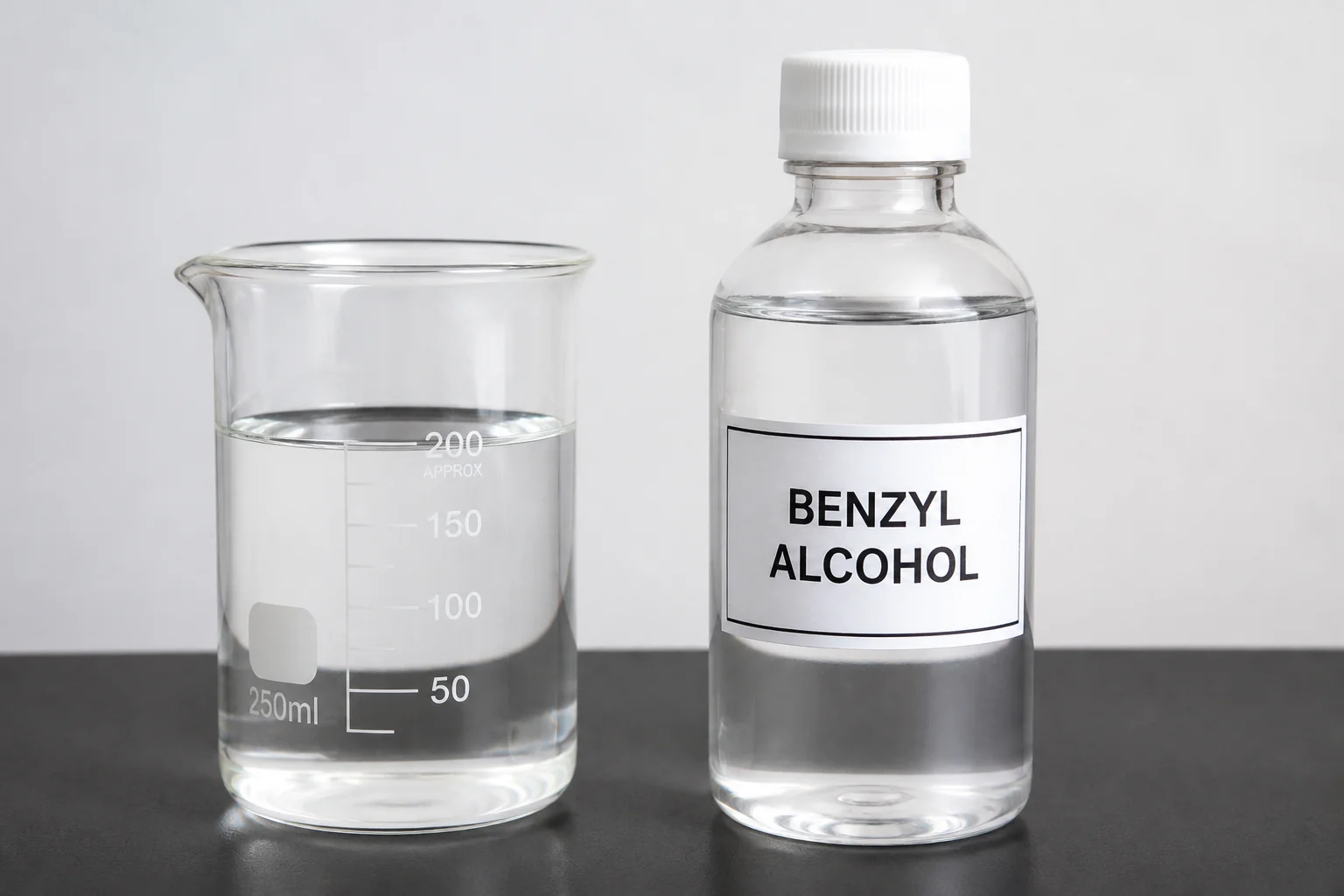
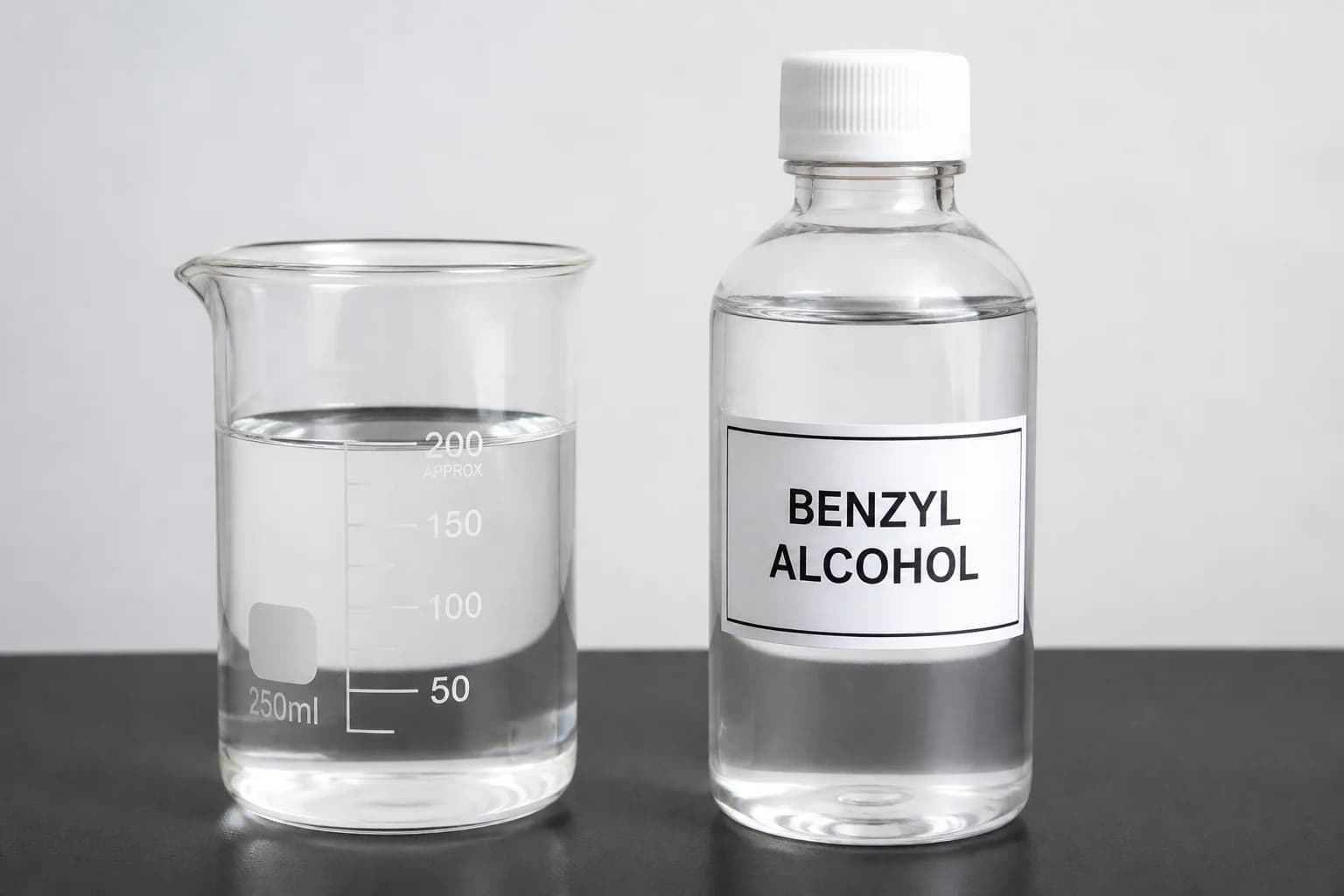
Benzyl alcohol (C₇H₈O) is an aromatic alcohol with a benzene ring attached to a hydroxymethyl group. The chemical structure gives it some interesting properties that make it useful in multiple ways.
First and foremost, yes, benzyl alcohol functions as a preservative. It kills bacteria, fungi, and other microorganisms that would otherwise spoil cosmetic and pharmaceutical formulations. A jar of face cream contains water, oils, and nutrients that microbes love. Without preservation, contamination happens within days.
But preservation isn’t its only role. Benzyl alcohol also works as a solvent, helping dissolve ingredients that don’t mix easily with water. Its pleasant, mild floral scent means it doubles as a fragrance component in perfumes and scented products. The chemical even reduces viscosity in some formulations, making products easier to apply and spread.
This multi-tasking ability explains why formulators reach for benzyl alcohol so frequently. One ingredient serves three or four functions, simplifying formulas and reducing costs.
How Benzyl Alcohol as a Preservative Works
The antimicrobial action happens through membrane disruption. Benzyl alcohol penetrates microbial cell walls and interferes with their membrane integrity. This kills bacteria and fungi before they can multiply.
The effectiveness depends heavily on pH. Benzyl alcohol works best in acidic environments below pH 5.5. Above this level, its antimicrobial power drops significantly. That’s why you’ll see it in products like toners, serums, and acidic creams but not in alkaline soaps or certain cleansers.
Typical preservative concentrations run 0.5-2% in cosmetics. This range provides adequate protection against contamination while staying well below safety thresholds. Higher concentrations don’t necessarily work better and can cause skin irritation.
The preservative effect isn’t instant. Benzyl alcohol needs time to diffuse through the product and reach contaminating organisms. That’s why proper manufacturing hygiene still matters. Good preservation prevents problems, it doesn’t fix contamination that’s already established.
Uses Across Different Product Categories
Skincare Products
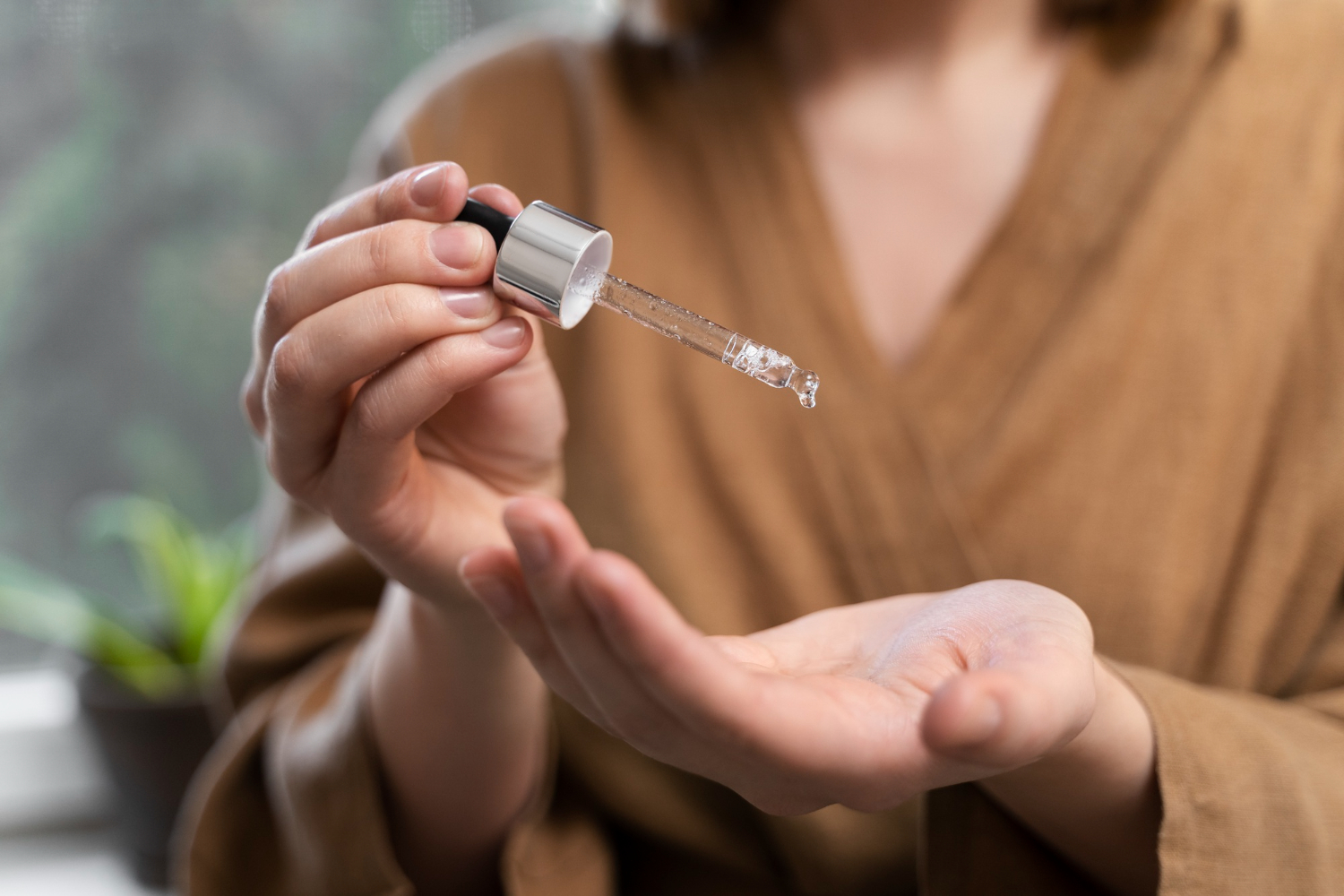
Lotions, creams, serums, and facial cleansers commonly contain benzyl alcohol at 0.5-1.5% concentrations. The preservative prevents bacterial and fungal growth in water-based emulsions. Products designed for acne-prone or oily skin particularly benefit since their acidic pH levels match benzyl alcohol’s optimal working range.
Natural and organic skincare brands favor it as a “cleaner” alternative to parabens. While “natural” is debatable since most benzyl alcohol is synthetically produced, it does occur naturally in jasmine, ylang-ylang, and some fruits. This natural occurrence helps marketing even though commercial supplies come from chemical synthesis.
Hair Care Formulations
Shampoos, conditioners, and styling products use benzyl alcohol at 1-2% concentrations. Besides preservation, it helps reduce viscosity in thicker formulations, making them easier to dispense and distribute through hair. The mild scent contributes to the overall fragrance profile without overwhelming other scent components.
Leave-in products like hair serums and treatments particularly need robust preservation since they sit at room temperature for months between uses. Benzyl alcohol provides reliable protection throughout the product’s shelf life.
Injectable Pharmaceuticals
Medical applications represent a critical use case. Benzyl alcohol appears in multi-dose injectable medications at 0.5-2% concentrations as a bacteriostatic agent. It prevents bacterial contamination in vials that get accessed multiple times.
Bacteriostatic saline (0.9% sodium chloride with 0.9% benzyl alcohol) is used constantly in hospitals for flushing IV catheters and diluting medications. Sterile water for injection with benzyl alcohol serves similar purposes.
This pharmaceutical use requires extremely high purity standards. Any impurities could cause adverse reactions when injected directly into the bloodstream. Pharmaceutical-grade benzyl alcohol must meet USP (United States Pharmacopeia) specifications with purity exceeding 99.5%.
Topical Medications and Treatments
Over-the-counter treatments for lice, fungal infections, and various skin conditions use benzyl alcohol. The FDA approved a 5% benzyl alcohol lotion (brand name Ulesfia) for treating head lice in people six months and older. It works by blocking the lice’s breathing spiracles, causing asphyxiation.
Topical antifungal and antibacterial medications incorporate it both for preservation and for its direct antimicrobial effects on the treatment area.
Preservative Applications by Industry
| Industry | Product Types | Typical Concentration | Primary Function |
| Cosmetics | Lotions, creams, serums | 0.5-2% | Preservative, solvent |
| Hair Care | Shampoos, conditioners, styling aids | 1-2% | Preservative, viscosity reducer |
| Pharmaceuticals | Injectable solutions, topical medications | 0.5-2% | Bacteriostatic preservative |
| Personal Care | Wet wipes, deodorants, baby products | 0.5-1% | Preservative, mild fragrance |
| Fragrances | Perfumes, colognes, scented products | 2-5% | Solvent, fragrance component |
Benefits Compared to Other Preservatives

Milder Than Many Alternatives
Research comparing different preservatives shows benzyl alcohol ranks among the least irritating options. Parabens, phenoxyethanol, and formaldehyde-releasing preservatives trigger more skin reactions in sensitive individuals.
Clinical studies found that 10% benzyl alcohol didn’t cause sensitization in patch testing. That’s a high concentration far above typical use levels. Most preservatives cause reactions at much lower concentrations.
Clean Label Appeal
Consumer preference has shifted toward ingredients perceived as more natural or less synthetic. Benzyl alcohol’s presence in natural sources like fruits and essential oils helps its marketing position. Brands can truthfully state it occurs naturally, even though commercial production uses synthetic methods.
This matters because consumers actively avoid certain preservatives. Parabens saw massive backlash over unproven health concerns. Formaldehyde releasers raise red flags. Benzyl alcohol sidesteps these controversies.
Multi-Functional Performance
Why use three separate ingredients when one handles multiple jobs? Benzyl alcohol preserves, solubilizes, reduces viscosity, and contributes fragrance notes. This simplifies formulations, reduces costs, and makes ingredient labels shorter.
Simplified formulas mean fewer potential allergens and sensitizers. Every ingredient carries some risk of reaction. Using one ingredient instead of three reduces overall exposure and potential problems.
Rapid Metabolism and Excretion
Unlike some preservatives that accumulate in tissues, benzyl alcohol gets metabolized quickly. The body converts it to benzoic acid, which then conjugates with glycine in the liver. This forms hippuric acid that’s excreted in urine.
Studies show 75-85% of an oral dose gets eliminated within 6 hours. This rapid clearance means no buildup from repeated exposure through cosmetic use. Your body processes and removes it faster than you apply it.
Safety Profile and Regulatory Status
Regulatory Approvals
The FDA recognizes benzyl alcohol as Generally Recognized As Safe (GRAS) for use in food contact applications and cosmetics. The WHO established an acceptable daily intake of 5 mg/kg body weight for benzyl alcohol, benzoic acid, and sodium benzoate.
The Cosmetic Ingredient Review (CIR) Expert Panel concluded benzyl alcohol is safe in cosmetics at concentrations up to 5%. For hair dyes specifically, concentrations up to 10% received safety approval due to limited body exposure and infrequent use.
European Union regulations permit benzyl alcohol as a preservative in cosmetics at maximum 1% concentration. Products must list it on labels when used above 0.001% in leave-on products or 0.01% in rinse-off products.
Toxicity Data
Acute toxicity is low. The LD50 (dose killing 50% of test animals) sits at 1,230 mg/kg in rats when given orally. That’s a high threshold indicating low acute toxicity risk. For comparison, you’d need to consume enormous amounts to approach dangerous doses.
Chronic exposure studies in rats and mice found no adverse effects at dietary concentrations. No carcinogenic activity appeared in long-term feeding studies. Genotoxicity tests were mostly negative, though some assays showed positive results. The weight of evidence indicates no significant genetic toxicity concern.
Skin Reactions and Sensitivities
About 5% of the population shows some sensitivity to benzyl alcohol. The reaction is usually non-immunologic contact urticaria, characterized by localized redness, wheals, and itching. These aren’t true allergic reactions but direct irritant responses.
Clinical testing found that 5% benzyl alcohol concentrations caused reactions in some individuals. At 2% or below (typical cosmetic levels), reactions become rare. Most users tolerate the ingredient without issues.
People with stasis dermatitis or compromised skin barriers show higher sensitivity. Damaged skin allows deeper penetration, increasing reaction potential. Products for very sensitive skin or damaged skin barriers often avoid benzyl alcohol as a precaution.
Special Populations
Infants and premature babies represent a unique risk group. Neonates have limited ability to metabolize and excrete benzyl alcohol. A condition called “gasping syndrome” occurred in the 1980s when premature infants received IV medications preserved with benzyl alcohol.
Cases involved doses of 99-234 mg/kg daily, far exceeding what adults tolerate safely. The syndrome included respiratory distress, metabolic acidosis, and neurological problems. Several deaths were attributed to benzyl alcohol toxicity.
This led to restrictions on benzyl alcohol use in neonatal and pediatric medications. Injectable products for infants now avoid this preservative or carry specific warnings. Topical cosmetics for babies generally limit benzyl alcohol concentrations or exclude it entirely.
For healthy adults and children over 6 months, the safety profile remains excellent at typical use concentrations.
Safety Comparison With Common Preservatives
| Preservative | Typical Concentration | Sensitization Rate | Primary Concerns | Regulatory Status |
| Benzyl Alcohol | 0.5-2% | Low (5% at high concentrations) | Infant toxicity, mild irritation | FDA GRAS, EU approved to 1% |
| Parabens | 0.1-0.8% | Very low | Controversial hormone disruption claims | FDA approved, EU limits to 0.4% |
| Phenoxyethanol | 0.5-1% | Low to moderate | Eye and skin irritation | EU limit 1%, concerns in infant products |
| Formaldehyde Releasers | 0.1-0.5% | Moderate to high | Allergic reactions, formaldehyde concerns | Regulated, declining use |
| Sorbates/Benzoates | 0.1-0.5% | Low | Limited pH range, moderate antimicrobial power | GRAS status, widely accepted |
Limitations and Considerations
pH Dependency
The biggest limitation is pH sensitivity. Benzyl alcohol only works effectively below pH 5.5. Many cosmetic products formulate in this range naturally, but alkaline products need different preservation strategies.
Bar soaps, most shampoos, and many body washes sit above pH 5.5. These products can’t rely on benzyl alcohol alone for preservation. Formulators either adjust pH downward (which may affect other ingredients) or use alternative preservatives.
Moderate Antimicrobial Spectrum
While effective against many common contaminants, benzyl alcohol doesn’t provide the broadest antimicrobial coverage. Some preservatives kill a wider range of organisms at lower concentrations.
That’s why you’ll often see benzyl alcohol combined with other preservatives in a preservation system. Using 0.5% benzyl alcohol with 0.3% phenoxyethanol, for example, provides broader protection than either alone at higher concentrations.
Potential Drying Effects
As an alcohol, benzyl alcohol can be drying to skin in high concentrations. This is rarely a problem at the 0.5-2% levels used in cosmetics, but formulations for very dry or sensitive skin sometimes avoid it.
The drying effect is minimal compared to ethanol or isopropyl alcohol. But in leave-on products used extensively over damaged skin barriers, even mild drying can become noticeable.
Cost Considerations
Benzyl alcohol costs more than some alternative preservatives. Synthetic production from toluene via benzyl chloride is economical but still pricier than parabens or sorbates.
Natural extraction from essential oils runs $50-100 per kilogram versus $5-15 for synthetic grades. Most commercial products use synthetic benzyl alcohol, but “natural” claims require the more expensive sourced material.
Identifying Benzyl Alcohol in Products
Reading ingredient labels reveals where benzyl alcohol appears. It’s listed under several names:
- Benzyl alcohol (most common)
- Phenylmethanol
- Phenylcarbinol
- Benzenemethanol
Ingredients appear in descending concentration order. If benzyl alcohol shows up in the first half of the ingredient list, it’s likely present as a preservative at 0.5%+ concentration. Toward the end of long ingredient lists suggests lower concentration, possibly as a solvent or fragrance component.
The CAS number 100-51-6 identifies benzyl alcohol unambiguously on technical data sheets and safety documentation.
Best Practices for Use
For Manufacturers
When formulating with benzyl alcohol as a preservative, consider these factors:
- Test preservation effectiveness with challenge testing using actual contaminating organisms
- Verify pH stays below 5.5 throughout product shelf life
- Account for potential interactions with other ingredients that might reduce antimicrobial activity
- Consider combination preservation systems for broader spectrum coverage
- Source pharmaceutical or cosmetic grade material meeting purity specifications
- Maintain proper manufacturing hygiene to minimize initial contamination load
For Consumers
Using products containing benzyl alcohol safely involves basic precautions:
- Patch test new products if you have sensitive skin or known preservative sensitivities
- Avoid getting products in eyes, where irritation is more likely
- Store products properly to maintain preservation effectiveness
- Discard products past expiration dates, as preservation may degrade over time
- Choose benzyl alcohol-free options for infants under 6 months when possible
Production and Sourcing
Commercial benzyl alcohol comes primarily from synthetic production. The main route involves hydrolyzing benzyl chloride, itself produced from toluene. An alternative method reduces benzaldehyde (a toluene oxidation byproduct) with hydrogen.
Laboratory synthesis uses Grignard reactions or the Cannizzaro reaction, but these aren’t economical for commercial scale.
Natural sources include jasmine, hyacinth, ylang-ylang, and castor oil, but extraction from these materials is expensive and yields small quantities. Most “natural” benzyl alcohol still comes from synthetic production despite occurring in nature.
Purity matters tremendously, especially for pharmaceutical applications. Cosmetic grade requires 99.5%+ purity with minimal impurities. Pharmaceutical grade demands even tighter specifications under USP monographs.
Environmental and Sustainability Aspects
Benzyl alcohol biodegrades readily in environmental conditions. It’s not considered persistent, bioaccumulative, or toxic (PBT). This makes it preferable from an environmental standpoint compared to some alternatives.
Wastewater treatment effectively removes benzyl alcohol through microbial degradation. The compound doesn’t accumulate in aquatic organisms or concentrate up the food chain.
Manufacturing does require petroleum-derived starting materials (toluene), but the process is relatively efficient with minimal waste. Closed-loop systems recycle solvents and unreacted materials.
The low environmental persistence means rinsing products off in the shower doesn’t create long-term contamination issues. The alcohol breaks down quickly in wastewater treatment systems.
The Bottom Line on Safety and Effectiveness
After 25 years in chemical manufacturing and formulation, I’ve seen plenty of preservatives come and go. Benzyl alcohol has stayed relevant because it works, it’s safe at proper concentrations, and it fits well with current consumer preferences.
Is benzyl alcohol a preservative? Absolutely, and a versatile one. Its multi-functional nature makes it cost-effective for manufacturers. The clean safety profile and rapid metabolism make it acceptable for most users. The main limitations are pH dependency and special precautions for infants.
For the vast majority of adults using cosmetics, personal care products, or medications containing benzyl alcohol, there’s minimal cause for concern. The ingredient has decades of safe use history, extensive toxicological testing, and strong regulatory oversight.
Problems arise mainly when dosing gets excessive (particularly in premature infants) or when individuals with specific sensitivities experience reactions. These cases are exceptions, not the rule.
Understanding benzyl alcohol as a preservative helps you make informed choices about the products you buy and use. It’s neither scary nor perfect, just a practical chemical tool that serves important functions in keeping formulations safe and effective.
Whether you’re formulating products or simply trying to understand your moisturizer’s ingredient list, knowing what benzyl alcohol does and how it works gives you better perspective on modern cosmetic and pharmaceutical chemistry.
For businesses sourcing quality chemical ingredients including preservative-grade benzyl alcohol, Elchemy connects you with reliable suppliers offering pharmaceutical and cosmetic grades with complete documentation, competitive pricing, and technical support for your formulation needs.