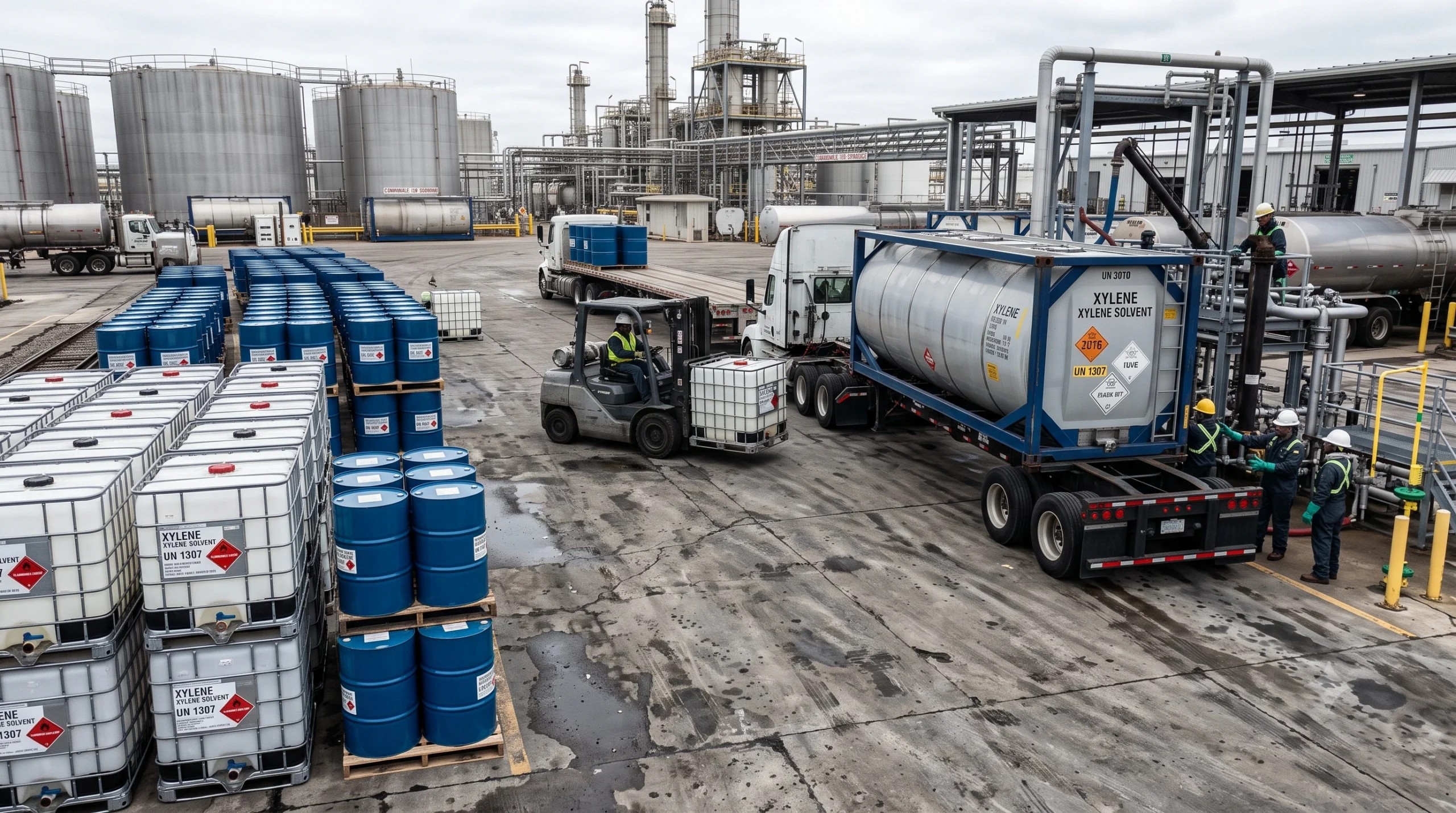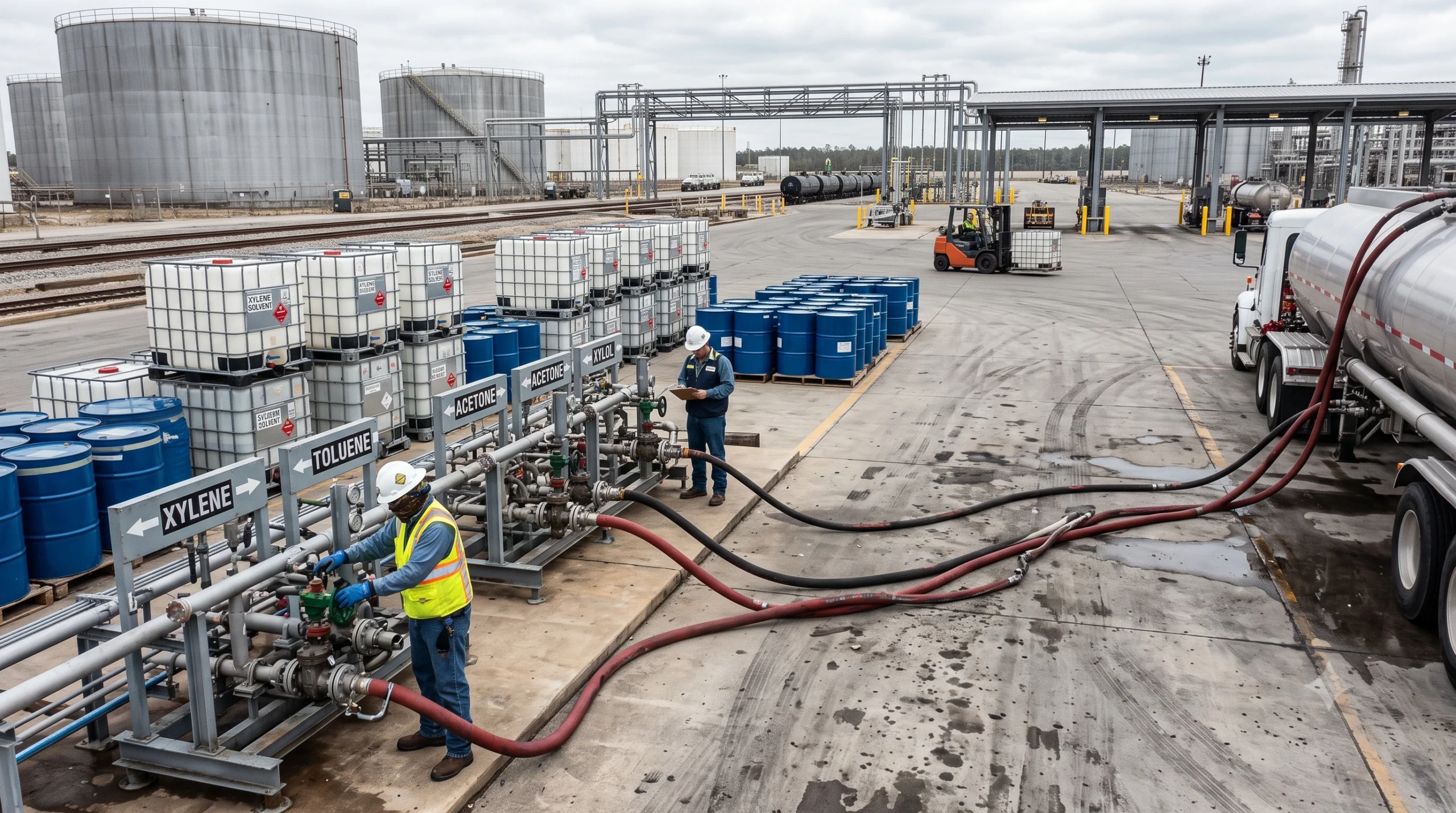


Finding a reliable sodium thiosulphate supplier is harder than it should be. You get five quotes with five different Incoterms, half the product pages don’t list the grade, and the one supplier with the best price won’t send samples. Annoying.
The chemical itself is everywhere. Water treatment plants run on it. Gold mines depend on it. Textile factories, photography labs, pharmaceutical prep rooms – they all need it. That broad demand means the supplier market is crowded, but crowded doesn’t mean organized.
This guide is for procurement managers, industrial buyers, and sourcing teams who need real information: pricing by grade and form, how to vet suppliers before committing, the difference between pentahydrate and anhydrous, and where platforms like Elchemy fit into your sourcing strategy. No padding. Just the specifics that help you make a smart purchase decision.
What Is Sodium Thiosulphate and Why Does Grade Matter?
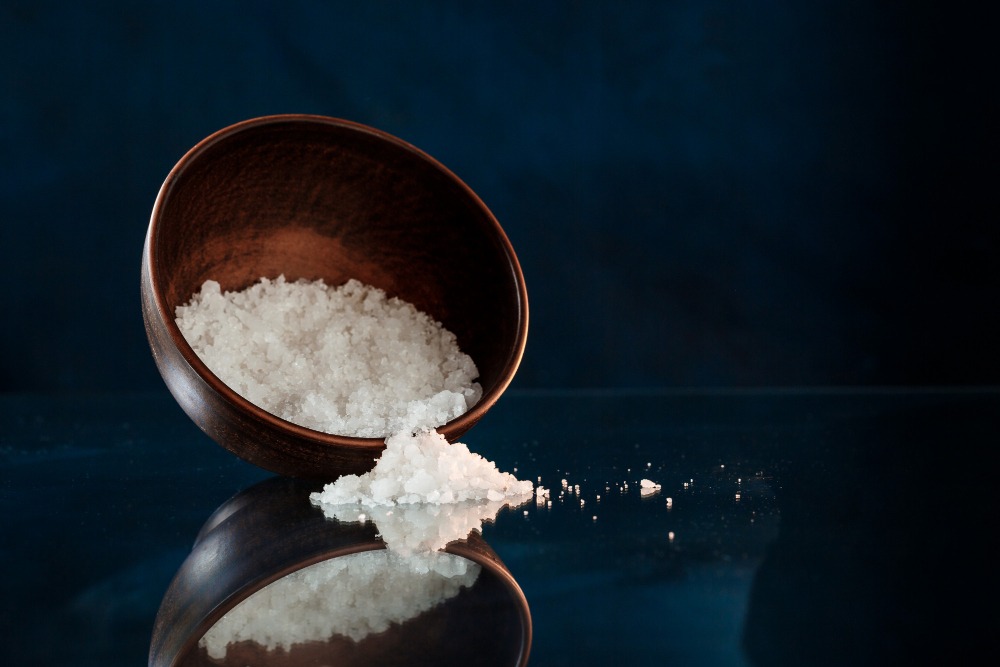
Sodium thiosulphate (Na2S2O3) is an inorganic sodium salt, most commonly traded as its pentahydrate form – colorless crystals that dissolve easily in water. People in photography circles call it “hypo.” Industrial buyers call it a dechlorination agent. Miners call it a cyanide alternative. It goes by a lot of names depending on who’s using it.
The grade question is where buyers consistently get tripped up.
Industrial grade is perfectly adequate for water treatment and most mining applications. It’s cheaper, available in large volumes, and widely stocked. But for food processing, pharmaceutical prep, or any application with regulatory oversight, you’re looking at technical or reagent grade – and that comes with a real price premium. The gap can run $0.80 to $2.00/kg depending on source and specifications. Some buyers only discover this mismatch after they’ve already placed an order and their quality team flags the COA. Not a great situation to be in.
There are three commercially relevant forms:
Pentahydrate (Na2S2O3·5H2O): The default form for most industrial buying. Around 63% active content. Used in water treatment, gold extraction, textile processing, and photography.
Anhydrous: Higher active concentration, no crystal water. Preferred when moisture is problematic. Typically priced 10-15% above pentahydrate.
30% Solution: Pre-dissolved, easier to handle at scale. Popular in water treatment facilities that want to skip solid dosing systems entirely.
Each form is the right answer for a specific application. What’s genuinely frustrating is when distributors list “sodium thiosulphate” without specifying which form you’re getting. Always confirm form and purity before finalizing a purchase order.
Also Read: Titanium Dioxide in Supplements: FDA Guidelines, Safety Debate & Clean Label Alternatives
Where This Chemical Gets Used (More Than You’d Expect)

Water treatment is the dominant application, and it’s not particularly close.
Dechlorination is what drives most industrial volume. Sodium thiosulphate neutralizes residual chlorine in municipal water systems, cooling towers, swimming pool water, and industrial wastewater streams. A single mid-sized treatment facility can easily consume several metric tons per month. For this application, you need an industrial grade sodium thiosulphate supplier for water treatment who can deliver consistent purity and reliable supply schedules. One off-spec shipment can disrupt an entire dechlorination program.
Gold mining is the other high-volume sector. Thiosulphate leaching has been growing as a less toxic alternative to cyanide-based extraction processes, and that shift has pushed demand among mining operations looking for a stable bulk source. Several large operations now have supply contracts specifically for bulk sodium thiosulphate.
Textile manufacturing uses it as a reducing and fixing agent in dyeing processes. The photography industry – yes, film still exists in professional and archival circles – uses it as the active ingredient in photographic fixer solutions. Paper manufacturing and leather processing round out the major industrial uses.
There’s also a smaller but growing market in personal care. Sodium thiosulphate turns up in certain skincare and haircare formulations as a dechlorinating component or antioxidant agent. If your application falls into that category, the grade requirements shift considerably – you’ll want to look at the broader landscape of ingredients for personal care to understand what certifications your supplier needs to carry.
Sodium Thiosulphate Price: What Bulk Buyers Are Actually Paying
Everyone skips to this section. Fair.
Pricing moves based on grade, form, order volume, origin country, and Incoterms – sometimes all at once. Here’s a realistic price range for the current market:
| Form | Grade | FOB Price Range (per kg) | Typical MOQ |
| Pentahydrate | Industrial | $0.35 – $0.65 | 500 kg – 1 MT |
| Pentahydrate | Technical/Food | $0.70 – $1.10 | 500 kg |
| Anhydrous | Industrial | $0.55 – $0.80 | 500 kg |
| Anhydrous | Reagent | $1.20 – $2.50 | 25 kg |
| 30% Solution | Industrial | $0.18 – $0.30/L | 1,000 L |
These are FOB benchmarks. Freight to your destination, customs duties, and currency volatility can move your landed cost meaningfully above these figures.
Volume is your main negotiating lever. At 1 MT, you’re generally looking at the lower end of the industrial range. At 20+ MT with a regular procurement cycle, some sodium thiosulphate manufacturers will discount 8-15% beyond their standard pricing – especially if you’re willing to commit to a quarterly schedule.
Sodium thiosulphate price per kg for bulk buyers also varies significantly by origin. Chinese manufacturers offer the most aggressive pricing for industrial grade, particularly for large FOB volumes. Indian manufacturers have become increasingly competitive, especially on pentahydrate. European and North American producers sit at the higher end of the range but offer tighter quality controls and shorter lead times for regional buyers.
The thing that makes bulk sodium thiosulphate comparison genuinely annoying: inconsistent quoting. One supplier quotes CIF Rotterdam. Another quotes FOB Mumbai. A third quotes ex-works. When you’re comparing six quotes in a spreadsheet, you can easily mistake a $0.20 difference in base price for a $0.50 difference once freight is factored in. Be explicit about your required Incoterms in every RFQ. It saves real headaches later.
How to Evaluate a Sodium Thiosulphate Supplier Before You Buy
The cheapest quote is almost never the right answer. Here’s what experienced procurement teams actually check.
Get a real COA, not a sample COA. Ask for a Certificate of Analysis from a recent production batch that actually shipped to a customer. For industrial grade, you want a minimum 98% purity. For technical grade, 99%+. Heavy metals content and moisture content should both be listed. If a supplier balks at sharing a current COA, that tells you something.
Check MOQs against your actual needs. A lot of sodium thiosulphate manufacturers and exporters worldwide set MOQs that simply don’t work for buyers who want to trial a new supplier. If you need 2 MT to evaluate quality but their minimum is 20 MT, you’re not really being offered a fair evaluation option. Flexibility on first-order MOQ is a good sign in a supplier.
Ask about production lead time, not just shipping time. This is the one that burns teams regularly. A supplier says “14 days delivery.” What they mean is 14 days once production completes – which takes another 3 weeks. Ask specifically: is this product currently in stock, or is it make-to-order? What is the production schedule? Get a date, not a range.
Sample availability is non-negotiable. Any sodium thiosulphate pentahydrate supplier worth working with will offer lab samples before a commercial order. If they won’t send a sample, walk away. The cost of a failed quality trial on a 20 MT shipment dwarfs the cost of insisting on a sample first.
Watch communication response times. If a basic product inquiry takes five business days to get an answer, imagine what happens when there’s a quality dispute mid-shipment. Communication quality is a real proxy for operational reliability. Sodium thiosulphate distributors who are responsive during the sales process are usually more responsive when problems arise.
How Elchemy Helps With Sodium Thiosulphate Sourcing
Here’s the practical part.
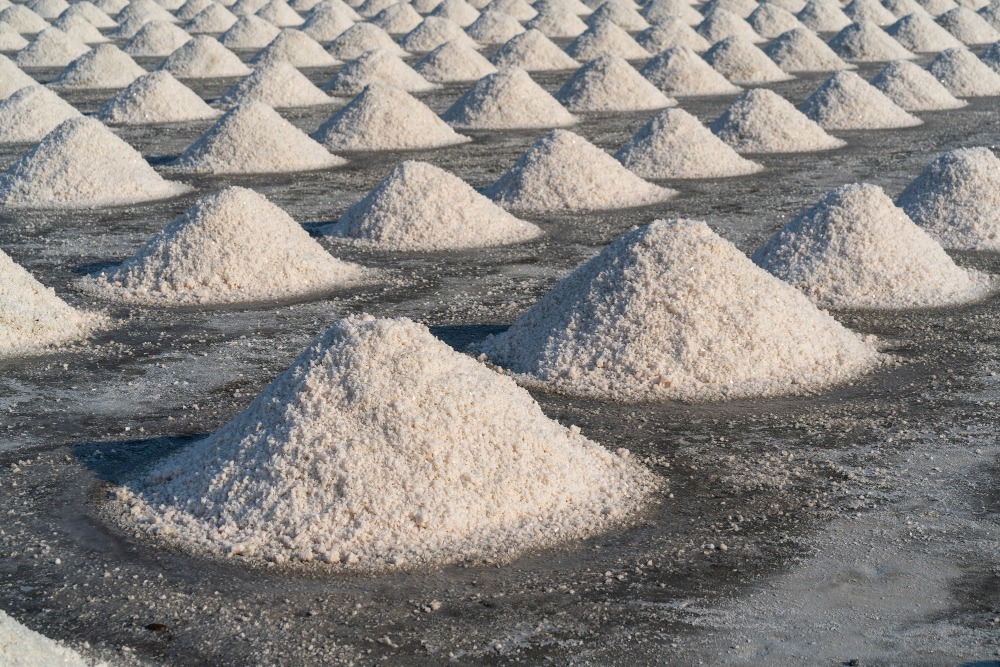
Elchemy is a chemical distribution and custom manufacturing platform serving buyers across 25+ countries. For teams who want to buy Sodium thiosulphate without starting from scratch with unvetted overseas manufacturers, it addresses several of the real problems in the sourcing process.
What actually matters for buyers:
Pre-qualified supplier network: Elchemy works with manufacturers that have already been through qualification checks. You’re not cold-contacting an unknown exporter from a trade directory.
Multiple grades and forms: Industrial grade, technical grade, pentahydrate, anhydrous – the product catalog covers the variants that industrial buyers actually need, not just the easiest commodity form to list.
Global shipping coverage: The platform handles orders to the US, UK, UAE, and across Asia and Europe. For companies managing sodium thiosulphate wholesale procurement across multiple regions, having a single verified point of contact is more useful than it sounds on paper.
Custom manufacturing capability: Need a specific concentration, packing format, or formulation? The custom manufacturing service at Elchemy covers non-standard requirements that standard distributors typically can’t accommodate.
Complete documentation: COAs, Safety Data Sheets, and regulatory paperwork available before purchase confirmation. No chasing documents after payment.
Competitive bulk pricing: For buyers at industrial volumes, the platform’s pricing structure on sodium thiosulphate wholesale is worth benchmarking against your current supplier relationships.
The platform is especially useful if you’re sourcing multiple chemical categories at once, which most procurement teams are. Managing 15 separate supplier relationships across 15 different chemicals is genuinely exhausting. Consolidating through a vetted distribution platform saves administrative time that compounds significantly over a year.
→ Get started with Elchemy today and request a quote for your volume and grade.
Common Mistakes When Buying Sodium Thiosulphate in Bulk
Let’s talk about what actually goes wrong in practice.
Buying purely on price is the obvious one – and yet it’s still the most common error in the first procurement cycle with a new supplier. A $0.10/kg savings sounds meaningful at 10 MT. But if the purity comes back at 95% instead of 98%, your process requires more chemical to achieve the same result. The economics often flip entirely, and you’ve also introduced a quality variable into an application that may not tolerate it.
Ignoring shelf life is another real one. Sodium thiosulphate pentahydrate in crystal form is stable under proper storage conditions – cool, dry, sealed containers. The solution form is a different story. It degrades meaningfully over time, particularly in warmer storage environments. Buyers who order a six-month supply of 30% solution and store it improperly often find efficacy dropping before they’ve used half of it. Check shelf life and storage requirements before deciding on form.
Not including the CAS number in your RFQ sounds like a minor thing until you’ve received a shipment of the wrong compound. Sodium thiosulphate (CAS 7772-98-7, pentahydrate: 10102-17-7) and sodium sulfite (CAS 7757-83-7) get confused by non-specialists, and the applications are completely different. Include the CAS number every time. It takes 10 seconds and eliminates an entire class of ordering errors.
Underestimating procurement lead times is probably the most operationally damaging mistake. If you’re running water treatment operations and cut your inventory cycle too close, you’re potentially looking at a compliance issue. Build real buffer into your purchasing calendar – not the lead time the supplier quoted, but the lead time you’ve actually observed over multiple orders.
Also Read: Sodium Hydroxide Storage Guidelines According to U.S. OSHA Standards
Sodium Thiosulphate Grade and Form Comparison
| Specification | Industrial Grade | Technical Grade | Reagent Grade |
| Purity (min) | 98% | 99% | 99.5%+ |
| Primary applications | Water treatment, mining, textile | Food processing, photography | Lab, pharma prep |
| Price premium vs. industrial | Baseline | +40-70% | +150-300% |
| Common form | Crystals, powder | Crystals | Powder, crystals |
| Key certifications | Basic COA | ISO, food-grade specs | ACS, USP, BP/EP |
| Typical MOQ (bulk) | 1 MT+ | 500 kg+ | 25 kg+ |
Frequently Asked Questions
What should I look for in a reliable sodium thiosulphate supplier?
Start with documentation. Ask for a current Certificate of Analysis showing purity, heavy metals content, and moisture levels from a recent actual shipment. Beyond that, check their minimum order quantities against your actual volume needs, ask whether the product is in stock or make-to-order, and request a lab sample before any commercial order. A supplier who’s transparent about specs and responds to questions promptly is almost always the safer choice, even if they’re not the absolute cheapest quote on the table.
What is the typical sodium thiosulphate price per kg for bulk buyers?
For industrial grade pentahydrate at 1 MT+ volumes, realistic FOB pricing runs $0.35 to $0.65/kg depending on origin. Technical grade comes in around $0.70 to $1.10/kg. Reagent grade goes considerably higher, often $1.20 to $2.50/kg. These are rough benchmarks for 2024/2025 – your actual landed price will depend on freight, Incoterms, and whether the supplier is quoting from stock or from production.
Where can I find a bulk sodium thiosulphate supplier in the USA, UK, or UAE?
For US and UK buyers, regional distributors offer shorter lead times but tend to price above Asian manufacturers. For UAE-based buyers, several Indian and Chinese exporters have strong logistics coverage into GCC ports. Platforms like Elchemy connect buyers with vetted global sodium thiosulphate distributors and handle cross-border logistics across all three regions – useful if you’re sourcing for multiple locations simultaneously.
What is the difference between sodium thiosulphate pentahydrate and anhydrous?
Pentahydrate contains five water molecules per formula unit, giving it roughly 63% active sodium thiosulphate content. Anhydrous is the water-free form with higher active concentration. For most water treatment and industrial applications, pentahydrate works fine. Anhydrous is preferred in applications where moisture interferes with the process or where you’re working with a concentrated formulation. It costs 10-15% more and is less widely stocked.
Is sodium thiosulphate and sodium thiosulfate the same thing?
Yes, exactly the same compound. “Thiosulphate” is the British English spelling used widely in international trade documentation. “Thiosulfate” is the American English convention. Both refer to Na2S2O3. When placing orders with international suppliers, include the CAS number (7772-98-7 for the anhydrous form, 10102-17-7 for the pentahydrate) to eliminate any ambiguity.
How do I calculate sodium thiosulphate dosing for dechlorination?
A rough working ratio: approximately 7 mg of sodium thiosulphate neutralizes 1 mg of free chlorine. If your system has 2 mg/L residual chlorine and you’re treating 1,000 cubic meters per day, you’re looking at roughly 14 kg/day under ideal conditions. Real-world dosing depends on water temperature, contact time, and actual chlorine demand – always validate with your process engineer before setting procurement volumes based on theoretical calculations.
Conclusion
Sourcing sodium thiosulphate in bulk isn’t complicated if you go in with the right framework. Know your grade requirement before you request quotes. Specify Incoterms so you’re comparing actual landed costs. Ask for a current COA and a sample before committing to a commercial order. And build enough buffer into your procurement cycle that a two-week supplier delay doesn’t create an operational problem.
The market has solid options at every price point. Chinese and Indian manufacturers dominate on cost for industrial volumes. Regional distributors offer faster lead times for smaller orders. And for buyers who want a vetted, multi-region option without the cold-sourcing risk, platforms like Elchemy are worth evaluating seriously.
Key Takeaways:
Specify the grade (industrial, technical, or reagent) before requesting quotes – it has a major impact on pricing and supplier options
Benchmark FOB prices: $0.35-$0.65/kg for industrial pentahydrate, $0.70-$1.10/kg for technical grade
Always request a current COA, confirm the product is in stock, and insist on a sample before any large commercial order
Inconsistent Incoterms make quote comparisons unreliable – always specify CIF or FOB in your RFQ
For multi-region sourcing or specialty grade requirements, a verified distribution platform reduces risk significantly
Ready to source? Elchemy connects industrial buyers with verified manufacturers and distributors across 25+ countries, covering every major grade and form of sodium thiosulphate. Get your quote and move on with confidence.