

At a Glance
- Titanium dioxide is an FDA-approved color additive used in dietary supplement tablets and capsules, typically at less than 1% of total formulation weight
- Under 21 CFR 73.575, TiO₂ may be used as a color additive in dietary supplements at no more than 1% by weight
- The EU banned TiO₂ as a food and supplement additive in 2022 over genotoxicity concerns, a position the FDA, UK FSA, and Health Canada do not currently share
- In tablet coatings, TiO₂ protects active ingredients from UV-induced degradation and ensures consistent appearance across production batches
- Consumer pressure for clean label supplements is accelerating reformulation away from TiO₂, even where it remains legally permitted
Walk into any pharmacy and pick up a bottle of multivitamins. Turn it over. Somewhere in the “Other Ingredients” list, there is a reasonable chance you will see titanium dioxide. It sits quietly between magnesium stearate and microcrystalline cellulose, rarely explained, rarely questioned. Most consumers have no idea what it is doing there.
That is changing. Growing clean label pressure, a 2022 EU ban, and ongoing scientific debate have pushed titanium dioxide in supplements from a background excipient into a front-and-center formulation decision. For supplement manufacturers, contract coaters, and ingredient buyers in the U.S., the question is no longer just whether TiO₂ is permitted. It is whether using it still makes sense.
What TiO₂ Is Actually Doing in Your Supplement?
Most people assume titanium dioxide in supplements is purely cosmetic. That is partially true, but the functional picture is broader.
The Coating and Appearance Role
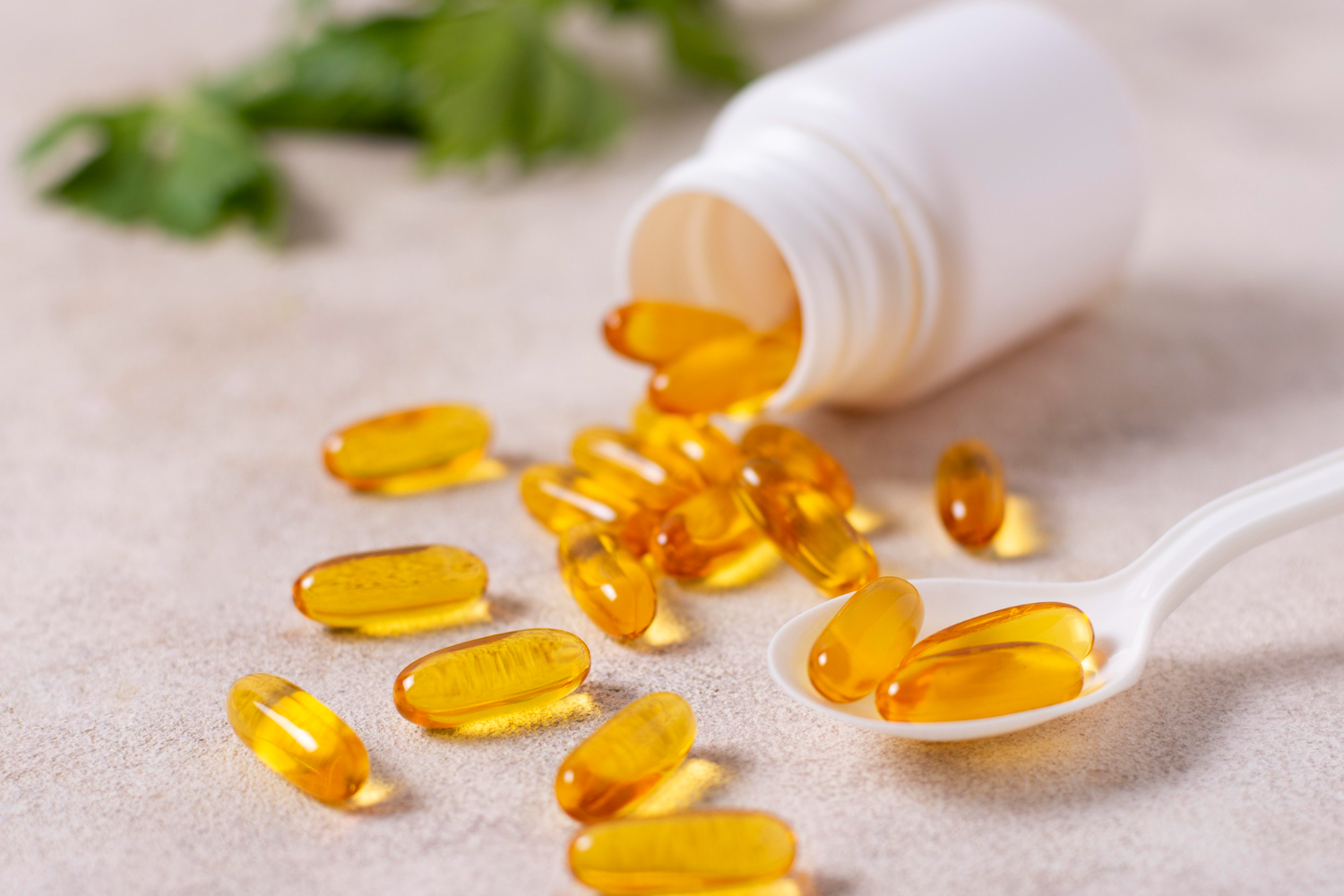
Supplement tablets and capsules are coated for several reasons: to mask unpleasant tastes, protect contents during shelf life, ease swallowing, and maintain consistent appearance. TiO₂ is the primary opacifying agent in these coatings. It makes tablets white and uniform, which matters to both manufacturers and consumers.
Appearance consistency is not trivial in supplement manufacturing. Batch-to-batch color variation signals quality inconsistency to buyers, retailers, and end consumers. A uniform white coating built on TiO₂ eliminates that variability efficiently and at low cost.
The Functional Protective Role
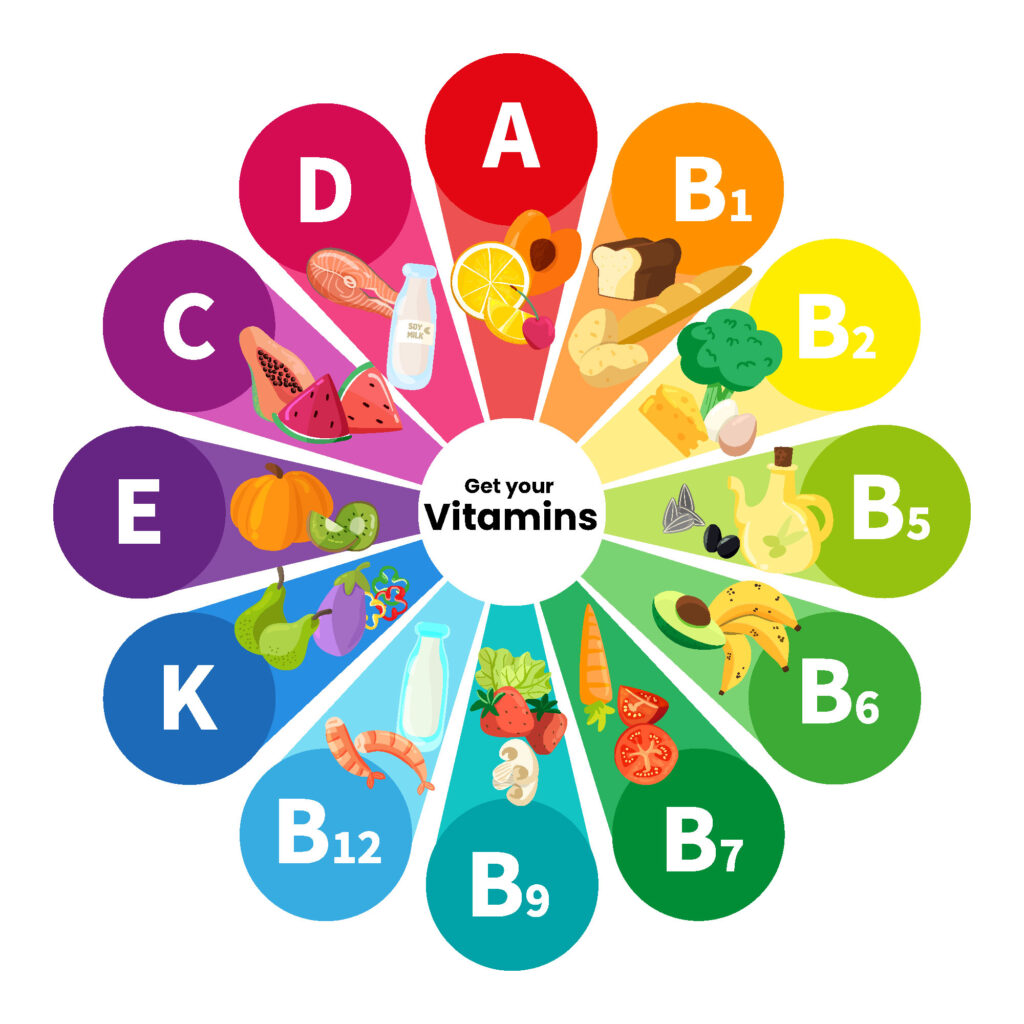
Beyond aesthetics, TiO₂ in tablet coatings disperses both visible and UV light. This protects photosensitive active ingredients, such as certain B vitamins, folate, and riboflavin, from light-induced degradation during storage. For light-sensitive formulations, the opacifying layer genuinely extends shelf stability.
This is why TiO₂ shows up in vitamins specifically. Titanium dioxide in vitamins is not just about making them look white. In some formulations, it is doing functional protective work that affects potency over the product’s shelf life.
The U.S. Regulatory Framework
The FDA’s position on titanium dioxide in supplements is clear and has not changed in recent years, even as regulatory positions in other markets have shifted significantly.
21 CFR 73.575: What It Says
Under Title 21 of the Code of Federal Regulations, section 73.575, titanium dioxide is listed as a color additive approved for use in foods and dietary supplements. The regulation permits its use at a maximum of 1% by weight of the finished product. The substance must conform to specified purity requirements, including limits on lead, arsenic, antimony, mercury, and other heavy metal contaminants.
Importantly, TiO₂ is classified as a color additive under this regulation, not a dietary ingredient. That distinction matters for how it is reviewed and what safety standards apply to it.
GRAS vs. Color Additive: Why the Category Matters
Unlike many supplement excipients that carry GRAS status, TiO₂ is regulated as a color additive, which means it falls under a different statutory pathway. The FDA’s color additive approval process is separate from GRAS determinations and carries its own safety review framework. TiO₂ passed that review and is listed as approved.
This also means that any future FDA action on TiO₂ in supplements would proceed through the color additive petition and rulemaking process, not through a GRAS revocation. That is a slower and more formal pathway, which partly explains why the FDA has not moved despite the EU ban.
FDA’s Current Position vs. The EU
The FDA’s most recent public statements have maintained that TiO₂ at permitted levels in food and supplements does not present a safety concern based on current evidence. This puts it directly at odds with EFSA, the European Food Safety Authority, which concluded in 2021 that TiO₂ could no longer be considered safe as a food additive, citing genotoxicity concerns primarily linked to nanoparticle forms.
The EU ban followed in 2022. Health Canada, the UK Food Standards Agency, and the FDA reviewed the same EFSA data and reached different conclusions, largely on the grounds that the genotoxicity evidence from animal studies was not sufficient to establish risk at human exposure levels from food and supplement use.
That regulatory divergence is the core of the current debate.
The Safety Debate: What the Science Actually Shows
This is the section where nuance matters most, because both sides of the debate have legitimate scientific grounding.
The Concern: Nanoparticles and Genotoxicity
The safety debate around TiO₂ in supplements centers almost entirely on particle size. Pigmentary TiO₂, the form used in paint, is typically 200 to 300 nanometers. TiO₂ used in food and supplement applications often contains a fraction of particles below 100 nanometers, technically qualifying as nanomaterial under EU definitions.
EFSA’s concern was that nanoparticle TiO₂ could penetrate gut epithelial cells, accumulate in tissues, and cause genotoxic effects. Several in vitro and animal studies showed DNA strand breaks at elevated doses. The question that divides regulators is whether those doses are relevant to human exposure from normal supplement consumption.
The Counter-Argument: Dose and Bioavailability
The FDA and other agencies point to several key limitations in the genotoxicity studies: they used doses far exceeding realistic human exposure, they were often conducted in vitro rather than in vivo, and bioavailability data consistently shows very low absorption of TiO₂ from the gastrointestinal tract. The compound is largely insoluble and passes through without systemic uptake at normal intake levels.
Where the Occupational Risk Sits
The clearest established risk from TiO₂ remains inhalation, not ingestion. IARC’s Group 2B classification and NIOSH’s recommended exposure limits both relate to airborne particles in manufacturing environments, not to consuming a coated tablet. That distinction is frequently lost in consumer-facing reporting on TiO₂ safety.
| Regulatory Body | Position on TiO₂ in Food/Supplements |
| FDA | Approved under 21 CFR 73.575 at max 1% by weight |
| EFSA / EU | Banned since 2022; genotoxicity concern for nanoforms |
| Health Canada | No ban; maintains safety at permitted levels |
| UK FSA | Post-Brexit review; no ban; monitoring ongoing |
| IARC | Group 2B (inhalation); not classified for ingestion |
Who Is Still Using It and Why?
Despite growing clean label pressure, TiO₂ remains widely used in U.S. supplement manufacturing for straightforward reasons.
Cost efficiency is the primary driver. TiO₂ delivers consistent whiteness and opacity at very low loading levels. Alternatives that match its optical performance tend to cost more per unit and require higher inclusion rates.
Formulation stability matters for complex tablets. In coated tablets with multiple active layers, TiO₂ provides a reliable, chemically inert barrier. Switching to alternatives sometimes requires reformulation of the coating system, not just a drop-in swap.
Regulatory certainty is also a factor. For manufacturers selling primarily in the U.S. market, FDA’s continued approval means there is no compliance driver to change. The business case for reformulation has to come from market demand rather than regulatory pressure.
Final Thoughts
Titanium dioxide in supplements occupies an uncomfortable middle ground. It is legally permitted in the U.S., functionally useful, and cost-efficient. It is also banned in the EU, under ongoing scientific scrutiny, and increasingly unwanted by a segment of consumers who read ingredient labels carefully.
Neither of those realities cancels the other. What they do together is create a formulation decision that requires active thinking rather than default inertia. Manufacturers who understand exactly what TiO₂ is doing in their product, what alternatives exist, and where their target market sits on clean label expectations will make that decision on solid ground.
The regulatory picture may shift. Consumer expectations certainly will. Getting ahead of both is easier than catching up.