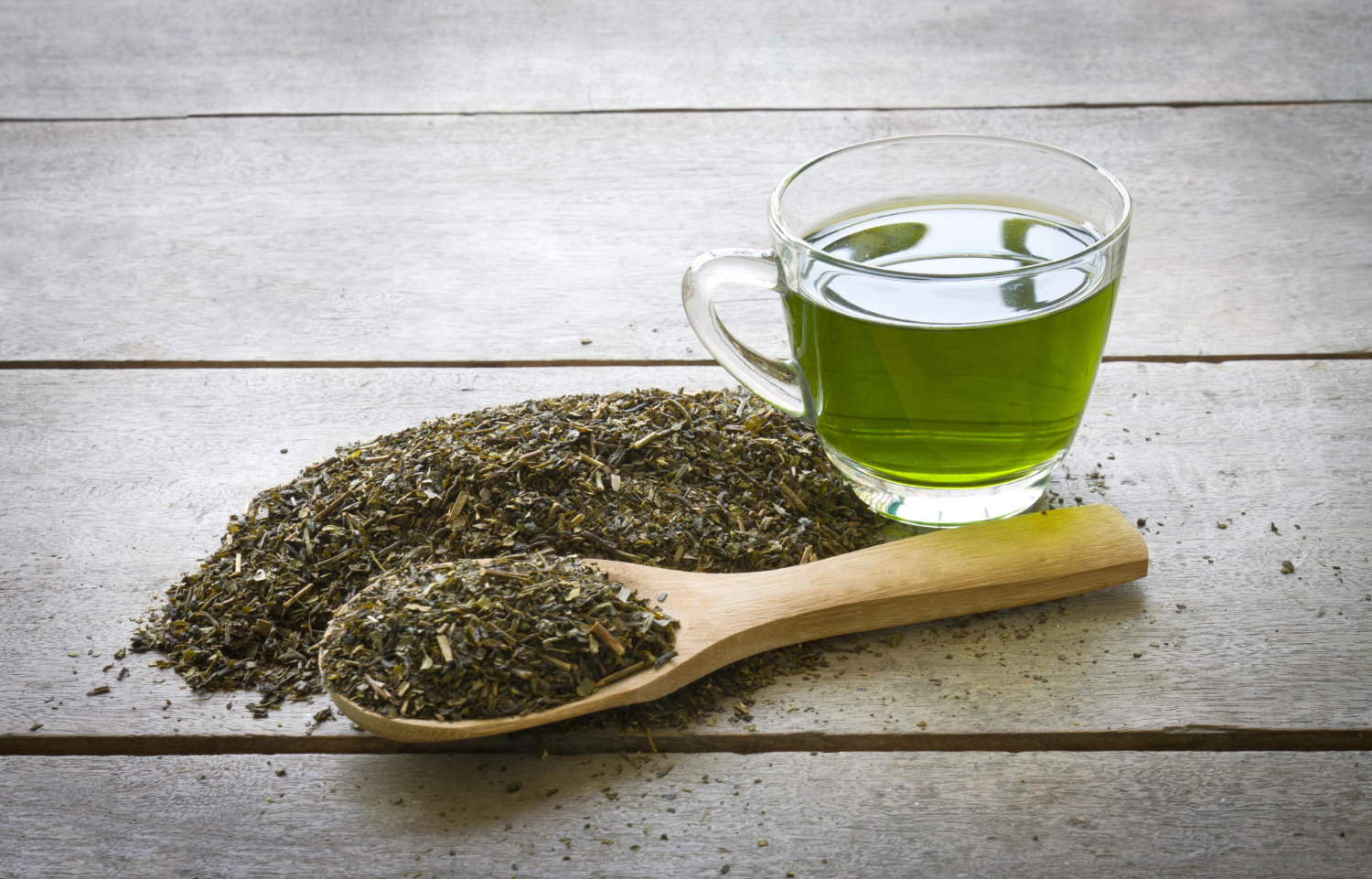


Green tea extract powder is a concentrated, standardized form of bioactive compounds derived from the leaves of Camellia sinensis. Unlike whole-leaf green tea, the extract is processed to isolate and amplify specific polyphenols primarily catechins such as epigallocatechin gallate (EGCG) delivering therapeutic potency at much lower doses.
In its powdered form, green tea extract offers superior stability, consistent dosing, and versatile blendability, making it the preferred ingredient choice for nutraceutical manufacturers, functional food brands, cosmetic formulators, and pharmaceutical-grade supplement developers worldwide.
Green tea extract powder is commercially available in multiple standardizations, typically ranging from 40% to 98% polyphenol content, with EGCG concentrations commonly specified at 45%, 50%, 60%, 70%, or 90% enabling precise formulation for target health claims.
Looking to source green tea extract powder at scale? Get a bulk quote from Elchemy →
What Is Green Tea Extract Powder Used For?
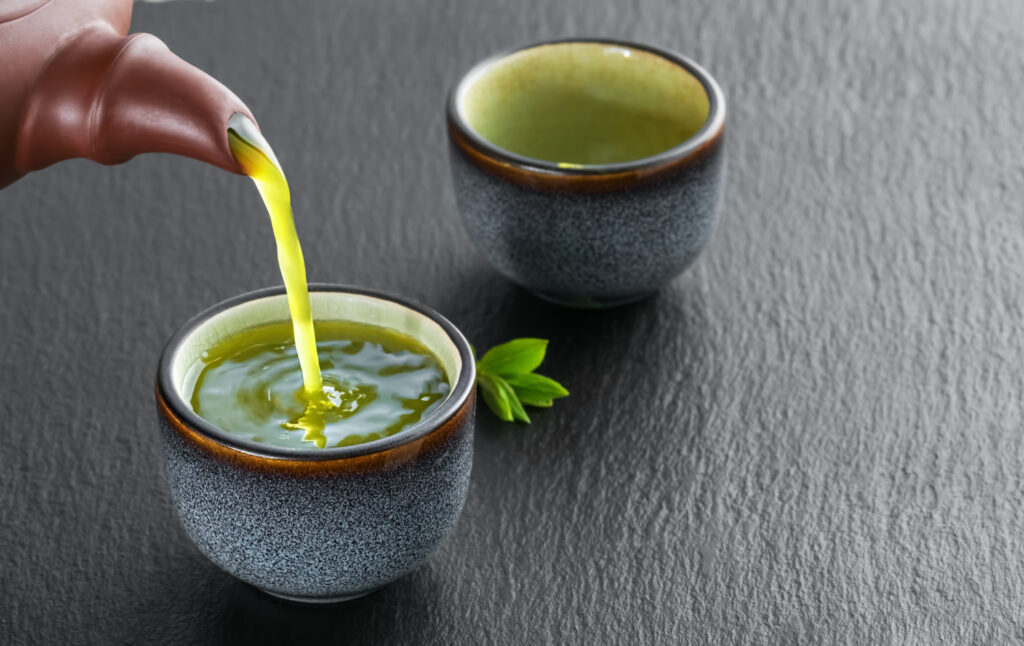
Green tea extract powder is used across five major categories:
1. Dietary Supplements & Nutraceuticals
The most dominant application. Green tea extract is formulated into capsules, tablets, and softgels targeting weight management, metabolic health, antioxidant support, and cognitive function. Fat-burner stacks, detox blends, and nootropic formulations routinely include standardized EGCG extract as a core ingredient.
2. Functional Foods & Beverages
RTD (ready-to-drink) teas, energy drinks, fortified waters, protein bars, and meal-replacement powders increasingly use green tea extract to add polyphenol credentials without the bitterness of raw tea. The powder form allows precise micro-dosing and clean labeling.
3. Sports Nutrition
Pre-workout and fat-oxidation products leverage EGCG’s thermogenic and endurance-supporting properties. Green tea extract pairs effectively with caffeine, L-theanine, and other ergogenic ingredients.
4. Personal Care & Cosmetics
Due to its antioxidant and anti-inflammatory properties, green tea extract appears in serums, moisturizers, sunscreens, and anti-aging formulations. Cosmetic-grade EGCG extract is valued for its skin-brightening and collagen-protective activity.
5. Pharmaceutical & Clinical Research
EGCG extract is an active ingredient in investigational compounds studying metabolic disorders, neuroprotection, and oncology-adjacent conditions. Pharmaceutical-grade green tea extract with verified purity is sourced for clinical trial formulations.
Key Active Compounds: EGCG and Beyond
Understanding what makes green tea extract powerful requires knowing its phytochemical composition:
| Compound | Type | Primary Function |
| Epigallocatechin Gallate (EGCG) | Catechin | Antioxidant, anti-inflammatory, metabolic support |
| Epicatechin Gallate (ECG) | Catechin | Lipid metabolism, antimicrobial |
| Epigallocatechin (EGC) | Catechin | Cardiovascular protection |
| Epicatechin (EC) | Catechin | Endothelial function, neuroprotection |
| L-Theanine | Amino Acid | Cognitive relaxation, synergy with caffeine |
| Caffeine | Alkaloid | Thermogenesis, CNS stimulation |
| Chlorogenic Acids | Polyphenol | Blood sugar regulation |
| Quercetin | Flavonoid | Anti-inflammatory, immune modulation |
EGCG is the most pharmacologically studied compound in green tea and accounts for up to 60–65% of catechin content in high-grade extracts. When sourcing green tea extract bulk, always request a Certificate of Analysis (CoA) specifying EGCG percentage alongside total polyphenol content.
Benefits of Green Tea Extract Powder
Evidence from peer-reviewed research supports the following benefits, which are frequently cited in product formulations and marketing claims:
1. Powerful Antioxidant Activity
EGCG is one of the most potent natural antioxidants identified. It neutralizes reactive oxygen species (ROS) and inhibits oxidative stress pathways at the cellular level. ORAC values for high-grade green tea extract powder are significantly higher than those of vitamins C and E combined.
Relevance for formulators: Supports “antioxidant protection” and “cellular health” claims on supplement labels in most regulated markets.
2. Metabolic Rate Enhancement & Fat Oxidation
Multiple meta-analyses confirm that green tea catechins particularly EGCG increase thermogenesis and fat oxidation by inhibiting catechol-O-methyltransferase (COMT), thereby prolonging norepinephrine signaling. Studies report meaningful increases in 24-hour energy expenditure.
Relevance for formulators: Core claim for weight management supplements. Often combined with caffeine for a synergistic thermogenic effect.
3. Cardiovascular Health Support
Green tea extract supplementation is associated with reductions in LDL cholesterol oxidation, improvement in endothelial function, and modest blood pressure benefits. EGCG inhibits platelet aggregation and supports arterial flexibility.
Relevance for formulators: Supports cardiovascular wellness claims in heart-health supplements and functional foods.
4. Blood Sugar Regulation & Insulin Sensitivity
Catechins modulate glucose transport and insulin signaling pathways. Clinical evidence supports a role for green tea extract in reducing post-meal blood glucose spikes and improving insulin sensitivity in metabolic syndrome populations.
Relevance for formulators: Applicable to blood sugar management supplements and diabetic-friendly functional foods.
5. Cognitive Function & Neuroprotection
The combination of EGCG and L-theanine found in full-spectrum green tea extracts supports alpha-wave brain activity, working memory, and attention. EGCG also demonstrates neuroprotective activity against amyloid-beta aggregation in preclinical models.
Relevance for formulators: Nootropic blends, focus supplements, and healthy aging formulations.
6. Anti-Inflammatory Properties
EGCG downregulates NF-κB signaling a master inflammatory pathway reducing the production of pro-inflammatory cytokines. This mechanism underlies many of green tea extract’s broader protective effects.
Relevance for formulators: Recovery supplements, joint health products, and general wellness formulations.
7. Skin Health & Anti-Aging (Topical & Oral)
Oral and topical application of green tea extract shows measurable improvement in skin elasticity, UV damage reduction, and sebum control. Cosmetic-grade green tea extract is a premium active in anti-aging serums and suncare products.
Relevance for formulators: Beauty-from-within supplements, topical serums, and sun protection formulations.
8. Antimicrobial & Immune Support
Catechins exhibit activity against a broad spectrum of bacteria and viruses, including common respiratory pathogens. This has positioned green tea extract as an ingredient in immune-support formulations, particularly post-pandemic.
Relevance for formulators: Immunity supplements, functional beverages, and oral health products.
Green Tea Extract Powder Specifications
When purchasing green tea extract bulk, manufacturers should evaluate against these standard parameters:
| Parameter | Typical Specification |
| Appearance | Fine off-white to light green powder |
| Total Polyphenols | 40% – 98% |
| EGCG Content | 45% – 90% (by HPLC) |
| Total Catechins | 60% – 95% |
| Caffeine Content | <2% (decaffeinated) or 2–5% (standard) |
| Moisture | ≤5% |
| Ash Content | ≤5% |
| Heavy Metals | Pb <1ppm, As <1ppm, Hg <0.1ppm, Cd <1ppm |
| Microbial Count | TPC <1000 CFU/g |
| Solubility | Water-soluble (standard); enhanced-solubility variants available |
| Particle Size | 80–120 mesh |
Decaffeinated vs. Caffeinated Grades: Manufacturers targeting sensitive populations (children’s supplements, sleep formulas, pregnancy wellness) should specify decaffeinated green tea extract. Standard grades retain natural caffeine levels and are preferred for sports nutrition and weight management.
Water-Soluble Green Tea Extract: Advanced processing produces water-soluble green tea extract powder with greatly improved dispersibility critical for beverage applications where traditional extract may exhibit turbidity or sedimentation.
Applications by Industry {#applications-by-industry}
Nutraceutical & Dietary Supplements
- Capsules & tablets (weight loss, antioxidant, energy)
- Powder blends & stick packs
- Liquid softgels
- Effervescent formulations
Functional Food & Beverage
- RTD tea and energy drinks
- Fortified waters and sports beverages
- Protein bars and meal replacements
- Baked goods and snack fortification
Sports Nutrition
- Pre-workout powders
- Fat-burner complexes
- Endurance and recovery blends
- Hydration formulas
Cosmetics & Personal Care
- Anti-aging serums and creams
- Sunscreen formulations
- Hair care (scalp health, anti-hair loss)
- Oral care (toothpaste, mouthwash)
Pharmaceutical
- Investigational nutraceutical compounds
- Clinical trial formulations
- Topical wound healing preparations
Where to Buy Green Tea Extract in Bulk
Sourcing green tea extract in bulk requires evaluating suppliers across four dimensions: ingredient quality, documentation depth, supply chain reliability, and commercial terms.
Primary Sourcing Channels:
1. Specialized Ingredient Distributors (B2B Platforms)
Platforms like Elchemy provide manufacturers with direct access to vetted green tea extract bulk suppliers, complete CoA documentation, sample fulfilment, and competitive bulk pricing. These platforms reduce sourcing risk by pre-qualifying suppliers against GMP, ISO, and regulatory standards.
2. Direct Manufacturer Sourcing
Buying directly from extraction facilities in China, India, Japan, or South Korea offers the lowest per-kg pricing but requires significant due diligence in supplier qualification, auditing, and import compliance management.
3. Domestic Ingredient Distributors
Regional distributors in the US, EU, or other markets stock pre-cleared, import-compliant green tea extract with faster lead times and local quality assurance support typically at a moderate price premium.
4. Contract Manufacturing Organizations (CMOs)
CMOs that handle formulation-to-finished-product typically source extract as part of their full-service offering. Suitable for brands without in-house formulation capability.
Minimum Order Quantities (MOQ):
- Trial/sample: 100g – 1kg
- Small batch: 5kg – 25kg
- Commercial bulk: 25kg – 100kg+
- Large-scale: 500kg – MT quantities (direct from manufacturer)
Ready to source green tea extract in bulk? Talk to Elchemy’s sourcing team today →
How to Evaluate a Green Tea Extract Supplier {#how-to-evaluate-a-green-tea-extract-supplier}
Not all green tea extract suppliers offer equivalent quality. Here is a manufacturer’s checklist for supplier qualification:
Documentation Requirements
- Certificate of Analysis (CoA) with HPLC-confirmed EGCG and polyphenol content
- Certificate of Origin (CoO)
- Safety Data Sheet (SDS)
- Halal / Kosher / Organic certifications (where required)
- Heavy metal test reports (ICP-MS)
- Microbial testing reports
- Pesticide residue analysis (especially for non-organic grades)
- Allergen statement
Manufacturing Certifications
- GMP (Good Manufacturing Practice): Mandatory for supplement-grade ingredients
- ISO 9001 / ISO 22000: Quality and food safety management
- FDA Registration (for US supply): Required for ingredients entering US market
- FSSC 22000: Best practice food safety certification
- Organic Certification: USDA Organic or EU Organic for clean-label positioning
Supply Chain Considerations
- Batch-to-batch consistency (ask for 3–5 batch CoAs)
- Lead time and inventory buffer availability
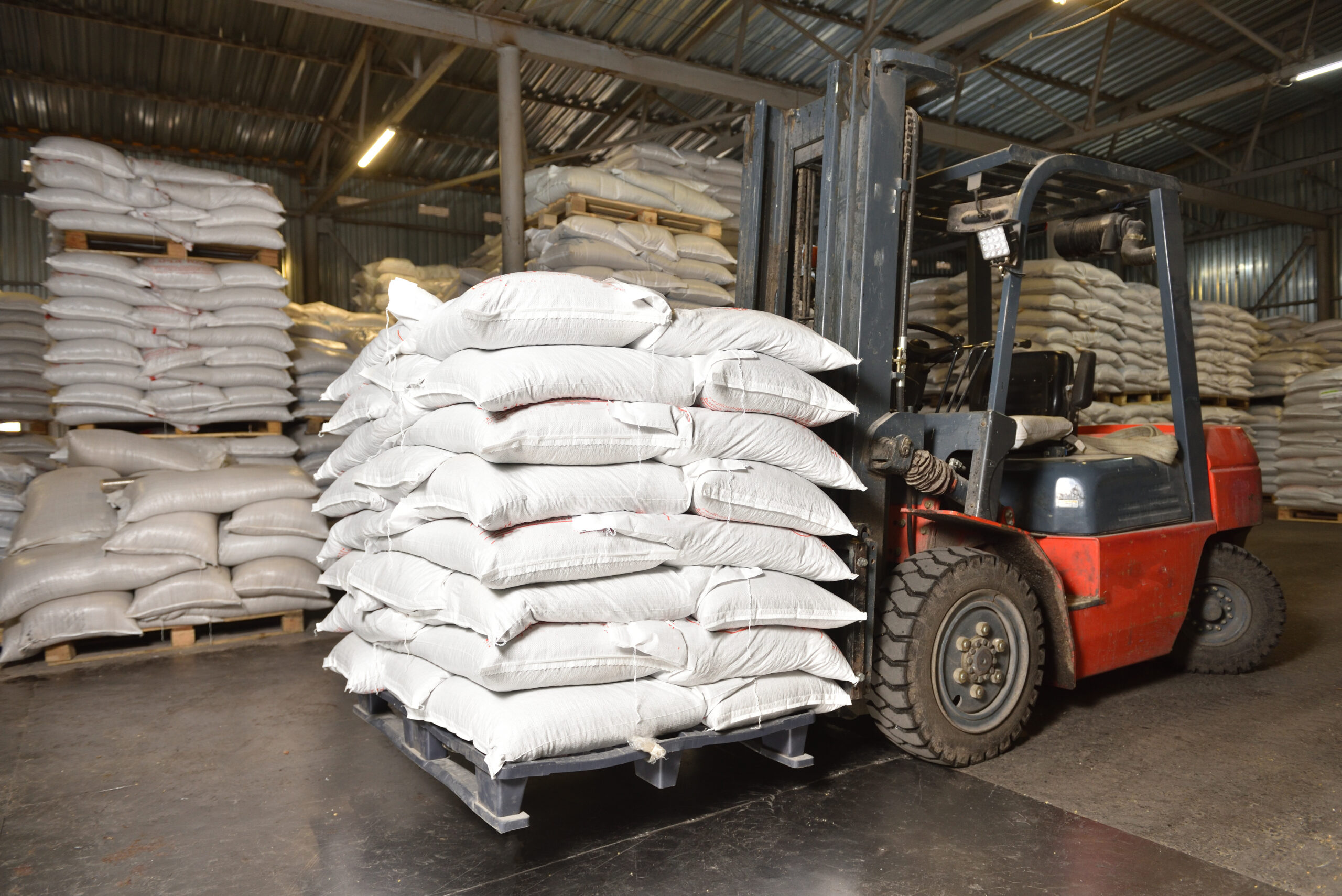
- Packaging options (25kg fiber drums, bags, customized)
- Cold-chain requirements (high-grade EGCG extracts benefit from temperature-controlled storage)
- Regulatory support for label claims and dossier preparation
Red Flags to Avoid
- No third-party testing or only in-house CoAs
- Unable to confirm extraction source or origin
- Unusually low pricing that undercuts market benchmarks significantly
- Inconsistent EGCG numbers across batches
- No ability to provide reference standards for HPLC method validation
Green Tea Extract Supplier List: What to Look For
Rather than listing specific supplier names (which change and cannot be independently verified in real time), here is what a credible green tea extract supplier profile looks like and the criteria you should use to build your own qualified supplier list:
Tier 1 Supplier Profile (Preferred):
- Vertically integrated owns tea plantations and extraction facilities
- Produces multiple standardizations (40%, 50%, 60%, 90% EGCG)
- Third-party lab tested with accredited laboratories (SGS, Eurofins, Intertek)
- Holds GMP + ISO 22000 + FSSC 22000
- Provides tech support for formulation guidance
- Minimum shelf life of 24 months from manufacture
- Transparent supply chain with traceable origin documentation
Tier 2 Supplier Profile (Acceptable with Verification):
- Established extraction facility with GMP certification
- Third-party testing available on request
- Can supply multiple grades and volumes
- Track record with international brands (request reference list)
How Elchemy Helps:
Elchemy maintains a pre-qualified network of green tea extract bulk suppliers that have been evaluated against Tier 1 criteria. Manufacturers and brands can access vetted options, compare specifications, and request samples through a single sourcing interface eliminating weeks of supplier discovery and qualification.
Access Elchemy’s verified green tea extract supplier network. Create your free account →
Regulatory & Quality Standards
Green tea extract operates in a well-established but jurisdiction-specific regulatory landscape. Manufacturers should understand the rules in their target markets:
United States (FDA / FTC)
- Classified as a dietary supplement ingredient (DSHEA framework)
- No pre-market approval required, but New Dietary Ingredient (NDI) notification may apply for novel forms
- Health claims must be substantiated; “structure/function” claims are permitted with notification
- FDA has issued guidance on hepatotoxicity risk at high EGCG doses (>800mg/day) label disclaimers recommended
European Union (EFSA / EC)
- Classified as a botanical; authorized for use in food supplements
- EFSA published a scientific opinion linking high-dose EGCG (>800mg/day) to liver injury risk
- Novel Food status may apply for certain high-concentration extracts consult your regulatory advisor
- Health claims require EFSA authorization; most green tea claims are on the “on hold” list pending review
India (FSSAI)
- Permitted as a functional food ingredient and nutraceutical
- Requires FSSAI product approval for labeled health claims
- Increasingly popular in the Indian supplement market
Canada (Health Canada NHP)
- Regulated as a Natural Health Product (NHP)
- Product License required before sale
- Monograph exists for green tea extract supports multiple indications
Elchemy provides regulatory documentation support including CoA packages, technical dossiers, and claim substantiation files to help manufacturers navigate these requirements.
Formulation Tips for Manufacturers
Getting the most from green tea extract powder requires formulation intelligence beyond simply adding it to a blend:
1. Stability Considerations
EGCG is sensitive to oxidation, light, heat, and alkaline pH. Protect finished formulations with:
- Nitrogen-flushed packaging or foil sachets
- Vitamin C or mixed tocopherols as co-antioxidants in the blend
- pH range of 3.5–7.0 for aqueous applications
- Storage below 25°C with low humidity
2. Bioavailability Enhancement
Oral bioavailability of EGCG is limited (~1–5% in standard forms). Enhance it via:
- Piperine co-formulation increases catechin absorption by 25–50%
- Phospholipid complexation (EGCG-Phytosome®) significantly improved systemic exposure
- Nanoencapsulation emerging technology for beverage applications
- Liposomal delivery for premium nutraceutical positioning
3. Taste Masking
High-polyphenol green tea extract has a notably astringent and bitter profile. For powder blends and beverages:
- Use microencapsulated EGCG extract for controlled-release and taste masking
- Add natural sweeteners (stevia, monk fruit) to offset astringency
- Citrus flavor systems complement tea flavor profiles naturally
4. Synergistic Ingredient Pairings
Green tea extract achieves superior efficacy when paired with complementary actives:
| Pairing | Synergy |
| EGCG + Caffeine | Enhanced thermogenesis and fat oxidation |
| EGCG + L-Theanine | Cognitive focus, reduced jitteriness |
| EGCG + Vitamin C | Antioxidant protection, stability |
| EGCG + Resveratrol | Amplified anti-aging, cardiovascular protection |
| EGCG + Berberine | Blood sugar regulation |
| EGCG + Coenzyme Q10 | Mitochondrial support |
5. Dosing Guidelines for Formulations
- Antioxidant / general wellness: 200–400mg extract (standardized to 50% EGCG) per serving
- Weight management: 400–800mg extract per day (divided doses preferred)
- Cardiovascular / metabolic: 300–500mg extract per day
- Cosmetic topical: 0.5–2% EGCG in formulation
Always reference the CoA standardization to calculate actual EGCG delivered per serving.
Frequently Asked Questions
Q1. What is the difference between green tea extract powder and matcha powder?
Matcha is ground whole green tea leaf with moderate polyphenol content (~5–10%). Green tea extract powder is a concentrated extract standardized to specific polyphenol and EGCG percentages delivering far higher active compound content per gram. For therapeutic formulations, green tea extract is the appropriate ingredient.
Q2. What EGCG percentage should I look for in bulk green tea extract?
For nutraceutical applications, 50%–70% EGCG standardization is most commonly specified. For pharmaceutical or clinical applications, 90%+ EGCG extract is used. General wellness supplements often use 40%–50% grades.
Q3. Is green tea extract powder safe for all product types?
Green tea extract is Generally Recognized as Safe (GRAS) at typical supplement doses. However, regulatory agencies in the US and EU have flagged hepatotoxicity risk at doses exceeding 800mg EGCG/day. Manufacturers should ensure recommended daily doses remain within safe thresholds and include appropriate label disclosures.
Q4. What is the typical shelf life of green tea extract powder?
Two years from manufacture when stored in sealed, moisture-proof packaging at or below 25°C, away from light. Specialty encapsulated or stabilized grades may offer longer shelf life.
Q5. Can green tea extract be used in organic-certified products?
Yes certified organic green tea extract is available from select manufacturers. Confirm USDA Organic or EU Organic certification on the CoA and request supporting documentation from your supplier.
Q6. What is the minimum order quantity for green tea extract bulk?
MOQs vary by supplier. On Elchemy’s platform, sample quantities from 100g are available for formulation testing, with commercial bulk orders from 25kg. Large-scale industrial supply (500kg+) can be arranged through direct manufacturer relationships in our network.
Q.7 How do I verify the authenticity of green tea extract?
HPLC (High-Performance Liquid Chromatography) is the gold standard for verifying catechin profile and EGCG content. Reputable suppliers provide third-party HPLC reports from accredited laboratories. Elchemy requires HPLC documentation from all listed suppliers.
Why Source Green Tea Extract Through Elchemy?
Elchemy is a B2B ingredient sourcing platform purpose-built for nutraceutical, food, and personal care manufacturers. Here is what sets Elchemy apart for green tea extract bulk sourcing:
- Pre-Qualified Supplier Network: Every supplier on Elchemy is vetted for GMP compliance, documentation quality, and supply reliability so you don’t spend months qualifying sources.
- Standardized Documentation: Access CoAs, SDS, technical data sheets, and regulatory support documents in one place.
- Sample Fulfilment: Quickly request trial samples before committing to commercial quantities accelerating your formulation timeline.
- Competitive Bulk Pricing: Transparent pricing for green tea extract bulk across multiple grades and volumes, with no hidden fees.
- Regulatory Guidance: Our technical team supports manufacturers with claim substantiation, labeling compliance, and market-specific regulatory documentation.
- End-to-End Visibility: Track orders, manage documentation, and maintain ingredient procurement records on a single platform.
Request a Sample or Bulk Quote
Whether you are formulating a new weight management supplement, scaling a functional beverage, or searching for a reliable green tea extract supplier for long-term production, Elchemy connects you with verified, high-quality supply.
Get started in three steps:
- Create a free Elchemy account access our full ingredient catalog including multiple green tea extract grades
- Request a sample receive trial quantities for formulation testing before committing to bulk
- Get a bulk quote our sourcing team will respond within 24 hours with competitive pricing and full documentation
🌿 Ready to Source Green Tea Extract Powder?
Sign Up Free & Get a Bulk Quote →
Request a Sample →
Talk to Our Sourcing Team →
Elchemy is a trusted B2B ingredient sourcing platform serving nutraceutical, food & beverage, and personal care manufacturers worldwide. All ingredients are sourced from GMP-certified suppliers with full documentation support.
Related Resources on Elchemy
- Plant Extract Powder: Complete Sourcing Guide
- EGCG Extract: Specifications, Benefits & Bulk Supply
- How to Evaluate a Nutraceutical Ingredient Supplier
- Green Tea Extract vs. Green Coffee Bean Extract: Formulator’s Comparison
- Polyphenol Ingredients: Sourcing Guide for Supplement Manufacturers