

At a Glance
- Boric acid (H₃BO₃) is a weak Lewis acid composed of boron, hydrogen, and oxygen
- Available in technical, pharmaceutical, and industrial grades with varying purity levels
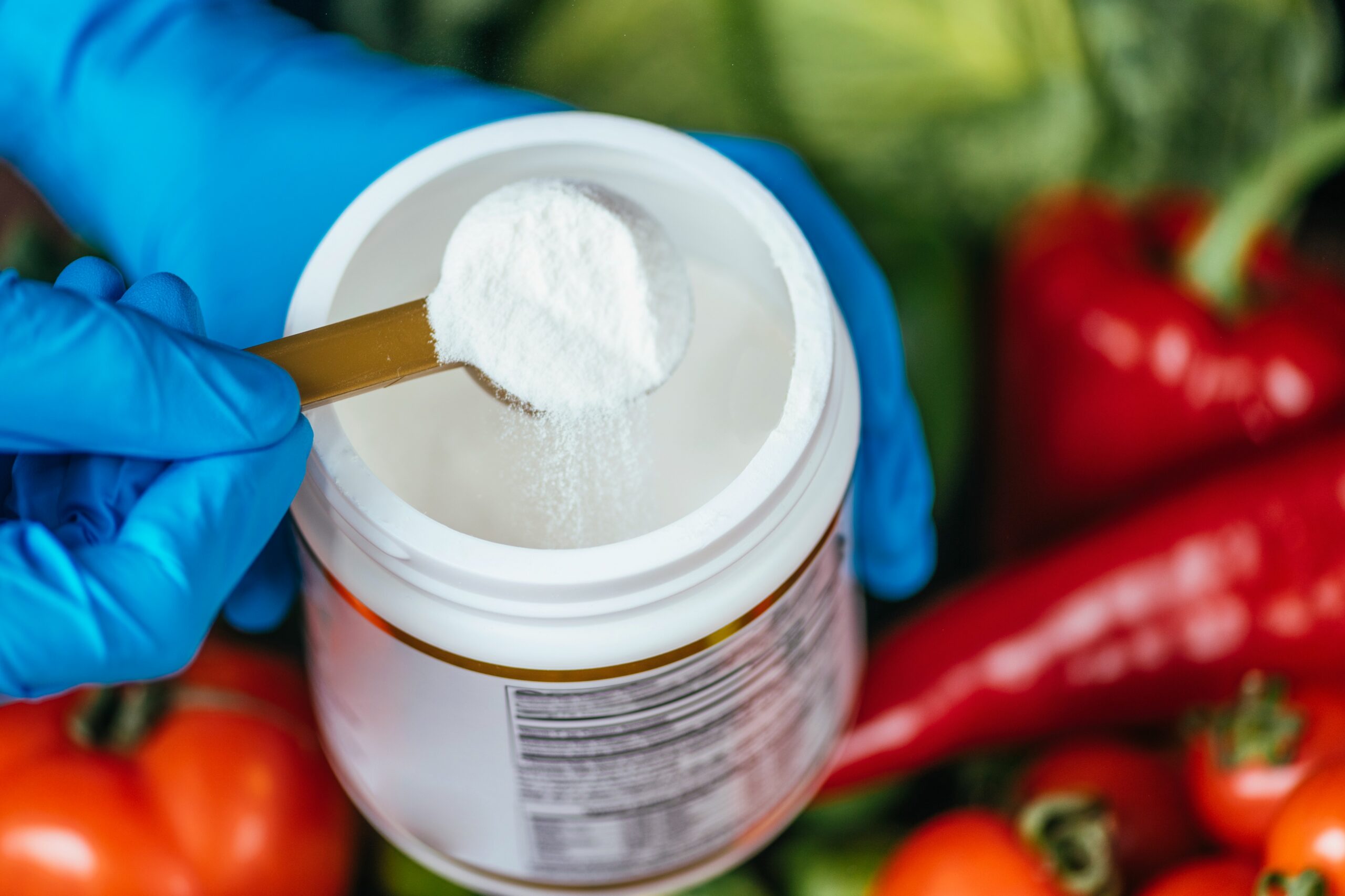
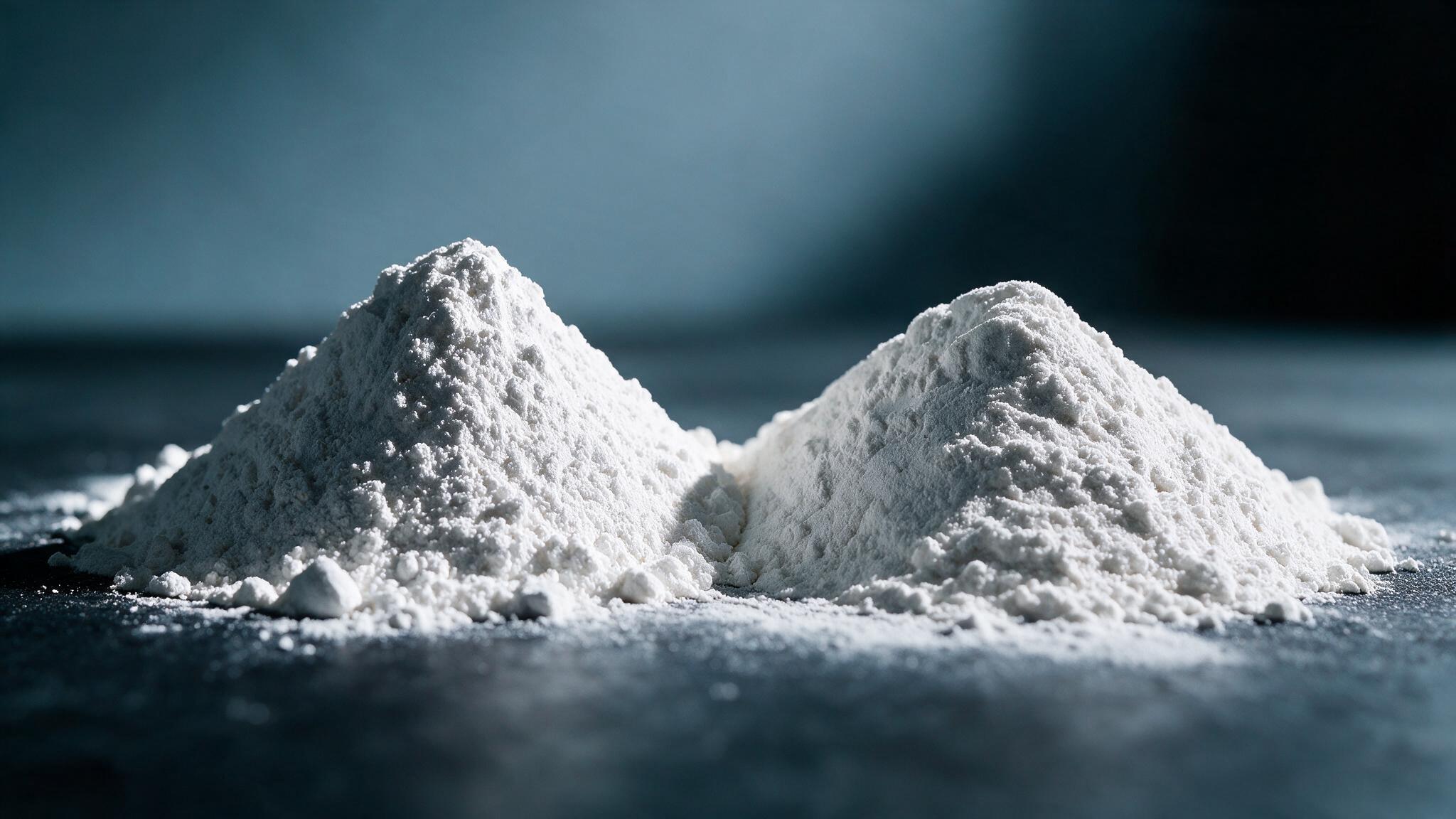
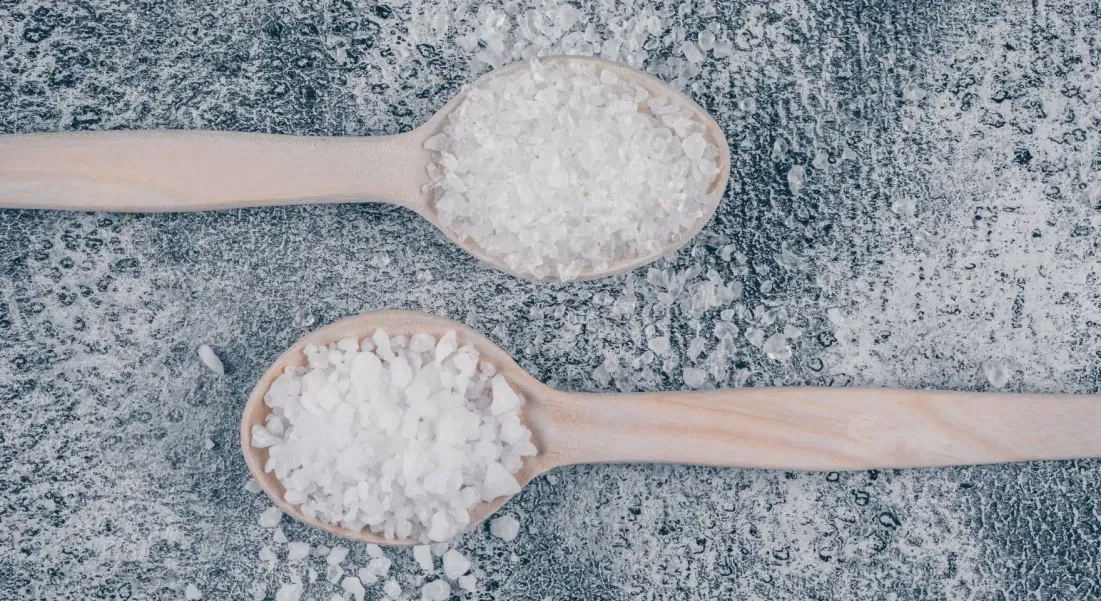
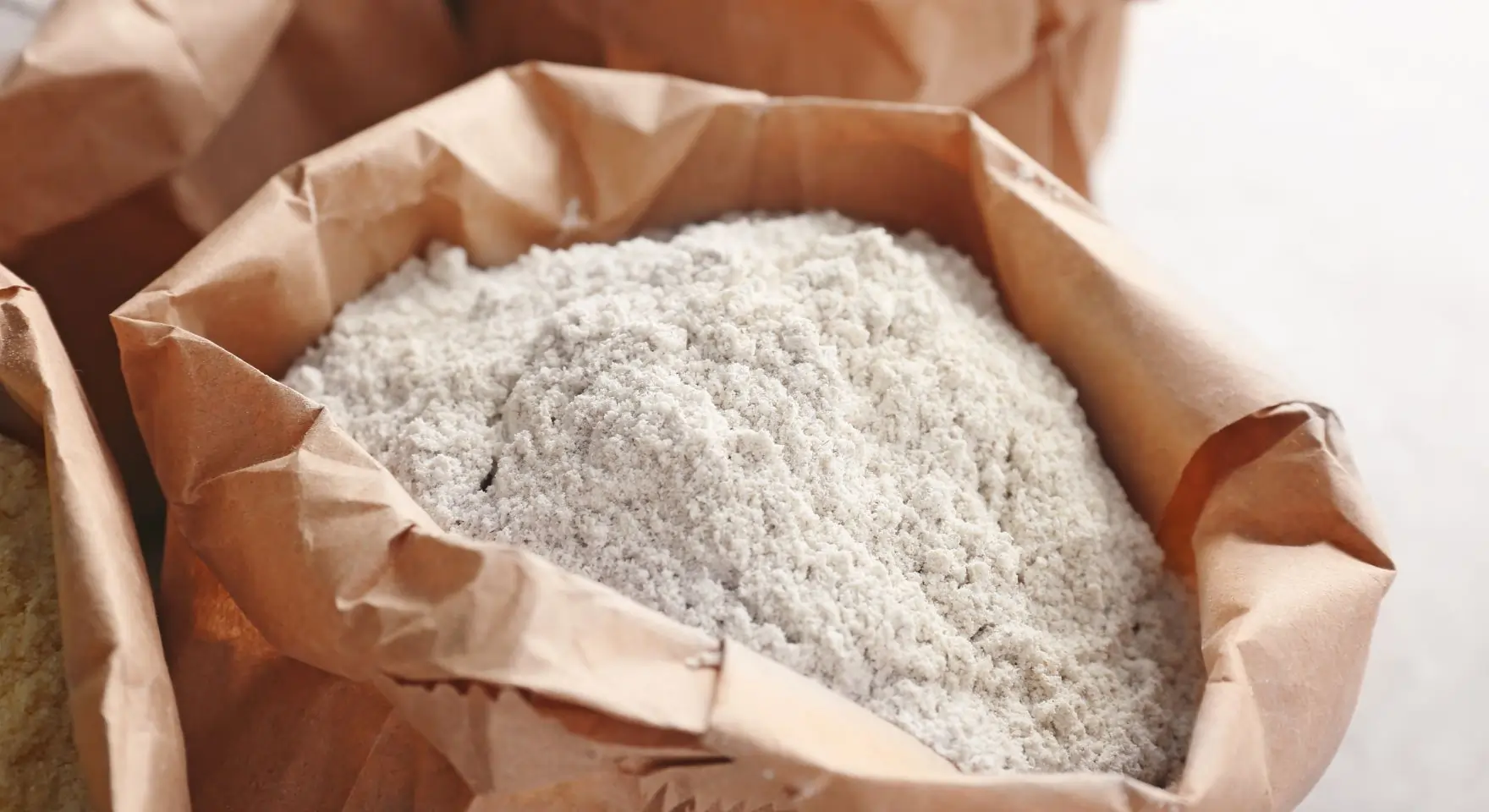
- Appears as white crystalline powder or flakes, highly soluble in hot water
- Primary industrial use is fiberglass and glass manufacturing, accounting for the largest market share
- Acts as an insecticide by disrupting insect nervous systems and abrading exoskeletons
- Functions as a fire retardant through endothermic decomposition that absorbs heat
- Used in nuclear reactors as a neutron poison to control fission reactions
- Shows antimicrobial and antifungal properties at appropriate concentrations
- Classified in EU as Category 1B reproductive toxin based on high-dose animal studies
Boric acid stands as one of the most versatile industrial chemicals in commercial use today. Boric acid, also known as hydrogen borate or boracic acid, is a weak monobasic Lewis acid of boron. This naturally occurring compound serves industries ranging from glass manufacturing to pharmaceuticals, from pest control to nuclear power generation.
In nature, boric acid is in the form of a mineral called sassolite found in volcanic regions like Tuscany, Italy. However, most commercial boric acid comes from processing naturally occurring borates extracted from dried salt lake beds in desert regions. Seawater also contains boric acid and its salts, though mining operations provide more economical sources for industrial production.
Understanding what boric acid is, how it functions chemically, and where it finds application helps explain why this compound remains essential across dozens of industries despite being discovered over three centuries ago.
Chemical Structure and Physical Properties
Boric Acid appears as a colorless or white crystal under room temperature, though it’s more commonly encountered as a fine white powder. The compound has a molecular mass of 61.83 g/mol along with a pKa value between 8.92 and 9.24, making it a weak acid that behaves differently from typical mineral acids.
Instead of donating a proton (H⁺) like most acids, it acts as a Lewis acid, accepting a hydroxide ion (OH⁻) from water. This unique acidic mechanism contributes to its mild yet effective nature in various applications.
Key Physical Properties:
| Property | Value | Significance |
| Molecular formula | H₃BO₃ | Three hydroxyl groups attached to boron |
| Molecular weight | 61.83 g/mol | Relatively light compound |
| Melting point | 170.9°C | Decomposes to metaboric acid |
| Solubility (cold water) | 4.7 g/100 mL at 20°C | Moderately soluble |
| Solubility (hot water) | 39.7 g/100 mL at 100°C | Highly soluble when heated |
| pH (0.1M solution) | ~5.1 | Weakly acidic |
| Density | 1.435 g/cm³ | Denser than water |
When on their own, boric acid and borax are only partially soluble in water but when combined they become highly soluble. This synergistic solubility finds application in various formulations requiring enhanced dissolution.
Boric acid has a layered, crystalline (lamellar) structure, similar to graphite. The molecular layers stack with weak van der Waals forces between them, allowing easy sliding. This structural characteristic makes boric acid function as a solid lubricant in high-temperature applications.
Industrial Grades and Quality Standards
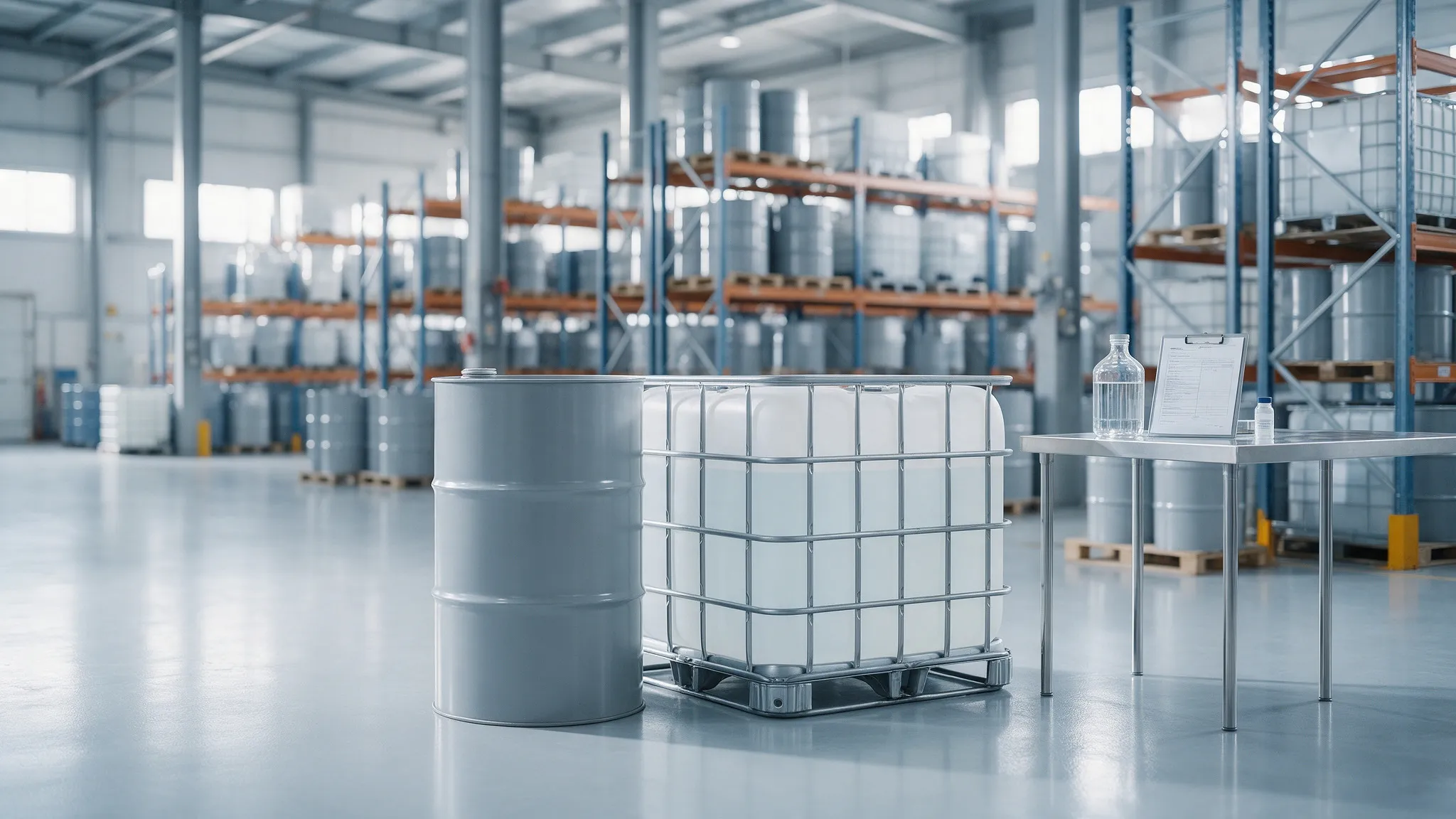
Boric acid is available in different grades and purities – such as technical grade, pharmaceutical grade, and industrial grade – each designed for specific uses. Selection of the appropriate grade determines both application suitability and regulatory compliance.
Technical Grade:
- Purity: 99.5% minimum
- Common uses: Glass manufacturing, metallurgy, ceramics
- Contains trace impurities acceptable for industrial processes
- Most cost-effective for bulk applications
Pharmaceutical Grade (USP):
- Purity: 99.9% minimum
- Meets United States Pharmacopeia standards
- Used in medical products, eye care solutions, topical treatments
- Requires stringent quality testing and documentation
Reagent Grade (ACS):
- Purity: 99.9%+ with defined impurity limits
- Meets American Chemical Society specifications
- Laboratory and analytical chemistry applications
- Batch-specific certificates of analysis provided
Food Grade:
- Meets FDA requirements for indirect food contact
- Used in food processing equipment maintenance
- Limited direct food applications due to regulatory restrictions
- Requires specific handling and storage protocols
The grade selection impacts not just purity but also particle size distribution, moisture content, and heavy metal contamination levels. Applications requiring consistent performance demand tighter specifications than those where boric acid serves as a commodity chemical.
Primary Industrial Applications
Glass and Fiberglass Manufacturing
It is used industrially for the manufacture of fiberglass, household glass products, and glass used in liquid crystal display (LCD). This represents the single largest consumption of boric acid globally.
When added to a silica base, boric acid creates a much stronger product that withstands the stresses of thermal expansion, lowers the melting temperature and viscosity of glass, and inhibits devitrification (crystallization) of glass. These properties explain why borosilicate glass (Pyrex) revolutionized both laboratory glassware and consumer cookware.
Textile fiberglass is used to reinforce plastics in applications that range from boats to industrial piping to computer circuit boards. The boric acid content in fiberglass formulations typically ranges from 5-20% depending on the desired properties.
Fire Retardant Applications
Due to its flame-retardant properties, boric acid is extensively used in the manufacture of furniture, mattresses, and insulation. The compound works through multiple mechanisms to reduce fire hazards.
When heated, boric acid releases its water molecules through an endothermic reaction that absorbs a significant amount of heat from the fire. This heat absorption reduces the temperature of combustible materials below their ignition point.
The solution of orthoboric acid and borax in 4:5 ratio is used as a fire retarding agent of wood by impregnation.. The treatment penetrates wood fibers, providing long-lasting flame resistance that doesn’t wash out or degrade quickly.
Pest Control and Insecticides
Agriculturists may apply boric acid as an effective pesticide in various forms, such as pellets and baits, with boric acid being effective as a pesticide by acting as a poison that disrupts the nervous system of insects and abrades their exoskeletal coverings.
The dual mechanism makes boric acid particularly effective against crawling insects. The abrasive action damages the waxy protective coating on insect exoskeletons, leading to dehydration. Simultaneously, ingested boric acid interferes with metabolic processes and nervous system function.
Common Pest Control Applications:
- Cockroach baits and powders
- Ant control formulations
- Termite treatments in wood
- Silverfish and carpet beetle control
- Flea powders for carpets and pet areas
The relatively low toxicity to mammals compared to synthetic pesticides makes boric acid popular for residential and food service applications where safety concerns limit other options.
Metallurgical and Industrial Lubrication
In the jewelry industry, boric acid is often used in combination with denatured alcohol to reduce surface oxidation and formation of firescale on metals during annealing and soldering operations. The mixture creates a protective atmosphere that prevents unwanted chemical reactions at high temperatures.
These layers can easily slide over one another, making it an excellent dry lubricant, and it can also be used as an additive in lubricating oils, where it forms a protective boric oxide film on metal surfaces under high pressure and temperature, significantly reducing wear and friction.
Electroplating and Surface Treatment
In electroplating, boric acid is used as part of some proprietary formulas, with one known formula using about a 1 to 10 ratio of H₃BO₃ to NiSO₄, a very small portion of sodium lauryl sulfate and a small portion of H₂SO₄
Boric acid is a crucial bath component in cobalt electroplating due to its pH buffering and surface adsorption capabilities, with research showing that this compound enables controlled depletion of protons under typical fill conditions. This buffering action maintains stable pH during plating operations, producing uniform, high-quality metal deposits.
Nuclear Power Applications
Boric acid is used in some nuclear power plants as a neutron poison, with the boron in boric acid reducing the probability of thermal fission by absorbing some thermal neutrons.
Natural boron consists of approximately 20% boron-10 and 80% boron-11 isotopes, with boron-10 having a high cross-section for absorption of low-energy (thermal) neutrons. This property allows operators to control reactor power output by adjusting boric acid concentration in the coolant water.
Medical and Pharmaceutical Uses
Boric acid is typically utilized in industrial processing and manufacturing, but is also used as an additive in pharmaceutical products, cosmetics, lotions, soaps, mouthwash, toothpaste, astringents, and eyewashes.
Boric acid is a natural antiseptic and antibacterial chemical commonly used for minor skin abrasions or burns, and it also is used to curb acne breakouts, conjunctivitis, yeast infections, and athlete’s foot.
Medical Applications:
- Eye wash solutions and contact lens care
- Vaginal suppositories for yeast infections
- Ear drop formulations for swimmer’s ear
- Wound irrigation solutions (dilute concentrations)
- Topical antifungal treatments
Boric acid is often a part of homeopathic medicines used for treating vaginal discharge and itching, combined in minute amounts with friendly bacteria and vitamin E. The antimicrobial properties help restore normal pH and microbial balance.
Safety Profile and Toxicity Considerations

Is Boric Acid Harmful to Humans?
The safety question depends heavily on exposure route, concentration, and duration. Acute oral LD50 is 2660 mg/kg in rat, placing it in the moderate toxicity category. For perspective, table salt has an LD50 of approximately 3000 mg/kg, making the two compounds roughly similar in acute oral toxicity.
If swallowed in significant quantities, boric acid can be toxic and cause symptoms such as nausea, vomiting, abdominal pain, diarrhea, and in more severe cases, kidney damage and seizures . However, accidental poisoning remains relatively rare given the compound’s widespread use.
Reproductive Toxicity Concerns
According to the CLH report for boric acid published by the Bureau for Chemical Substances Lodz, Poland, boric acid in high doses shows significant developmental toxicity and teratogenicity in rabbit, rat, and mouse fetuses, as well as cardiovascular defects, skeletal variations, and mild kidney lesions.
These animal studies led to regulatory classification. Boric acid and sodium borates are classified as toxic to reproduction in the CLP Regulation under “Category 1B” with the hazard statement of “H360FD”, meaning they may damage fertility and the unborn child.
However, human epidemiological studies present a different picture. The epidemiological study performed in Bandırma boric acid production plant is the most comprehensive published study in this field with 204 voluntarily participated male workers, with boron mediated unfavorable effects on reproduction not being determined even in workers under very high daily boron exposure (0.21 mg B/kg-bw/day) conditions
Experimentally, a NOAEL (no observed adverse effect level) of 17.5 mg B/kg-bw/day has been identified for the reproductive effects of boron, with exposure levels in occupational settings being considerably lower than exposures which have previously led to reproductive effects in experimental animals.
Safe Handling Guidelines
Toxicity upon ingestion requires keeping all powders and baits well out of reach of children and pets, with personal protective equipment including gloves to prevent skin irritation and safety glasses to protect from dust .
Recommended Safety Measures:
- Store in cool, dry locations in clearly labeled containers
- Use dust masks when handling large quantities of powder
- Wash hands thoroughly after handling
- Avoid creating airborne dust in confined spaces
- Keep away from food preparation areas
- Dispose of according to local hazardous waste regulations
Boric acid is well absorbed from the gastrointestinal tract, open wounds, and serous cavities but displays limited absorption in intact skin. This limited dermal absorption makes skin contact less hazardous than ingestion, though direct contact should still be minimized.
Sourcing Quality Boric Acid for Industrial Use
For businesses requiring boric acid for manufacturing, research, or formulation work, sourcing from qualified chemical suppliers who provide appropriate grades with complete documentation becomes essential. Different applications demand different specifications, from technical grade for glass manufacturing to pharmaceutical grade for medical products.
Elchemy connects industrial facilities, laboratories, and manufacturers with verified suppliers of boric acid across all quality grades. Whether you need bulk technical grade for large-scale manufacturing, pharmaceutical grade for medical applications, or reagent grade for laboratory work, we help source materials meeting your exact specifications. Our supplier network provides full documentation including certificates of analysis, safety data sheets, and regulatory compliance information to support your quality management systems.
Conclusion
Boric acid exemplifies how a simple chemical compound can serve remarkably diverse functions across industries. Its unique combination of properties including weak acidity, antimicrobial activity, flame retardance, and solid lubrication makes it irreplaceable in applications from manufacturing spacecraft insulation to treating athlete’s foot.
The safety profile presents a balanced picture. While reproductive toxicity occurs in laboratory animals at high doses, human occupational exposure studies show no adverse effects at typical exposure levels. Proper handling practices and appropriate grade selection ensure safe, effective use across its many applications.
As industries continue developing new technologies and formulations, boric acid’s versatility ensures its continued relevance. From LCD displays to nuclear power plants, from pest control to pharmaceutical products, this naturally occurring mineral compound remains an essential industrial chemical supporting modern manufacturing and technology.