

At a Glance
- The U.S. vitamin industry generates $37.2 billion annually with over 57% of Americans taking supplements
- Major contract manufacturers include Vitaquest, Bactolac, Robinson Pharma, and NutraPak
- Leading retail brands like Kirkland Signature, Nature Made, and Nature’s Bounty dominate market share
- Global chemical suppliers DSM and BASF provide the bulk of vitamin raw materials worldwide
- China produces the majority of bulk vitamin ingredients due to cost advantages
- Raw material sourcing takes 2-8 weeks and represents the longest part of the manufacturing timeline
- Manufacturing facilities must meet FDA cGMP standards and pass regular inspections
- Quality testing occurs at multiple stages from raw material arrival through finished product
The vitamin and supplement industry in the United States represents a massive market. As of 2022, the U.S. vitamin industry has a market size of $37.2 billion, driven by growing consumer interest in preventive healthcare and wellness. Behind every bottle of vitamins on store shelves sits a complex network of manufacturers, suppliers, and distributors working to deliver safe, effective products to consumers.
Understanding this landscape matters whether you’re a business owner looking to launch a supplement brand, a healthcare professional recommending products to patients, or simply a consumer curious about where your vitamins actually come from. The manufacturing process involves far more than simply putting powder into capsules. It requires specialized facilities, stringent quality controls, and a reliable supply chain for raw materials sourced from around the world.
This guide examines the major vitamin manufacturers in USA, the chemical suppliers providing raw materials, and how this industry operates to deliver billions of dollars worth of products each year.
The Scale of Vitamin Manufacturing in the USA
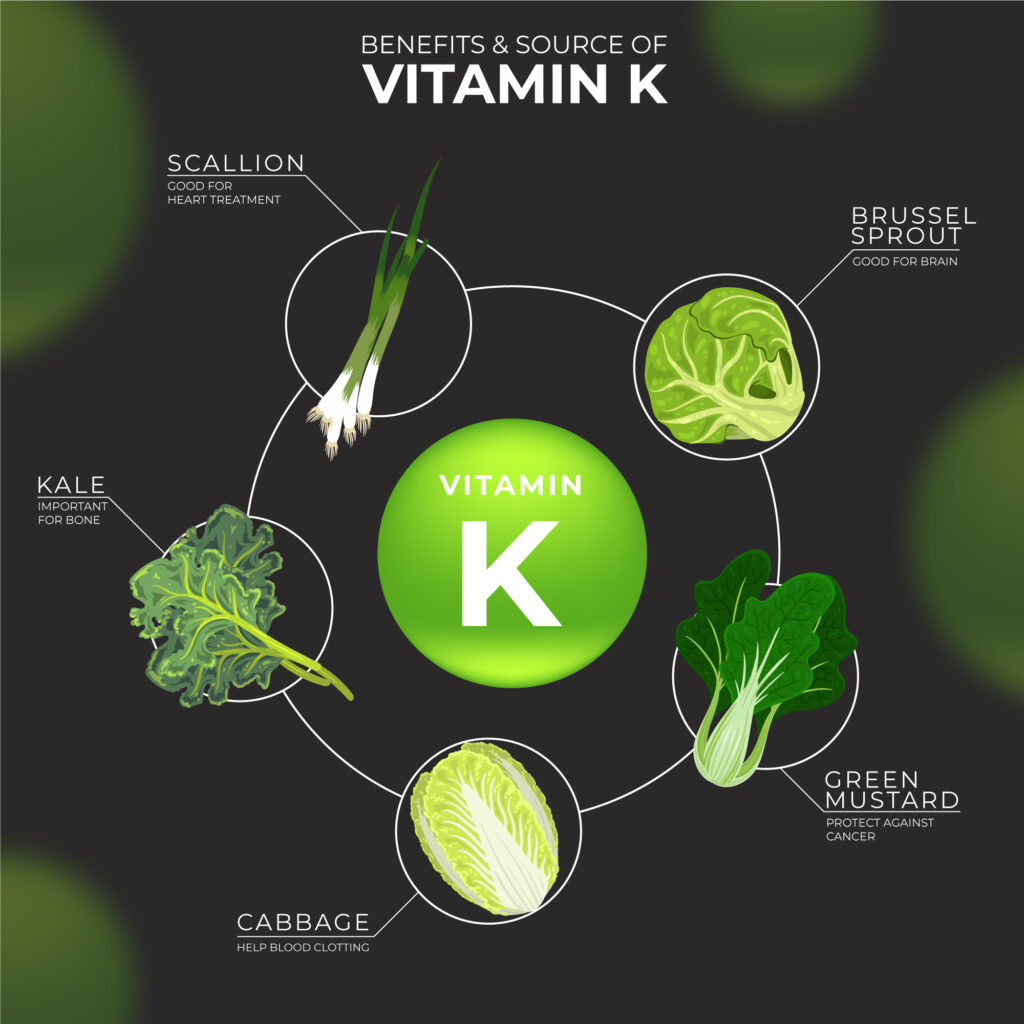
At least 57.6% of Americans have taken a vitamin supplement within the past 30 days, creating sustained demand that supports a thriving manufacturing sector. This isn’t a niche market. We’re talking about an industry that touches more than half the U.S. population regularly.
The market breaks down into several distinct product categories. Vitamins and minerals represent the most popular category by far, followed by specialty supplements, herbals and botanicals, sports nutrition supplements, and weight management supplements. Each category requires different manufacturing expertise and formulation knowledge.
Nature’s Bounty is the only manufacturer with more than 5.0% market share in the vitamin manufacturing sector, indicating a fragmented industry with numerous mid-sized and smaller players competing for business. This fragmentation creates opportunities for contract manufacturers who produce vitamins and supplements for brands without their own facilities.
| Market Segment | Share of Industry | Key Characteristics |
| Vitamins & Minerals | Largest segment | Single and multi-vitamin products, mineral supplements |
| Specialty Supplements | Second largest | Targeted formulations for specific health concerns |
| Herbals & Botanicals | Growing | Plant-based ingredients, traditional medicine derivatives |
| Sports Nutrition | Significant | Protein powders, performance enhancers, recovery products |
| Weight Management | 15% of adults | Appetite suppressants, metabolism boosters, fat burners |
The geographic concentration of vitamin manufacturers in USA clusters in specific regions with established pharmaceutical and chemical industries. Facilities operate across California, New York, New Jersey, Pennsylvania, and Texas, though manufacturers maintain operations throughout the country.
Major Vitamin Manufacturers in USA: Contract Manufacturing Leaders
Contract manufacturers produce supplements for other brands rather than selling directly to consumers under their own names. Companies like Kirkland Signature and Amazon Elements rely on companies like Matsun Nutrition and others to produce their vitamins for them. This business model dominates the industry.
Vitaquest
For over 45 years, thousands of nutraceutical business owners have trusted Vitaquest, and today the company creates and produces over 4,000 custom formulas for more than 500 brands. This level of production makes Vitaquest one of the largest contract manufacturers in the country.
Operating within a 500,000+ square-foot facility including manufacturing, laboratory, warehousing and office spaces, Vitaquest offers flexibility and high-tech equipment to handle projects ranging from startup brands to established supplement companies. The company provides full-service manufacturing covering formulation development, testing, production, and packaging.
Vitaquest’s approach centers on sourcing high-quality raw materials from a global network of approved suppliers. They maintain thousands of ingredients in inventory, allowing rapid formulation development and production. Their in-house laboratory conducts extensive testing to verify ingredient identity, potency, and purity before releasing materials for production.
Bactolac Pharmaceutical
Bactolac Pharmaceutical’s massive inventory of raw material ingredients allows the company to easily accommodate comprehensive formulas, with an extensive supply chain to locate vitamins and minerals of all forms. This inventory depth gives clients formulation flexibility without long lead times waiting for specialty ingredients.
The company operates from a 650,000 square foot temperature-controlled facility designed to meet FDA cGMP guidelines. Bactolac offers manufacturing across multiple delivery formats including sachets, stick packs, tablets, capsules, and powders. Their bifurcated manufacturing process accommodates both small startup runs and large-scale production for established brands.
Bactolac positions itself as a one-stop solution for vitamin manufacturing, handling everything from initial formulation through quality testing, packaging, and fulfillment. Products manufactured by Bactolac appear on shelves at major retailers including Walmart, Walgreens, and CVS.
Robinson Pharma
Robinson Pharma specializes in nutritional supplement contract manufacturing, offering a wide range of product types while emphasizing commitment to quality, innovation, and customer service. The company has built its reputation on technical expertise and regulatory compliance.
Robinson Pharma serves both emerging supplement brands and established companies looking to expand their product lines. Their services span the complete manufacturing process including custom formulation, stability testing, analytical testing, and packaging design. The company maintains multiple manufacturing lines to handle different dosage forms simultaneously.
Advanced Supplements
With a cutting-edge 60,000 square foot supplement manufacturing facility in Long Island, NY, Advanced Supplements combines advanced technology, industry knowledge, and personalized support. The company holds third-party GMP certification through Underwriters Laboratories, validating their quality management systems.
Advanced Supplements has earned trust from over 1,650 private label companies and suppliers. Their expertise covers various supplement categories including vitamins, sports nutrition, immune support, and pet supplements. The company emphasizes organic and vegan formulations to meet growing consumer demand for clean-label products.
NutraPak USA
NutraPak provides quality private-label softgels, gelcaps, caplets, tablets and capsules in plastic bottles, blister packs or pouches, and liquids in glass or plastic bottles. Their manufacturing capabilities span virtually every common supplement delivery format.
Nutraceutical supplements produced by NutraPak USA for clients are sold in Walmart, Walgreens, CVS and most other major retailers, and the company works closely with leading brands in the natural products industry and pharmaceutical companies. This retail presence demonstrates the scale and quality standards NutraPak maintains.
The company emphasizes environmentally conscious practices, offering fully green packaging options that appeal to sustainability-focused brands. NutraPak’s quality assurance standards include meticulous testing at every manufacturing stage.
Leading Retail Vitamin Brands
While contract manufacturers produce the supplements, retail brands market and sell them to consumers. Understanding the distinction matters because the brand on the label often differs from the manufacturer who produced it.
The largest vitamin company in the U.S. is Kirkland Signature, with a revenue of $59 billion and a market share of 23%. Kirkland represents Costco’s private label brand, demonstrating how retailer-owned brands have captured significant market share by offering quality products at competitive prices.
Nature Made ranks among the top brands with widespread retail distribution. The brand focuses on evidence-based formulations backed by clinical research. Nature Made products undergo USP verification, an independent quality certification that validates ingredient accuracy and product purity.
Nature’s Bounty operates as both a manufacturer and brand owner, giving them vertical integration across the supply chain. The company produces supplements under multiple brand names including Nature’s Bounty, Sundown Naturals, and Pure Protein. This diversified brand portfolio allows them to target different consumer segments and retail channels.
Other significant brands include:
Centrum – Owned by GSK (formerly Pfizer Consumer Healthcare), Centrum specializes in multivitamin formulations Garden of Life – Focuses on organic, whole-food-based supplements Rainbow Light – Emphasizes natural, food-based vitamin formulations One A Day – Bayer’s multivitamin brand targeting convenience-focused consumers Vitafusion – Leaders in gummy vitamin formats
These brands rarely manufacture their own products. Instead, they partner with contract manufacturers who handle production while the brand manages marketing, distribution, and customer relationships.
Vitamin Suppliers USA: The Raw Material Network
Behind every finished vitamin product sits a complex supply chain of raw material suppliers providing active pharmaceutical ingredients (APIs) and excipients. These vitamin suppliers USA form the foundation of the manufacturing process.
Global Dominance: DSM and BASF
Global manufacturers like DSM and BASF dominate raw material production for vitamins worldwide. These European chemical giants produce the bulk of vitamin active ingredients used by supplement manufacturers globally.
DSM and BASF, the world’s largest sellers of vitamins, produce or plan to produce bulk vitamins in China due to low-cost competition. This strategic shift reflects the economic realities of vitamin production where Chinese manufacturers have cost advantages in energy, labor, and environmental compliance.
DSM (now DSM-Firmenich after a 2023 merger) operates production facilities across Europe, China, and other locations globally. The company produces essential nutrients including synthetic vitamins, carotenoids, and specialty nutritional ingredients. DSM Nutritional Products produces essential nutrients such as synthetic vitamins and carotenoids for use in dietary supplements, fortified foods, and animal nutrition.
BASF operates through its Nutrition & Care segment, offering comprehensive vitamin portfolios for human nutrition, animal nutrition, and pharmaceutical applications. Both companies invest heavily in research and development to improve production efficiency and develop new vitamin forms with enhanced bioavailability.
The China Factor
Manufacturers withdrew from the vitamin market as Dutch DSM, German BASF and Lonza shut down their vitamin C and vitamin E production facilities in the United States. These closures shifted global vitamin production overwhelmingly toward Asia, particularly China.
In the past 10 years, low-cost vitamins from China have wrecked the once-thriving European vitamin industry, and while vitamins are still made in Europe and North America, more and more nutrition supplements are made in China. The shift occurred due to multiple cost advantages Chinese producers enjoy.
China is particularly strong in vitamins made through fermentation, an energy-intensive activity, and many Chinese producers get their electricity at subsidized rates. Additionally, historically less stringent environmental regulations reduced waste disposal costs, though this has changed significantly in recent years as Chinese authorities have tightened environmental standards.
Major Chinese vitamin producers include:
- Zhejiang NHU Co. Ltd.
- CSPC Pharmaceutical Group
- Zhejiang Medicine Co. Ltd.
- Xiamen Jindawei Vitamin Co. Ltd.
- Northeast Pharmaceutical Group (NCPG)
Around 2005, the market saw a shift when DSM closed its US bulk ascorbic acid plant in Belvidere, New Jersey, making DSM’s plant in Dalry, Scotland the only remaining vitamin C producer outside of Asia. This consolidation exemplifies how vitamin production has migrated to lower-cost regions.
Indian Suppliers
India has emerged as a significant player in vitamin and pharmaceutical ingredient production. Key players in the vitamin D market include DSM (Netherlands), Fermenta Biotech Ltd. (India), Dishman Group (India), and Zhejiang Medicine Co. Ltd (China), showing India’s growing importance in specific vitamin segments.
India is the preferred low-cost/best-cost country for sourcing vitamins and dietary supplements, with a growing number of international companies entering the Indian market leading to increased industry competition and innovation. Indian manufacturers offer competitive pricing while maintaining quality standards that meet international regulatory requirements.
Indian companies like Fermenta Biotech, Jubilant Organosys, and others specialize in fermentation-derived vitamins and active pharmaceutical ingredients. These companies serve both domestic and export markets, supplying raw materials to supplement manufacturers worldwide.
U.S.-Based Suppliers and Distributors
Several U.S.-based companies function as suppliers and distributors of vitamin raw materials, though most source their ingredients from overseas manufacturers:
Lipond International – Established in 1996, Lipond International has grown to be one of the leading raw material suppliers, offering natural plant extracts, vitamins, amino acids, and pharmaceutical intermediates. The company maintains warehouses on both coasts for rapid delivery.
NatureGen – Headquartered in San Diego with manufacturing facilities in China, NatureGen supplies botanical and non-botanical ingredients to North American nutraceutical manufacturers.
Bulk Supplements – Located in Henderson, Nevada, BulkSupplements supplies over 400 pure nutritional supplement ingredients from an FDA-registered cGMP facility.
These distributors provide crucial services beyond simply supplying ingredients. They offer technical support, regulatory documentation, quality assurance, and logistics management that helps manufacturers navigate the complexities of international ingredient sourcing.
The Vitamin Manufacturing Process: From Raw Materials to Finished Products
Understanding how vitamin manufacturers in USA transform raw materials into finished products reveals the complexity and precision required to produce safe, effective supplements.
Formulation Development
Prior to the actual vitamin manufacturing process, it’s necessary to devise the right formula for the supplements, with manufacturers doing research and development to come up with the correct formulation of ingredients. Each brand has its own particular formula even when selling similar products.
Formulation scientists consider multiple factors including:
- Active ingredient dosages based on scientific research
- Bioavailability and absorption rates
- Interactions between different vitamins and minerals
- Stability throughout the product’s shelf life
- Manufacturing feasibility with available equipment
- Regulatory compliance with FDA and USP standards
- Cost targets for the finished product
A vitamin manufacturer typically creates pilot batches during formulation development, testing and adjusting the formula until achieving the desired characteristics. This development phase can take weeks or months depending on formulation complexity.
Raw Material Procurement and Testing
Ordering and receiving raw materials is the longest part of the manufacturing process and can take 2-8 weeks, with timing depending on location and immediacy of availability. This timeline explains why manufacturers maintain substantial ingredient inventories to avoid production delays.
Although raw material suppliers provide a certificate of analysis (COA), the contract manufacturer should not rely on the COA alone, and once raw materials arrive at the facility, they must be quarantined and tested before release into inventory. This “trust but verify” approach ensures quality control.
Testing includes:
- Identity verification using established methodologies
- Potency testing to confirm ingredient concentration
- Microbiological testing for bacterial contamination
- Heavy metal testing for lead, arsenic, mercury, and cadmium
- Pesticide residue screening when applicable
- Physical testing of particle size and flow properties
The entire process of raw material testing may take anywhere from 1-2 weeks, adding to the total production timeline. Only after passing all tests does the ingredient get released from quarantine for use in manufacturing.
Blending and Mixing
All raw materials that comprise a given dietary supplement are mixed in a large-scale commercial blender, and during this process, the raw materials must be completely and uniformly mixed to ensure an even distribution of each specified vitamin, mineral, and herb throughout the entire batch. Uniform mixing ensures every capsule or tablet contains the same amount of each ingredient.
Vitamin tablets or capsules may contain additives that help the manufacturing process, with fillers such as Microcrystalline Cellulose Powder, Lactase powder, Calcium powder, or Maltodextrin used for bulking, while Magnesium stearate powder serves as a lubricant and silicon dioxide powder acts as a flow agent. These excipients aren’t active ingredients but they’re essential for manufacturing efficiency.
After blending, laboratory technicians take samples to verify mix uniformity. They test for proper distribution of key ingredients throughout the batch. Only after confirming uniform distribution does production proceed to the next stage.
Dosage Form Production
Manufacturers produce vitamins in multiple delivery formats:
Tablets – Compressed powder blends formed under high pressure. Tablet presses can produce thousands of tablets per hour with consistent weight and hardness specifications.
Capsules – Either hard gelatin capsules or vegetarian alternatives filled with powdered ingredients. Automated capsule filling equipment ensures precise fill weights.
Softgels – Gelatin shells containing oil-based or liquid ingredients. Softgel production requires specialized equipment and controlled temperature/humidity conditions.
Gummies – Increasingly popular format requiring different manufacturing processes including cooking, molding, and coating operations.
Powders – Blended ingredients packaged directly without compression or encapsulation. Powders offer dosing flexibility but require careful mixing to prevent separation.
Liquids – Vitamin solutions requiring specialized mixing equipment, filtration, and preservative systems to maintain stability.
Wrapping Up
For manufacturers and brands sourcing raw materials directly, working with qualified chemical suppliers requires careful attention to documentation, quality verification, and regulatory compliance.
Elchemy specializes in connecting vitamin manufacturers and supplement brands with verified suppliers of pharmaceutical-grade vitamins, minerals, and specialty ingredients. Whether sourcing domestically or internationally, we help companies navigate supplier qualification, documentation requirements, and quality assurance protocols. Our network includes manufacturers meeting FDA cGMP standards and international quality certifications, ensuring reliable supply chains for your vitamin manufacturing needs.
The vitamin manufacturing landscape combines sophisticated chemistry, rigorous quality control, and complex supply chains spanning the globe. Understanding how major vitamin manufacturers in USA operate and where they source materials helps brands make informed decisions about manufacturing partnerships. As the industry continues growing and evolving, successful companies will be those that prioritize quality, maintain flexible supply chains, and stay ahead of regulatory requirements and consumer preferences.