

At a Glance
- Two crystal structures, two jobs. Rutile and anatase are both TiO2, but their crystal lattices give them different optical and chemical behavior, and that difference decides where each one belongs in a formulation.
- R706 is the industry default rutile grade for general-purpose coatings, valued for its opacity, weathering resistance, and consistent spec sheet.
- Anatase pricing typically runs lower than rutile per ton, though the gap moves with feedstock costs and process type, not with purity.
- Non-nano anatase and rutile blends are the standard building blocks for mineral sunscreen, chosen for UV performance without the labeling complications of nano-scale particles.
- The right grade depends on end use, not on which one is “better.” A rutile grade that’s perfect for exterior paint is the wrong choice for a cosmetic powder, and vice versa.
What you’ll learn
how rutile and anatase TiO2 differ structurally, where each grade performs best across coatings, plastics, and cosmetics, and how to evaluate suppliers before you commit to a purchase order.
Introduction
Buying the wrong TiO2 grade doesn’t just waste budget. A rutile-grade pigment substituted into a cosmetic powder can leave a chalky finish, and an anatase grade used in exterior paint will chalk and lose gloss within a season because of its higher photocatalytic activity. The mistake usually isn’t about purity at all. It’s about matching crystal structure to application.
Titanium dioxide is one of the most heavily traded white pigments globally, with the market valued at roughly USD 20.77 billion in 2025 and projected to grow at a CAGR of 4.86% through 2034, driven largely by demand from paints, plastics, and personal care.
That growth means more grades, more suppliers, and more room for buyers to get the spec wrong. This guide breaks down the rutile vs. anatase question by application and covers where R706 fits as the coatings benchmark. If you’re still weighing origin and volume decisions before you get there, our TiO2 procurement guide covers bulk buying strategy in more depth. Here, the focus is narrower: choosing the right grade before you request a quote.
Rutile vs Anatase: The Crystal Structure Primer
Rutile and anatase are both naturally occurring crystal forms of TiO2. They share the same chemical formula, but their atomic arrangement differs, and that structural difference drives everything else.
Refractive index and opacity: Rutile has a higher refractive index than anatase, which means it scatters visible light more effectively. In practical terms, rutile delivers better hiding power and opacity at a lower loading rate, which is why it dominates coatings and plastics where hiding is the main job.
UV activity: Anatase is more photocatalytically reactive under UV exposure. That reactivity accelerates the breakdown of binders and resins in exterior applications, causing chalking. The same property that makes anatase a poor fit for exterior paint is part of why it behaves differently in cosmetic and lower-exposure applications.
Weathering resistance: Rutile, especially when surface-treated with alumina or silica coatings, holds up far better under sustained UV and weather exposure. Anatase grades generally aren’t specified for long-term outdoor durability.
| Property | Rutile | Anatase |
| Refractive index | Higher (better light scattering) | Lower |
| Opacity / hiding power | Stronger at equivalent loading | Softer, less opaque |
| UV / photocatalytic activity | Lower, more stable | Higher, more reactive |
| Weathering resistance | Strong, especially surface-treated | Weaker for exterior use |
| Typical cost tier | Higher | Generally lower |
| Common particle size range | ~200-300 nm (pigmentary) | Wider range, including sub-100 nm for specialty grades |
R706 Titanium Dioxide: The Industry Benchmark Grade
R706 is a rutile grade, produced via the chloride process by most major global manufacturers, and it has become the de facto reference point that buyers use to compare offers across suppliers. When a supplier quotes an “R706-equivalent” grade, they’re claiming a specific TiO2 content, oil absorption value, and particle size distribution that match the benchmark.
| Parameter | Typical R706 Spec |
| TiO2 content | ≥ 90-93% |
| Oil absorption | 15-20 g/100g |
| Median particle size | ~0.2-0.3 microns |
| Process type | Chloride process (some sulfate-route equivalents exist) |
The reason R706 became the reference standard isn’t that it’s the highest-purity grade available. It’s that its balance of opacity, durability, and cost fits the broadest range of general-purpose coatings, so procurement teams use it as a common language when comparing quotes from different origins.
Rutile Applications: Where This Grade Wins
Rutile is the default choice anywhere long-term durability and opacity under UV exposure matter.
Titanium Dioxide for Paint. Architectural and exterior coatings lean almost exclusively on rutile grades, typically loaded between 15% and 25% by weight depending on the substrate and gloss level. Industrial and automotive coatings often specify surface-treated rutile for added chemical and UV resistance.
If you’re formulating or sourcing for this segment, our deeper breakdown of TiO2 for paint (rutile-grade) covers loading rates and grade selection by coating type in more detail.
Titanium Dioxide for Plastic. In masterbatch and resin compounding, rutile is preferred for heat stability during extrusion and long-term whiteness retention in outdoor products like PVC window profiles, PE piping, and PP packaging. Grade selection here often comes down to compatibility with the specific polymer and processing temperature.
Automotive and high-durability finishes. Automotive OEM coatings demand the highest weathering performance in the rutile family, usually specifying multi-layer surface-treated grades to resist gloss loss over years of sun exposure.
Anatase and Cosmetic-Grade TiO2
Anatase’s softer optical profile and different reactivity make it a better fit outside exterior, high-UV applications, particularly in personal care.
Why anatase suits cosmetics over rutile: Cosmetic formulators generally prefer anatase’s lighter optical touch and, in non-nano form, its lower photocatalytic concern for skin-contact products. It blends more predictably into powders and emulsions without the heavier opacifying effect rutile brings.
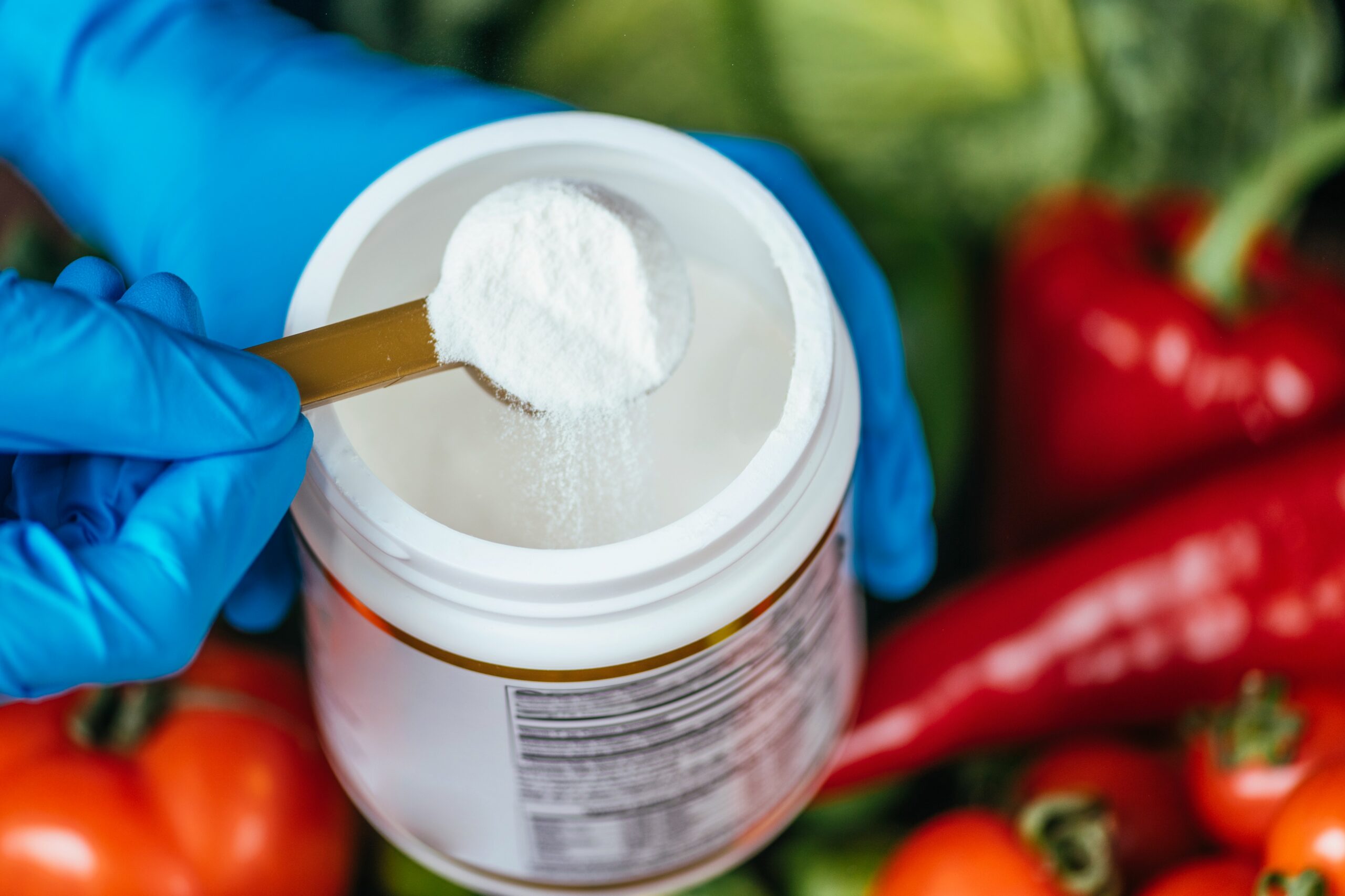
Titanium Dioxide for Soap and Colorant Use: In soap bases, TiO2 (commonly anatase) provides whitening and opacifying without altering the feel of the finished bar. In powdered cosmetic colorants, handling characteristics like flowability and dispersion matter as much as crystal form, so buyers should request particle size distribution data alongside the COA.
Non-Nano Titanium Dioxide for Mineral Sunscreen: The nano vs. non-nano distinction matters here for both performance and compliance. Under the EU Cosmetics Regulation, any nano-form ingredient, including nano TiO2, must be labeled with “(nano)” immediately after the INCI name, and nano-form titanium dioxide is capped at a maximum of 25% concentration under Annex III.
Many formulators sidestep the added labeling and regulatory overhead by specifying non-nano anatase and rutile blends instead, which still deliver broad-spectrum UV protection without triggering nano-specific notification requirements. Our detailed comparison of non-nano vs anatase in sunscreen walks through how these blends perform against nano formulations and zinc oxide alternatives.
Grade Choice by Application: Decision Framework
Use this table as a starting point, then confirm against your own testing before locking in a spec.
| Application | Recommended Grade | Why |
| Architectural paint | Rutile (R706 or equivalent) | Best balance of opacity and exterior durability |
| Industrial / automotive coatings | Surface-treated rutile | Maximum weathering and chemical resistance |
| Plastics / masterbatch | Rutile | Heat stability, long-term whiteness in outdoor use |
| Cosmetics / personal care | Anatase (non-nano) | Softer optics, lower photocatalytic concern |
| Soap / colorant | Anatase | Consistent whitening without heavy opacity |
| Mineral sunscreen | Non-nano anatase / rutile blend | UV performance without nano labeling burden |
For buyers evaluating volume commitments across both segments, it’s worth reading how demand is shifting in TiO2 in coatings & plastics, since sourcing strategy for one often affects leverage on the other.
Titanium Dioxide Pricing: Anatase vs Rutile
Anatase is typically priced lower than rutile per ton, but that gap reflects process economics and demand segmentation, not a quality difference. Rutile’s chloride-process production and heavier surface treatment add cost that anatase grades usually don’t carry.
Recent market pricing data has placed industrial rutile TiO2 broadly in the range of roughly USD 2,500-3,500 per tonne, with anatase often priced lower and cosmetic or high-purity grades priced higher. Regional feedstock costs, sulfate vs. chloride process mix, and ore supply out of major producing regions all move these numbers month to month, and 2026 has seen sustained upward pressure tied to rising sulfuric acid and sulfur input costs.
Powder forms generally price lower than pre-dispersed slurry grades, which carry the added processing cost of dispersion. Treat any published price range as directional. Request a live quote tied to your grade, volume, and delivery terms rather than budgeting off a spot number that may already be stale.
Where to Source Rutile and Anatase TiO2
Before placing an order, verify three things regardless of grade: a current Certificate of Analysis (COA) confirming TiO2 assay percentage, documented particle size distribution, and any grade-equivalency claim like “R706-equivalent” backed by a matching spec sheet, not just a name.
MOQ expectations differ sharply by buyer type. Bulk industrial buyers for coatings or plastics typically work in metric tons and bulk bags, while cosmetic and lab-scale buyers may need small-pack options down to a few kilograms. Confirm packaging fits your operation before you commit to a supplier relationship.
Distributor sourcing trades some margin for flexibility across origins, grades, and pack sizes, which matters when feedstock costs are volatile. Working with a rutile/anatase titanium dioxide supplier that carries both crystal forms in multiple pack formats means you’re not locked into a single origin when prices move. Elchemy supplies both grades with COA-backed documentation for coatings, plastics, and cosmetic buyers.
For buyers running larger production volumes, working with a bulk TiO2 supplier that can flex between contract and spot purchasing helps smooth out the price swings covered above.
Buyer Checklist: Choosing the Right TiO2 Grade
- Confirm the end-use application (coating, plastic, cosmetic, sunscreen) before comparing suppliers.
- Verify the crystal structure requirement against your durability and UV exposure needs.
- Request a COA and confirm TiO2 assay, particle size, and oil absorption against your spec.
- Check nano vs. non-nano status if you’re formulating sunscreen or any leave-on cosmetic.
- Compare R706-equivalent claims across suppliers directly against their spec sheets, don’t assume equivalency from the name alone.
- Confirm MOQ and packaging format, bulk bags, drums, or small pack, before finalizing volume.
FAQs
Is anatase or rutile better for paint?
Rutile is the standard choice for paint, especially exterior and industrial coatings, because of its higher opacity and stronger UV weathering resistance.
What does R706 mean in titanium dioxide?
R706 refers to a widely used rutile grade specification, typically chloride-process, that serves as an industry benchmark for general-purpose coatings.
Can anatase TiO2 be used in sunscreen?
Yes. Non-nano anatase, often blended with rutile, is commonly used in mineral sunscreen formulations for UV protection without the labeling requirements attached to nano-form ingredients.
Is non-nano TiO2 required for mineral sunscreen compliance?
Not required everywhere, but non-nano formulations avoid the additional “(nano)” labeling and notification requirements that apply to nano-form TiO2 under regulations like the EU Cosmetics Regulation.
Why is anatase cheaper than rutile?
Anatase generally costs less to produce and doesn’t require the surface treatments rutile needs for weathering resistance, which keeps its per-ton price lower.
What’s the difference between TiO2 powder and TiO2 pigment grade?
Powder refers to the raw physical form, while pigment grade refers to a formulation optimized for opacity and dispersion in coatings, distinct from cosmetic or industrial-grade powders used for other purposes.
Conclusion
Rutile and anatase aren’t competing for the same job. Rutile earns its place in paint and plastics through opacity and weathering resistance, while anatase fits cosmetics and sunscreen through its softer optical profile and lower photocatalytic concern in non-nano form.
Once you’ve matched the crystal structure to your application, the remaining work is verifying spec sheets and COAs against what you’re actually being sold. Elchemy works as a rutile/anatase titanium dioxide supplier for both coatings and cosmetic buyers, with documentation to back every grade claim. Request a Sample to validate a grade before committing to volume.