

At a Glance
• Sodium methoxide in methanol is a strong base solution typically available at 25-30% concentration
• Used extensively in biodiesel production as the primary transesterification catalyst
• Solution is highly flammable with flash point of 12°C due to methanol solvent
• Reacts violently with water, acids, and moisture — must be handled under dry conditions
• OSHA PEL for sodium methoxide is 2 mg/m³; methanol is 200 ppm (skin absorption hazard)
• DOT classifies as Flammable Liquid, Corrosive, Packing Group II (UN1289)
• Storage requires nitrogen blanketing to prevent moisture absorption and CO₂ reaction
• Global market driven by biodiesel industry with US consumption exceeding 50,000 tonnes annually
A biodiesel plant in Iowa had an incident during catalyst addition. An operator opened a sodium methoxide drum without checking the nitrogen blanket first. Moisture from humid air immediately contacted the solution. The violent reaction sprayed caustic liquid onto his protective suit. Fortunately, the suit held and he got to safety quickly. But the drum contents had to be neutralized and disposed of — $3,000 worth of catalyst lost because someone skipped the nitrogen purge step.
Understanding sodium methoxide in methanol requires knowledge beyond just chemical formulas. This solution combines a powerful base (sodium methoxide) with a flammable solvent (methanol), creating unique handling challenges. US manufacturers using this material for biodiesel production, pharmaceutical synthesis, or chemical manufacturing need comprehensive knowledge of properties, applications, and safety requirements. One mistake with this reactive solution can lead to fires, chemical burns, or environmental releases.
What Is Sodium Methoxide in Methanol?
Chemical Composition and Properties
Sodium methoxide (NaOCH₃ or CH₃ONa) is the sodium salt of methanol. It forms when metallic sodium reacts with methanol: 2CH₃OH + 2Na → 2CH₃ONa + H₂. The pure compound appears as white powder that’s extremely hygroscopic and reacts violently with water.
Commercial products dissolve this sodium methoxide in methanol solvent creating solutions typically at 25%, 27.5%, or 30% concentration by weight. The solution is clear to pale yellow liquid with strong alkalinity (pH ~14) and high reactivity.
Key solution properties: Concentration: 25-30% sodium methoxide in methanol Density: 0.94-0.97 g/mL (varies with concentration) Flash point: 12°C (54°F) — highly flammable Boiling point: 65°C (starts at methanol BP) Vapor pressure: ~100 mmHg at 20°C (methanol vapor) Solubility: Miscible with alcohols, reacts with water
The methanol solvent serves multiple purposes. It stabilizes the sodium methoxide, making handling easier than pure powder. It allows pumping and metering through process equipment. And it provides the alcohol needed for transesterification reactions in biodiesel production.
Why Methanol as Solvent
Methanol works as solvent because sodium methoxide is its conjugate base. This creates a stable solution without side reactions. Other alcohols like ethanol can be used (forming sodium ethoxide), but methanol remains the industry standard.
The methanol keeps sodium methoxide dissolved and provides the nucleophile for transesterification. In biodiesel production, the methoxide ion attacks triglyceride molecules converting them to fatty acid methyl esters (FAME) — the biodiesel product. The methanol serves both as catalyst solvent and reactant.
Cost factors matter too. Methanol is the cheapest alcohol, costing $1.50-2.50 per gallon in bulk. Ethanol costs more. Using methanol-based catalyst reduces overall biodiesel production costs by $0.03-0.05 per gallon compared to ethanol-based systems.
Table 1: Solution Specifications
| Property | 25% Solution | 30% Solution | Significance |
| Sodium methoxide content | 25% w/w | 30% w/w | Higher concentration means more base per volume |
| Methanol content | 75% w/w | 70% w/w | Higher methanol means more flammability |
| Density | 0.945 g/mL | 0.970 g/mL | Affects dosing calculations |
| Alkalinity (as NaOH equiv.) | ~23% | ~28% | Determines neutralization requirements |
| Water content max | <0.5% | <0.5% | Critical — water causes decomposition |
| Free NaOH content max | <0.1% | <0.1% | Quality indicator |
| Flash point | 12°C | 12°C | Both are flammable liquids |
Primary Uses in US Manufacturing
Biodiesel Production (Dominant Application)
Sodium methoxide in methanol serves as the primary catalyst for converting vegetable oils and animal fats into biodiesel. The transesterification reaction uses this catalyst at 0.5-1.0% by weight of oil feedstock.
The process works by mixing triglycerides (oils/fats) with methanol and sodium methoxide catalyst. The catalyst breaks ester bonds in triglycerides, replacing glycerol with methanol groups. This produces three molecules of fatty acid methyl ester (biodiesel) plus one molecule of glycerol per triglyceride.
Typical reaction conditions use 6:1 molar ratio of methanol to oil, 0.5-1% sodium methoxide catalyst, 60°C temperature, and 1-2 hours reaction time. These mild conditions make biodiesel production economically viable.
Advantages over other catalysts: Faster reaction rates than potassium hydroxide or sodium hydroxide Lower catalyst loading needed (0.5% vs 1-2% for KOH) Fewer soap formation issues with proper moisture control Better yield — typically 98%+ conversion to biodiesel Easier separation of glycerol byproduct layer
The US biodiesel industry produces about 1.5-2.5 billion gallons annually depending on feedstock prices and renewable fuel mandates. Most plants use sodium methoxide as catalyst, consuming roughly 50,000-70,000 tonnes of the methanol solution per year.
Chemical Synthesis Applications
Pharmaceutical and fine chemical synthesis uses sodium methoxide as strong base and nucleophile. It catalyzes condensation reactions, deprotonates acidic compounds, and promotes nucleophilic substitutions.
Methylation reactions use sodium methoxide to install methoxy groups on molecules. It’s a nucleophilic source of methoxide that attacks electrophilic centers. This appears in synthesis of specialty chemicals, pharmaceutical intermediates, and agrochemical compounds.
Ester condensations (Claisen, Dieckmann) require strong, non-nucleophilic bases. Sodium methoxide works well for these reactions creating carbon-carbon bonds. The methanol solvent maintains homogeneous reaction conditions.
Synthesis applications: Pharmaceutical intermediate production Agrochemical synthesis (herbicides, insecticides) Specialty chemical manufacturing Polymer initiators (anionic polymerization) Metal catalyst precursors
Synthesis uses consume much smaller volumes than biodiesel — perhaps 5,000-10,000 tonnes annually in US. But these applications pay premium prices for high-purity, reagent-grade material with stringent specifications.
Analytical Chemistry
Laboratory analytical methods use sodium methoxide for derivatization of fatty acids and other compounds before gas chromatography or HPLC analysis. The methylation converts free fatty acids to their methyl esters, which are more volatile and easier to analyze.
Standardized methods (ASTM, AOAC) specify sodium methoxide in methanol for preparing fatty acid methyl esters from food oils, biodiesel feedstocks, and biological samples. The reagent provides consistent, reproducible methylation.
Table 2: Application Comparison
| Application | Concentration Used | Temperature | Typical Dosage | Purpose |
| Biodiesel production | 25-30% | 60°C | 0.5-1% of oil weight | Transesterification catalyst |
| Pharmaceutical synthesis | 25-30% | 0-80°C | Stoichiometric to excess | Base, nucleophile, methylating agent |
| Analytical derivatization | 0.5-2 M | Room temp | Excess over sample | Convert acids to methyl esters |
| Polymer production | 25-30% | Varies | 0.1-2% | Anionic polymerization initiator |
Safety Hazards and Risk Management
Flammability and Fire Risks
The methanol solvent makes this solution highly flammable. Flash point of 12°C means it can ignite at room temperature if ignition source is present. The solution is DOT Flammable Liquid, Class 3.
Methanol burns with nearly invisible blue flame — difficult to see in daylight. This creates danger during fires because people may not realize material is burning until they feel heat or see wavering air.
Fire safety requirements: Store in fire-rated flammable storage cabinets or rooms Keep away from ignition sources, sparks, open flames Use explosion-proof electrical equipment in handling areas Ground and bond containers during transfers (static electricity risk) Have appropriate fire suppression (alcohol-resistant foam, CO₂, dry chemical) Post “No Smoking” and “Flammable” signs prominently
Small fires can be extinguished with dry chemical or CO₂ extinguishers. Large fires need alcohol-resistant foam. Water can be used to cool surrounding equipment but doesn’t extinguish methanol fires effectively.
Corrosivity and Chemical Burns
Sodium methoxide is extremely alkaline (pH ~14 in solution). Skin contact causes chemical burns rapidly — within seconds to minutes depending on concentration. The burns worsen over time as the base penetrates tissue.
Eye contact is medical emergency. The alkaline solution damages cornea and can cause permanent vision loss. Even brief contact (few seconds) causes significant injury requiring immediate medical care.
Unlike acids that cause immediate pain, alkali burns may not hurt intensely at first. This delayed pain response means workers might not realize how badly they’re injured until damage is extensive. Always flush immediately with copious water regardless of pain level.
Personal protective equipment required: Chemical splash goggles or face shield Nitrile or neoprene gloves (PVC acceptable for brief contact) Chemical-resistant apron or coveralls Closed-toe chemical-resistant boots In case of spills, full face respirator if vapor/mist present
Emergency eyewash and safety shower must be within 10 seconds travel time of handling areas. ANSI Z358.1 compliant equipment is required.
Reactivity Hazards
The solution reacts violently with water, acids, oxidizers, and many organic halides. These reactions generate heat, pressure, and sometimes flammable or toxic gases.
Water reaction: Sodium methoxide + water produces methanol + sodium hydroxide + heat. While not explosive, the rapid heat generation can cause boiling, spattering, and fires if large quantities contact water. Always keep containers sealed and handle in dry conditions.
Acid reaction: Mixing with acids neutralizes the base producing methanol, sodium salt, water, and significant heat. Uncontrolled mixing can cause violent boiling and eruption of container contents.
Halogen reaction: Reacts with chlorine, bromine, iodine generating heat and potentially flammable gases. Never store near these materials.
Carbon dioxide reaction: Atmospheric CO₂ slowly reacts forming sodium carbonate and reducing active base content. This is why nitrogen blanketing is used in storage tanks.
Table 3: Incompatible Materials
| Material Class | Reaction Outcome | Prevention |
| Water | Heat generation, NaOH formation | Keep containers sealed, dry conditions |
| Acids (HCl, H₂SO₄, organic acids) | Violent neutralization, heat, spattering | Segregate storage, emergency procedures |
| Oxidizers (peroxides, permanganates) | Vigorous reaction, fire risk | Separate storage, no shared equipment |
| Halogens (Cl₂, Br₂) | Heat, toxic gases | Keep segregated, ventilated storage |
| Carbon dioxide (air) | Carbonation, loss of activity | Nitrogen blanket on tanks |
| Alcohols other than methanol | Exchange reactions, mixed alkoxides | Store only methanol-based catalyst |
Sodium Methoxide in Methanol MSDS Requirements
Critical Safety Data Sheet Information
Every US facility using sodium methoxide in methanol must maintain current Safety Data Sheets (formerly MSDS, now SDS under GHS) accessible to all employees. The sodium methoxide in methanol MSDS contains crucial information for safe handling.
Section 1 – Identification: Chemical name: Sodium methoxide in methanol solution UN number: UN1289 (sodium methylate solution in methanol) Emergency phone numbers (CHEMTREC: 1-800-424-9300) Manufacturer contact information
Section 2 – Hazard Identification: GHS classifications: Flammable Liquid Category 2, Skin Corrosion Category 1A, Serious Eye Damage Category 1, Acute Toxicity (Oral) Category 3 Signal word: DANGER Hazard statements and precautionary statements Pictograms showing flame, corrosion, exclamation mark
Section 8 – Exposure Controls: OSHA PEL: Sodium methoxide 2 mg/m³; Methanol 200 ppm TWA (skin notation) NIOSH REL: Methanol 200 ppm TWA, 250 ppm STEL ACGIH TLV: Methanol 200 ppm TWA, 250 ppm STEL (skin notation)
The “skin notation” for methanol means it absorbs through skin contributing to systemic toxicity. Gloves and protective clothing are mandatory, not optional.
Training and Documentation Requirements
OSHA Hazard Communication Standard (29 CFR 1910.1200) requires employers to train workers on hazards before they handle sodium methoxide solutions. Training must cover:
Required training topics: Physical and health hazards (flammability, corrosivity, toxicity) Protective measures (PPE, engineering controls, safe handling) Emergency response procedures (spills, fires, exposures) Location and availability of SDS Proper use of engineering controls and PPE
Training must be documented with employee signatures and dates. Refresher training is needed when hazards change or when employee knowledge gaps appear.
Storage and Handling Best Practices
Proper Storage Conditions
Sodium methoxide in methanol requires controlled storage conditions to maintain quality and prevent incidents.
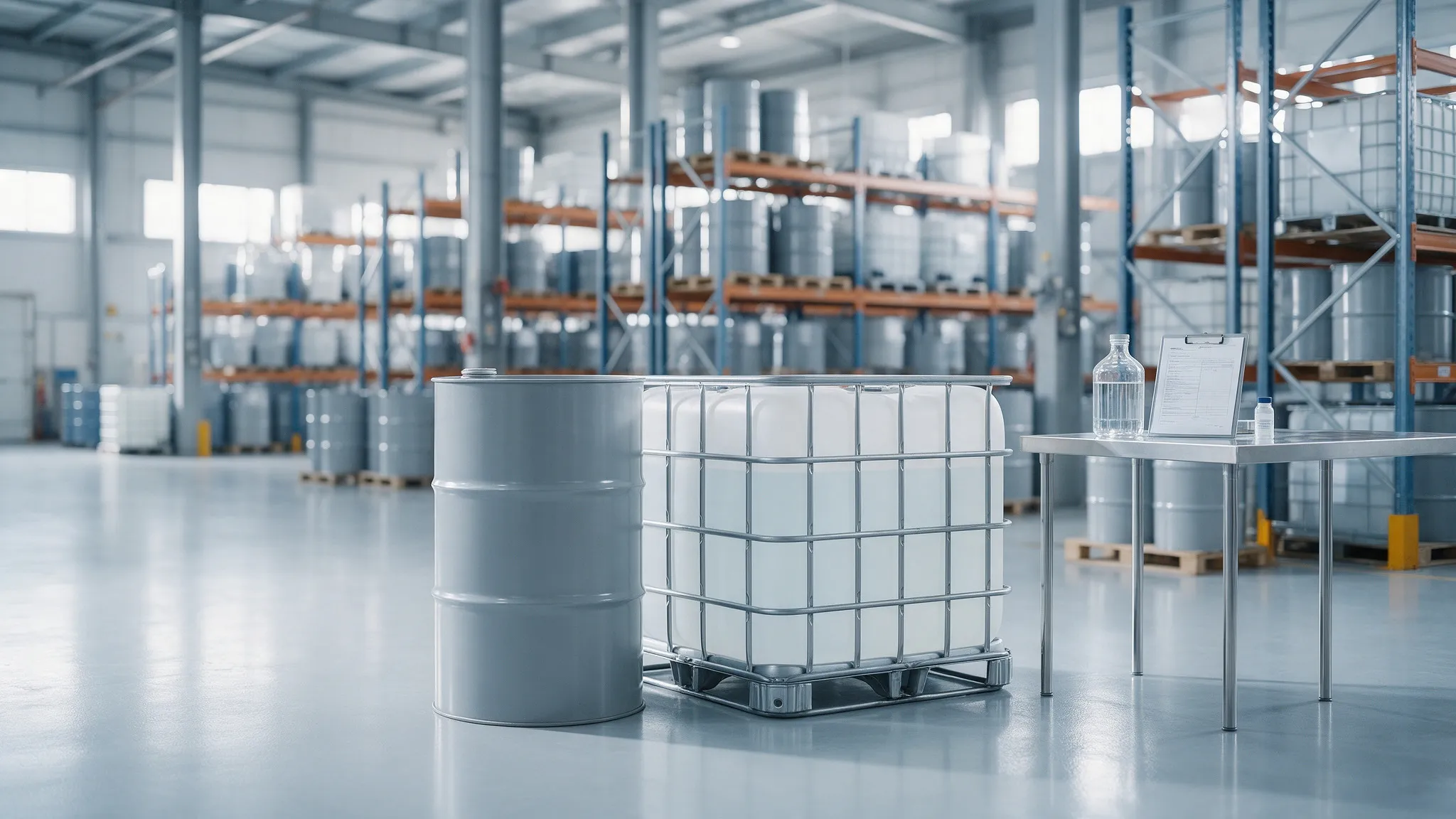
Storage requirements: Temperature: Store at 15-30°C (avoid freezing, avoid excessive heat) Ventilation: Well-ventilated area with vapor detection if possible Container: Original sealed containers or dedicated stainless steel tanks Blanketing: Nitrogen blanket for bulk storage preventing CO₂/moisture ingress Segregation: Separate from acids, oxidizers, water sources, incompatibles Secondary containment: Spill pallets or dikes capturing 110% of largest container volume
Bulk storage tanks need nitrogen pad pressure (2-5 psi) maintained continuously. This prevents atmospheric moisture and CO₂ from degrading the solution. Tanks should have pressure/vacuum relief, rupture disk, and temperature monitoring.
Shelf life in sealed containers is typically 6-12 months. Beyond this, assay the solution confirming sodium methoxide content hasn’t dropped due to CO₂ reaction or moisture absorption.
Safe Transfer and Handling
Moving sodium methoxide solution from storage to process requires careful procedures:
Transfer procedures: Ground and bond containers before transfer (static electricity hazard) Use closed transfer systems whenever possible Purge lines with nitrogen before opening to atmosphere Have spill kit and fire extinguisher immediately available Ensure PPE is worn before starting transfer Never use compressed air to push solution from containers
Pumps must be suitable for corrosive, flammable liquids. Stainless steel or PTFE-lined pumps work well. Seals and gaskets should be Viton or PTFE — not Buna-N or neoprene which degrade.
Meters and control valves need explosion-proof electrical classification if located in classified areas. Follow National Electric Code (NEC) Article 500 for hazardous location electrical requirements.
Waste Disposal and Environmental Considerations
Neutralization and Disposal
Spent sodium methoxide solution and washings require neutralization before disposal. Never pour into drains untreated — the high pH damages pipes and violates discharge permits.
Neutralization procedure: Add slowly to large excess of water with stirring Neutralize with dilute acid (HCl, acetic acid) to pH 6-8 Monitor temperature — neutralization generates heat Test pH before discharge Follow local pretreatment requirements for sewer discharge
Small volumes (few gallons) can be neutralized on-site following this procedure. Large volumes may require hazardous waste contractor disposal. EPA considers unreacted sodium methoxide solution as characteristic corrosive hazardous waste (D002) requiring proper manifesting.
Environmental Regulations
Key US regulations: CERCLA/SARA: Sodium methoxide RQ 1,000 lbs (report releases) Clean Water Act: Discharge limits for methanol and pH in wastewater Clean Air Act: Methanol is VOC requiring emission controls RCRA: Manage as hazardous waste if pH >12.5 or <2.0 EPA Risk Management Plan (RMP): May apply if storing large quantities
State regulations often exceed federal requirements. California, for example, has strict VOC limits affecting methanol emissions from biodiesel plants using sodium methoxide catalyst.
Conclusion
Sodium methoxide in methanol represents a powerful chemical tool for US manufacturers, particularly in the biodiesel industry where it serves as primary transesterification catalyst converting triglycerides to FAME at 98%+ yields using just 0.5-1% catalyst loading at mild 60°C conditions. The solution combines strong base reactivity (pH ~14) with flammability hazards from methanol solvent (flash point 12°C) requiring comprehensive safety programs addressing chemical burns, fire risks, and violent reactivity with water and acids. Understanding sodium methoxide in methanol MSDS requirements including OSHA PEL of 2 mg/m³ for sodium methoxide, 200 ppm for methanol with skin notation, and DOT classification as UN1289 Flammable Liquid Corrosive Packing Group II forms the foundation for safe operations.
Storage demands nitrogen blanketing preventing CO₂ and moisture ingress that degrades the solution, while handling requires grounding/bonding during transfers, chemical-resistant PPE, and segregation from incompatible materials. For US manufacturers requiring this versatile catalyst for biodiesel production, pharmaceutical synthesis, or chemical manufacturing, Elchemy connects you with reliable suppliers offering sodium methoxide in methanol at 25%, 27.5%, and 30% concentrations with complete safety documentation, technical support for process optimization, and guidance on regulatory compliance supporting your specific transesterification, synthesis, or analytical chemistry applications.