
Products
Our Technology
Sustainability & Compliance

Home/Products/Sodium Methoxide

Sodium Methoxide
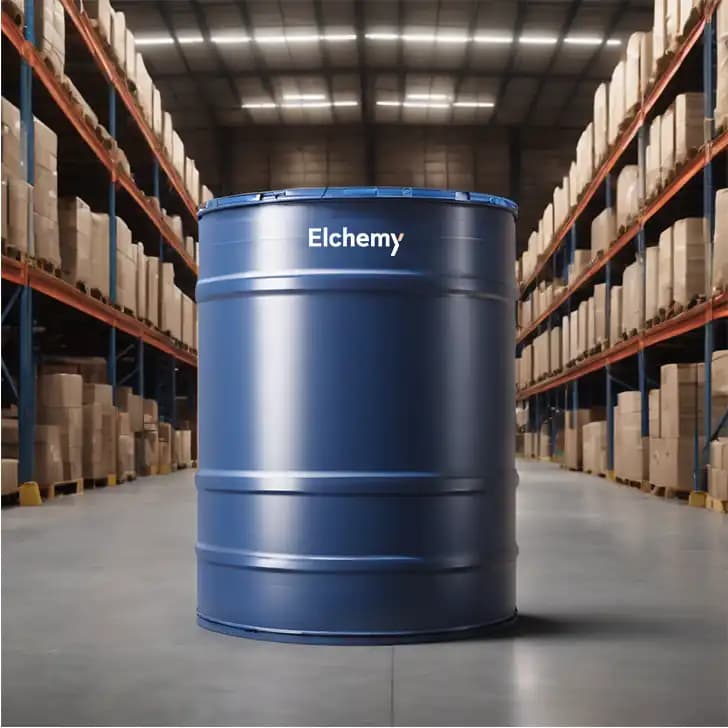
HDPE Drums

ELAROMA-NaMOx

Sodium Methoxide

ELAROMATM – NaMOx

Sodium Methoxide is a strong base and a powerful nucleophile, widely used in organic synthesis and industrial applications. It is commonly employed in the production of pharmaceuticals, biodiesel, and as a catalyst in various chemical reactions. Its efficiency in transesterification processes makes it a preferred choice in biodiesel production.

Get Pricing for This Product

Need pricing? Request a quote for this product and we'll get back to you shortly.

Speed Up Your Sample Testing Process

Express Delivery in 24–48 Hours

CAS Number

124-41-4

HS Code

29051900

Molecular Formula

CH3ONa

INCI Name

-

Home/Products/Sodium Methoxide

Sodium Methoxide

ELAROMATM – NaMOx

Sodium Methoxide is a strong base and a powerful nucleophile, widely used in organic synthesis and industrial applications. It is commonly employed in the production of pharmaceuticals, biodiesel, and as a catalyst in various chemical reactions. Its efficiency in

CAS Number

124-41-4

INCI Name

-

HS Code

29051900

Molecular Formula

CH3ONa

Get Pricing for This Product

Need pricing? Request a quote for this product and we'll get back to you shortly.

Speed Up Your Sample Testing Process

We deliver domestic samples within 24 - 48 hours, helping you evaluate products and move to procurement without delays.

Sodium Methoxide
HDPE Drums

ELAROMA-NaMOx

About Sodium Methoxide

Sodium Methoxide, also known as sodium methylate, is a highly reactive chemical compound used extensively in industrial and laboratory settings. As a strong base, it plays a pivotal role in organic synthesis, particularly in the production of pharmaceuticals and agrochemicals. Sodium Methoxide manufacturers focus on producing high-purity grades to meet the stringent requirements of these industries. Its application in biodiesel production is notable, where it acts as a catalyst in the transesterification process, converting triglycerides into biodiesel efficiently. The compound's versatility extends to its use in water treatment and polymerization processes, where it aids in pH adjustment and catalysis, respectively. Sodium Methoxide suppliers ensure that the product is packaged securely to prevent moisture ingress, which can lead to degradation. The chemical's reactivity and effectiveness make it a valuable asset in various industrial applications, underscoring its importance in modern chemical manufacturing.

About Sodium Methoxide

Sodium Methoxide, also known as sodium methylate, is a highly reactive chemical compound used extensively in industrial and laboratory settings. As a strong base, it plays a pivotal role in organic synthesis, particularly in the production of pharmaceuticals and agrochemicals. Sodium Methoxide manufacturers focus on producing high-purity grades to meet the stringent requirements of these industries. Its application in biodiesel production is notable, where it acts as a catalyst in the transesterification process, converting triglycerides into biodiesel efficiently. The compound's versatility extends to its use in water treatment and polymerization processes, where it aids in pH adjustment and catalysis, respectively. Sodium Methoxide suppliers ensure that the product is packaged securely to prevent moisture ingress, which can lead to degradation. The chemical's reactivity and effectiveness make it a valuable asset in various industrial applications, underscoring its importance in modern chemical manufacturing.

FAQs - Sodium Methoxide

What is Sodium Methoxide used for?
Sodium Methoxide is used in organic synthesis, biodiesel production, and as a catalyst in various chemical reactions.
How should Sodium Methoxide be stored?
It should be stored in a cool, dry place, away from moisture and incompatible substances.
Is Sodium Methoxide hazardous?
Yes, it is corrosive and can cause burns. Proper safety precautions should be taken when handling.

Related Products

Ethylenedinitrilo Tetraacetic Acid (EDTA)

Ethylenedinitrilo Tetraacetic Acid (EDTA)

EDTA, also referred to as ethylenedinitrilo tetraacetic acid, is a white powder that is soluble in a variety of solvents and has the ability to combine with transition metals, rare earth elements, and alkali metals to form stable complexes. It is used as a chelating agent to adhere to metals and calcium because of its claw-like structure. Doctors prescribe EDTA to help the body rid itself of toxins, and it's a vital component of medications that fight cancer. At 240°C, it breaks down over its melting point.

View Details
Citric Acid Anhydrous

Citric Acid Anhydrous

Citric acid is a tricarboxylic acid having a hydroxy substituent at position 2. As a basic metabolite, chelator, antimicrobial agent, and regulator of food acidity, it is an essential metabolite in aerobic organisms. Because of its many advantages and low environmental impact, it is used in food, cosmetics, and cleaning products. It functions as a preservative in food, maintaining the color, flavor, and texture while bringing the pH levels back into balance. It minimizes fine lines, brightens skin, and aids in stain removal when used in cosmetics.

View Details
Sodium Hexametaphosphate (SHMP)

Sodium Hexametaphosphate (SHMP)

Sodium hexametaphosphate (SHMP) is a salt that is primarily used as a sequestrant in food additives and other industries. It is made up of the elements Na6[(PO3)6]. To make products for water softening and detergents, add sodium carbonate to raise it to 8.0–8.6. In addition, SHMP is employed as a dispersing agent for evaluating soil texture, a deflocculant in clay-based ceramic particles, and an active component in toothpastes to prevent tartar and staining.

View Details
Glacial Acetic Acid

Glacial Acetic Acid

A colorless liquid with a vinegar-like odor, glacial acetic acid solidifies into ice-like crystals at temperatures below 16.7°C. Widely used as a solvent, it's a key precursor in chemical synthesis, contributing to the production of plastics, textiles, and pharmaceuticals. In the food industry, it's utilized for vinegar production and as a food additive. Known for its versatility, glacial acetic acid is a vital component in various industrial applications and laboratory settings.

View Details
Toulene

Toulene

Toluene is a colorless liquid aromatic hydrocarbon. Acting as a solvent, it dissolves various substances in paints, adhesives, and coatings. Its features include rapid evaporation and efficient solvency. Toluene benefits by promoting smooth application and quick drying. Widely used in industries, it enhances formulation processes and ensures high-quality finishes.

View Details

Related Products

Ethylenedinitrilo Tetraacetic Acid (EDTA)

Ethylenedinitrilo Tetraacetic Acid (EDTA)

EDTA, also referred to as ethylenedinitrilo tetraacetic acid, is a white powder that is soluble in a variety of solvents and has the ability to combine with transition metals, rare earth elements, and alkali metals to form stable complexes. It is used as a chelating agent to adhere to metals and calcium because of its claw-like structure. Doctors prescribe EDTA to help the body rid itself of toxins, and it's a vital component of medications that fight cancer. At 240°C, it breaks down over its melting point.

View Details
Citric Acid Anhydrous

Citric Acid Anhydrous

Citric acid is a tricarboxylic acid having a hydroxy substituent at position 2. As a basic metabolite, chelator, antimicrobial agent, and regulator of food acidity, it is an essential metabolite in aerobic organisms. Because of its many advantages and low environmental impact, it is used in food, cosmetics, and cleaning products. It functions as a preservative in food, maintaining the color, flavor, and texture while bringing the pH levels back into balance. It minimizes fine lines, brightens skin, and aids in stain removal when used in cosmetics.

View Details
Sodium Hexametaphosphate (SHMP)

Sodium Hexametaphosphate (SHMP)

Sodium hexametaphosphate (SHMP) is a salt that is primarily used as a sequestrant in food additives and other industries. It is made up of the elements Na6[(PO3)6]. To make products for water softening and detergents, add sodium carbonate to raise it to 8.0–8.6. In addition, SHMP is employed as a dispersing agent for evaluating soil texture, a deflocculant in clay-based ceramic particles, and an active component in toothpastes to prevent tartar and staining.

View Details
Glacial Acetic Acid

Glacial Acetic Acid

A colorless liquid with a vinegar-like odor, glacial acetic acid solidifies into ice-like crystals at temperatures below 16.7°C. Widely used as a solvent, it's a key precursor in chemical synthesis, contributing to the production of plastics, textiles, and pharmaceuticals. In the food industry, it's utilized for vinegar production and as a food additive. Known for its versatility, glacial acetic acid is a vital component in various industrial applications and laboratory settings.

View Details

Streamline
your chemical
procurement

Get fast responses from real experts

Phone